Reading enhancement Normal Worksheets for Ages 3-8
4 filtered results
-
From - To
Discover our engaging Reading Enhancement Normal Worksheets designed specifically for children aged 3-8. These worksheets provide a variety of fun, interactive activities that promote reading skills essential for early literacy development. Each worksheet aligns with educational standards, helping young learners improve their vocabulary, comprehension, and phonics. From colorful illustrations to simple texts, these resources are tailored to keep kids motivated and excited about reading. Encourage a lifelong love for literature with our thoughtfully crafted worksheets, perfect for parents and educators looking to support reading skills at home or in the classroom. Download and inspire your child's reading journey today!
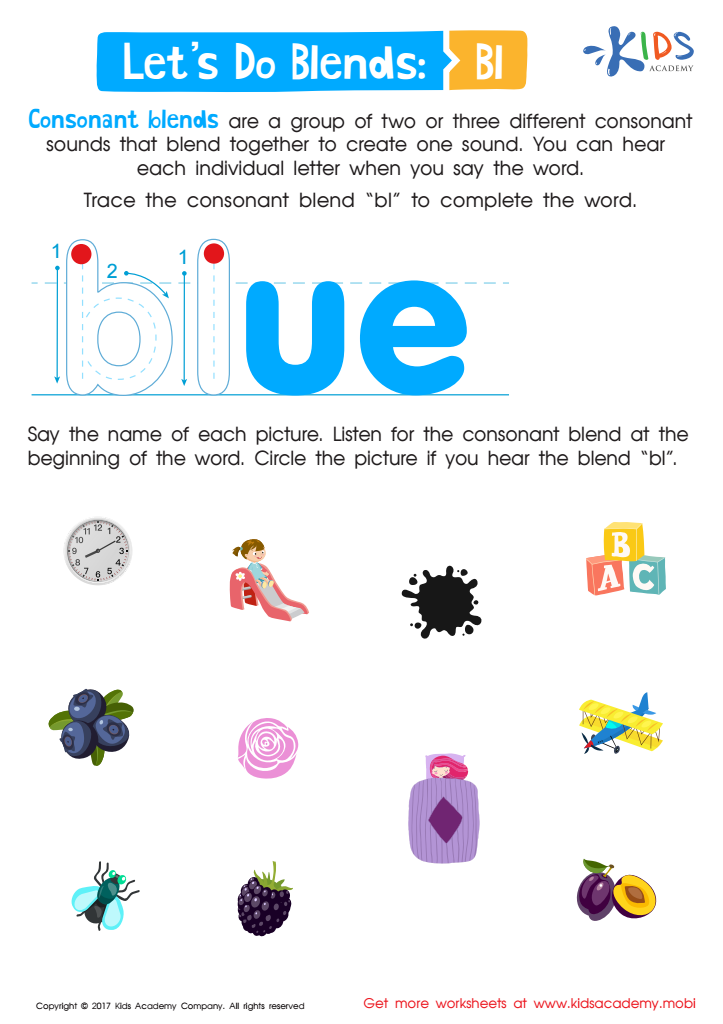
Beginning Blends: "Bl" Words Worksheet
 Assign to My Students
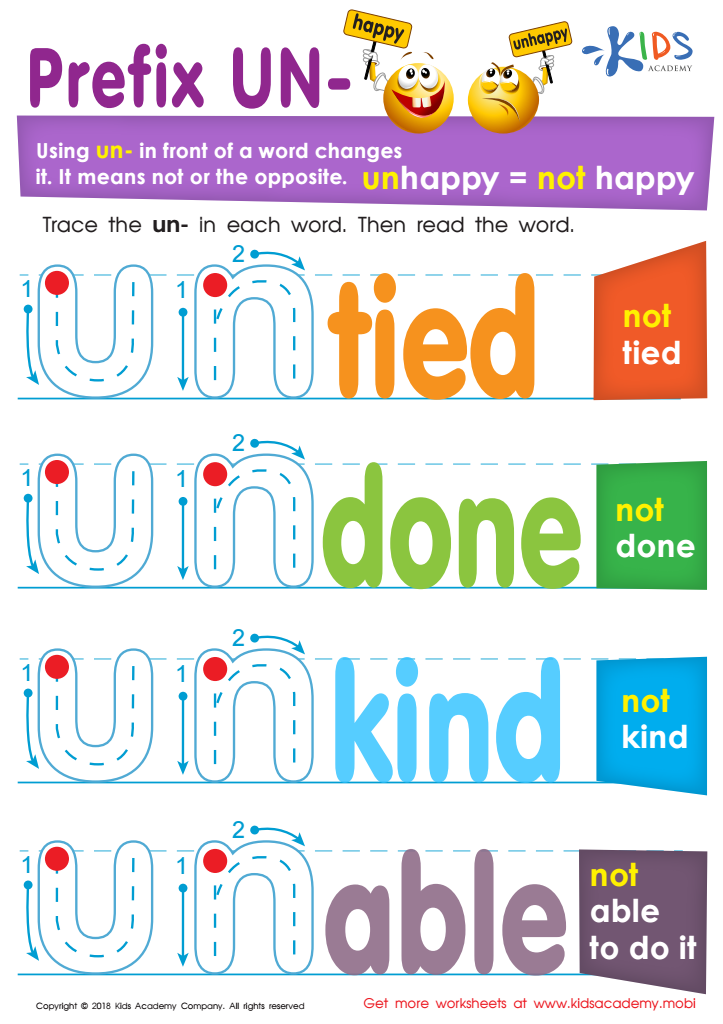
Prefix Un- Worksheet
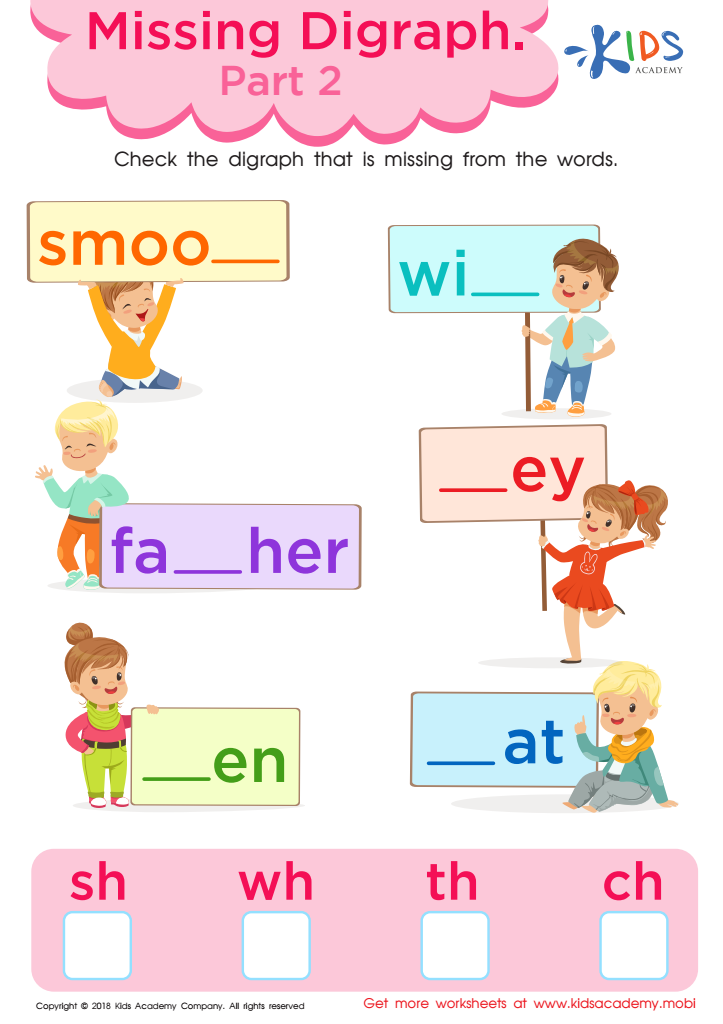
Missing Digraph: Part 2 Worksheet
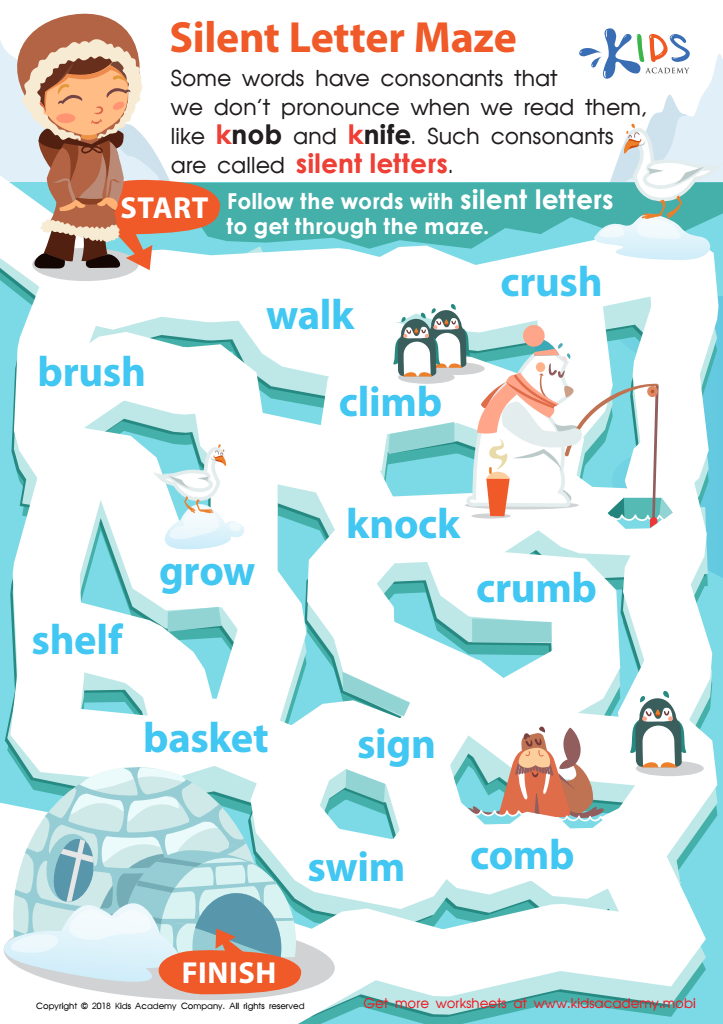
Silent Letter Maze Worksheet






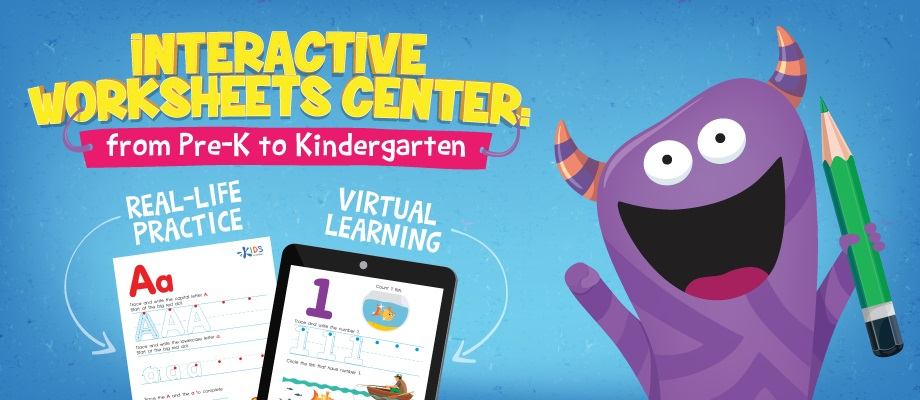
Reading enhancement for children aged 3-8 is crucial for their overall development and future success. During these formative years, children rapidly acquire language skills, cognitive abilities, and social-emotional competencies. Early reading engagement fosters a love for books and storytelling, which are vital for nurturing imagination and creativity. Exposure to diverse literature enhances vocabulary, comprehension, and critical thinking skills, laying a strong foundation for academic achievement.
Furthermore, reading enhances parent-child and teacher-student interactions, reinforcing bonds and encouraging communication. It helps children develop empathy and cultural awareness through various narratives. Early reading proficiency is linked to better performance in later schooling, influencing academic trajectories and self-confidence.
In addition, reading supports brain development. Activities like shared reading sessions and phonics games stimulate neural connections essential for literacy. Parents and teachers play a key role in modeling reading behaviors, introducing age-appropriate books, and creating an enriching literary environment. By investing time and resources into reading enhancement during these early years, adults set children on a path to lifelong learning, ensuring they become engaged, knowledgeable, and competent members of society. Prioritizing reading is not just about school readiness; it shapes well-rounded, emotionally intelligent individuals prepared to navigate the world.








