Reading practice Normal Worksheets for Ages 3-8
14 filtered results
-
From - To
Explore our engaging Reading Practice Normal Worksheets designed for children aged 3-8. These worksheets offer age-appropriate activities that help young learners develop essential reading skills such as phonemic awareness, vocabulary building, and comprehension. Each worksheet combines fun illustrations and interactive exercises to captivate your child's attention while enhancing their reading abilities. Perfect for both classroom and home use, our worksheets promote confidence and a love for reading. With opportunities for matching words to pictures and simple sentence completion, these resources will ignite your child's imagination and boost their proficiency. Start your journey towards strong reading skills today!
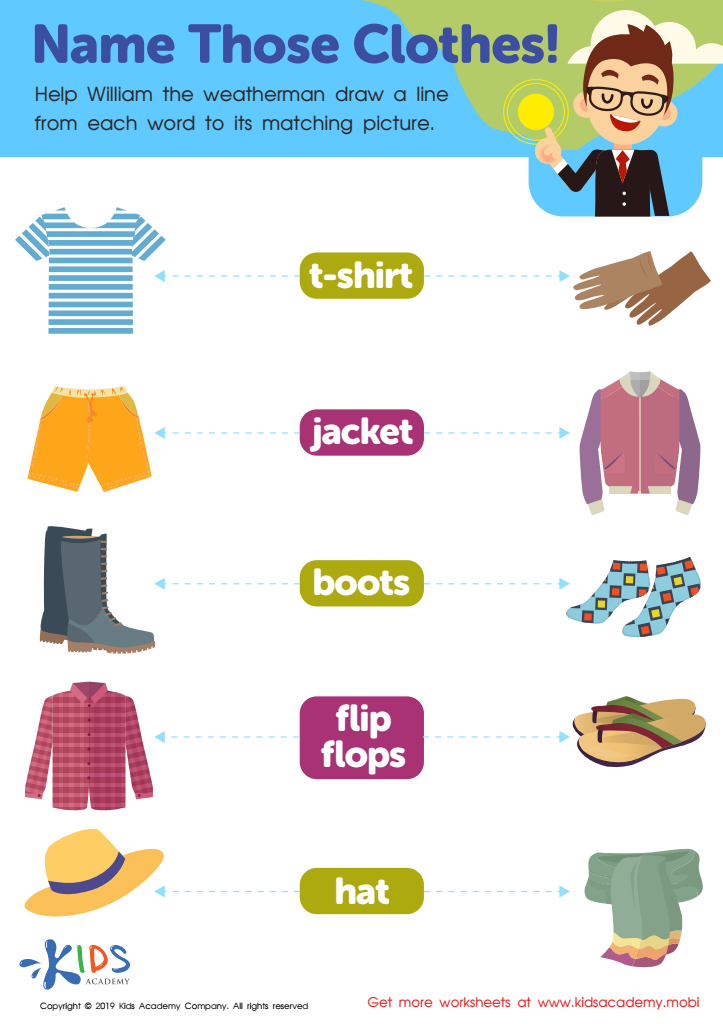
Name Those Clothes Worksheet
 Assign to My Students
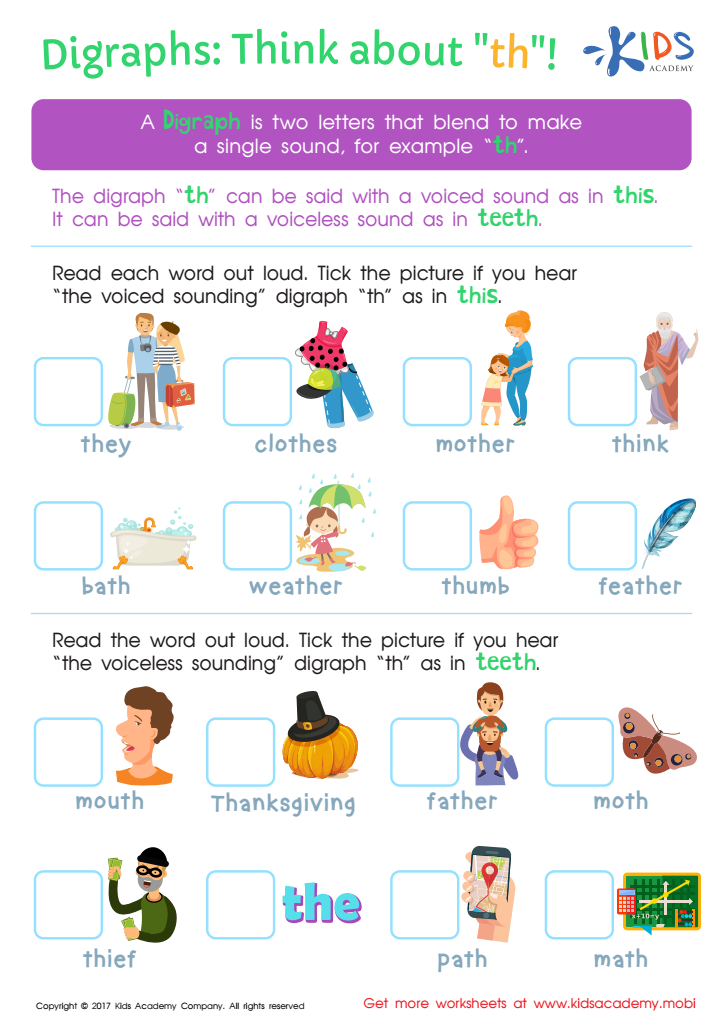
Digraphs: Think About "th" Worksheet
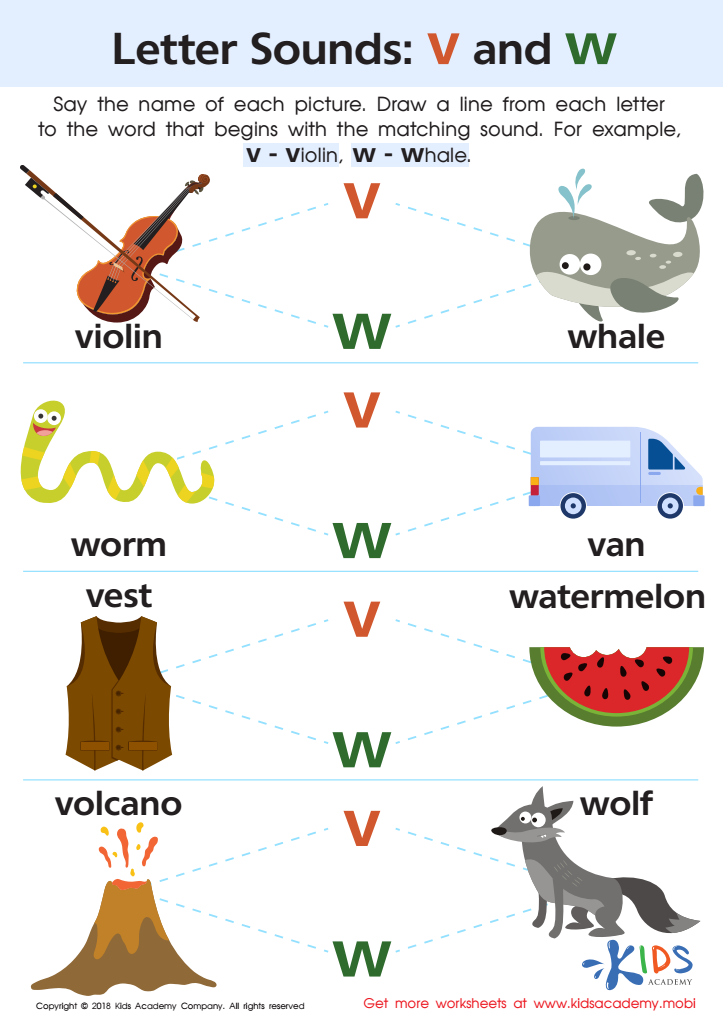
Letter V and W Sounds Worksheet
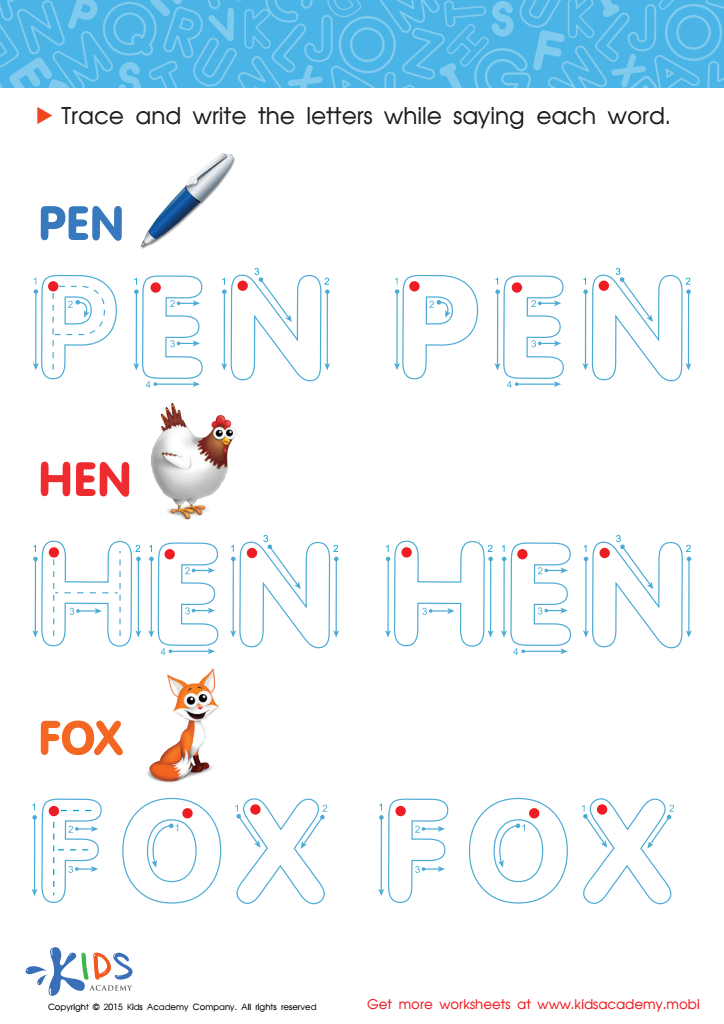
A Pen, a Hen and a Fox Spelling Worksheet
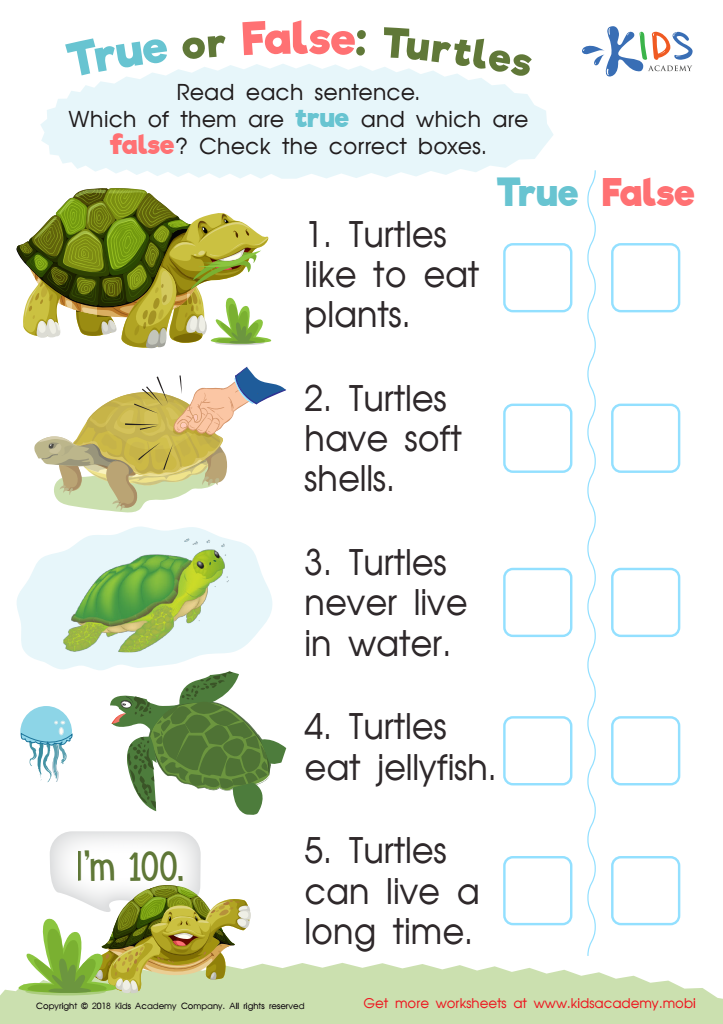
True or False: Turtles Worksheet
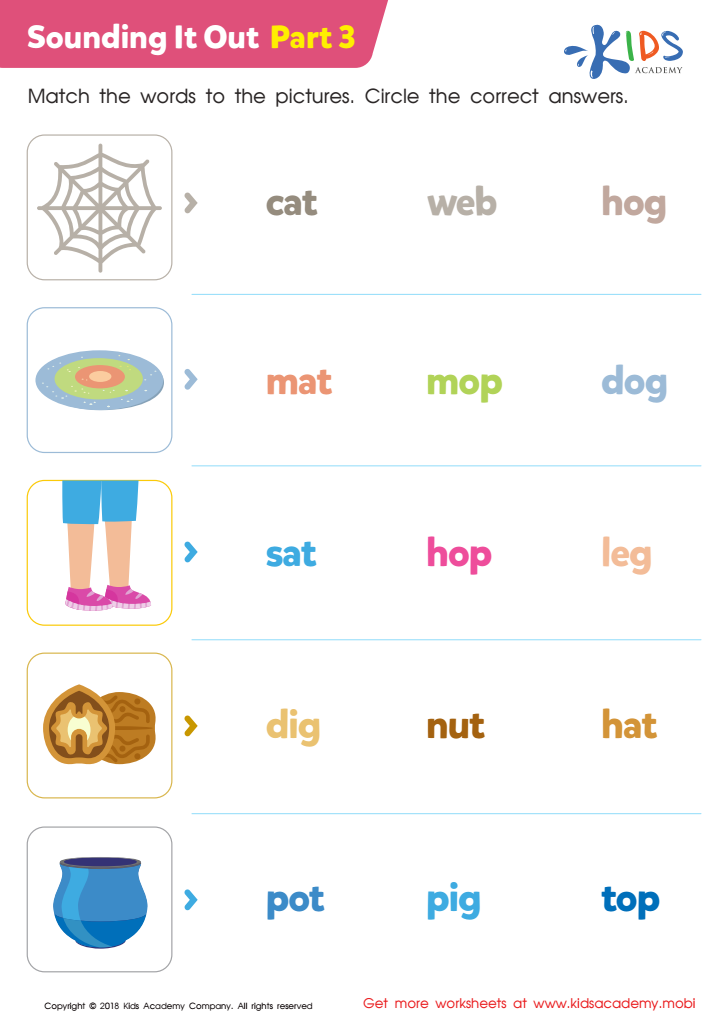
Sounding it Out: Part 3 Worksheet
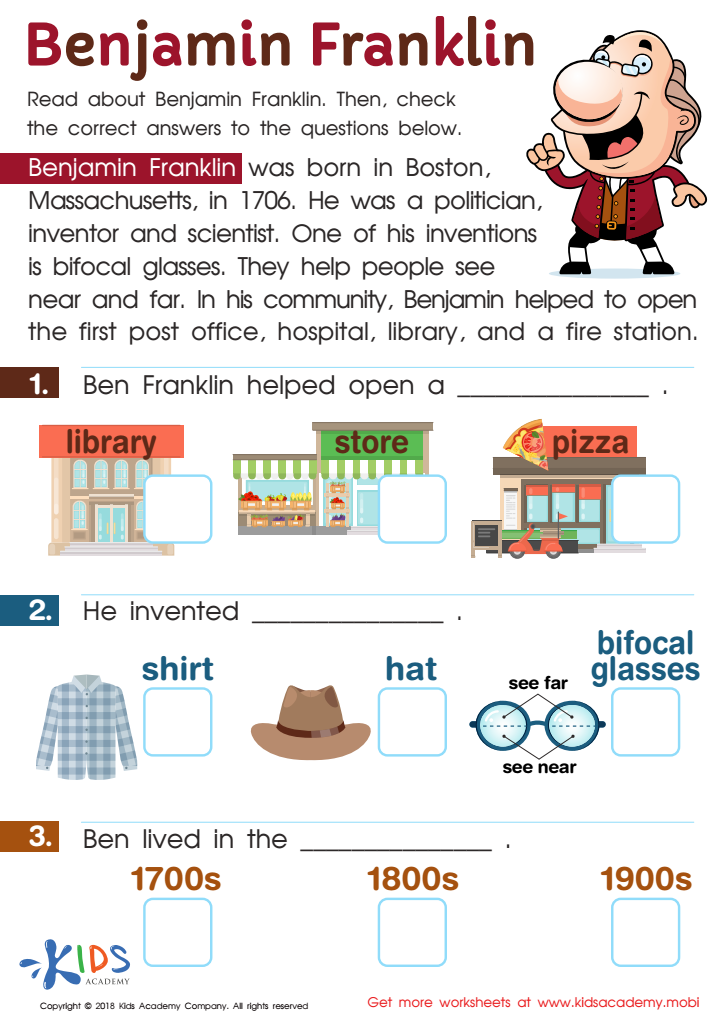
Benjamin Franklin Worksheet
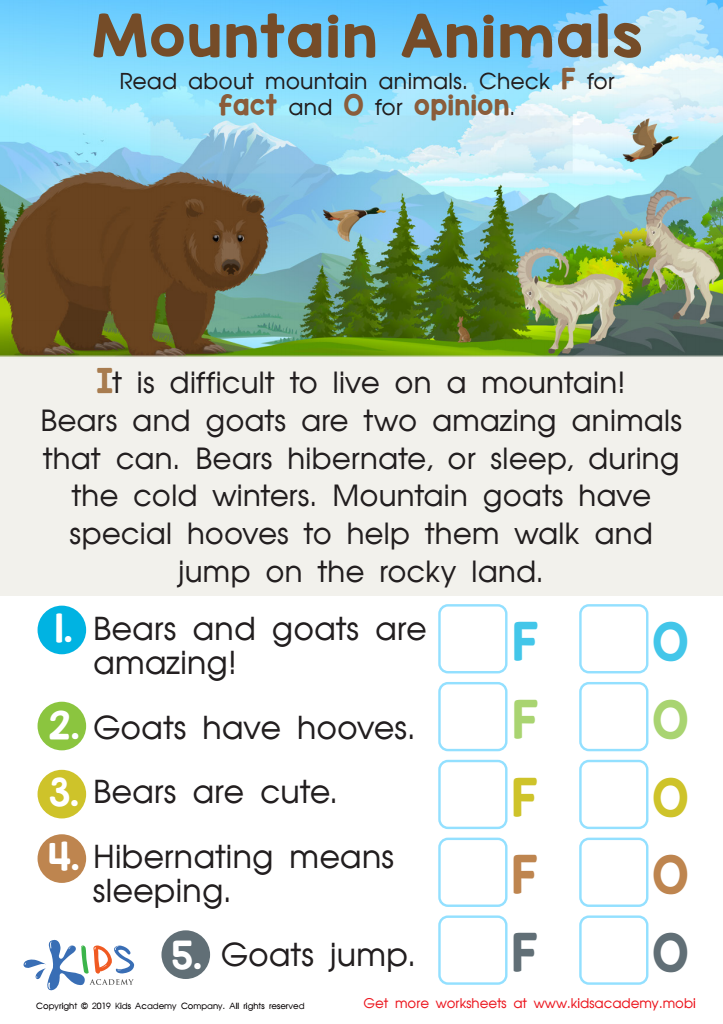
Mountain Animals Worksheet
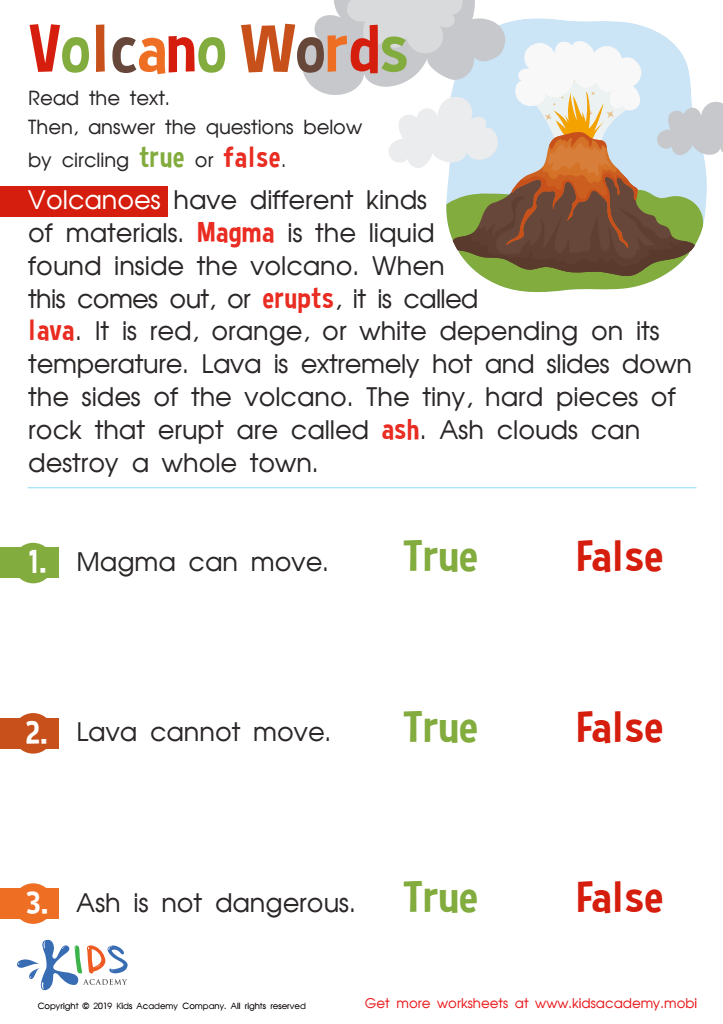
Volcano Words Worksheet
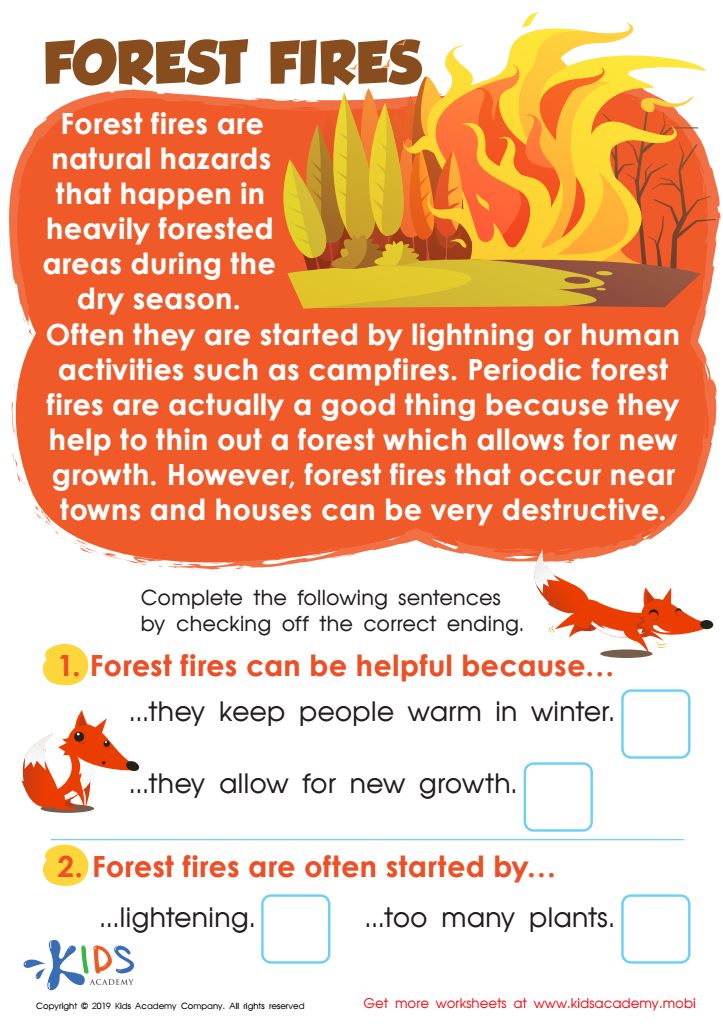
Forest Fires Worksheet
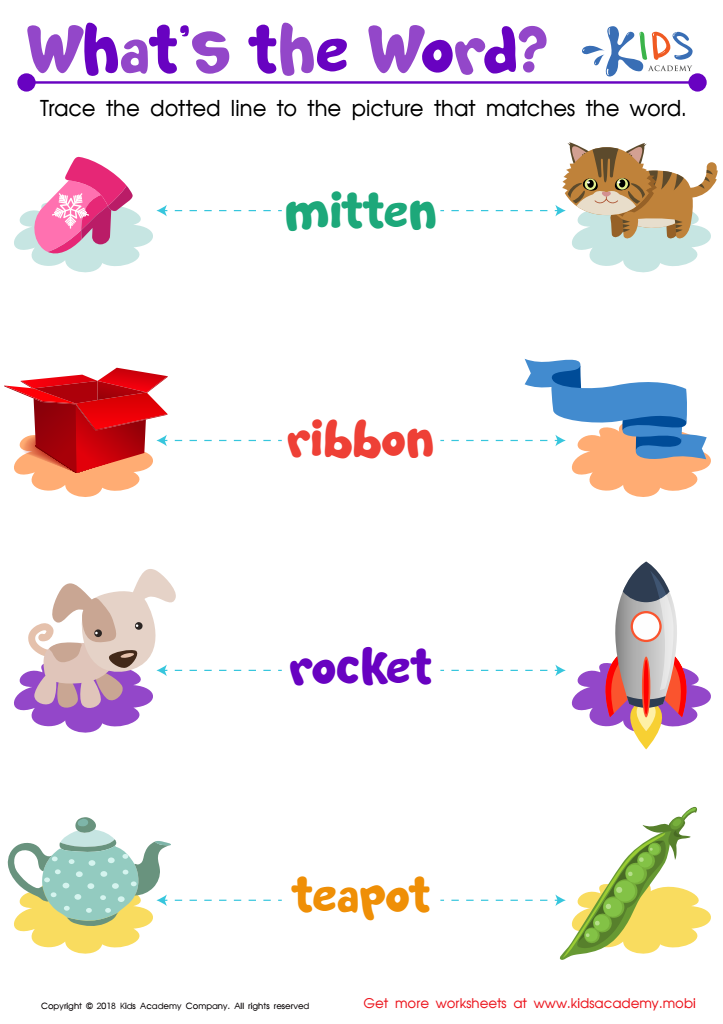
Reading: What's Word Worksheet
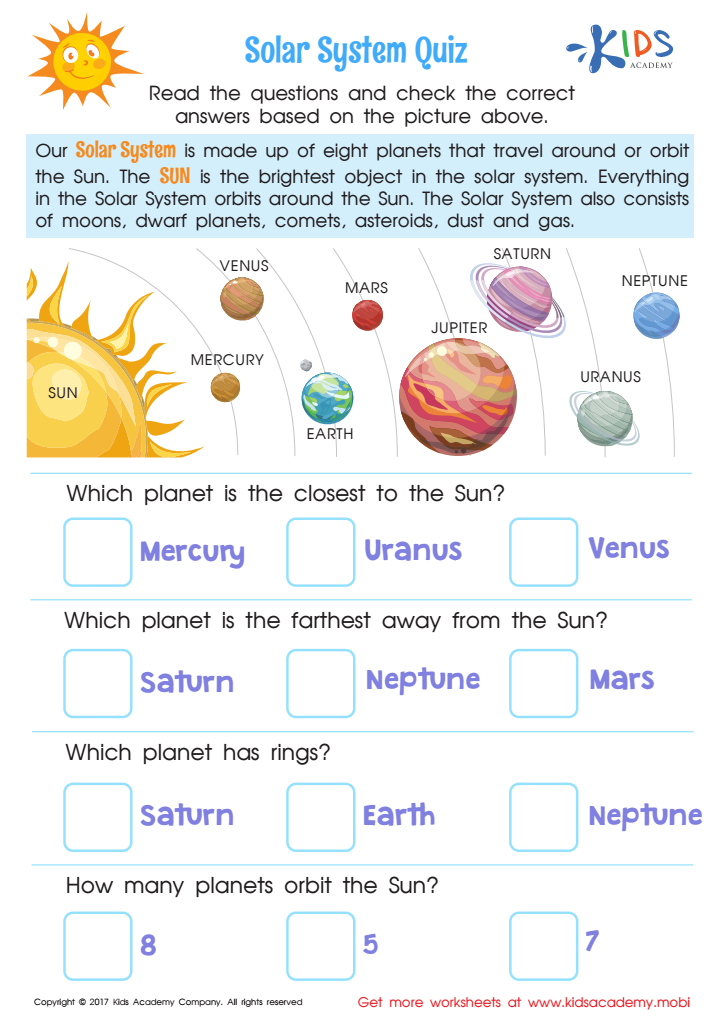
Solar System Quiz Printable
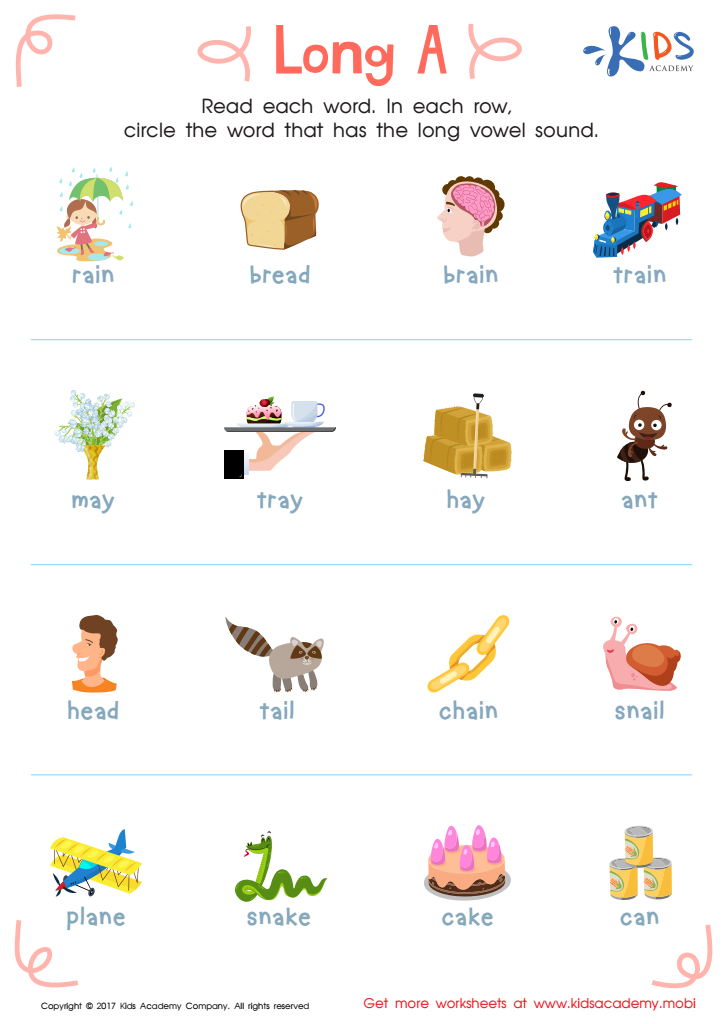
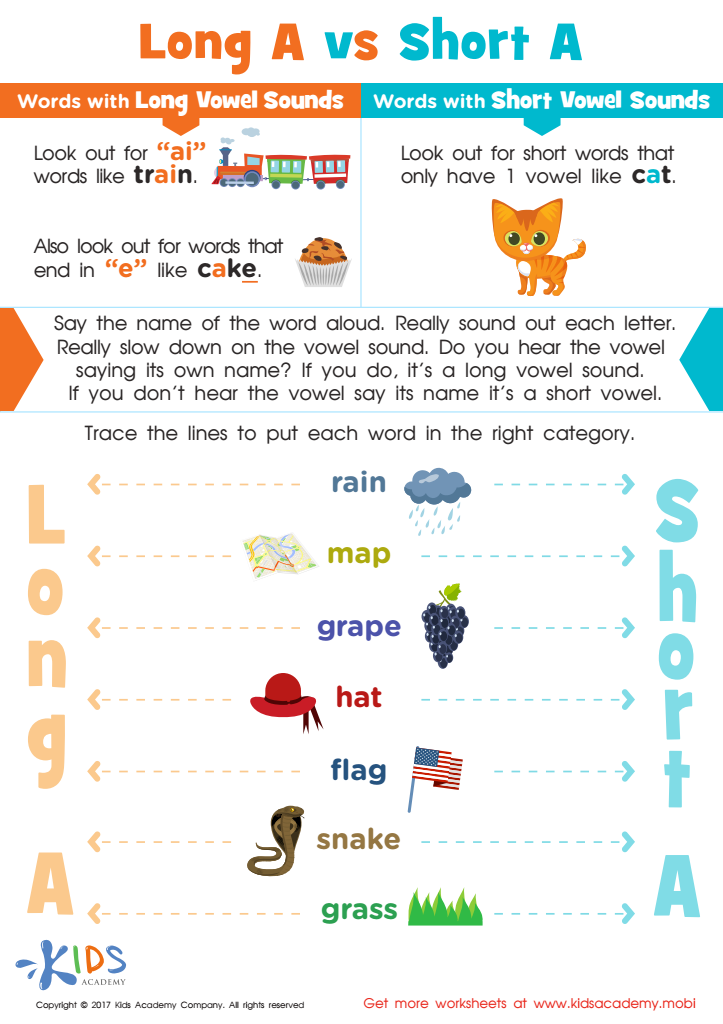
Long and Short Vowel A Spelling Worksheet



.jpg)



Reading practice for children aged 3-8 is crucial for their developmental and academic success. During these early years, children are like sponges, absorbing language and literacy skills that will form the foundation for their future learning. Engaging in regular reading activities helps enhance vocabulary, comprehension, and critical thinking skills, enabling children to better express themselves and make sense of the world around them.
Additionally, reading practice fosters a love of literature and learning, making children more likely to become lifelong readers, which is directly linked to increased academic performance. This period is also when children develop phonemic awareness, crucial for decoding written language, an essential skill for future reading fluency and success.
Moreover, reading together strengthens the bond between parents, teachers, and children. It creates valuable shared experiences that can boost a child's confidence and social skills. Encouraging a reading routine at home or in the classroom not only nurtures cognitive growth but also instills a sense of curiosity and imagination in children.
Ultimately, fostering a strong reading habit in early childhood pays lifelong dividends, setting the stage for academic achievement and a deeper understanding of the world. Parents and teachers play a pivotal role in encouraging and monitoring this vital practice.








