Enhance your child's learning with Sequencing Skills Worksheets designed for ages 3-8! Our engaging and interactive worksheets promote essential skills like understanding order, following directions, and critical thinking. Children will love exploring colorful illustrations and varied activities that make sequencing fun and intuitive. These worksheets are perfect for home learning and classroom use, ensuring that kids grasp the fundamentals of sequencing in an enjoyable way. Ideal for developing cognitive skills, each worksheet can be customized to different learning levels, making it a perfect resource for educators and parents alike. Start fostering your child's sequencing abilities today!

Check out this FREE "Sequencing Skills" Trial Lesson for age 3-8!

Compare and Contrast Two Texts

Favorites
With answer key
Interactive
  • 3-8
  • Sequencing Skills
  • Normal
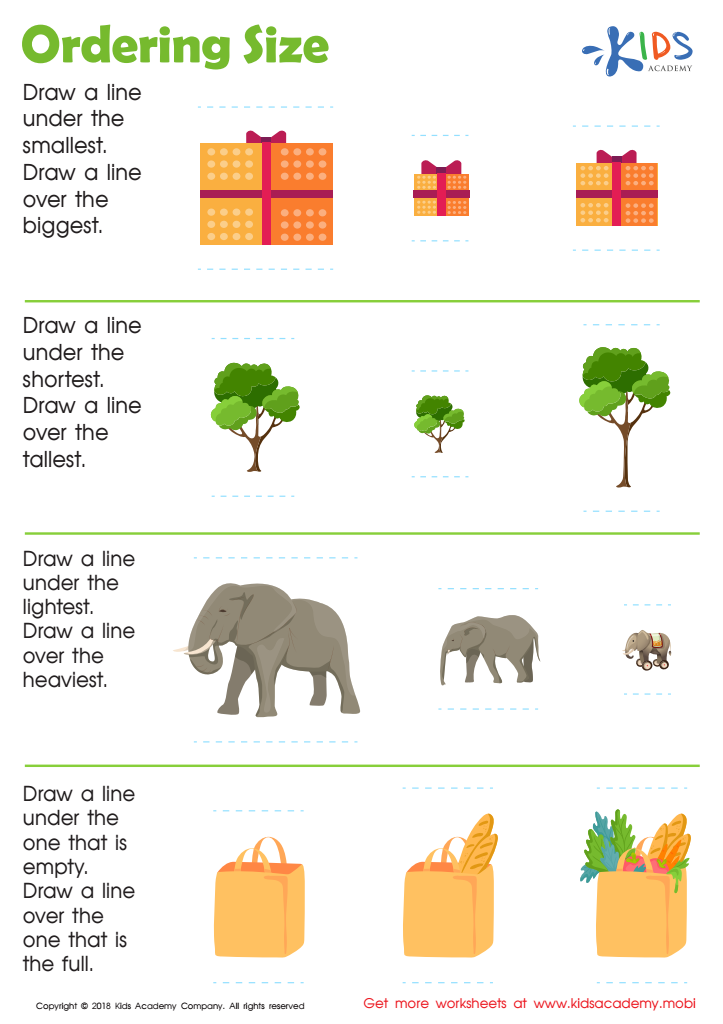
Ordering Size Worksheet

Ordering Size Worksheet

This worksheet helps students practice mathematical vocabulary related to size and quantity. Children look at pictures and draw a line to the objects that are taller, shorter, big, small, light, heavy, empty or full. The teacher can quickly check students' understanding of these measurement terms and then ask for examples of their own.
Ordering Size Worksheet
Worksheet
Going to the Dentist Worksheet

Going to the Dentist Worksheet

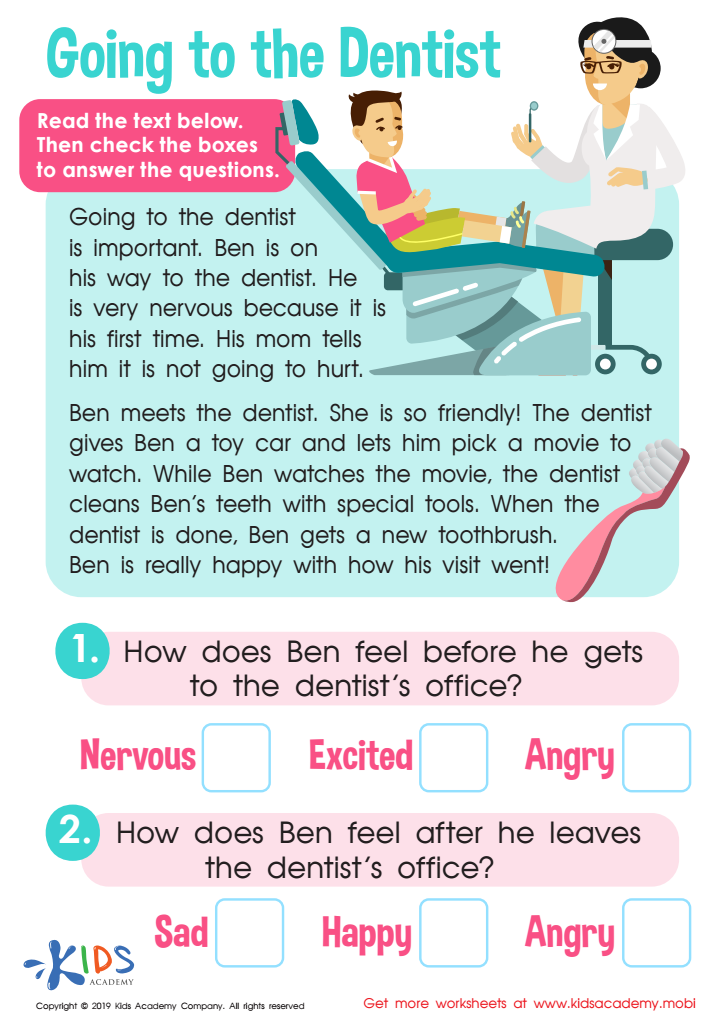
Kids can feel anxious when going to the dentist, but understanding why they go helps them cope. This free text helps them learn, as they read and answer questions about Ben's visit. They'll gain insight into Ben's emotions, while honing their critical thinking skills.
Going to the Dentist Worksheet
Worksheet
Wash Your Hands Worksheet

Wash Your Hands Worksheet

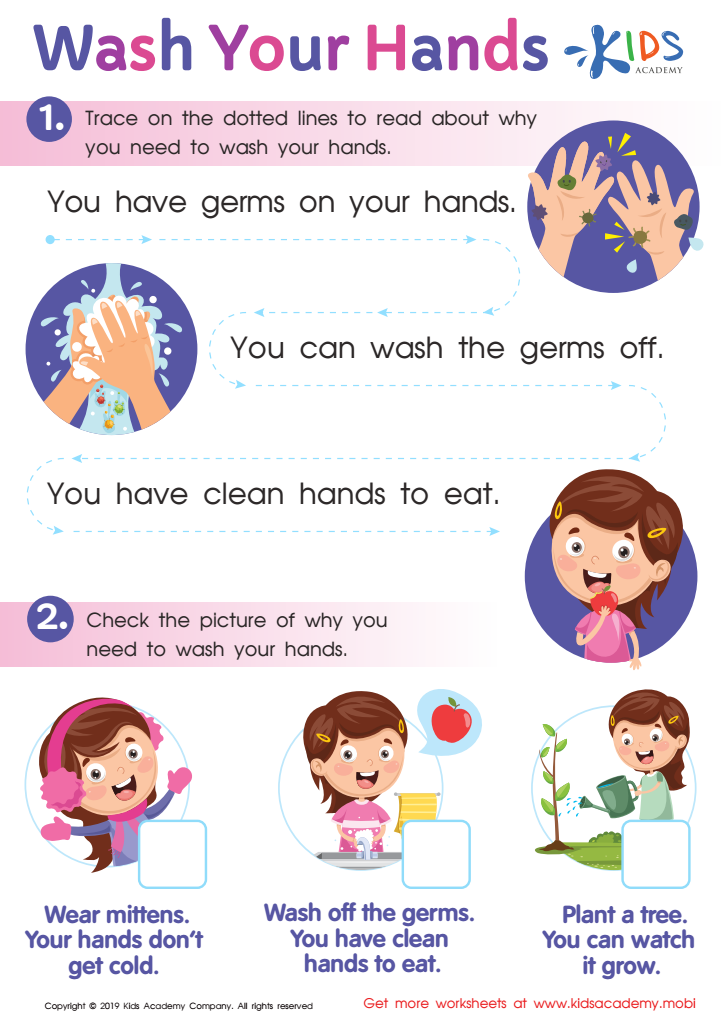
Kids learn best when they understand why they need to do something. This free worksheet uses traceable lines and pictures to teach them about germs and why washing hands is important. The child follows a left-to-right sequence and must check the correct picture to show they understand.
Wash Your Hands Worksheet
Worksheet
Life cycle of a butterfly worksheet pdf

Life Cycle of Butterfly Worksheet

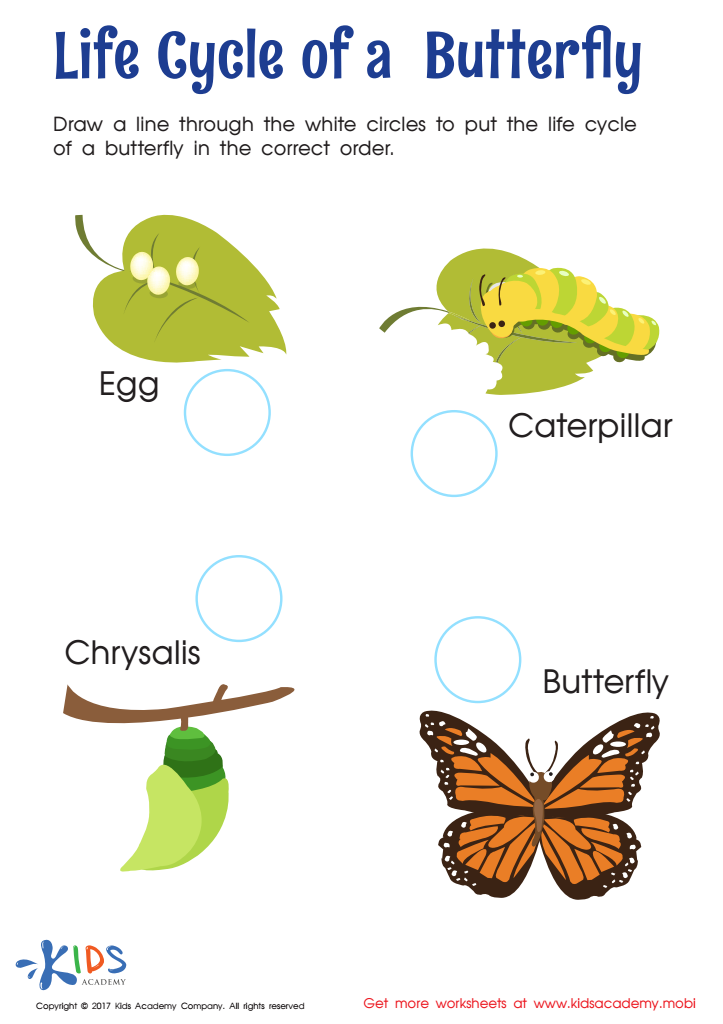
Kids Academy offers an exciting activity – a Life Cycle of a Butterfly Worksheet PDF. It shows four stages in the lifecycle of a butterfly with vivid pictures. Kids put the stages in the correct order to study the lifecycle.
Life Cycle of Butterfly Worksheet
Worksheet
Life Cycle Frog Printable

Life Cycle Frog Printable

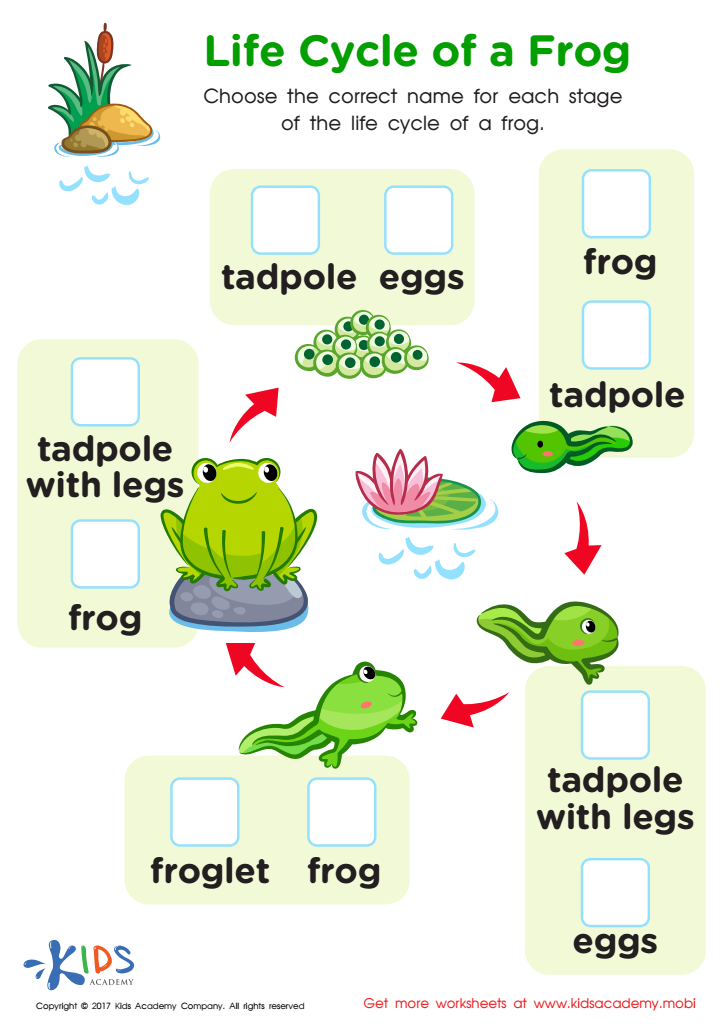
Kids can explore the life cycle of frog with this fun worksheet! Draw lines from one stage to the next to follow the transformation from tadpole to frog and learn about the cycle of life.
Life Cycle Frog Printable
Worksheet
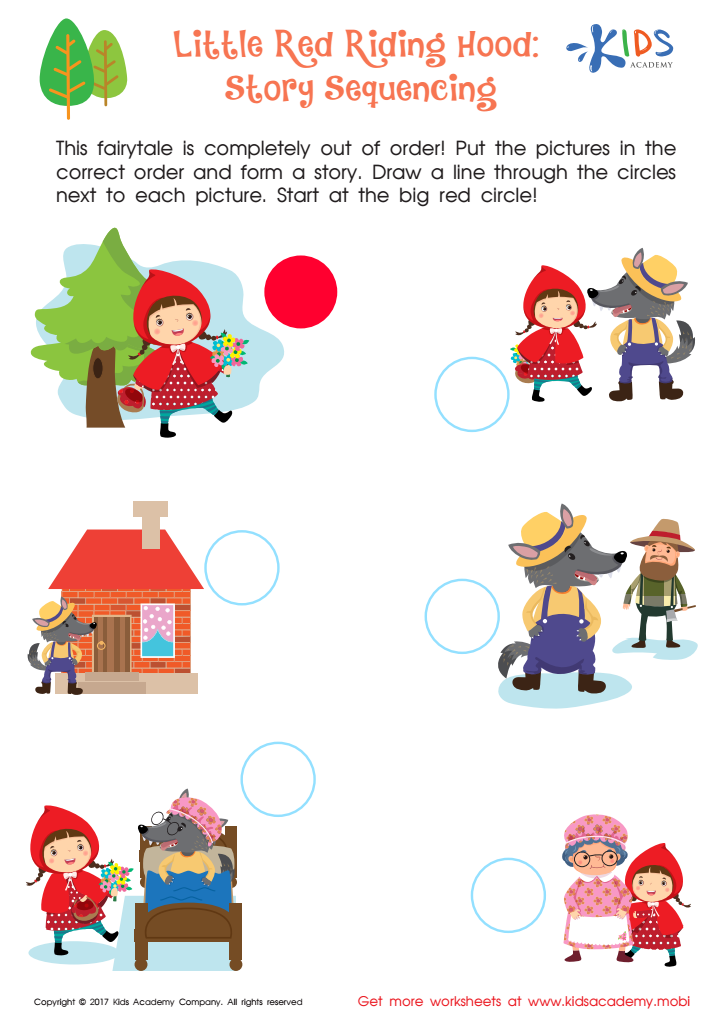
Comprehension Worksheet: Little Red Riding Hood

Story Sequencing Printable

Children must identify story events in sequential order to build a better understanding of plot. Help your child learn how to understand plot with this fun comprehension worksheet: Little Red Riding Hood! Guide them to identify story events and order them correctly to boost their reading skills.
Story Sequencing Printable
Worksheet
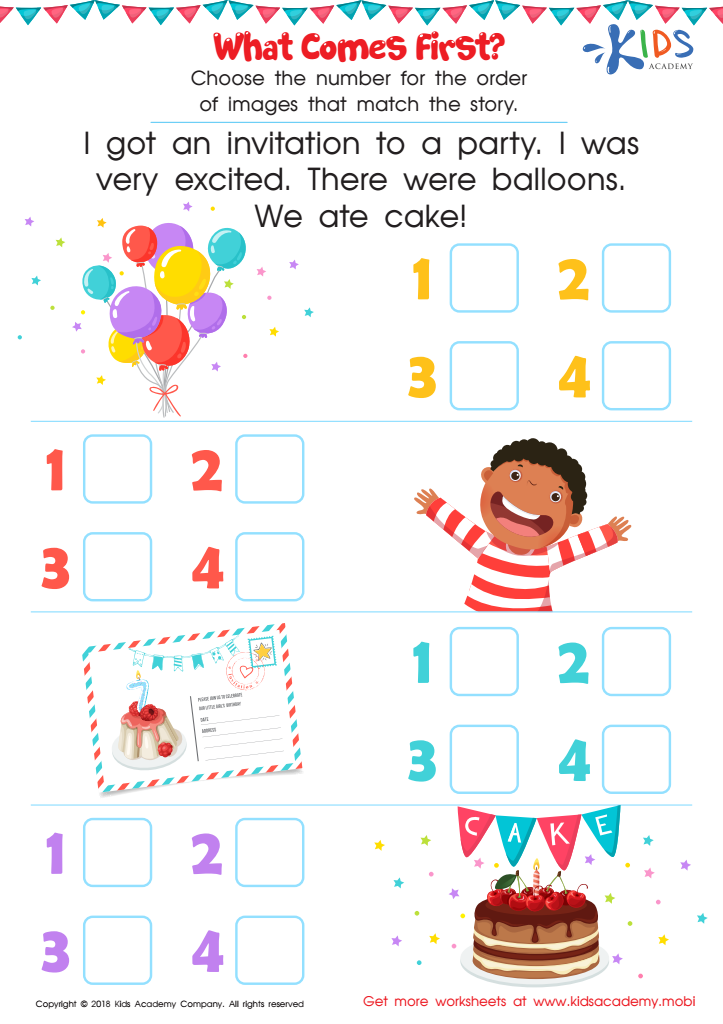
What Comes First Worksheet

What Comes First Worksheet

Before you start, ask your child what they see in the picture. Read the story aloud together, then show them the images in order, numbered 1-5. Ask them to choose the numbers that match the story. Have fun and enjoy this party worksheet with your little one! (80 words)
What Comes First Worksheet
Worksheet


Sequencing skills are crucial for children aged 3 to 8, as they serve as foundational elements for successful learning and development. These skills enable children to recognize and understand the order of events, an important cognitive ability that supports language development, critical thinking, and problem-solving. When children can sequence experiences or narrate stories, they improve their comprehension and literacy skills, laying the groundwork for reading and writing.

For parents and teachers, fostering sequencing skills can lead to enhanced academic outcomes and better communication skills. For example, activities that involve sequencing—like telling stories, following step-by-step instructions in cooking, or arranging pictures—help boost children's memory and attention to detail. Moreover, mastering sequencing can greatly increase children's independence by enabling them to organize their daily routines or tasks efficiently.

Beyond academics, sequencing skills also contribute to social-emotional development by helping children understand cause and effect, which is essential for building relationships and resolving conflicts. Thus, engaging children in activities that promote sequencing not only enriches their learning experience but also equips them with life skills crucial for their overall growth and future success. Ultimately, emphasizing sequencing during these formative years sets a strong foundation for lifelong learning.