Visual Perception Skills Normal Worksheets for Ages 3-8
9 filtered results
-
From - To
Enhance your child's visual perception skills with our engaging worksheets designed specifically for ages 3-8. These thoughtfully crafted activities help young learners recognize shapes, colors, and patterns while improving their hand-eye coordination. Our visual perception skills worksheets are perfect for both home and classroom use, encouraging exploration and creativity as children complete various fun exercises. With a focus on normal visual development, these resources support key learning milestones and foster critical thinking. Ideal for early grade teachers and parents alike, download our printable worksheets today and empower your child’s cognitive growth through enjoyable hands-on learning experiences!
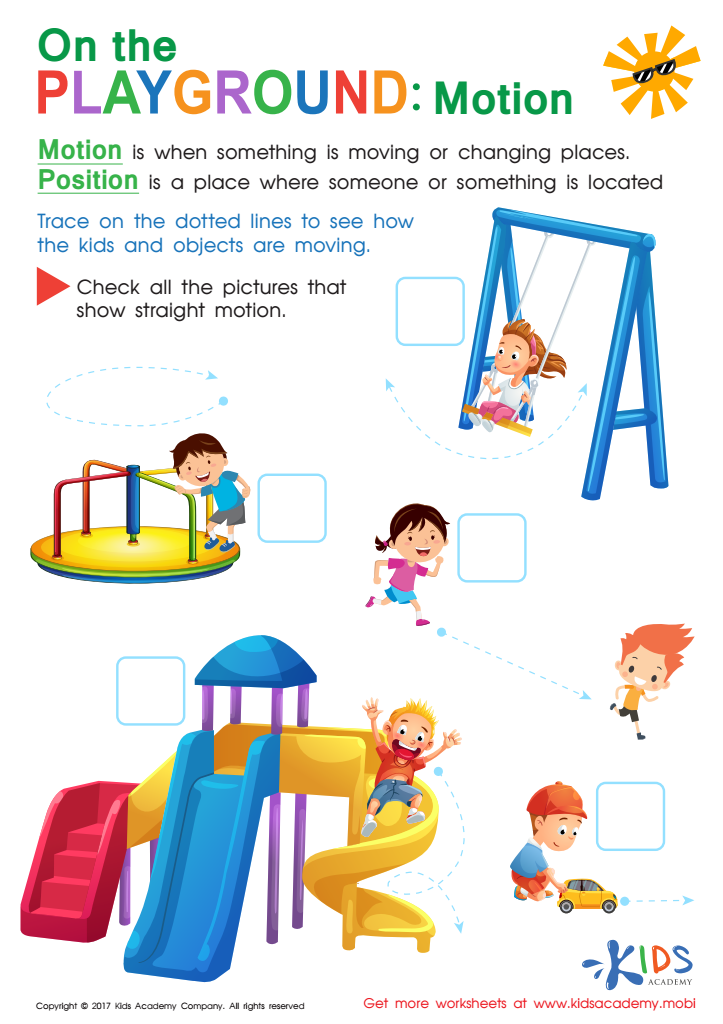
Position and Motion Worksheet
 Assign to My Students
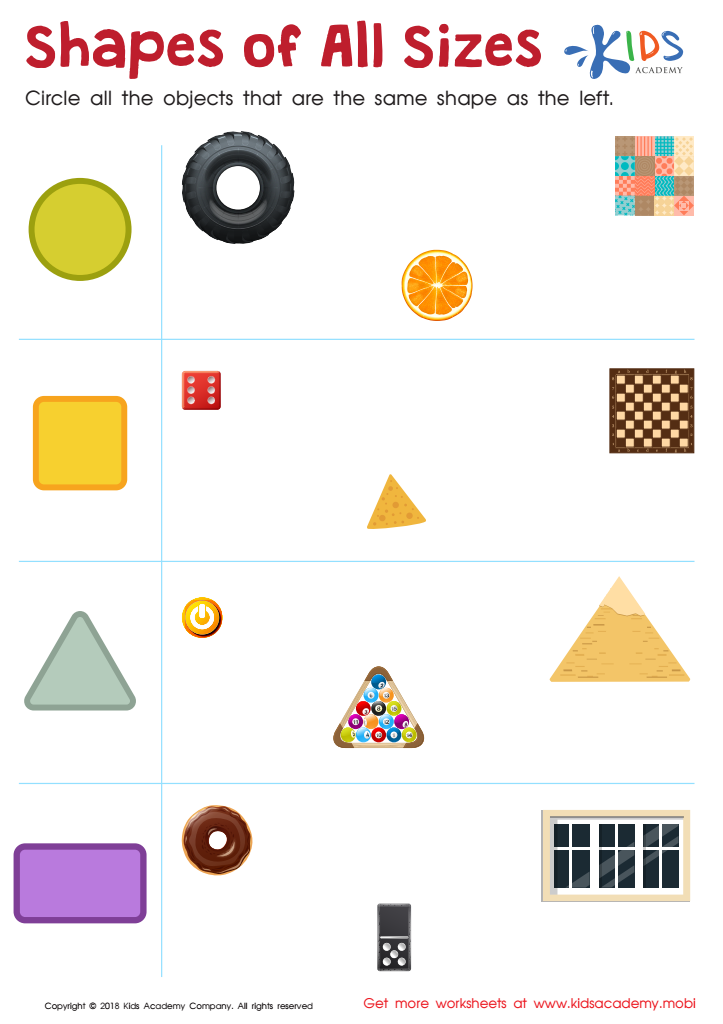
Shapes of All Sizes Worksheet
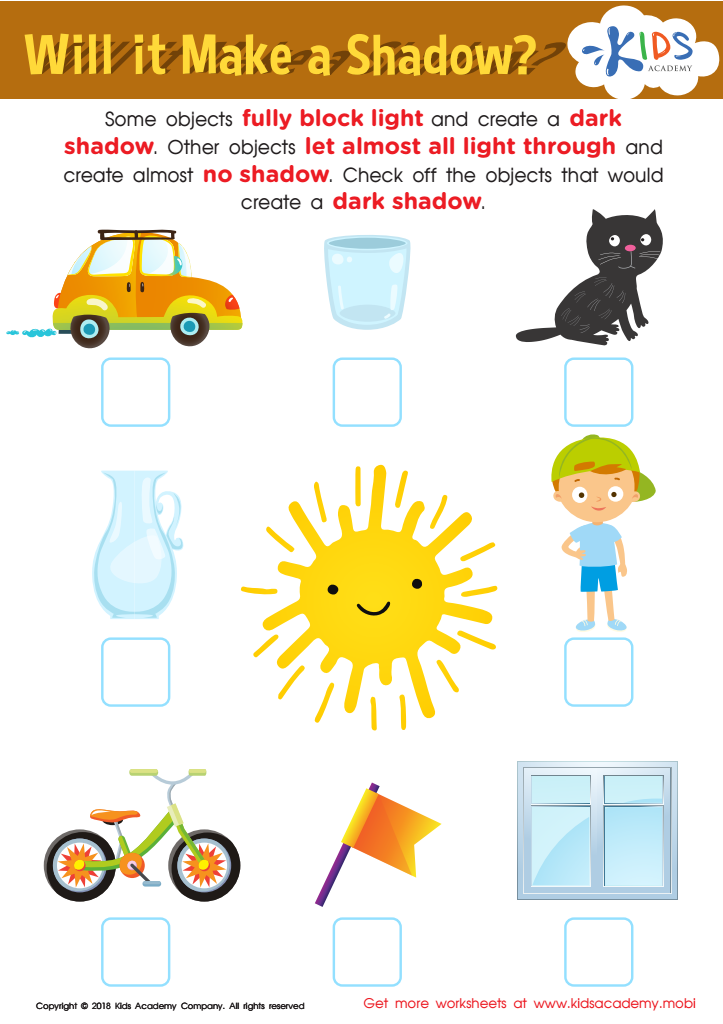
Will It Make a Shadow? Worksheet
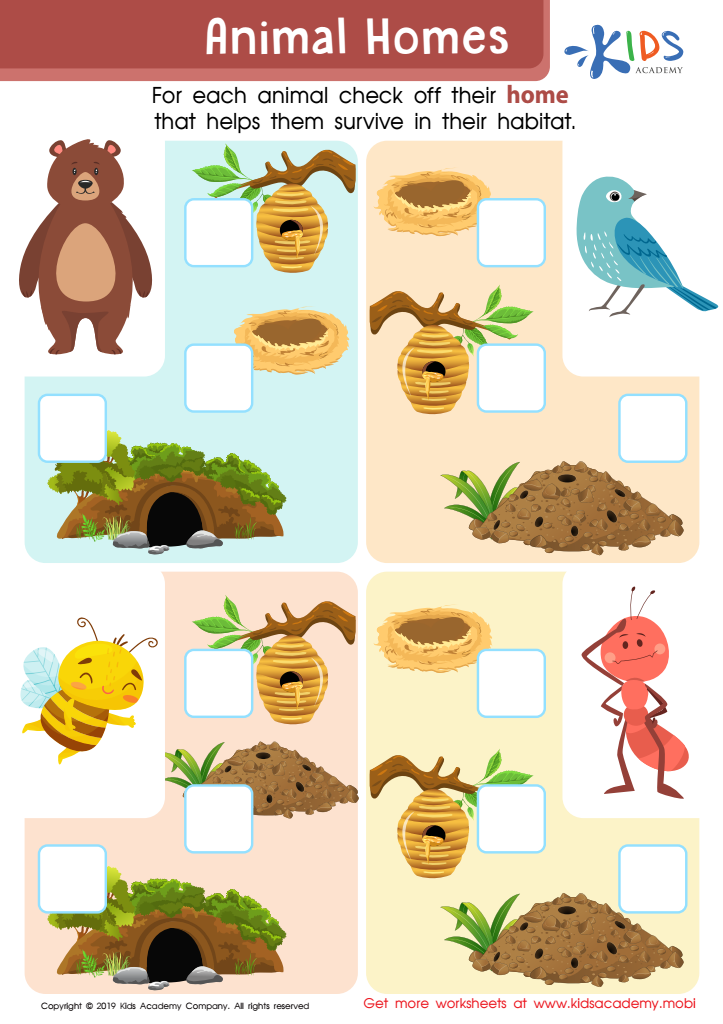
Animal Homes Worksheet
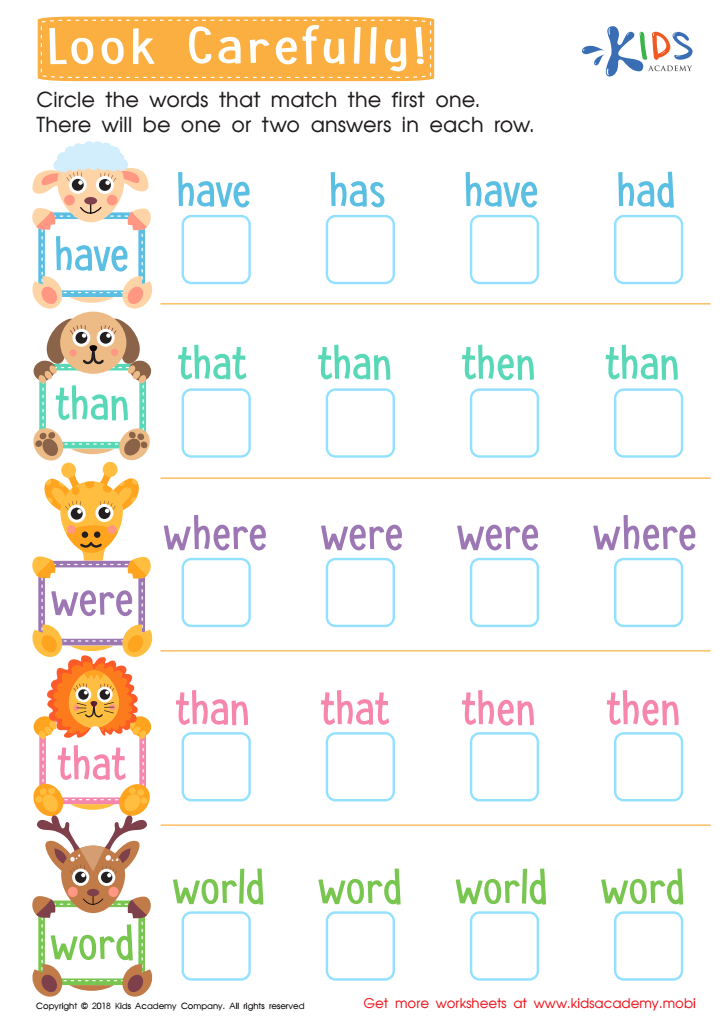
Look Carefully Worksheet
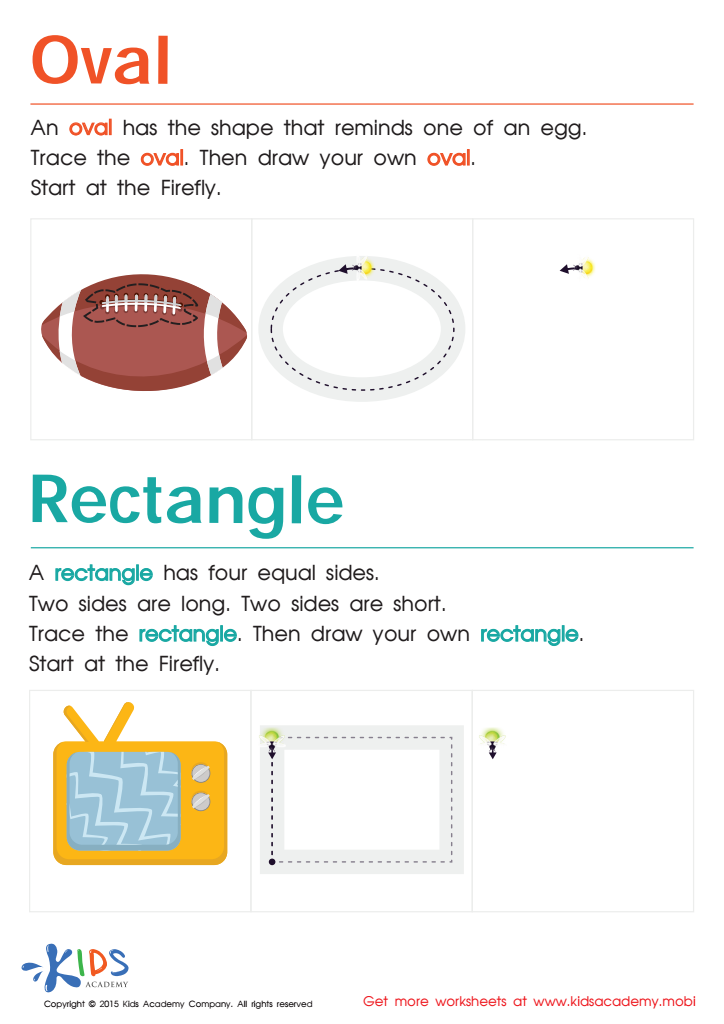
Easy Drawing of Ovals And Rectangles Worksheet
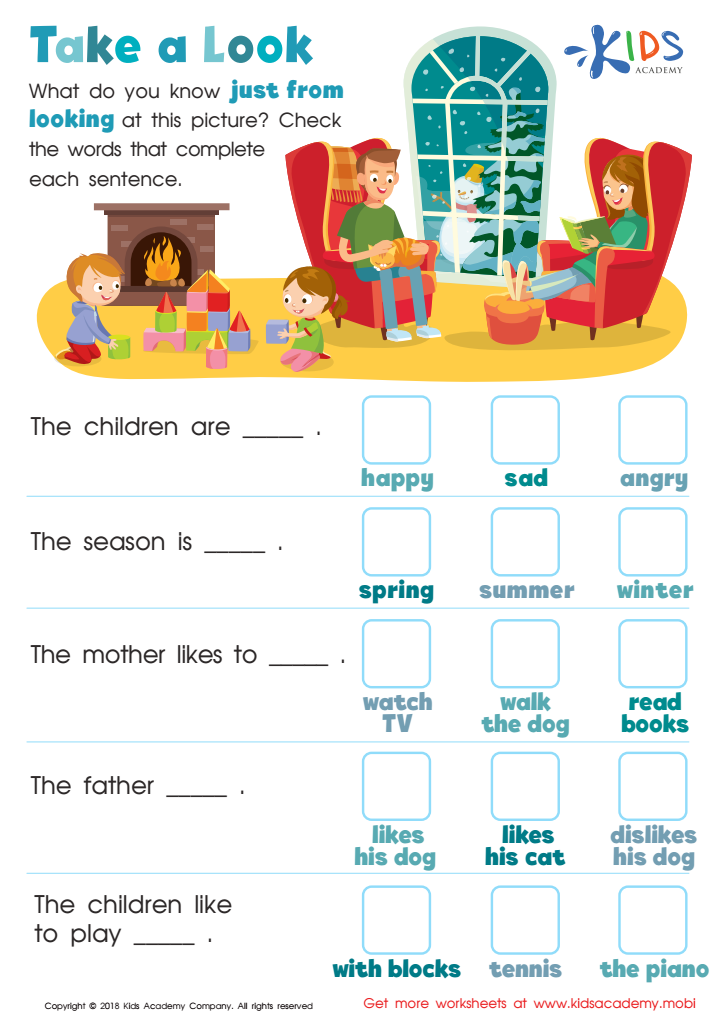
Take a Look - Part 1 Worksheet
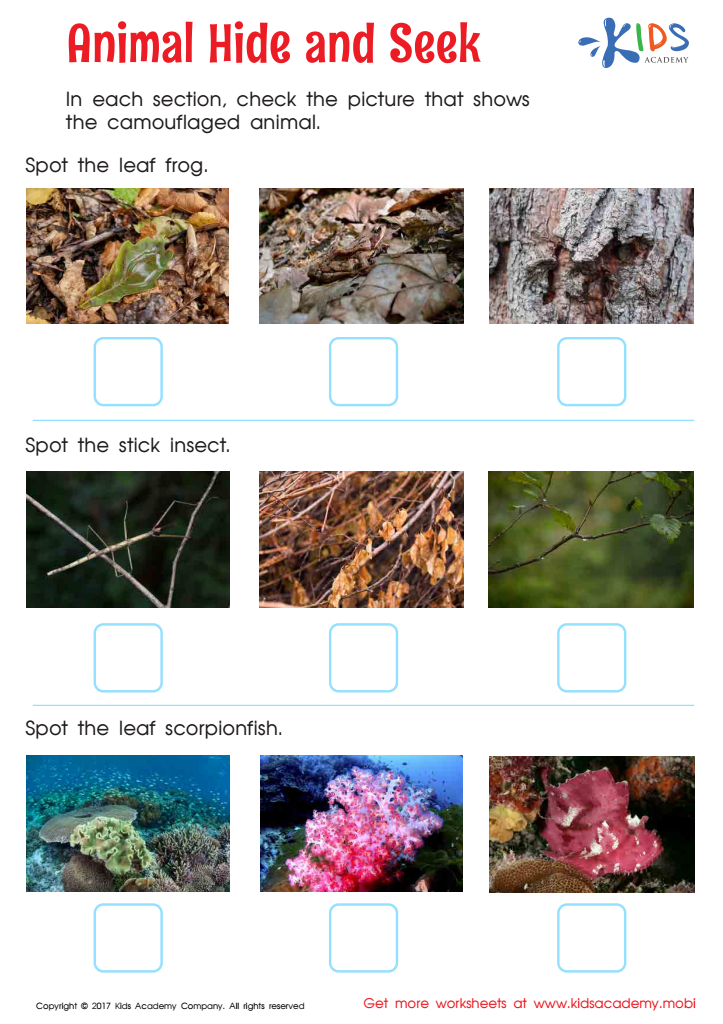
Animal Hide and Seek Worksheet
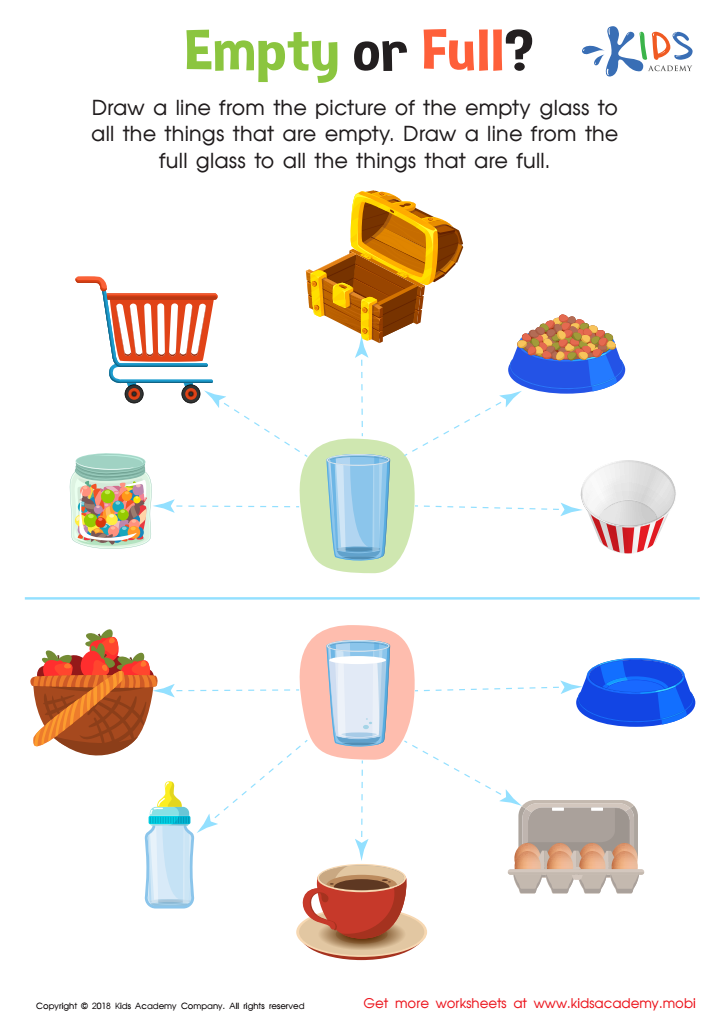
Empty or Full? Worksheet




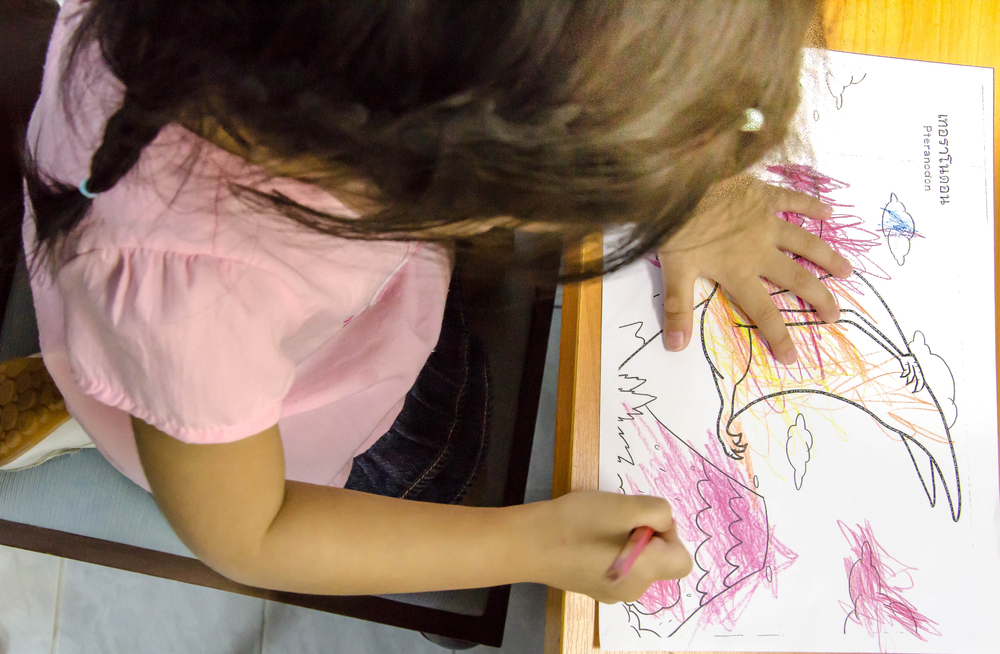


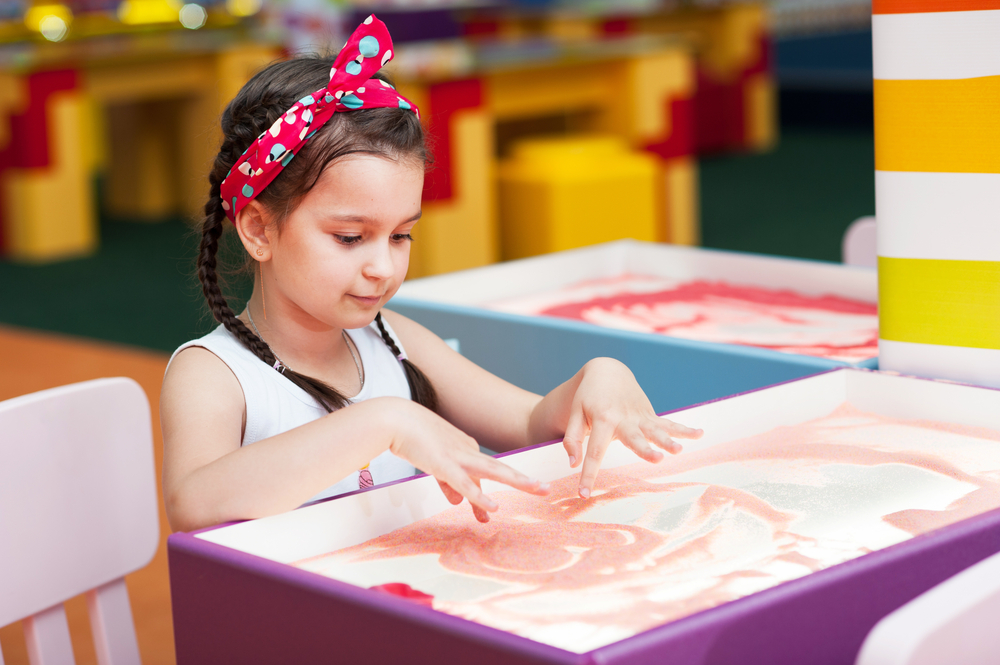
Parents and teachers should prioritize visual perception skills in children aged 3-8 as these abilities are foundational for learning and development. Visual perception skills involve the brain's ability to interpret and make sense of what the eyes see, which is crucial for effective communication, reading, writing, and mathematical skills. Young children are in a critical stage of cognitive development, and strong visual perception can enhance their ability to recognize shapes, letters, numbers, and overall spatial awareness.
Moreover, children with strong visual perception skills tend to excel in activities that require fine motor coordination, such as drawing, cutting, and building. These skills also support problem-solving and critical thinking, enabling children to approach tasks more confidently. If visual perception skills are weak, it can lead to difficulties in academic achievement and affect self-esteem, causing frustration in both learning and social interactions.
Fostering these skills through fun activities like puzzles, matching games, and sorting tasks helps create a rich learning environment. Additionally, early intervention can aid children who may struggle, ensuring they develop the necessary skills for successful lifelong learning. Understanding the importance of visual perception in early childhood instills better strategies to support children’s growth and competencies.








