Writing practice Normal Worksheets for Ages 3-8
13 filtered results
-
From - To
Enhance your child's writing skills with our engaging Writing Practice Normal Worksheets for Ages 3-8. Perfectly designed for early learners, these worksheets offer a fun and interactive way to help children develop their handwriting and fine motor skills. Covering various topics and concepts, each worksheet caters to different learning levels, ensuring that kids stay motivated and challenged. Our resources encourage creativity and creativity while reinforcing essential foundational writing skills. Whether at home or in the classroom, these printable worksheets provide parents and educators with the tools they need to support young learners on their writing journey. Start building confidence in writing today!
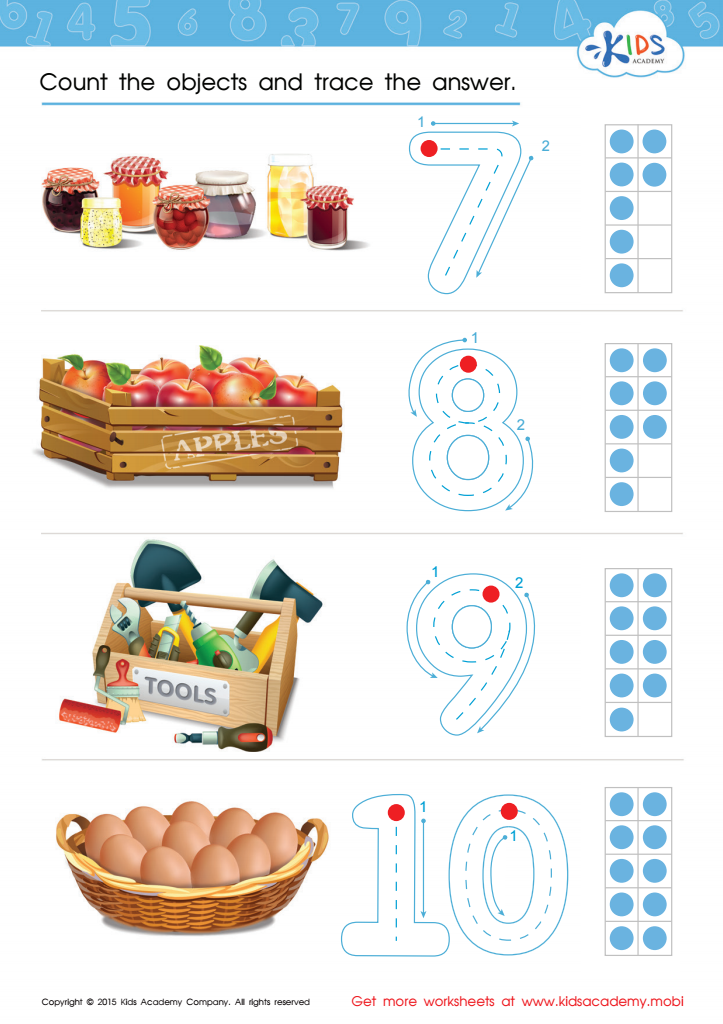
Count and Trace 7 – 10 Worksheet
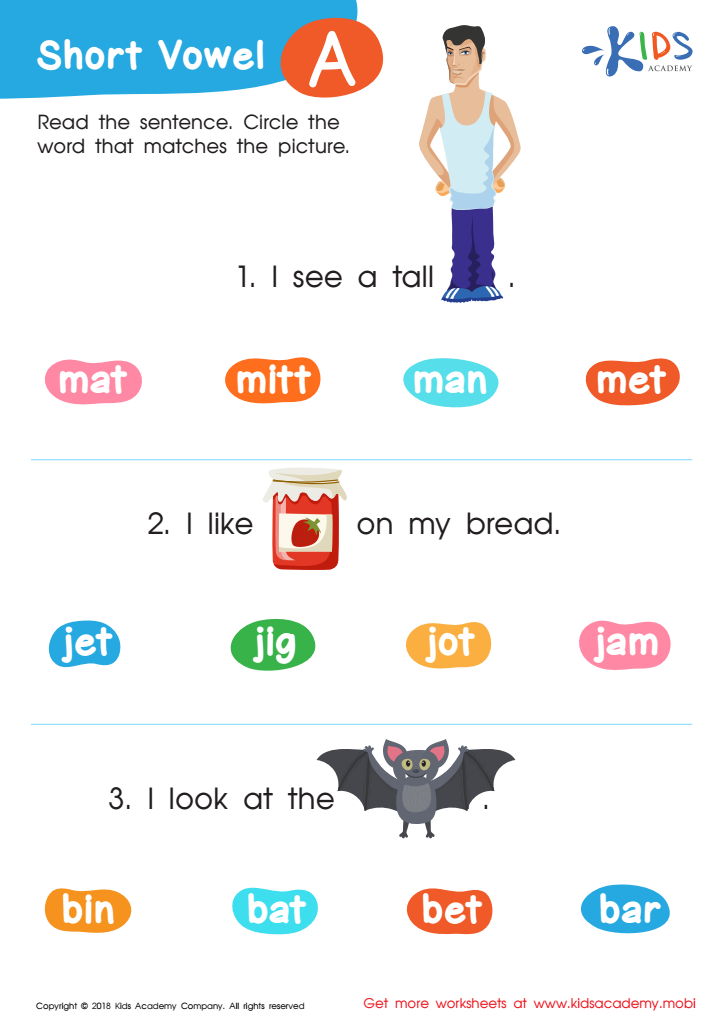
Short Vowel /a/ Worksheet
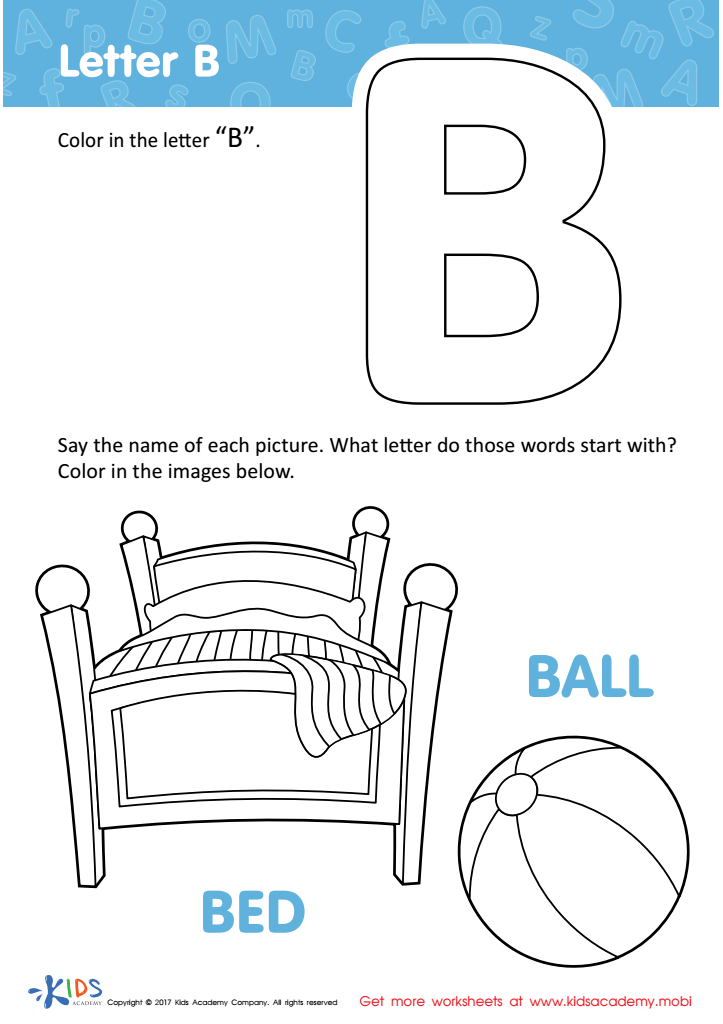
Letter B Coloring Sheet
 Assign to My Students
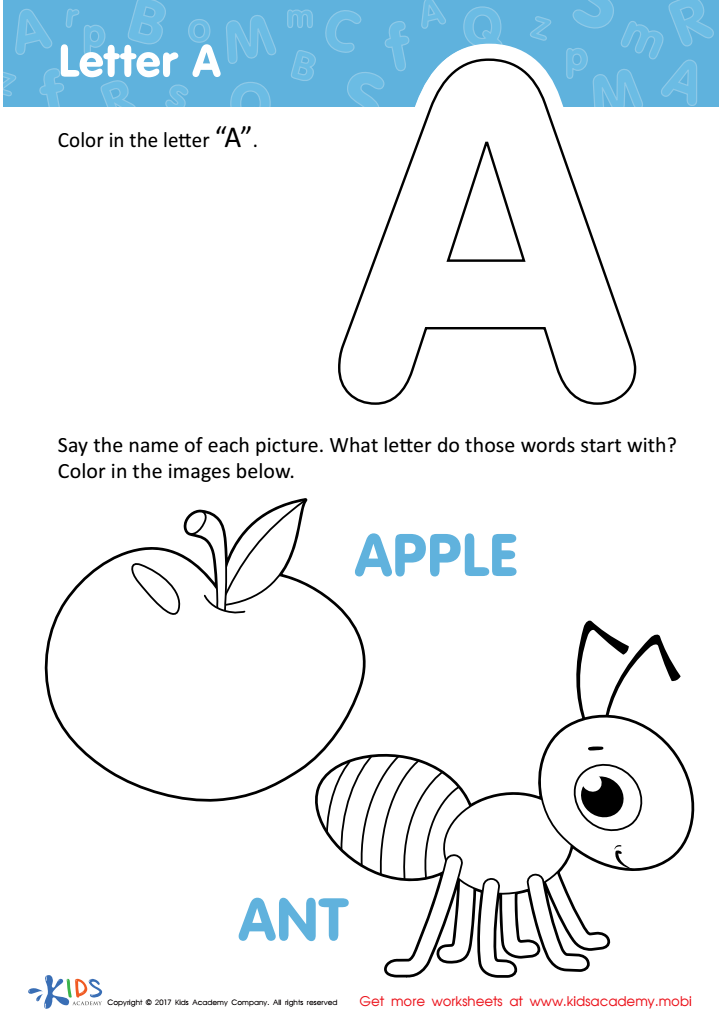
Letter A Coloring Sheet
Assign to My Students

Letter H Tracing Page
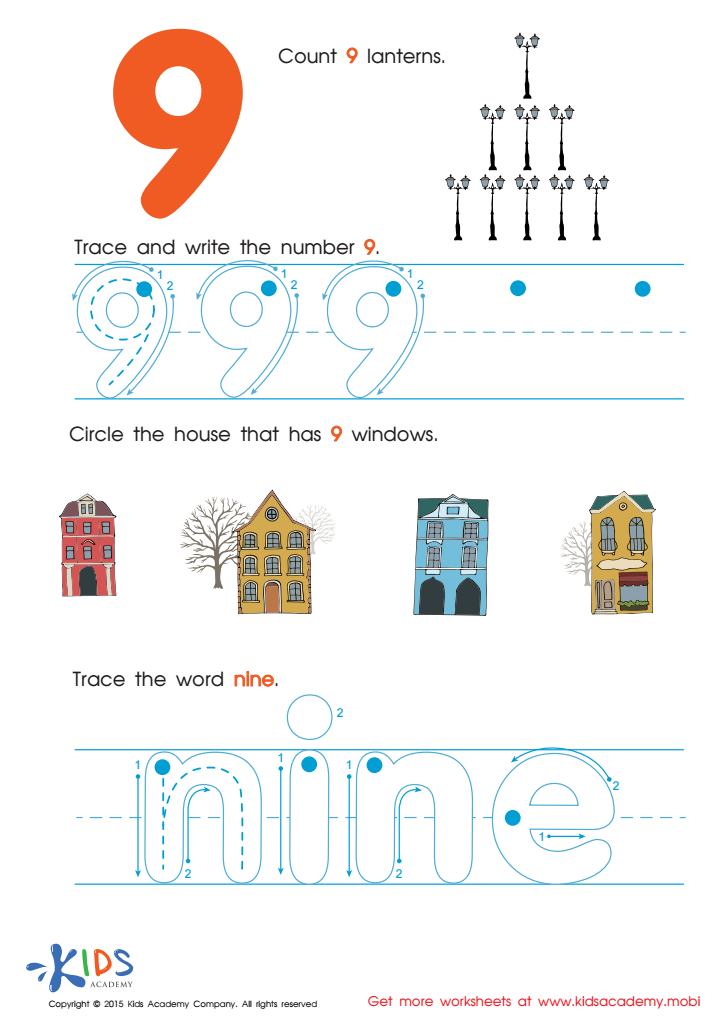
Tracing And Learning to Write Number 9 Worksheet
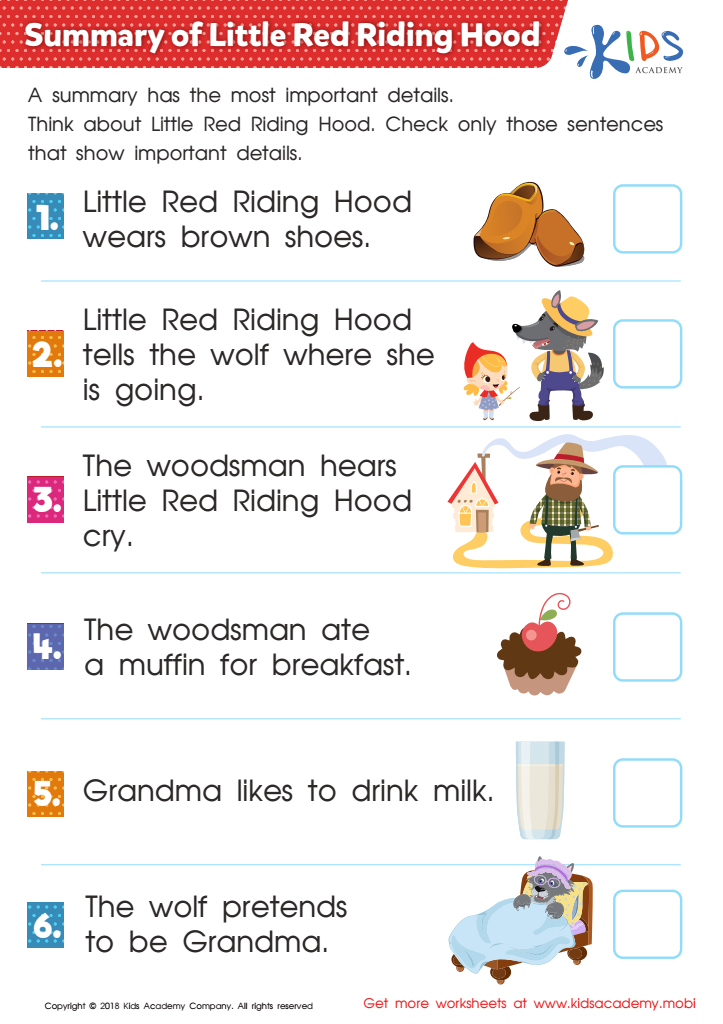
Summary of Little Red Riding Hood Worksheet
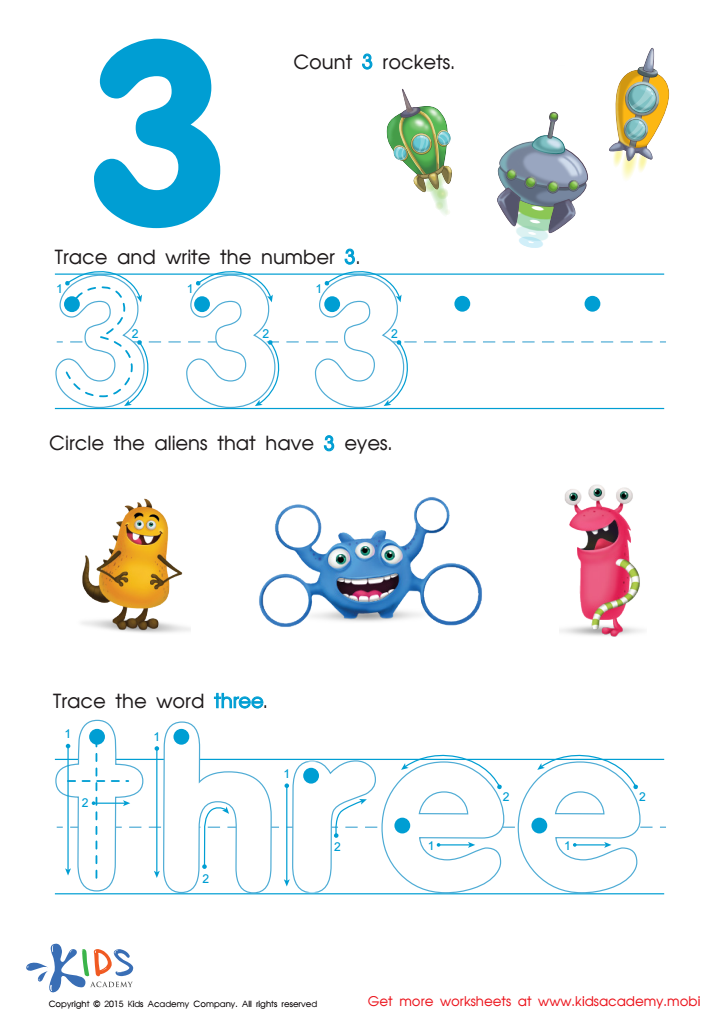
Learning Number Three Worksheet
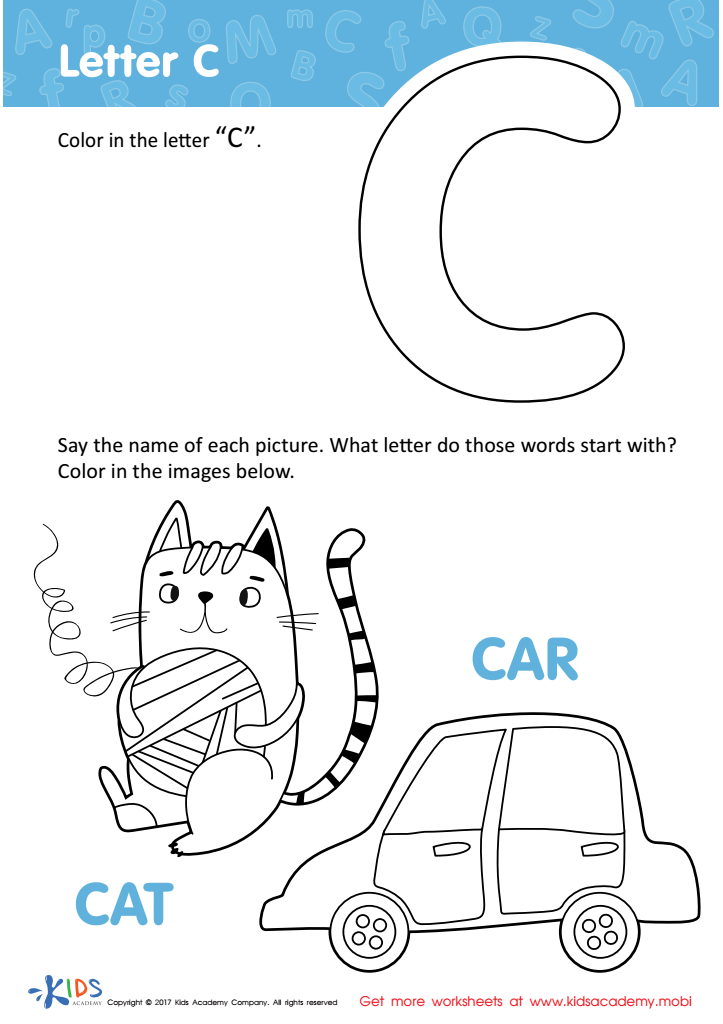
Letter C Coloring Sheet
Assign to My Students
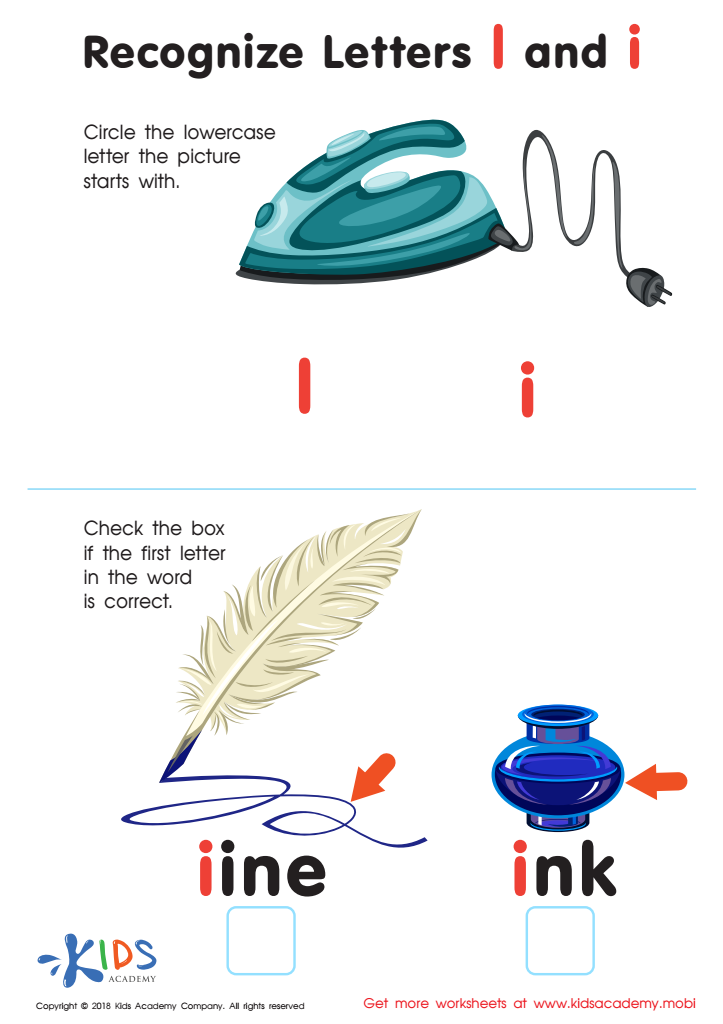
Recognize Letters l and i Worksheet
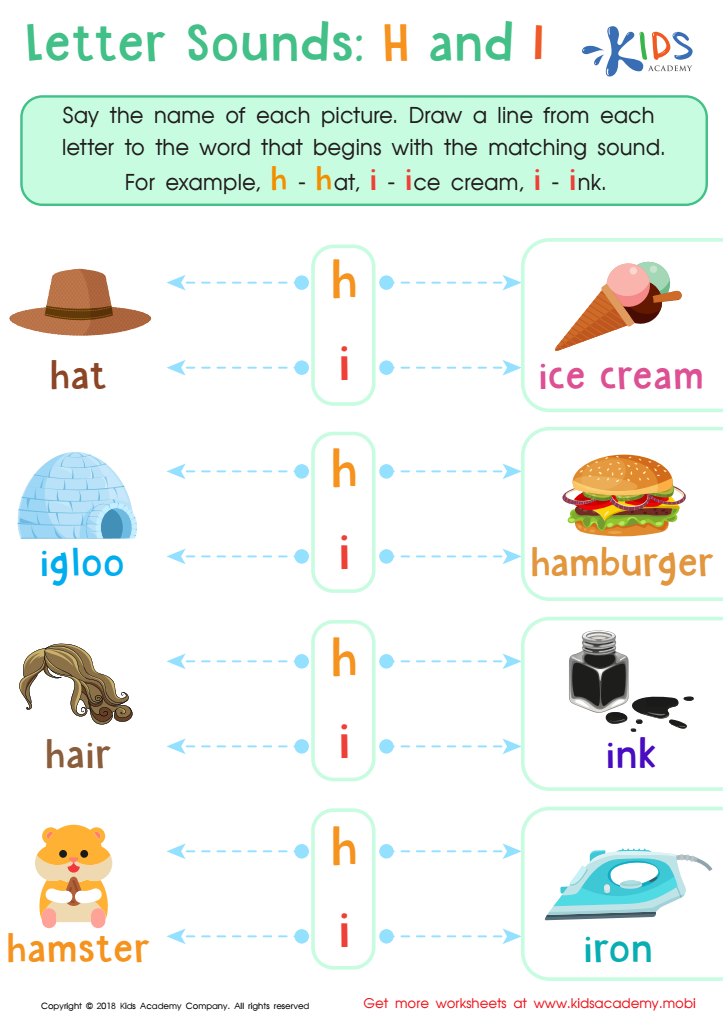
Letter H and I Sounds Worksheet
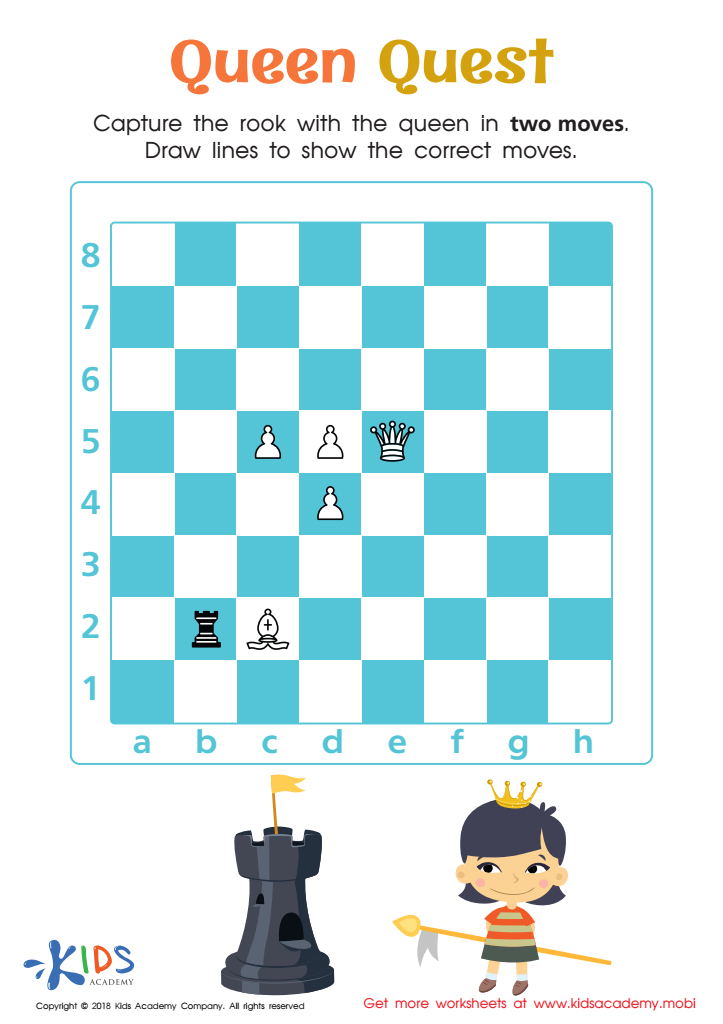
Queen Quest Worksheet
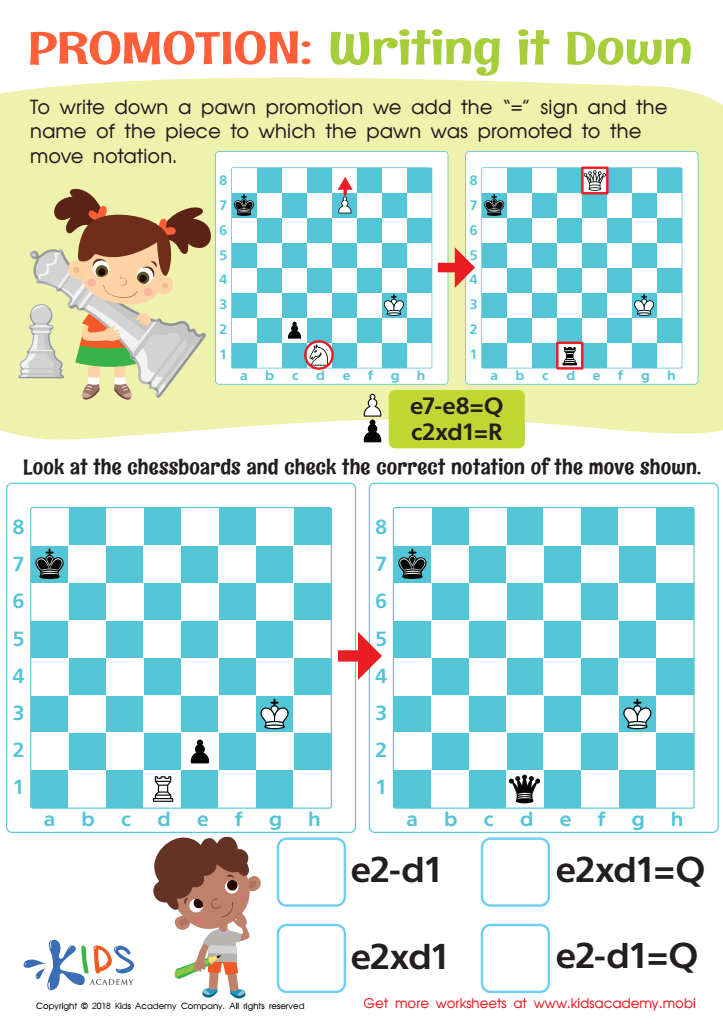
Writing it Down Worksheet







Writing practice is essential for children aged 3-8, as it plays a vital role in their cognitive, motor, and social-emotional development. At this age, children are developing their fine motor skills, which are crucial for writing. Engaging in writing activities helps strengthen hand-eye coordination and dexterity, laying the foundation for future academic skills.
Additionally, writing fosters creativity and self-expression. Through writing, children learn to articulate their thoughts, feelings, and ideas, promoting their ability to communicate effectively. This early practice with writing also encourages imaginative thinking and storytelling, skills that are important for their overall language development.
Furthermore, writing practice instills discipline and persistence. As children work on forming letters, spelling words, or composing sentences, they learn the value of effort and dedication. Teachers and parents can turn writing into enjoyable activities, such as journaling or creative storytelling, making it a positive experience.
Finally, early writing skills significantly impact later literacy successes. Research shows that children who engage in writing at a young age tend to perform better in reading and overall academic achievements. Therefore, prioritizing writing practice during these formative years is crucial for nurturing well-rounded, capable learners.








