Counting practice Normal Addition & Subtraction Worksheets for Ages 3-8
8 filtered results
-
From - To
Enhance your child's math skills with our Counting Practice Normal Addition & Subtraction Worksheets for Ages 3-8. Designed to make learning fun, these printable worksheets help young learners master basic arithmetic through engaging activities. Each worksheet focuses on fundamental addition and subtraction, ensuring kids build confidence in their counting abilities. Perfect for home or classroom use, our resources cater to various learning styles, making math accessible and enjoyable for every child. Start your child's math journey today and watch them thrive with effective, age-appropriate practice. Visit us to access our comprehensive worksheet collection.
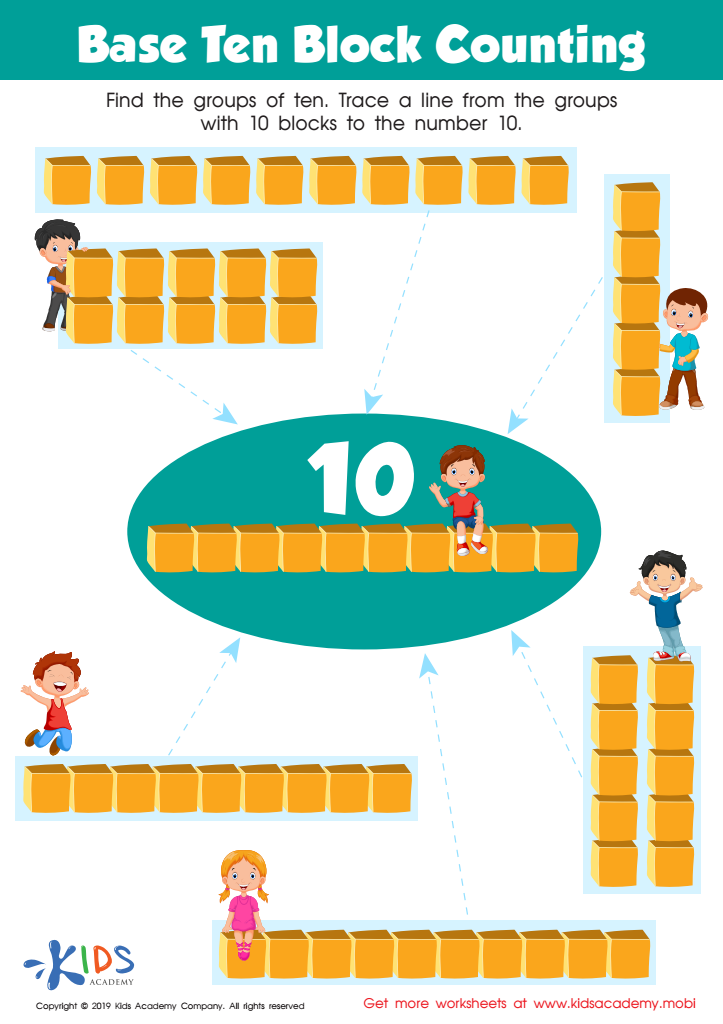
Base Ten Block Counting Worksheet
 Assign to My Students
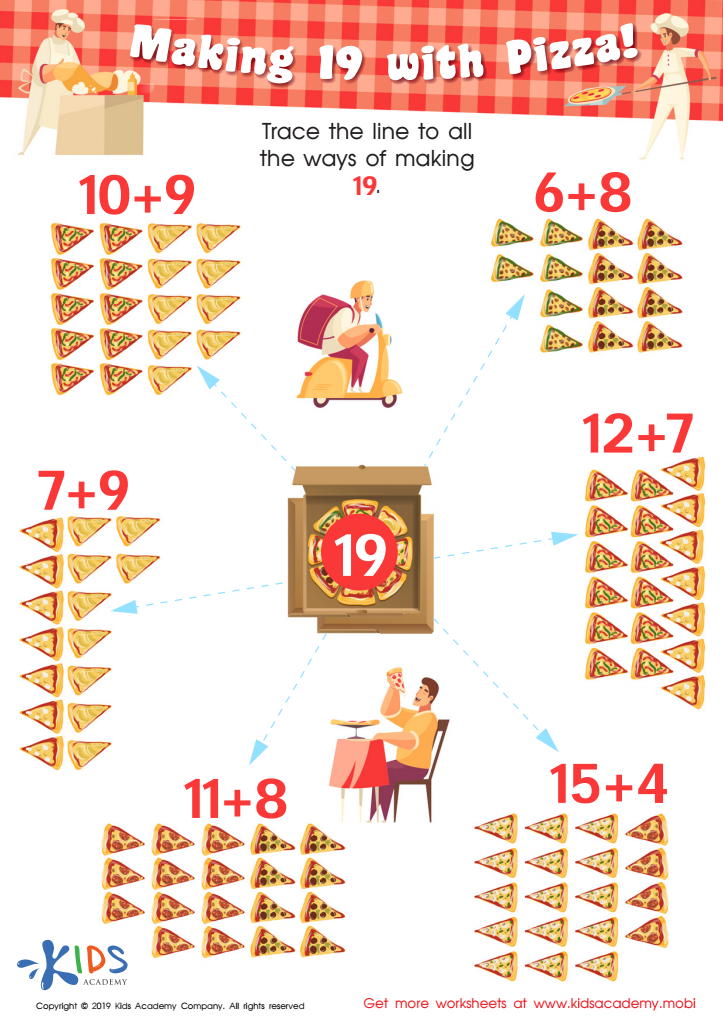
Making 19 with Pizza! Worksheet
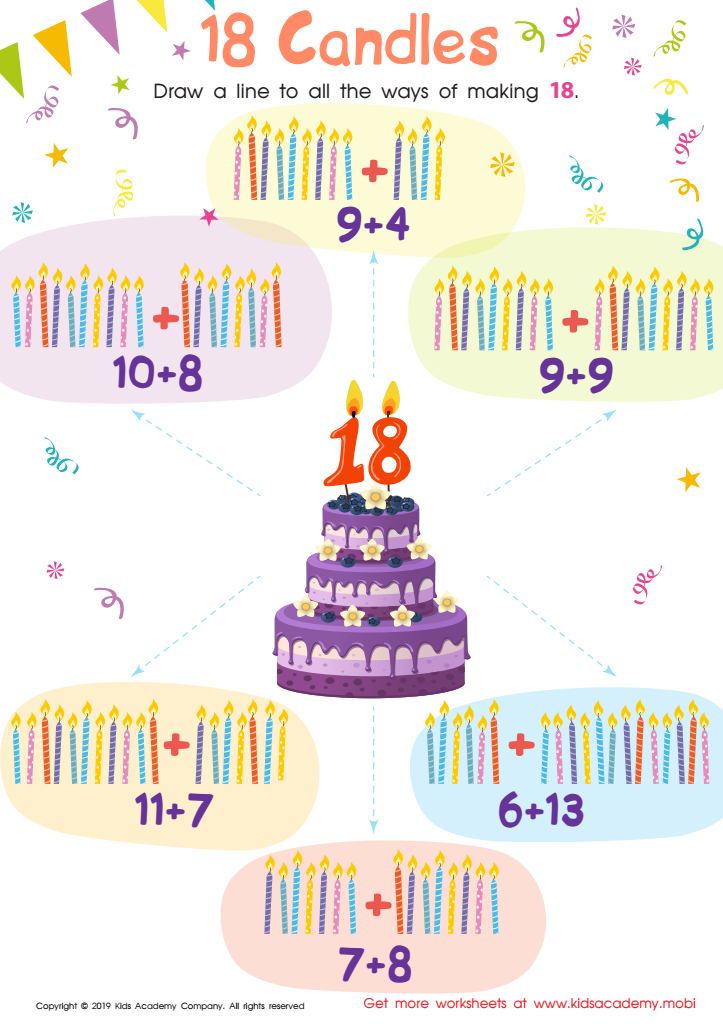
18 Candles Worksheet
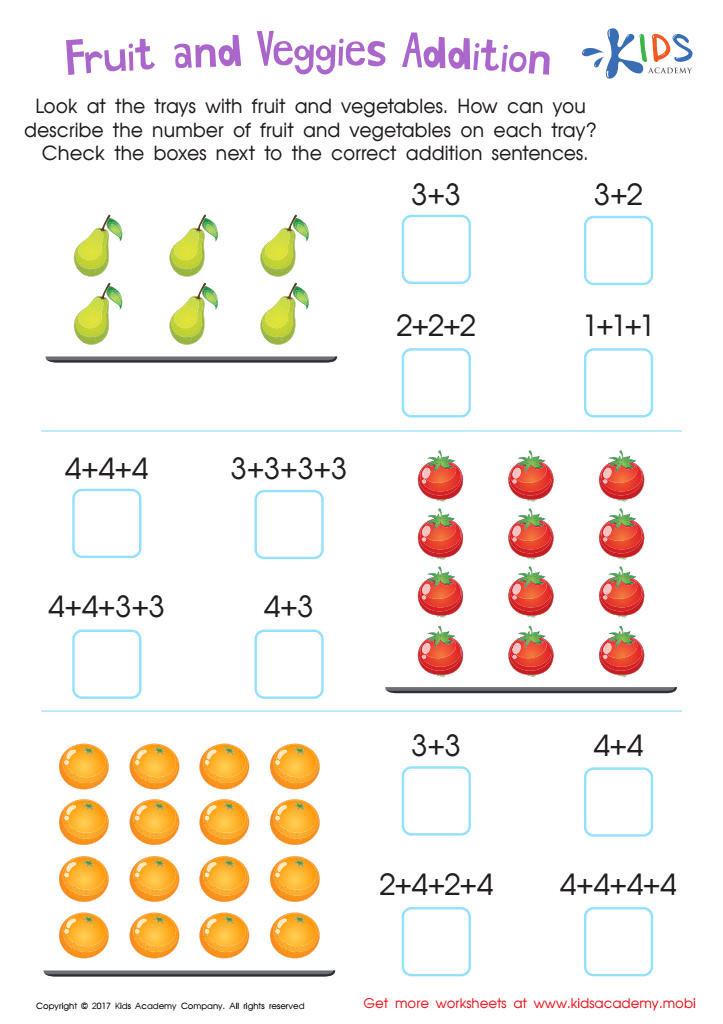
Fruit and Veggies Worksheet
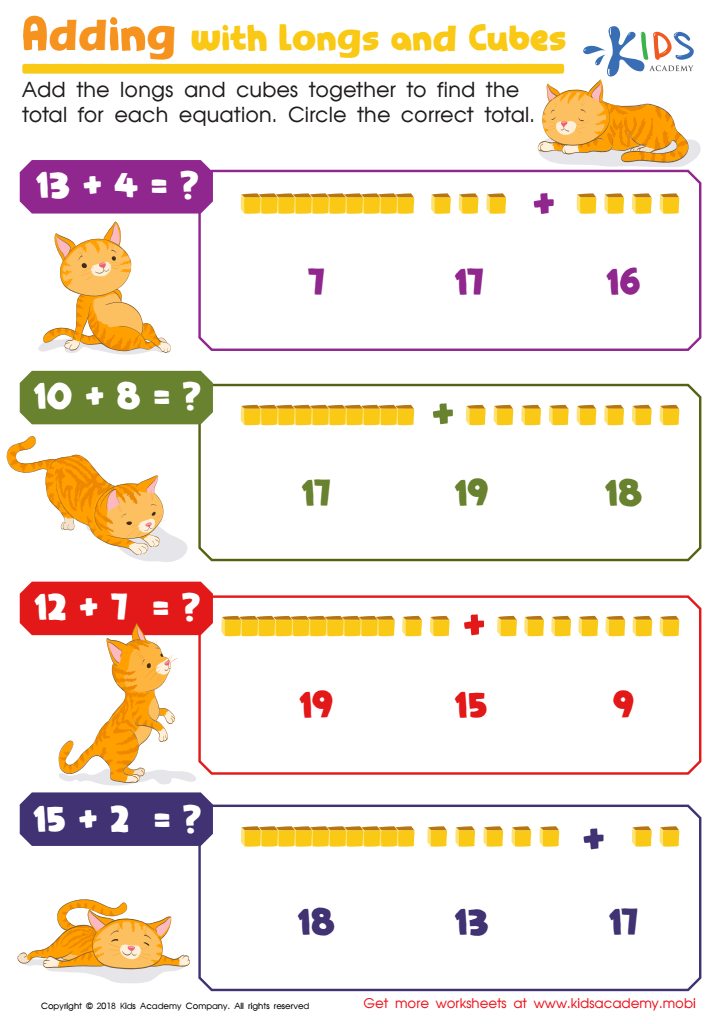
Adding With Longs and Cubes Worksheet
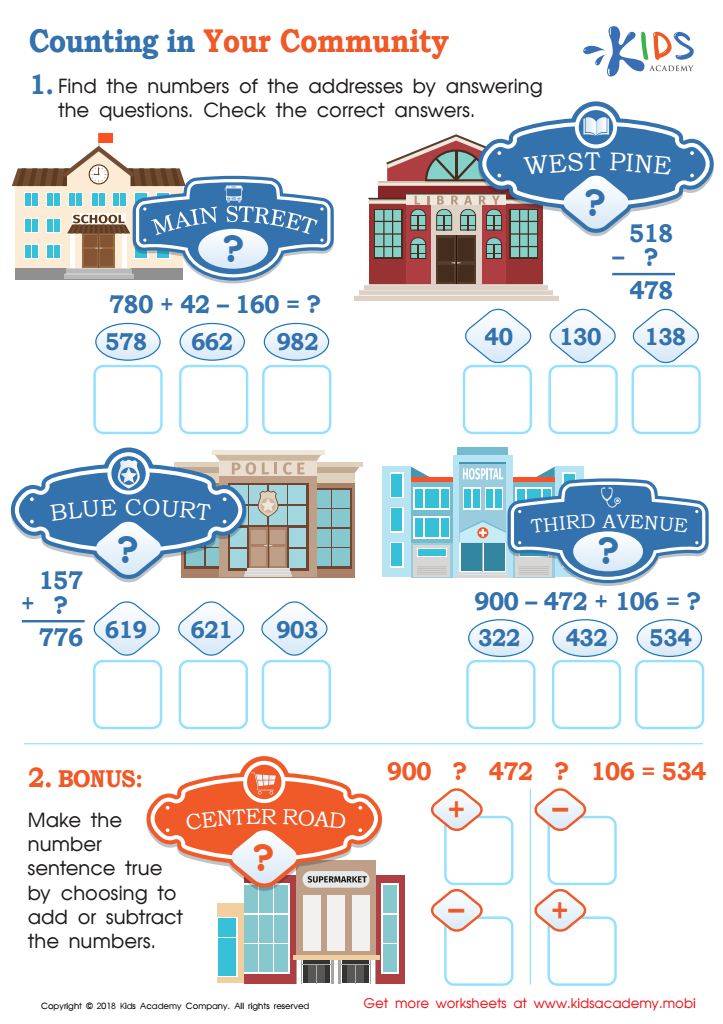
Counting in Your Community Worksheet
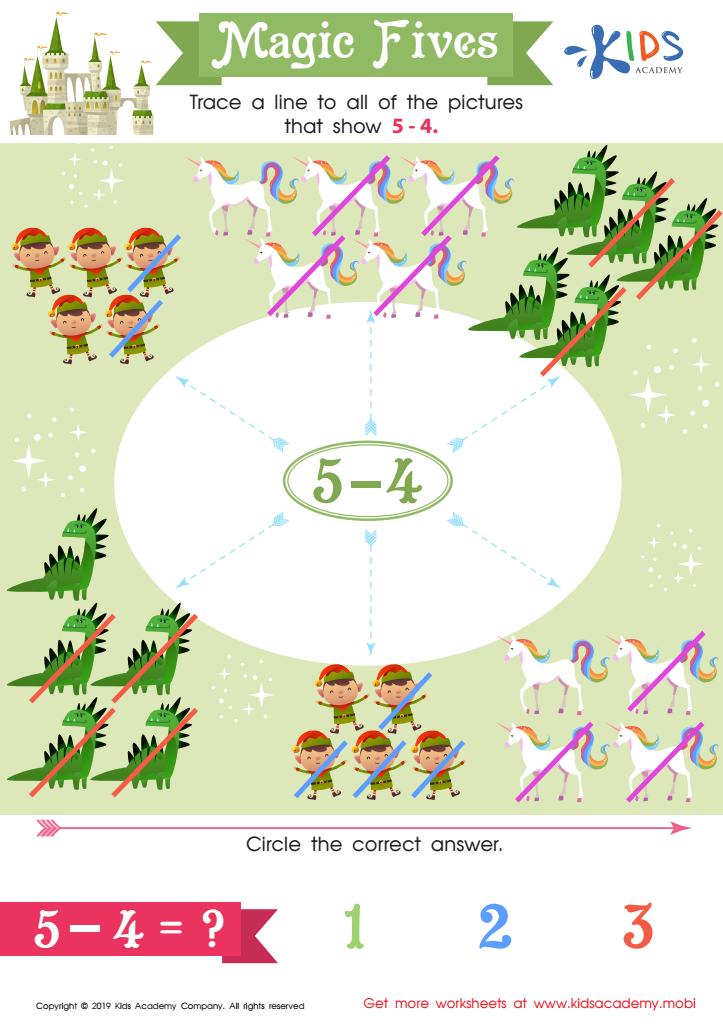
Magic Fives Worksheet
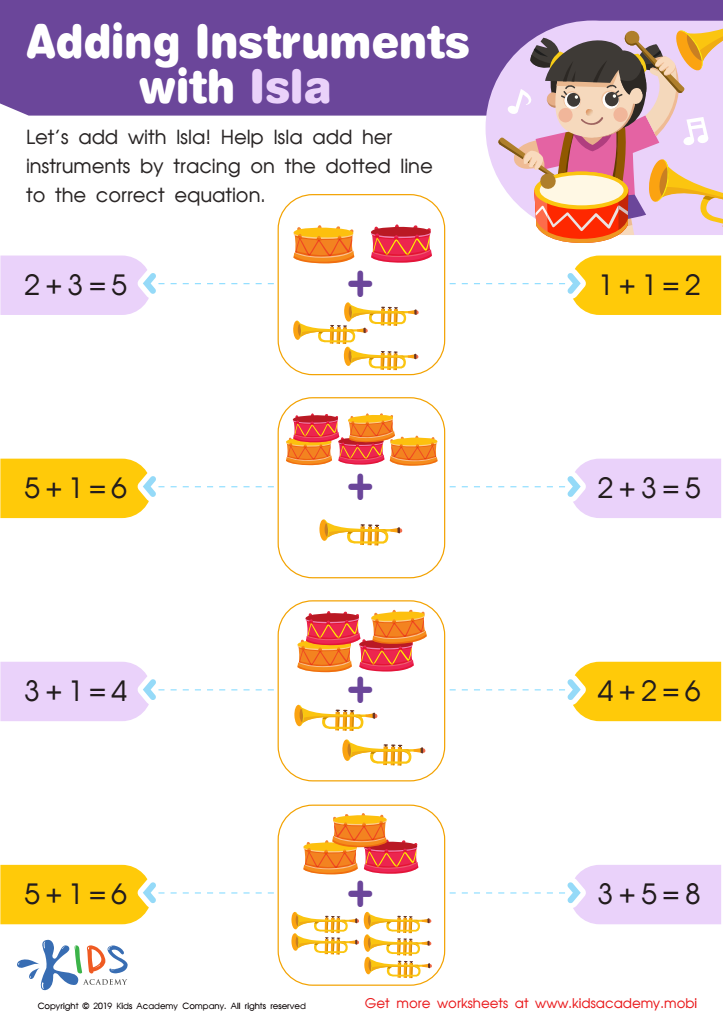
Adding Instruments with Isla Worksheet








Counting practice, alongside normal addition and subtraction, is essential for children aged 3-8 as it lays a strong foundation for future mathematical understanding and overall cognitive development. During these formative years, a child's brain is highly receptive to learning new skills, and engaging in counting exercises helps enhance their numerical fluency. Mastery of basic addition and subtraction equips young learners with tools they need for more complex mathematical problems they will encounter later in their education.
For parents and teachers, focusing on these fundamental math skills supports the development of critical thinking and problem-solving abilities. When children practice counting and basic arithmetic, they improve their memory, attention to detail, and ability to follow sequences, all of which are crucial skills that aid in learning across various subjects.
Additionally, proficiency in early math builds children's confidence and fosters a positive attitude towards learning. Early success in mathematics can lead to increased curiosity and motivation, allowing children to see math as an achievable and enjoyable endeavor.
Lastly, daily life activities such as shopping, cooking, and managing time also revolve around basic math skills. By ensuring kids aged 3-8 are proficient in counting, addition, and subtraction, parents and teachers prepare them for everyday tasks, making them more independent and capable individuals.








