Fine Motor Skills Normal Counting Worksheets for Ages 3-8
3 filtered results
-
From - To
Enhance your child's counting and fine motor skills with our specially designed worksheets for ages 3-8. These engaging activities are perfect for little hands, offering a combination of fun and educational benefits. Each worksheet encourages children to practice counting while developing their fine motor abilities, crucial for writing and daily tasks. Through tracing, drawing, and other hands-on exercises, young learners will improve their precision and control, building a strong foundation for future academic success. Ideal for both classroom use and at-home practice, our counting worksheets make learning enjoyable and effective. Let your child’s journey to mastery begin today!

8 Petals Worksheet
 Assign to My Students


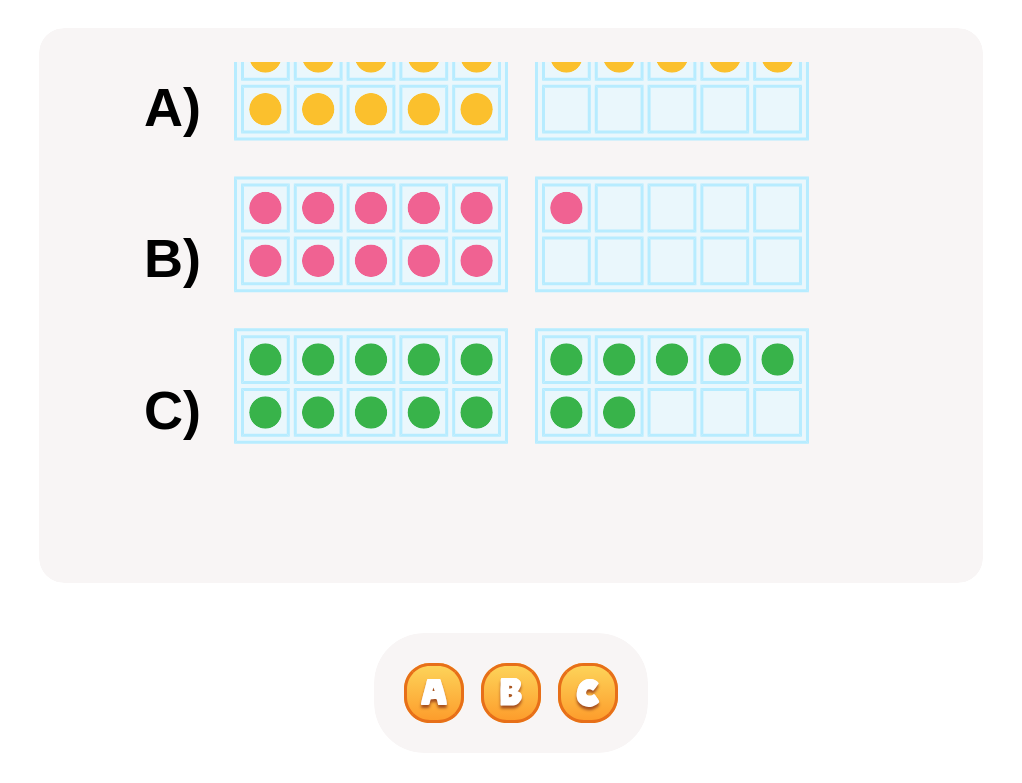
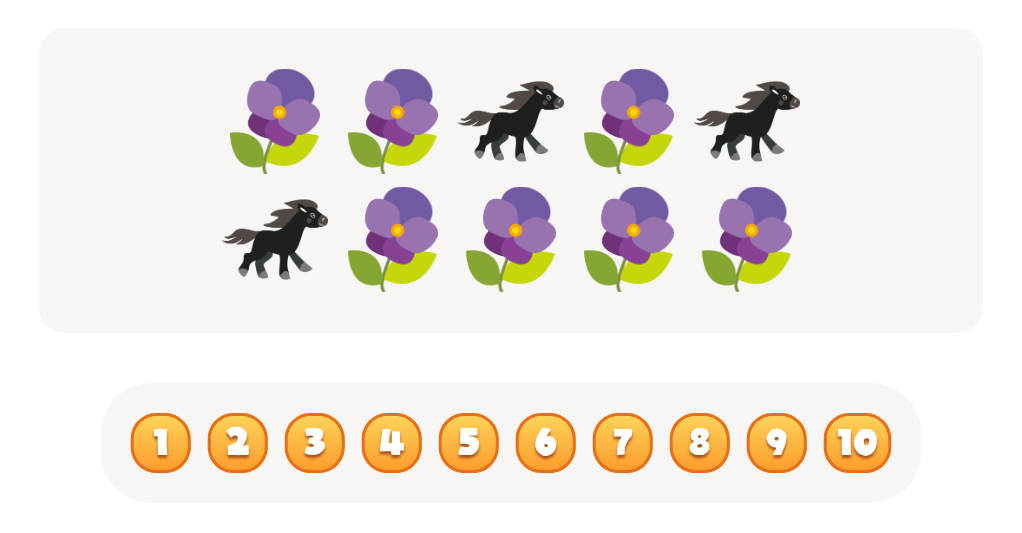
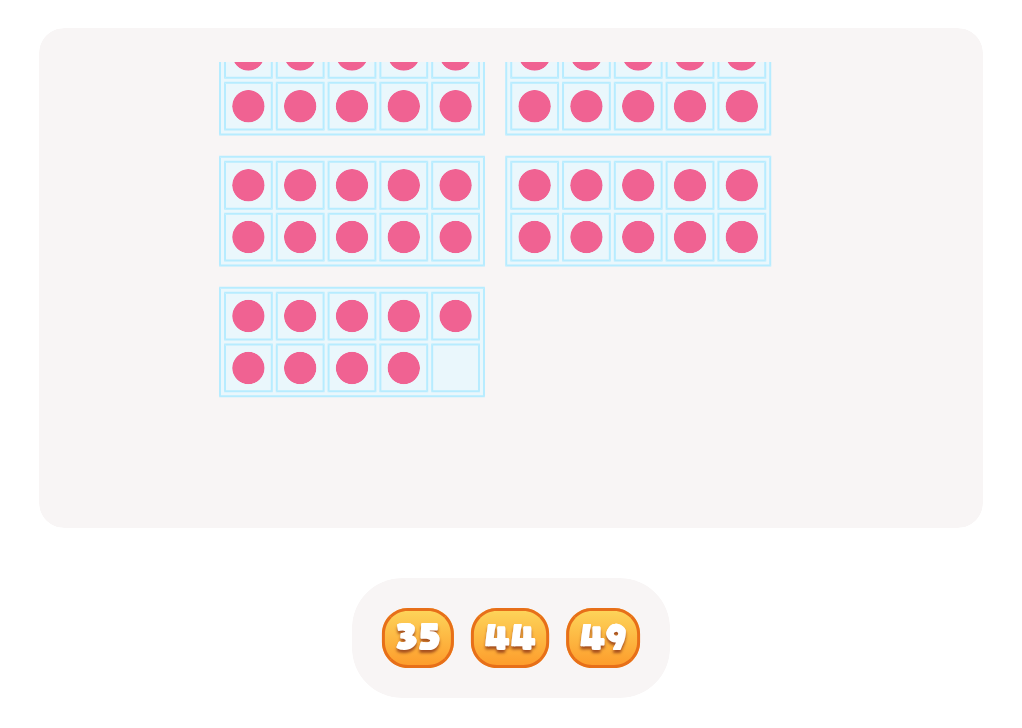
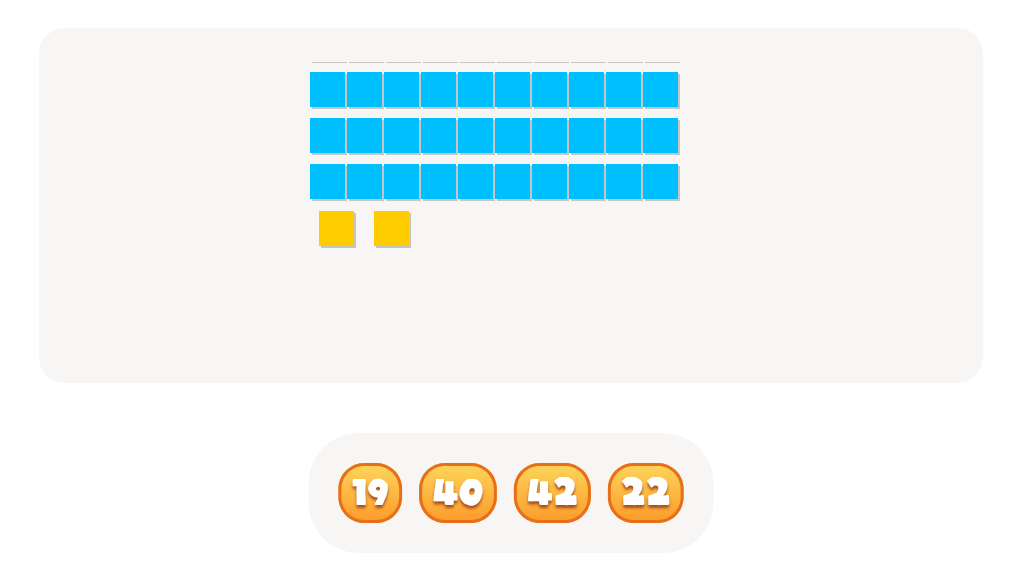

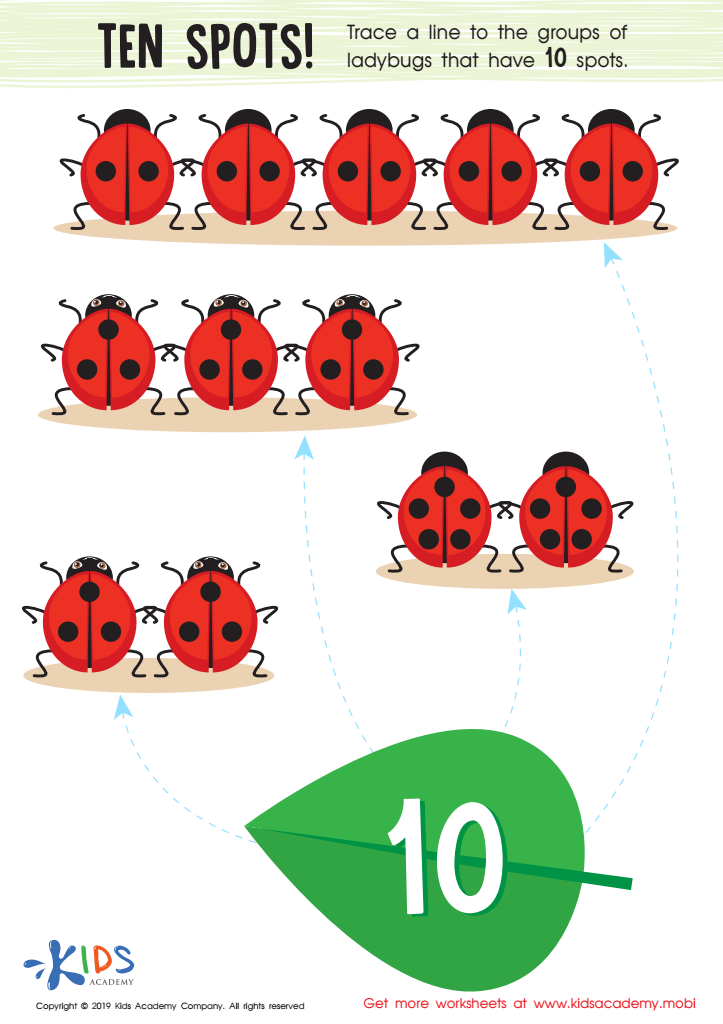
Ten Spots Worksheet
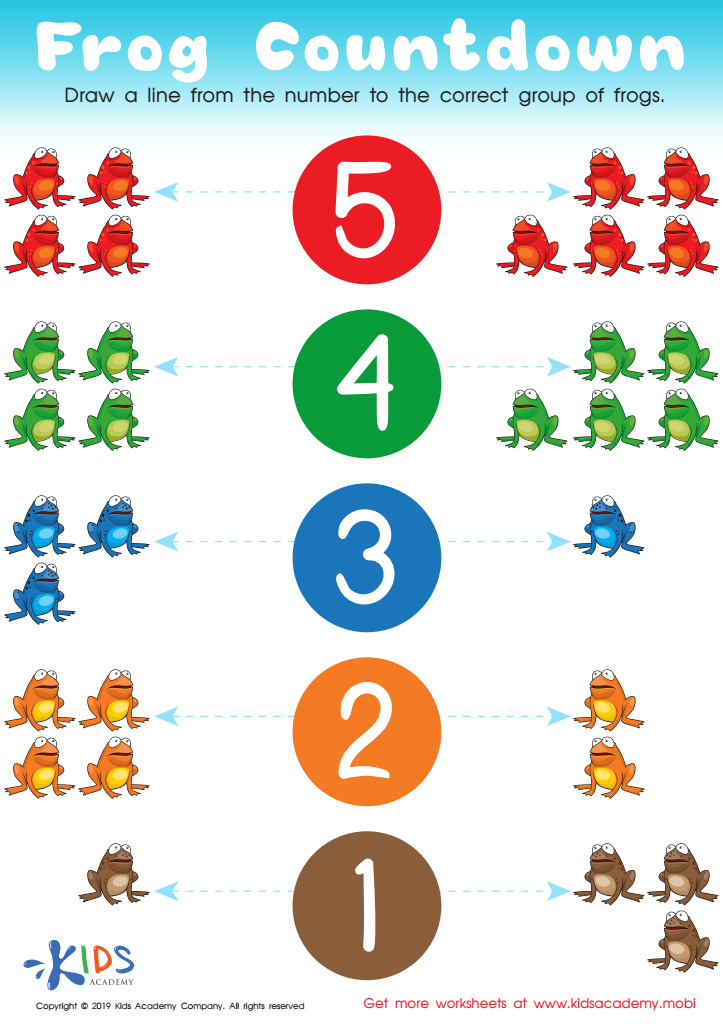
Frog Countdown Worksheet








Fine motor skills and normal counting are fundamental aspects in the development of children aged 3-8, serving as critical building blocks for their academic and everyday success. Fine motor skills, which involve the coordination of small muscles in activities like writing, buttoning, or cutting with scissors, are essential for many daily tasks and foundational for learning to write legibly. At the same time, mastering fine motor skills can boost children's independence and confidence, making routine activities less frustrating and more efficient.
Counting, on the other hand, lays the groundwork for mathematical understanding. Early counting abilities foster number sense, helping children grasp more complex mathematical concepts as they grow, such as addition, subtraction, and problem-solving. Normal counting, which involves recognizing number patterns and sequences, is directly linked to future success in mathematics and logical reasoning, skills that are invaluable both in school and in daily life.
Parents and teachers should prioritize the development of these skills to ensure children are well-prepared for future educational challenges. Fostering fine motor skills and counting can also make learning more enjoyable and engaging, setting the stage for positive attitudes toward education. These investments in early childhood development ultimately contribute to well-rounded, competent, and confident individuals.