Spatial reasoning Normal Geometry Worksheets for Ages 3-8
3 filtered results
-
From - To
Discover our engaging Spatial Reasoning Normal Geometry Worksheets designed for children aged 3-8. These worksheets are perfect for developing crucial spatial skills through fun and interactive activities. They include a variety of tasks, such as identifying shapes, comparing sizes, and understanding spatial relationships. Our resources make learning shapes and spatial concepts enjoyable, fostering early math skills that lay a strong foundation for future academic success. Teachers and parents can easily access and print these worksheets to enhance home or classroom learning. Let your child explore the world of geometry while building confidence and problem-solving abilities with our targeted activities today!
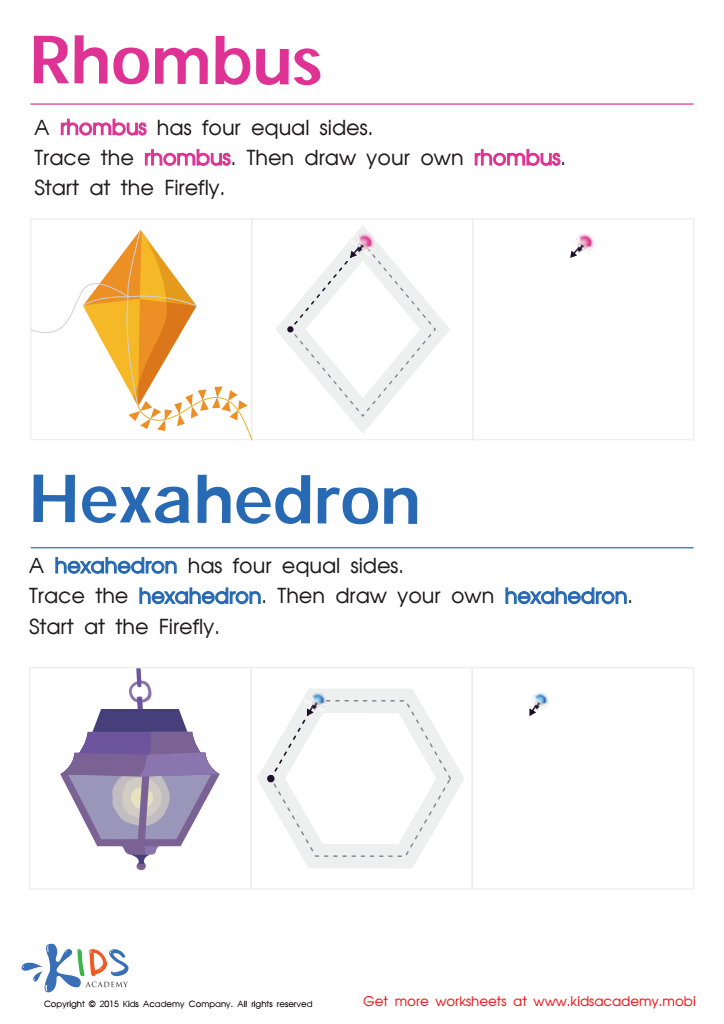
Draw a Rhombus And a Hexahedron Printable
 Assign to My Students











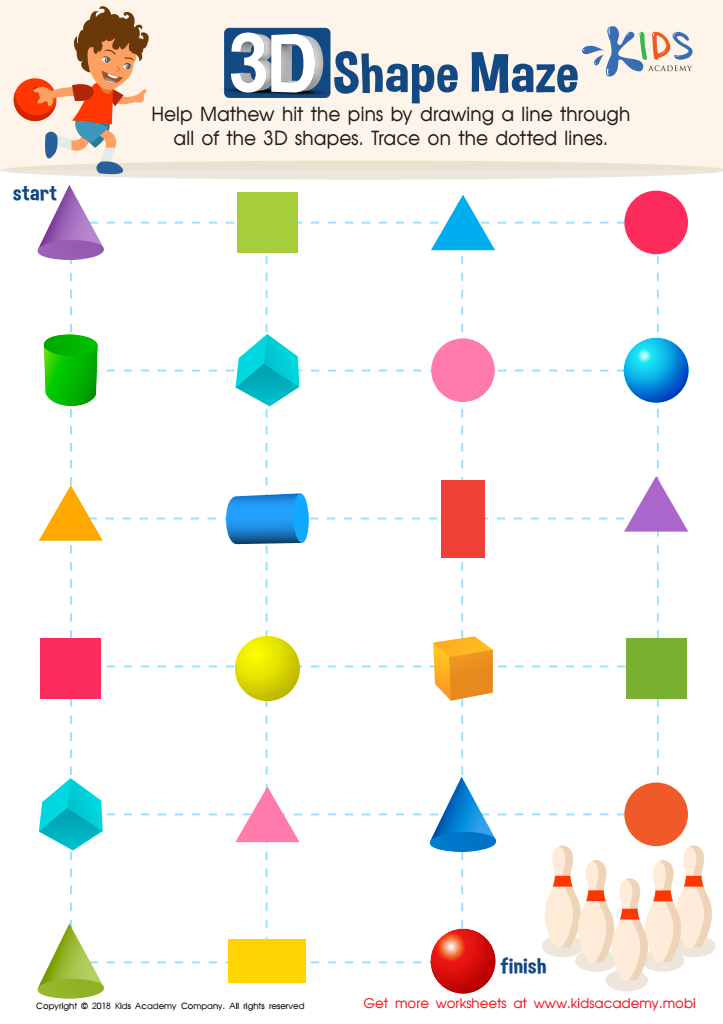
Shapes Maze Geometry Worksheet
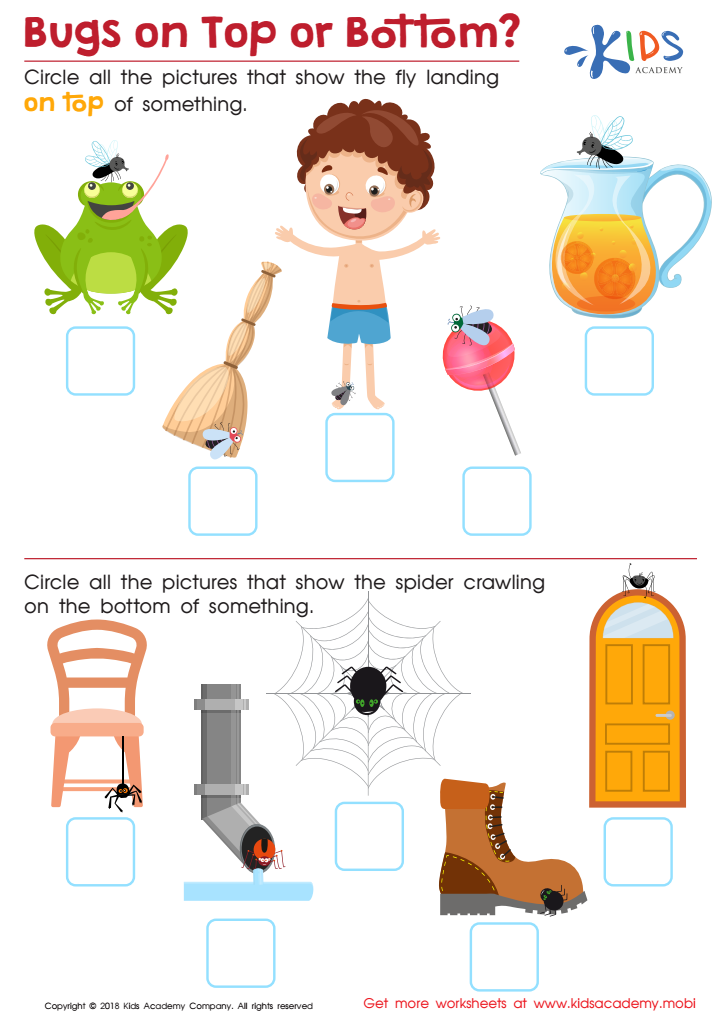
Bugs on Top or Bottom? Worksheet








Spatial reasoning is crucial for children aged 3-8, as it serves as a foundation for their cognitive development and problem-solving skills. During these formative years, children are naturally curious about the world around them. Understanding spatial relationships helps them make sense of their environment, enhancing abilities like navigation, understanding maps, and visualizing objects from different angles.
From a young age, children engage with shapes and patterns, making early exposure to concepts of normal geometry essential. By introducing geometric principles through playful activities, parents and teachers encourage critical thinking and creativity. Activities such as building with blocks, drawing shapes, or playing geometric games stimulate children's brains, leading to improved spatial awareness.
Additionally, strong spatial reasoning skills correlate with success in subjects such as mathematics and science later in life. These skills foster logical thinking and enhance one's capacity to recognize relationships between objects, aiding in everything from daily tasks to advanced academic pursuits.
Ultimately, investing time in developing spatial reasoning through engaging, enjoyable experiences helps lay the groundwork for versatile, innovative thinkers who can tackle future challenges effectively. Parents and teachers play a vital role in nurturing these abilities, ensuring children are well-prepared for lifelong learning.








