Color recognition Normal Math Worksheets for Ages 3-8
7 filtered results
-
From - To
Explore our engaging color recognition math worksheets designed for children aged 3-8. These interactive activities will help young learners identify colors while developing essential math skills, making learning both fun and educational. Each worksheet features vibrant illustrations and age-appropriate exercises that encourage creativity and critical thinking. Ideal for use in classrooms or at home, our printable worksheets promote early literacy and numeracy, ensuring a well-rounded foundation for your child's growth. Foster a love for learning in your little ones as they enjoy discovering colors alongside essential math concepts. Download now and enhance your child's educational journey with our delightful resources!
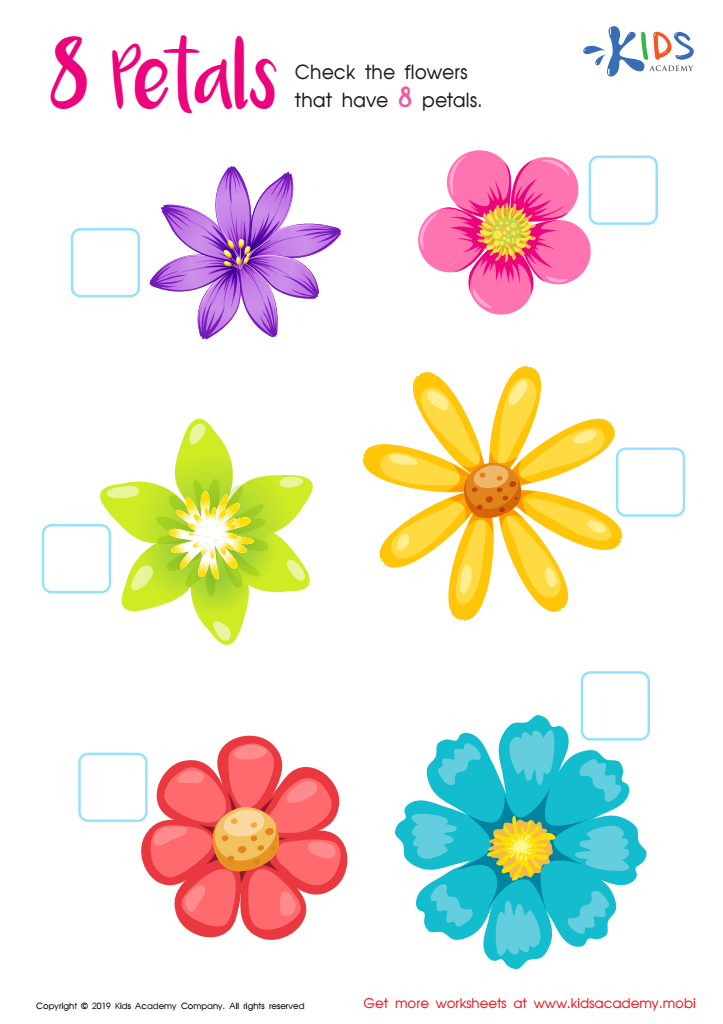
8 Petals Worksheet
 Assign to My Students
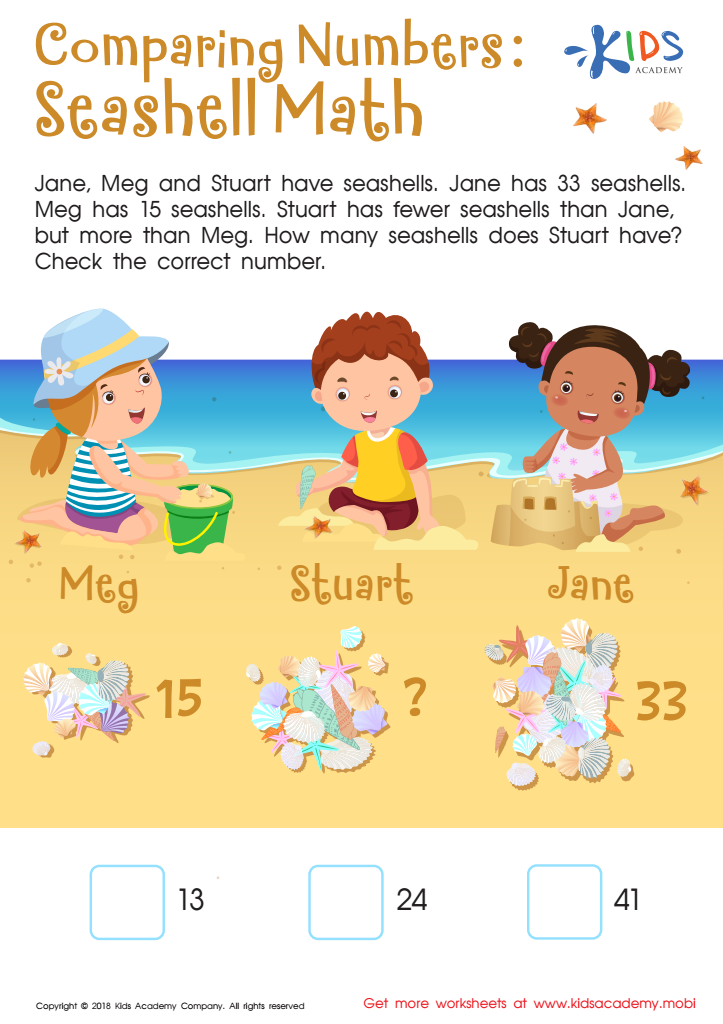
Seashell Collectors Worksheet
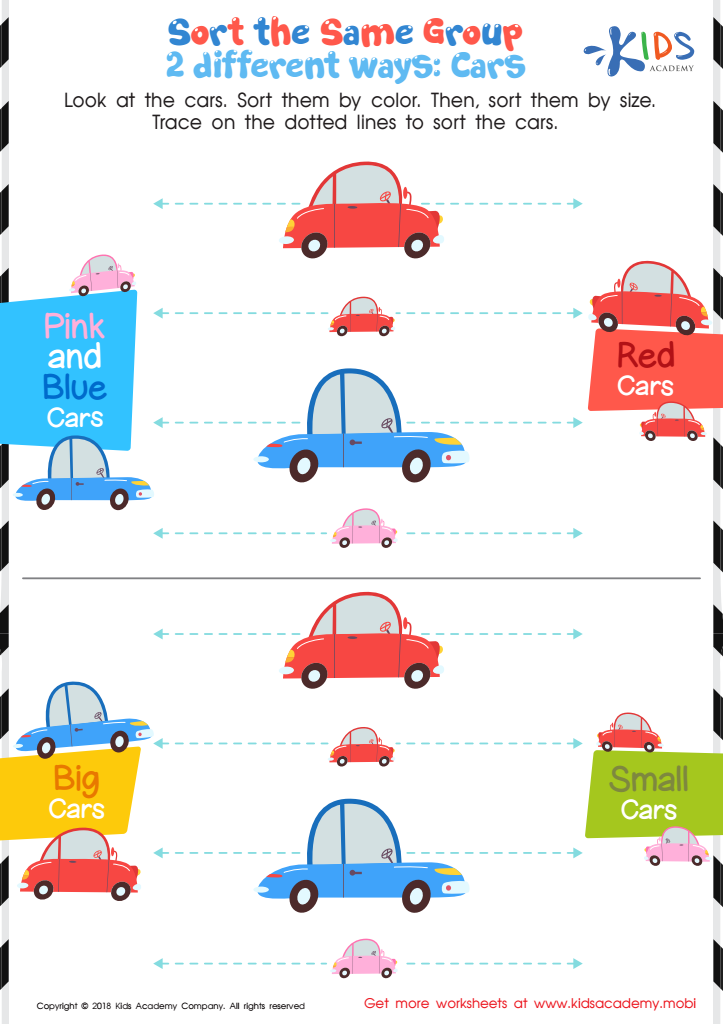
Sort the Same Group 2 Different Ways: Cars Worksheet
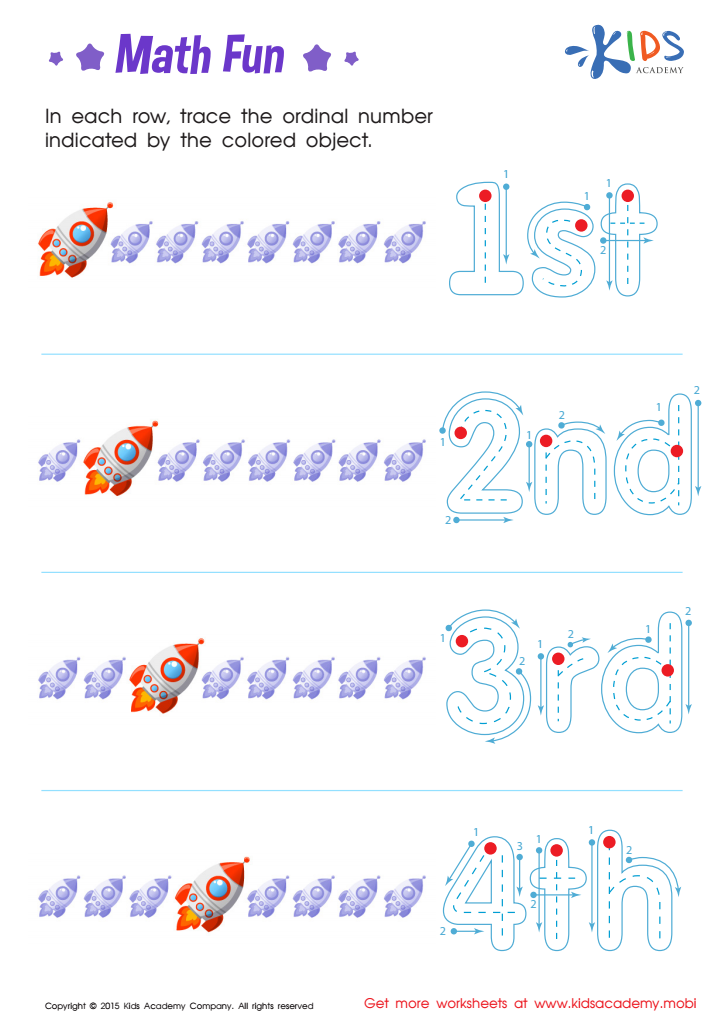
Ordinal Numbers: Math Fun Worksheet
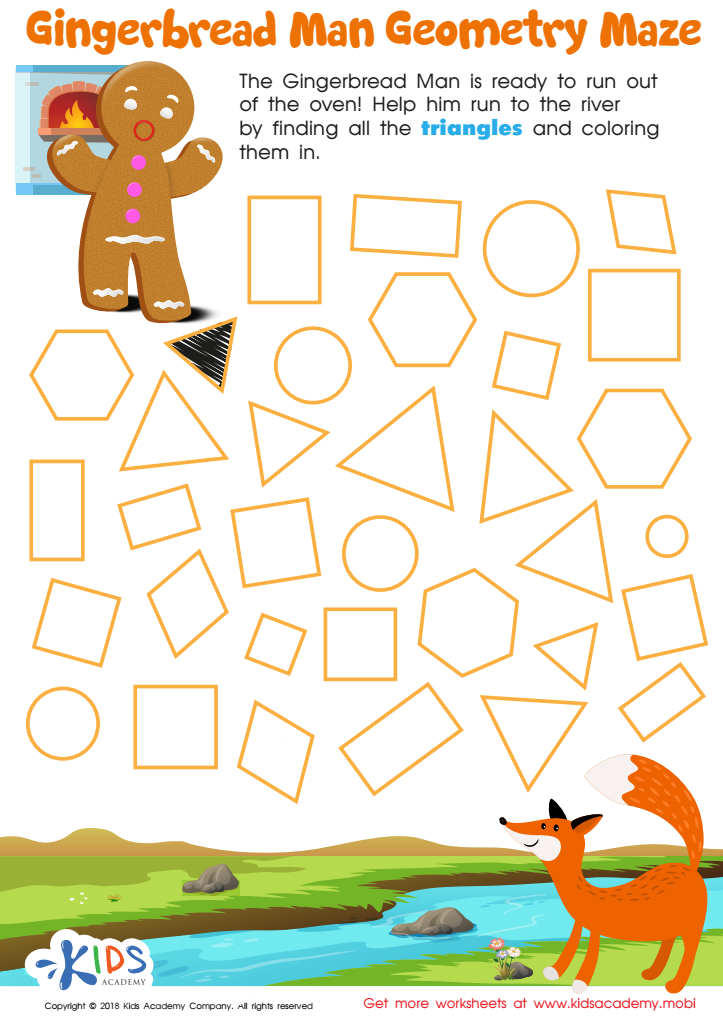
Gingerbread Man Geometry Maze Worksheet
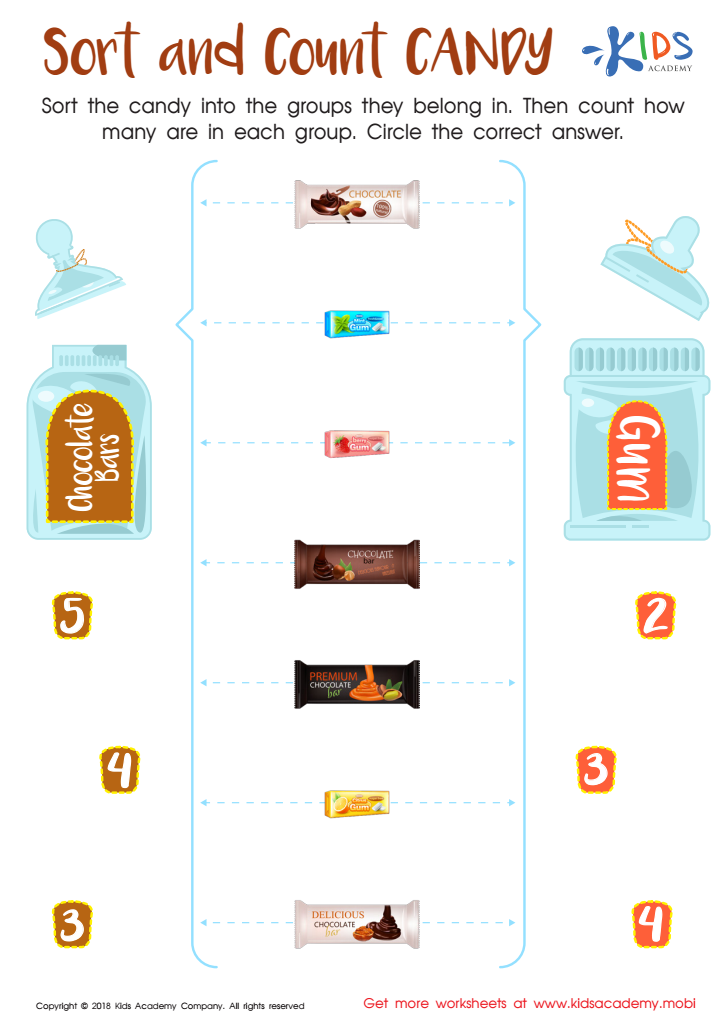
Sort and Count Candy Worksheet





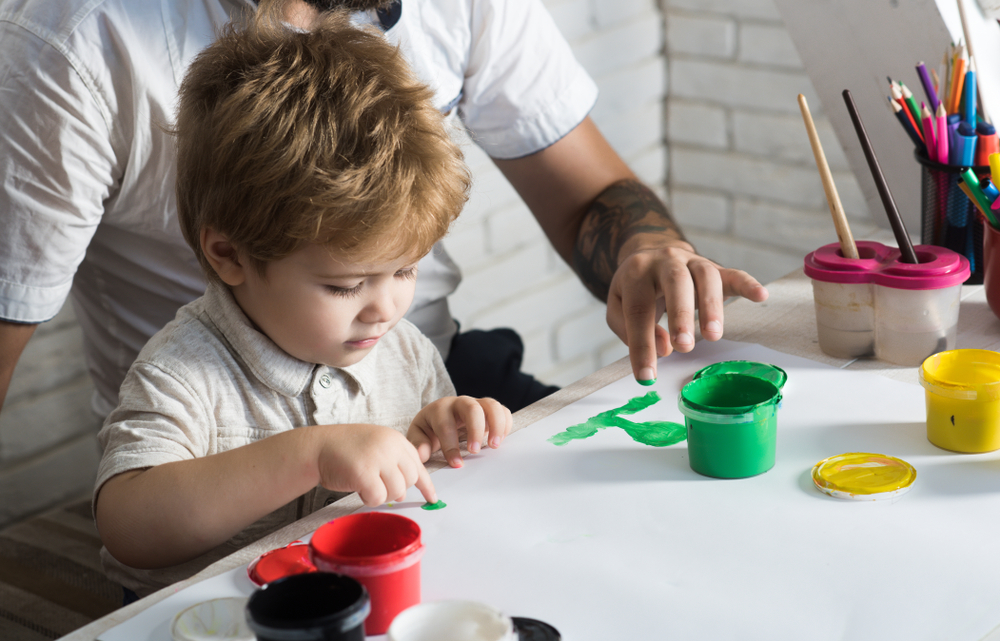


Color recognition and basic math skills are foundational elements of early childhood education, crucial for cognitive development in children aged 3-8. Parents and teachers should care about these skills for several compelling reasons.
Firstly, color recognition goes beyond simply naming hues; it enhances visual discrimination, which is essential for learning in other domains. Identifying colors helps children categorize and differentiate objects, improving critical thinking as they engage in activities like sorting and problem-solving.
Furthermore, mastering early math concepts, such as counting, recognizing patterns, and understanding quantity, promotes logical reasoning and cognitive flexibility. These skills lay the groundwork for more advanced mathematical reasoning in the future. Engaging children in math through colors—using colorful counters, for example—makes learning more interactive and enjoyable.
Additionally, the synergy of color recognition and math can bolster children’s creativity and self-expression during playtime, art projects, and games, creating a rich learning environment. By nurturing these skills, parents and teachers equip children with the tools they need to navigate their world confidently, fostering a lifelong love of learning. Investing in early color recognition and normal math knowledge will pay dividends in children's academic success and overall development.








