Comparative analysis Normal Math Worksheets for Ages 3-8
3 filtered results
-
From - To
Discover the benefits of using comparative analysis in normal math worksheets for children aged 3-8 at Kids Academy. Our engaging and visually appealing worksheets enhance critical thinking and problem-solving skills by comparing quantities, lengths, and sizes. Suitable for preschoolers to early elementary students, these activities build a strong foundation in math while making learning fun. Tailored to align with educational standards, our worksheets feature a variety of exercises designed to deepen mathematical comprehension. Equip your child with the tools needed for academic success and foster a lifelong love for learning. Visit Kids Academy for playful and effective educational resources.
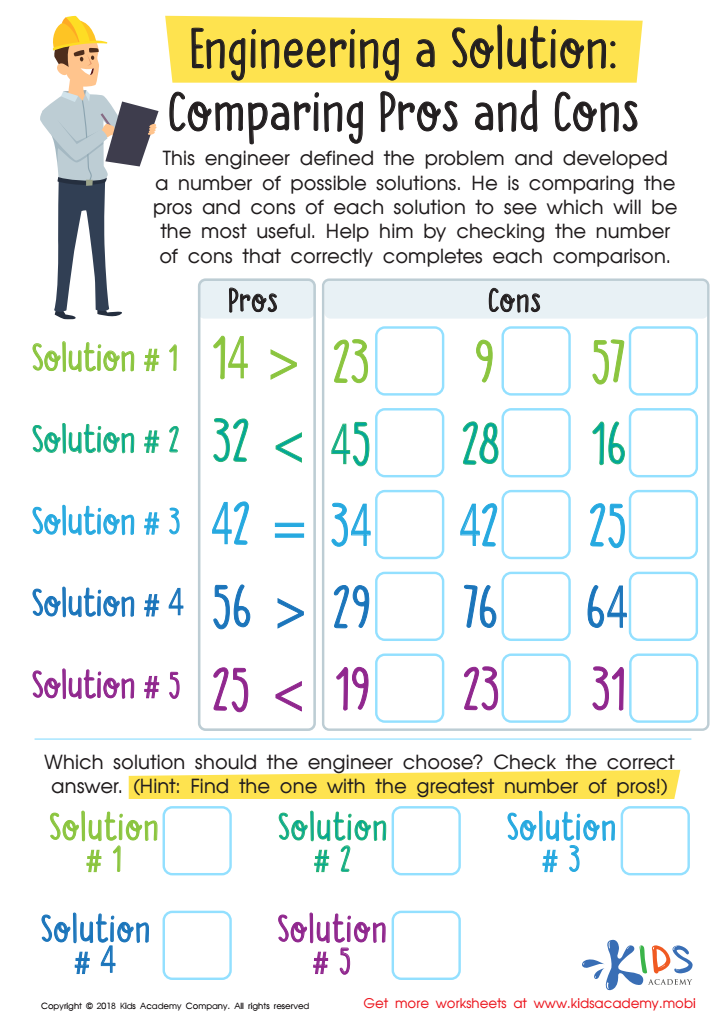
Engineering a Solution: Comparing Pros and Cons Worksheet
 Assign to My Students
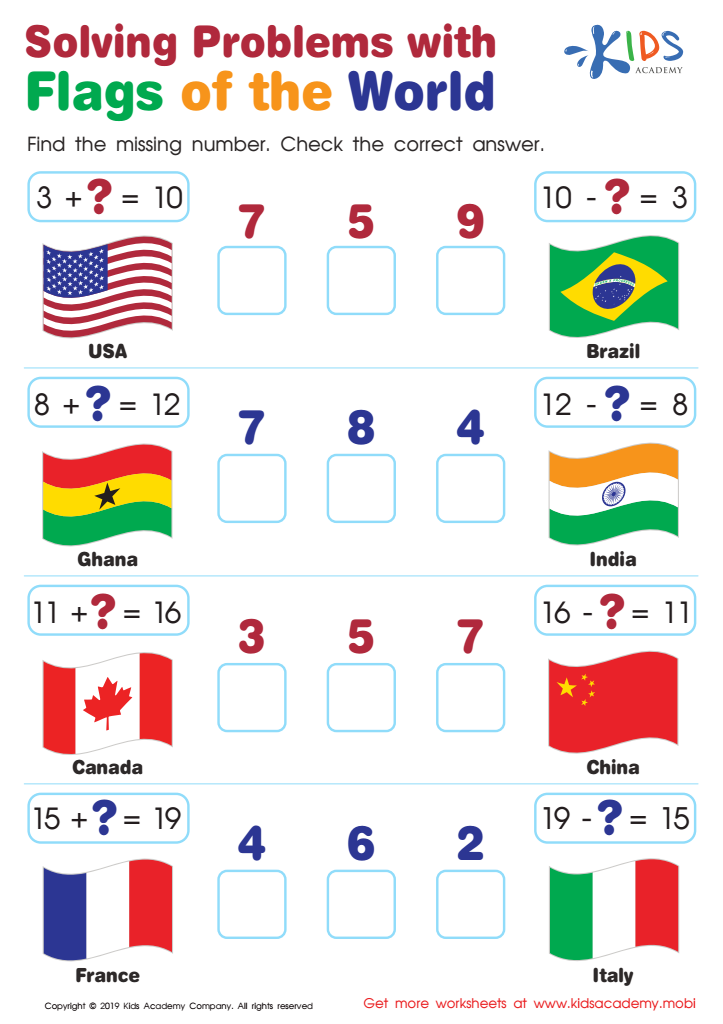
Solving Problems with Flags of the World Worksheet
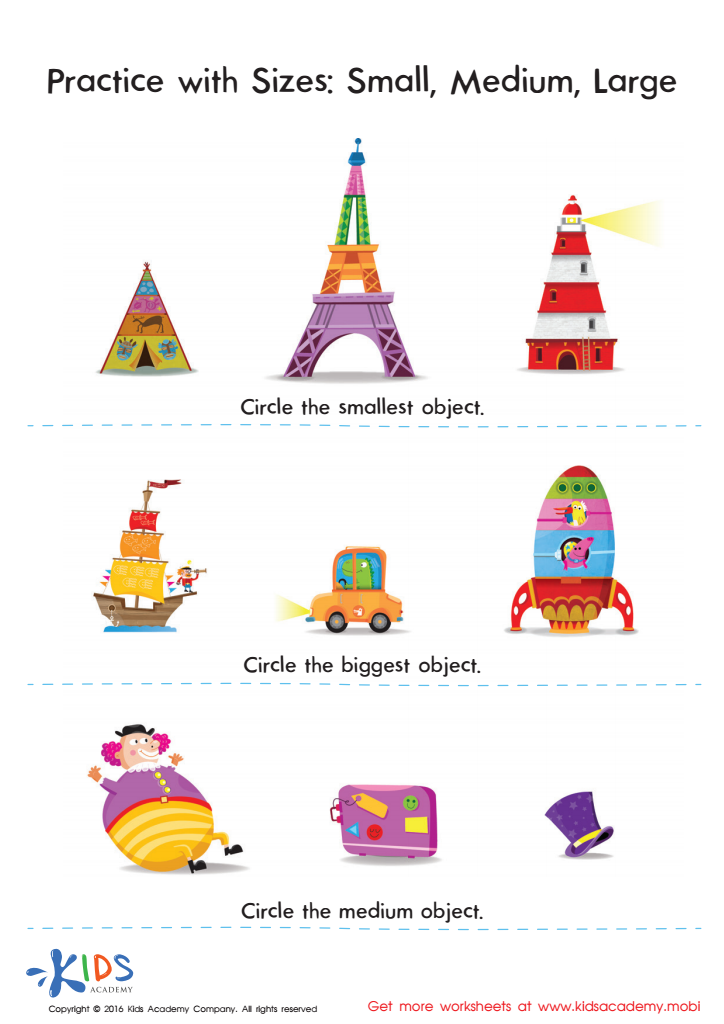






.jpg)

Comparative analysis in the context of normal math for ages 3-8 holds significant importance for both parents and teachers. This approach helps identify how individual children are performing relative to typical developmental milestones, allowing for early detection of learning issues or exceptional talents. It enables tailored instruction, ensuring children receive the support or enrichment they need. By knowing the standard benchmarks, educators and parents can set realistic expectations, alleviating undue pressure while encouraging consistent progress.
Additionally, comparative analysis promotes a better understanding of diverse learning styles. Insight from this can influence teaching strategies, making math concepts more accessible and engaging to young learners. For example, recognizing patterns in number recognition, counting, and basic operations through careful comparison paves the way for interventions such as games, visual aids, or hands-on activities.
Moreover, parents become more involved and proactive in their child’s education when they understand the benchmarks. They can provide appropriate resources and emotional support, fostering a positive attitude towards learning.
Ultimately, a focused comparative analysis ensures that the foundational math skills essential for later academic success are built effectively, fostering a lifelong math competency and confidence in young learners. This balanced approach integrates academic achievement with emotional and developmental appropriateness, aligning early education with long-term growth.








