Visual discrimination Normal Math Worksheets for Ages 3-8
8 filtered results
-
From - To
Welcome to our collection of Visual Discrimination Normal Math Worksheets for Ages 3-8! Designed to enhance critical early learning skills, these engaging worksheets help young learners differentiate between shapes, sizes, and patterns. By practicing visual discrimination, children gain essential foundational math abilities and develop their observational skills. Each worksheet is tailored to be age-appropriate, ensuring that activities are both fun and educational. Ideal for at-home learning or classroom use, our worksheets build confidence and spark curiosity in young minds. Explore our variety of visually stimulating exercises that will make learning math an exciting adventure for your child!
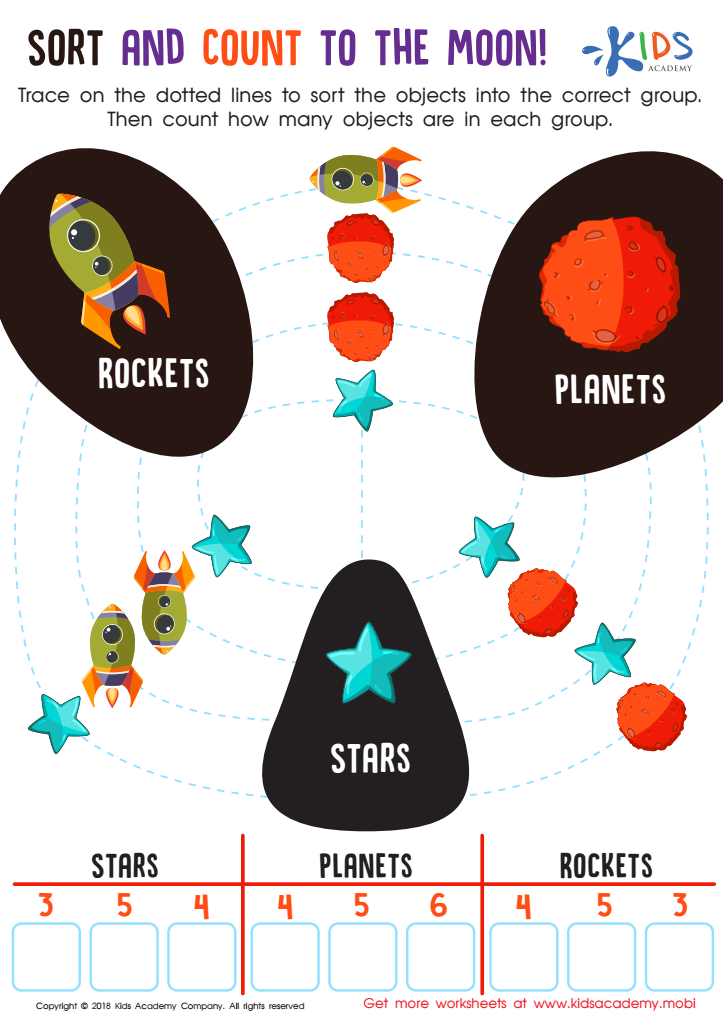
Sort and Count to the Moon Worksheet
 Assign to My Students
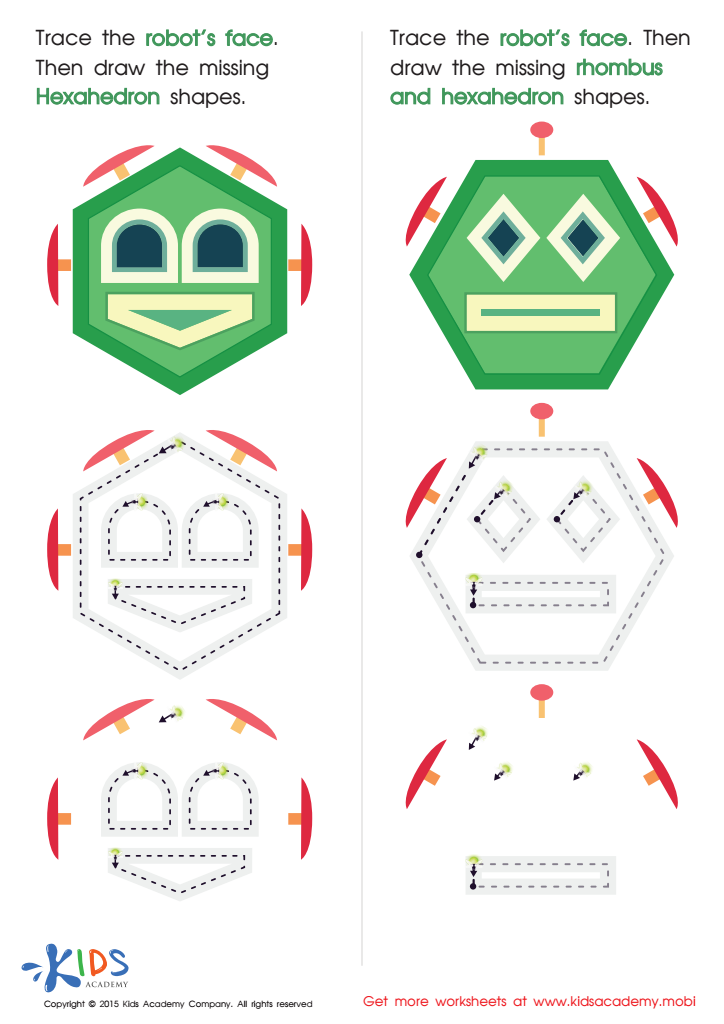
Practice Drawing Hexahedrons And a Rhombus Worksheet
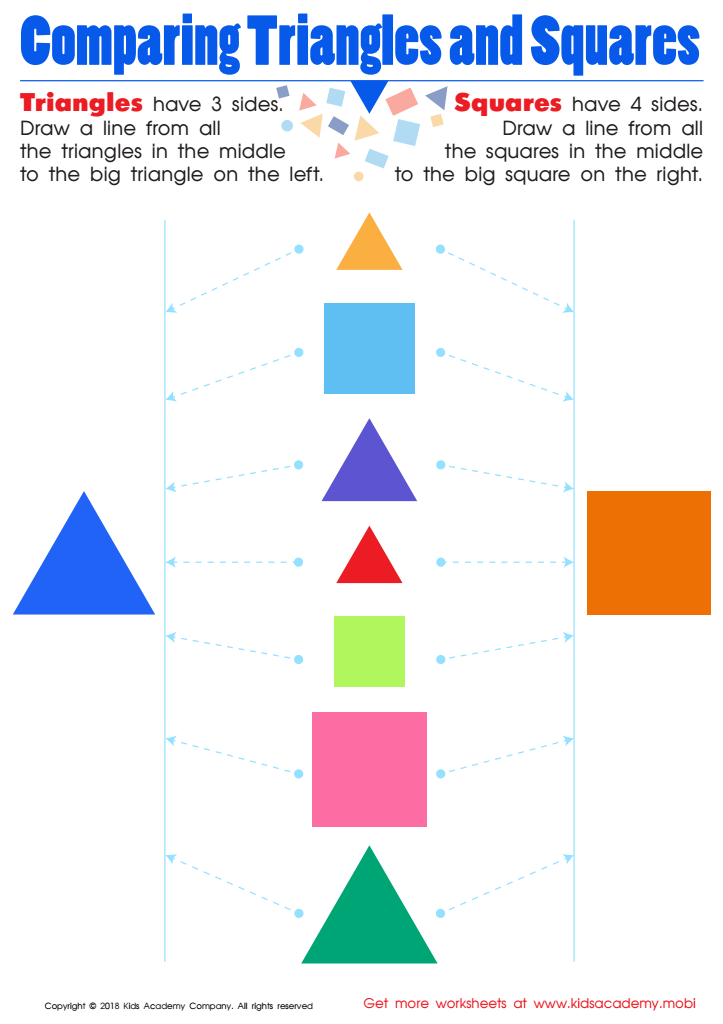
Comparing Triangles Squares Worksheet
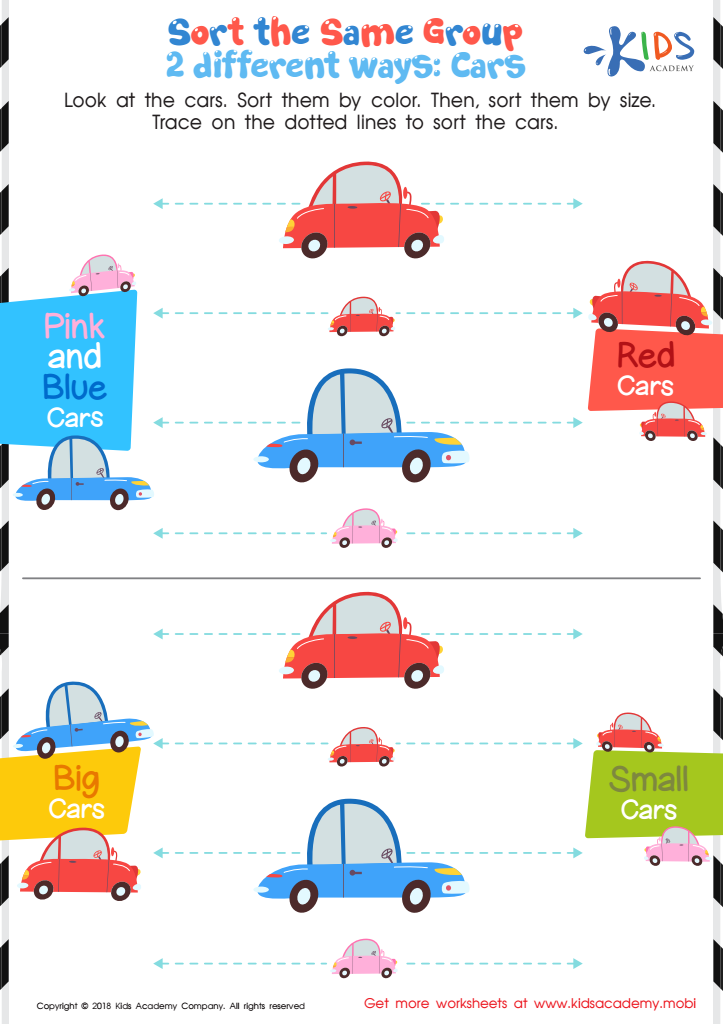
Sort the Same Group 2 Different Ways: Cars Worksheet
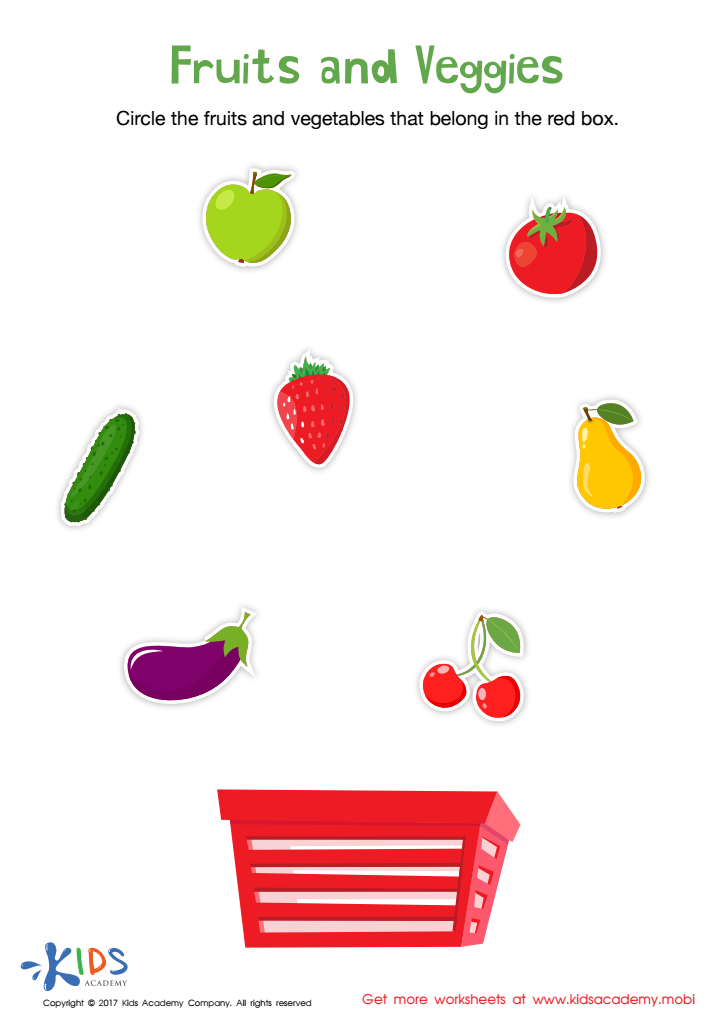
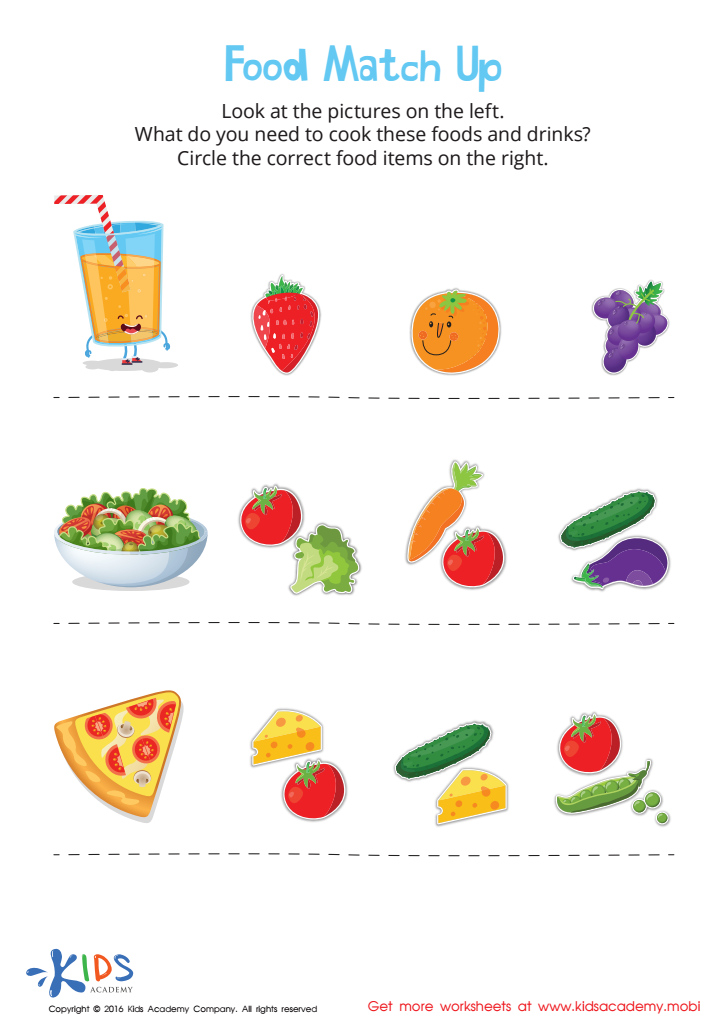
Food Match Up Worksheet
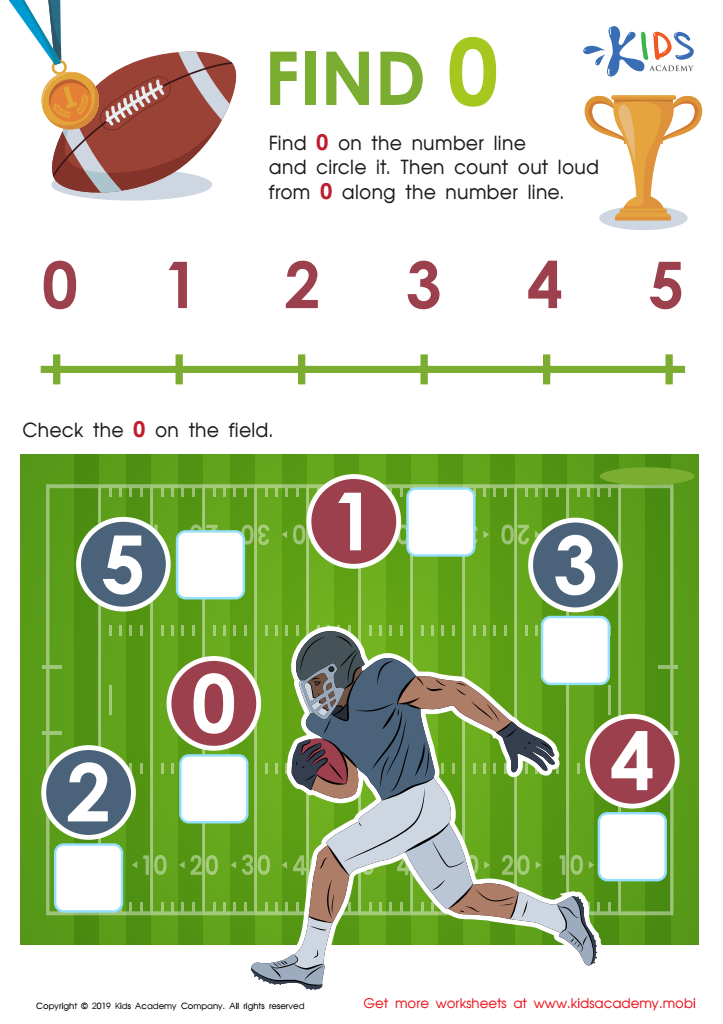
Find 0 Worksheet
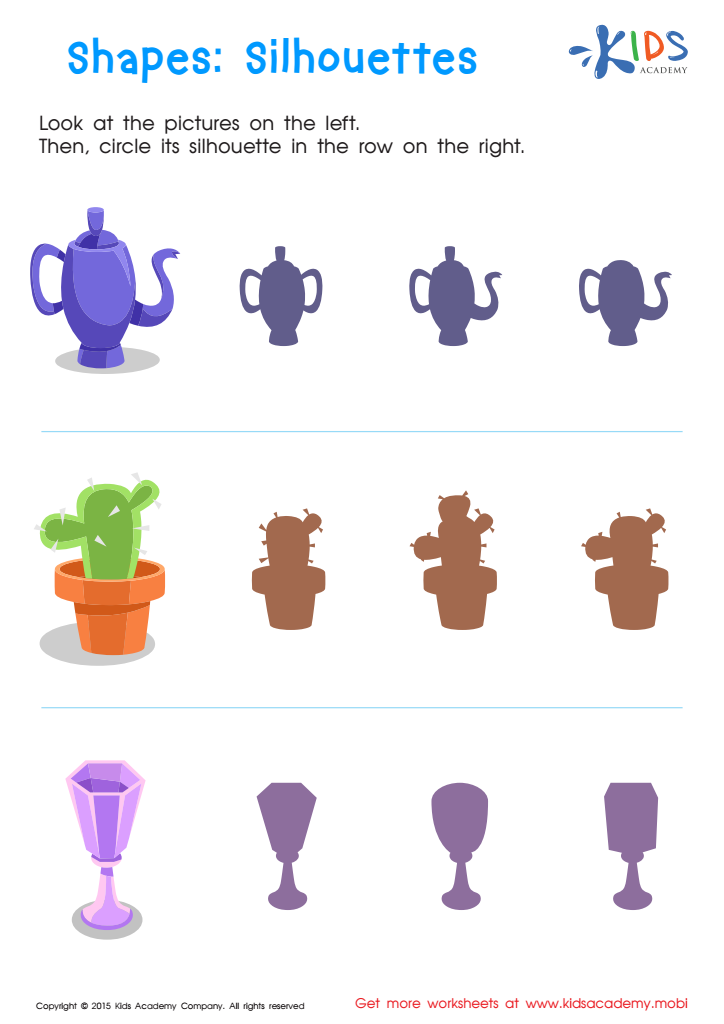
Silhouettes – Shapes Worksheet








Visual discrimination is a fundamental skill for young children, playing a crucial role in their early math development between ages 3-8. This ability involves the ability to notice differences and similarities in visual information, which is essential for recognizing shapes, patterns, numbers, and letters. Parents and teachers should care about this skill because it directly impacts a child's ability to understand mathematical concepts.
When children develop strong visual discrimination skills, they can better identify and manipulate numbers and quantify objects, aiding their understanding of addition, subtraction, and basic math operations. For instance, recognizing the difference between the numbers 5 and 6 or distinguishing between similar shapes helps children grasp foundational math concepts that accumulate over time.
Beyond math, visual discrimination enhances overall cognitive skills, improving children’s reading abilities as they learn to discern letters and words. It equips them for problem-solving experiences, encouraging analytical thinking. By investing time and resources in activities that promote visual discrimination—for example, puzzles, sorting games, and pattern activities—parents and teachers lay a solid groundwork for future learning. Ultimately, nurturing these skills ensures children become confident, successful learners in both math and literacy, setting the stage for lifelong academic achievement.








