
Fine Motor Skills Normal Matching Worksheets for Ages 3-8
4 filtered results
Difficulty Level
Grade
Age
-
From - To
Subject
Activity
Standards
Unlock your child's potential with our Fine Motor Skills Normal Matching Worksheets, designed for ages 3-8. These engaging and interactive worksheets focus on enhancing fine motor skills through matching activities that challenge young learners. Your child will improve hand-eye coordination, dexterity, and sensory processing while enjoying various fun themes. Perfect for use at home or in the classroom, these worksheets provide a diverse range of tasks that encourage concentration and learning through play. Foster independence and creativity in your child as they master essential skills with our thoughtfully crafted resources. Download now and set them on a path to success!
Favorites
With answer key
Interactive
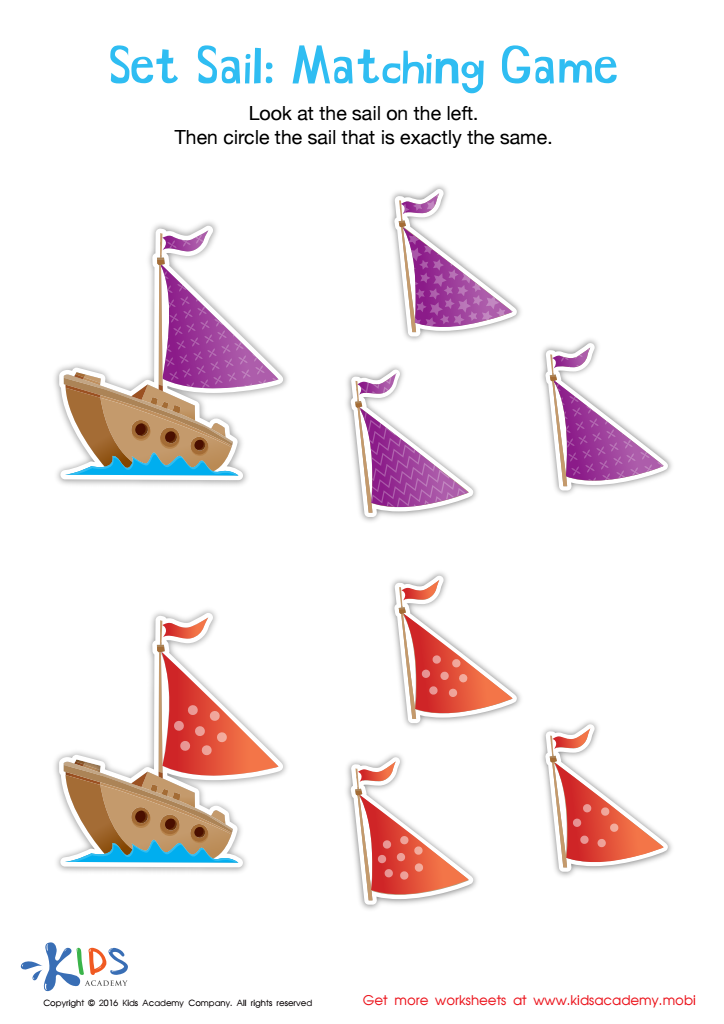
Set Sail Worksheet
Set sail with this fun matching game for toddlers! Kids will love finding the same pattern on the sails, improving their problem-solving and counting skills. Enjoy this bright and engaging worksheet!
 Assign to My Students
Set Sail Worksheet
Worksheet

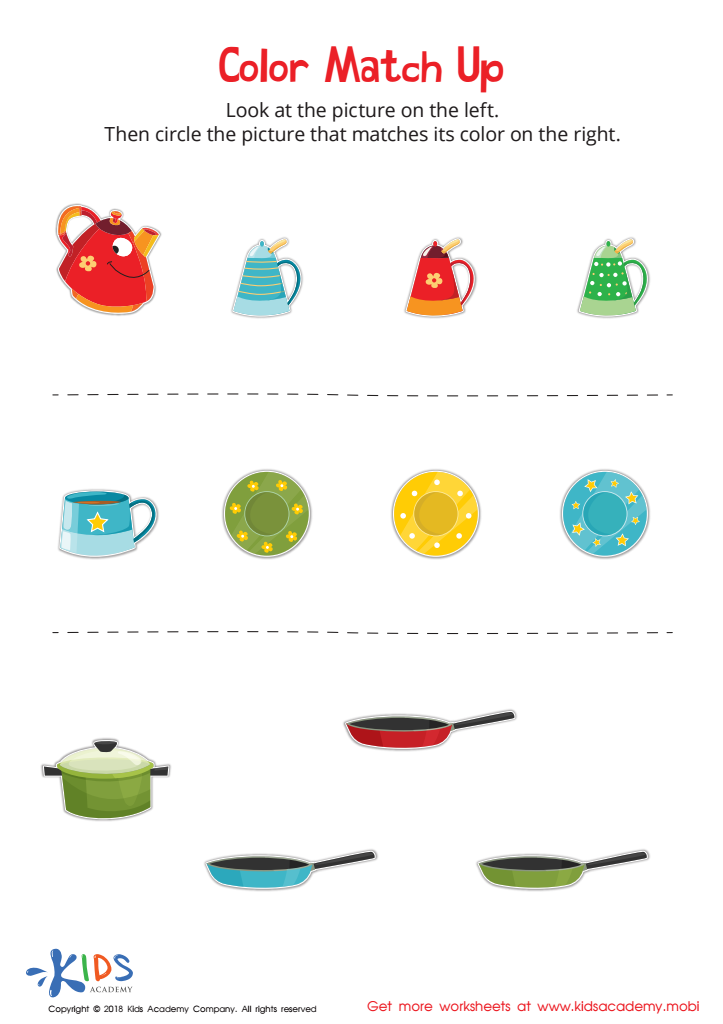
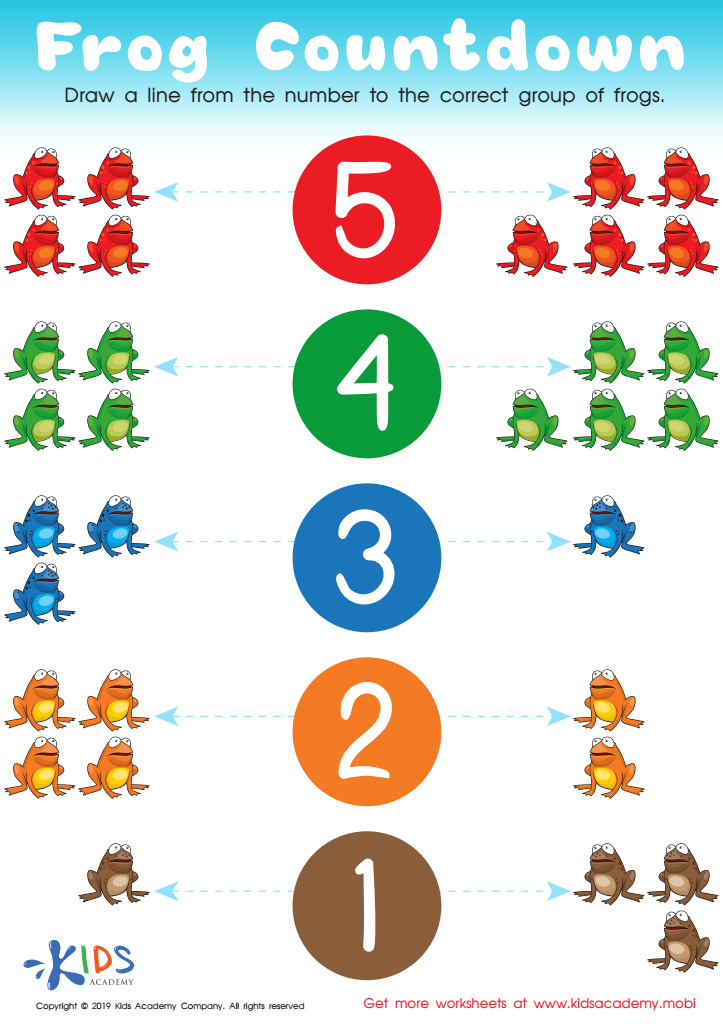
Frog Countdown Worksheet
Make learning fun for kids with traceable printouts! This exercise has kids counting frogs and drawing a line to match the number. Expand their knowledge with activities like this, beyond the basics they learn in school. Help them explore new ways of learning and make it enjoyable.
Frog Countdown Worksheet
Worksheet
Join Kids Academy for Free
Who is primarily going to use this learning content?







Fine motor skills are crucial for children's development, especially for ages 3-8, when they gain independence in daily tasks. These skills involve the coordinated use of small muscles in the hands and fingers, enabling children to perform tasks like holding a pencil, buttoning shirts, or using scissors. Normal matching of fine motor skills indicates that a child is developing appropriately relative to their peers.
Parents and teachers should care about fine motor skills because they significantly impact academic performance and everyday functioning. Proficient fine motor skills facilitate writing, drawing, and completing school assignments—essential activities in a child’s education. Furthermore, they foster self-confidence and a sense of accomplishment as children master these abilities.
Delayed or atypical development of fine motor skills can lead to frustration and challenges that may hinder a child's academic progress and social interactions. Early identification allows for timely support and intervention, ensuring children build necessary skills and confidence. Overall, nurturing fine motor skills lays the foundation for lifelong learning, independence, and success. Engaging in activities like drawing, playing with building blocks, or practicing simple crafts can enhance these vital skills, benefiting children in numerous ways.








