Normal Building Vocabulary Worksheets for Ages 3-8 - Page 5
173 filtered results
-
From - To
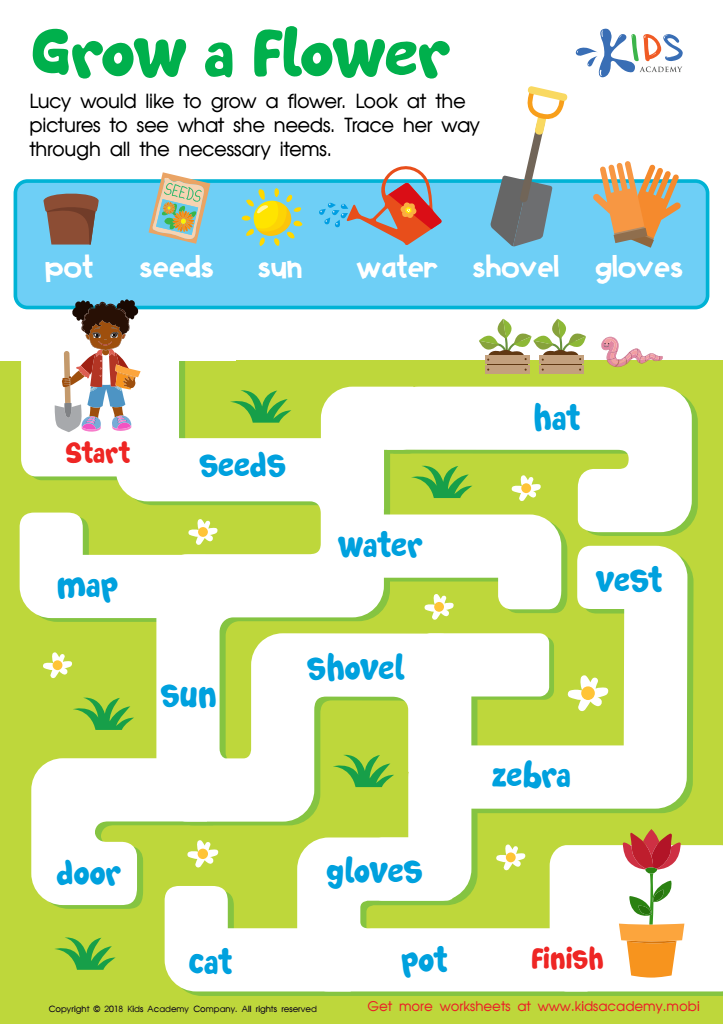
Grow a Flower Worksheet
 Assign to My Students











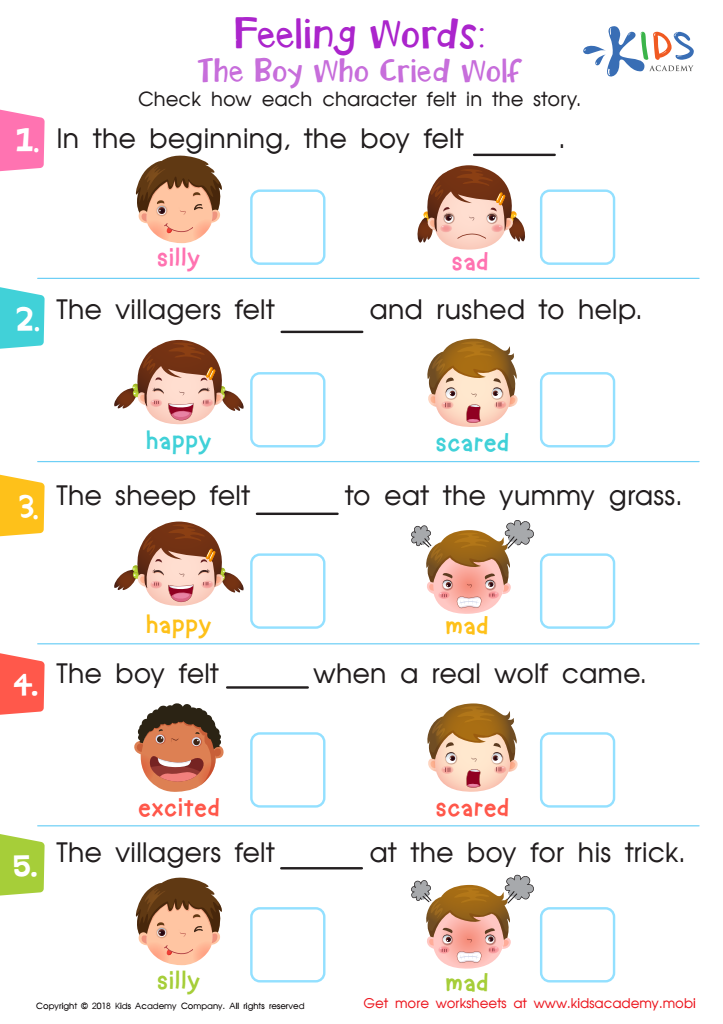
Feeling Words: The Boy Who Cried Wolf Worksheet
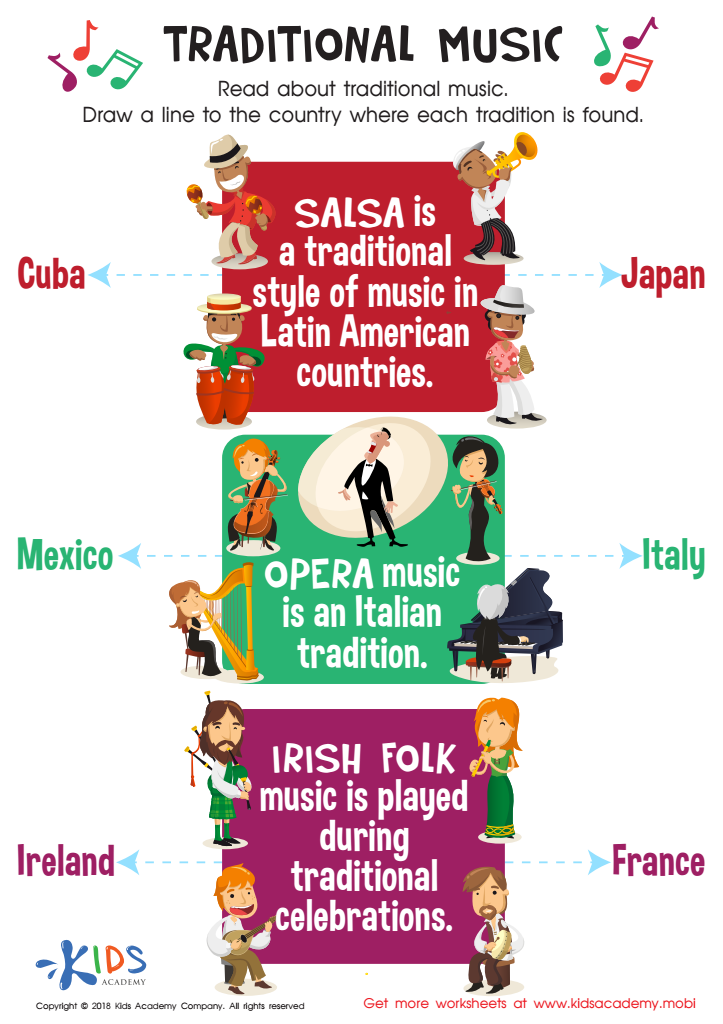
Traditional Music Worksheet
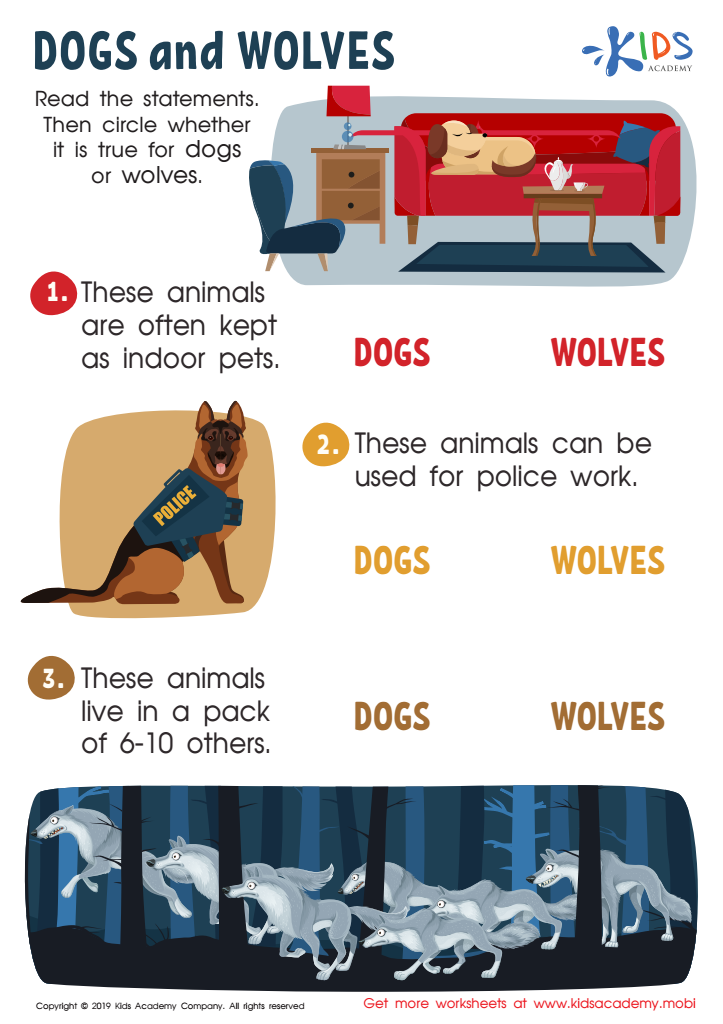
Dogs and Wolves Worksheet
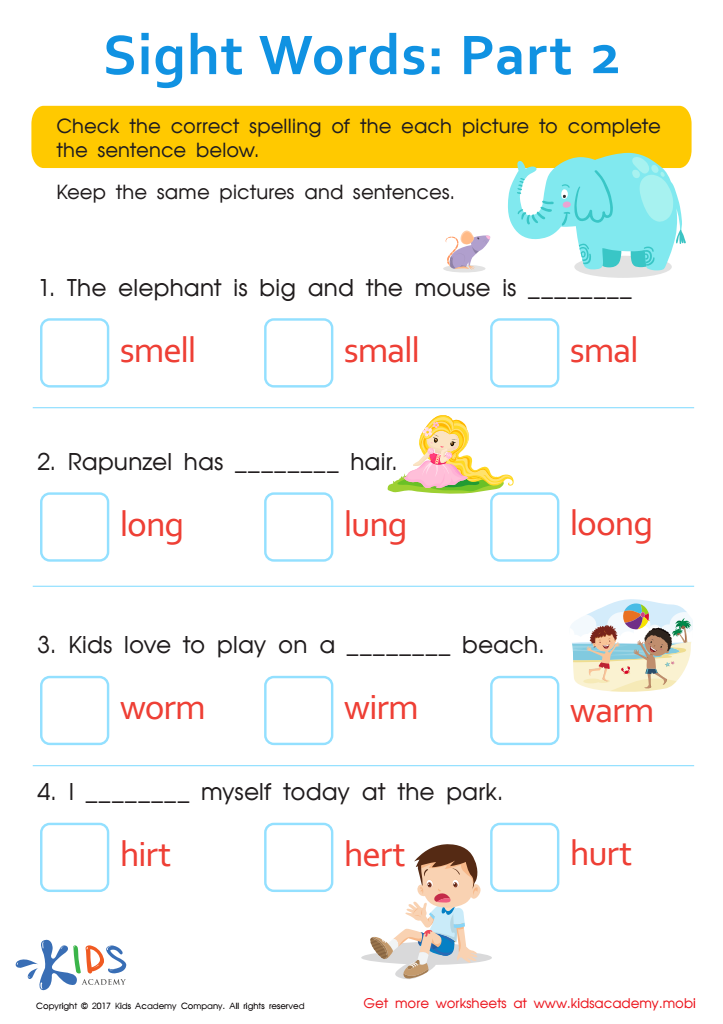
Sight Words Worksheet
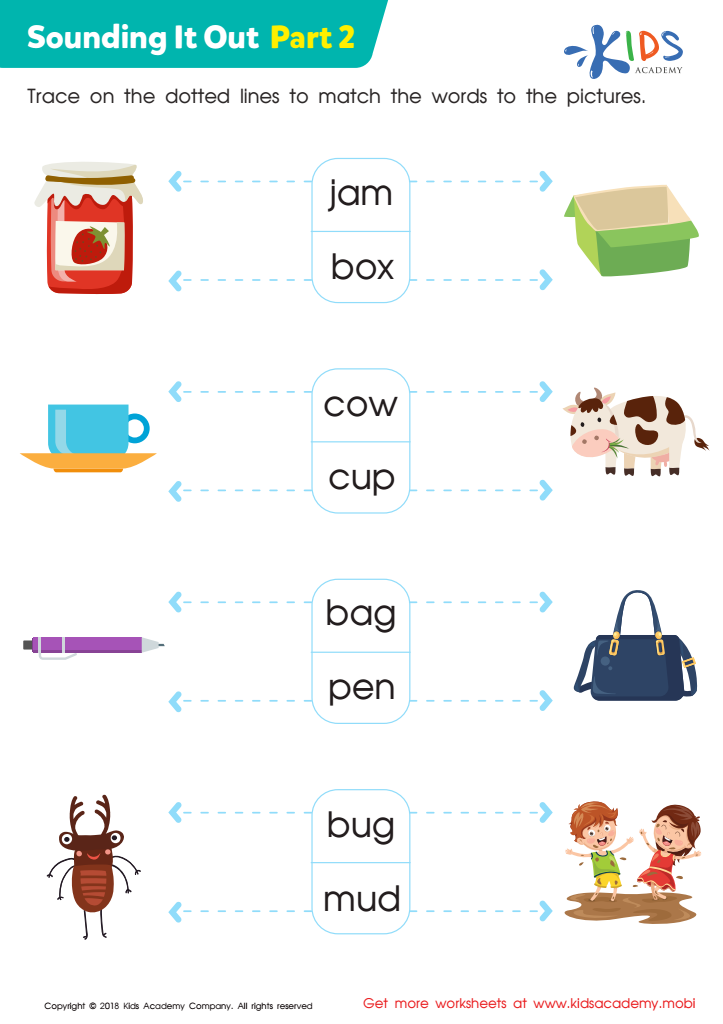
Sounding it Out: Part 2 Worksheet
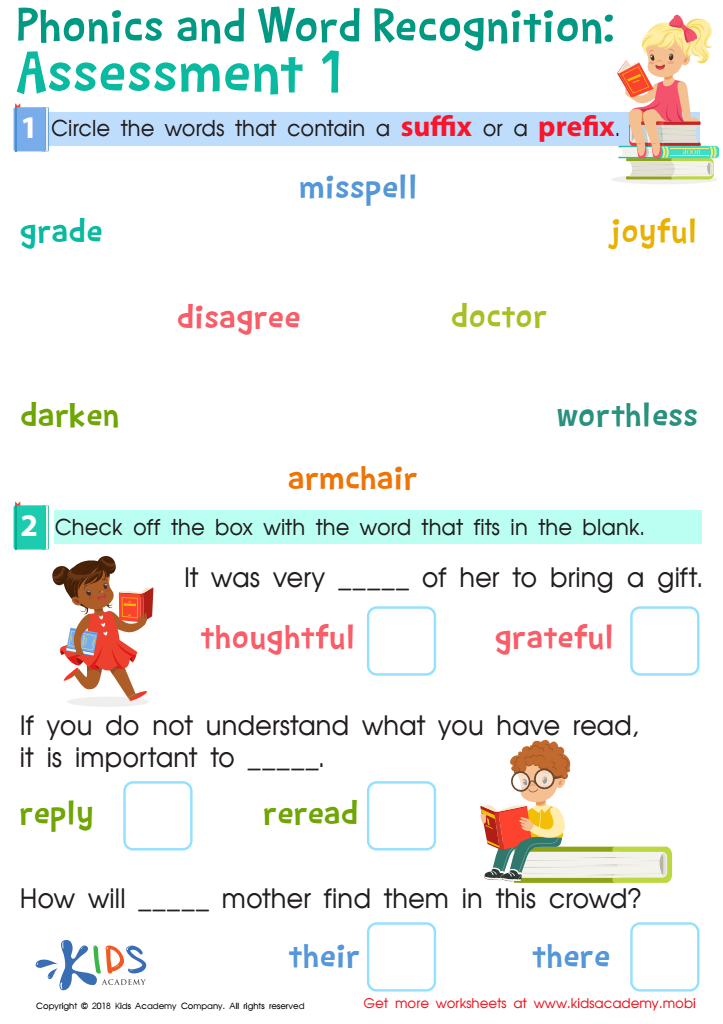
Phonics and Word Recognition: Assessment 1 Worksheet
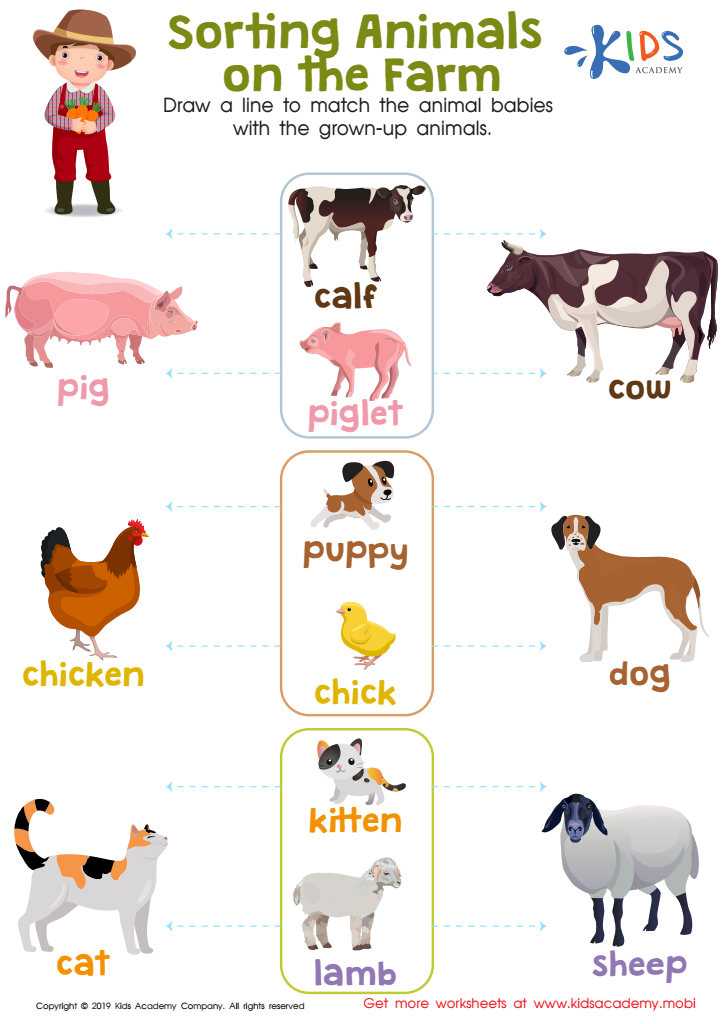
Sorting Animals on the Farm Worksheet
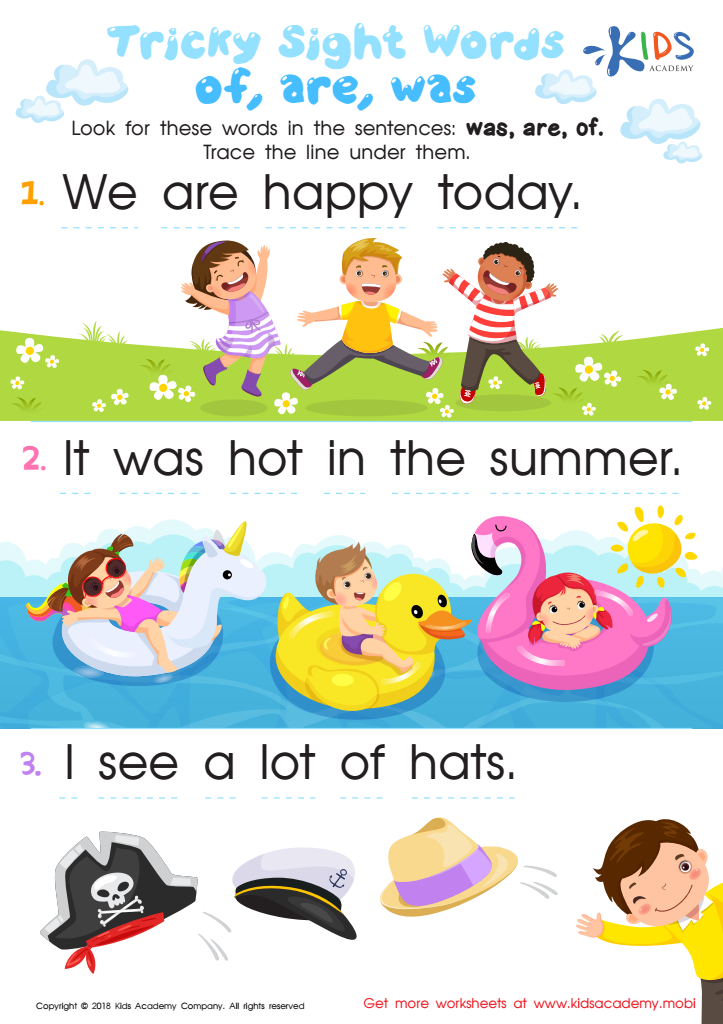
Tricky Sight Words Worksheet
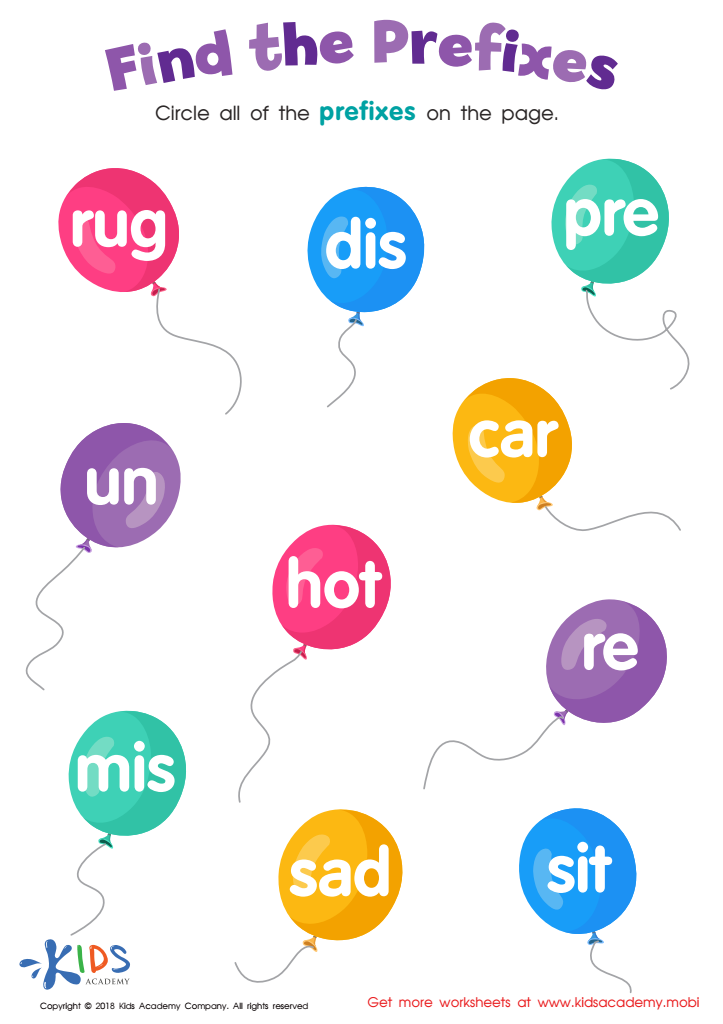
Reading: Find the Prefixes Worksheet
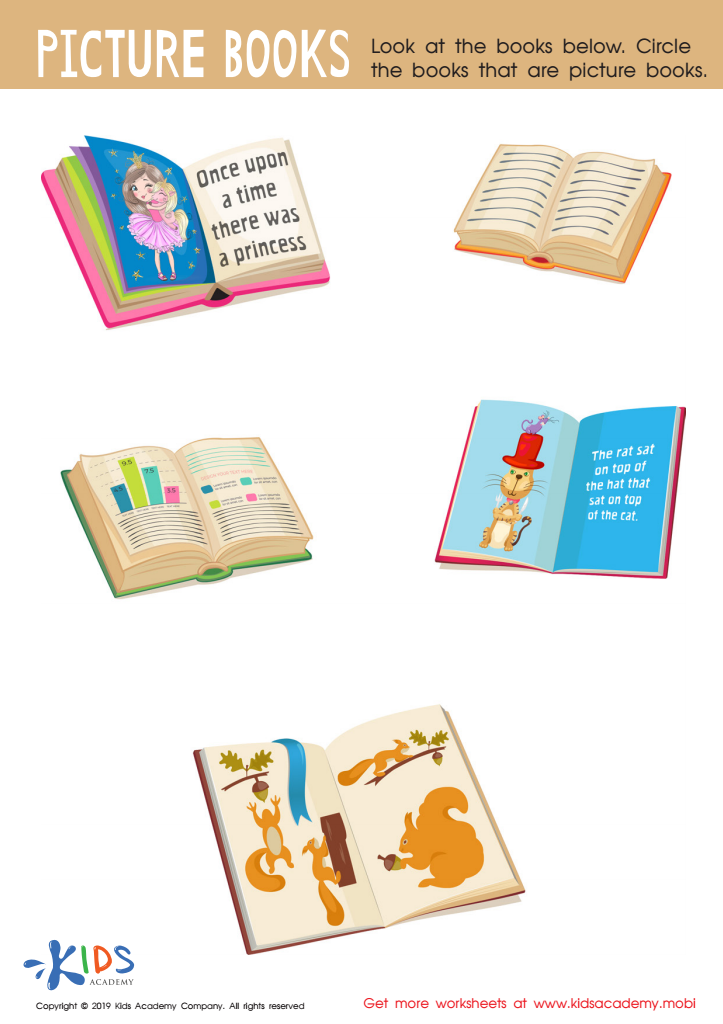
Picture Books Worksheet
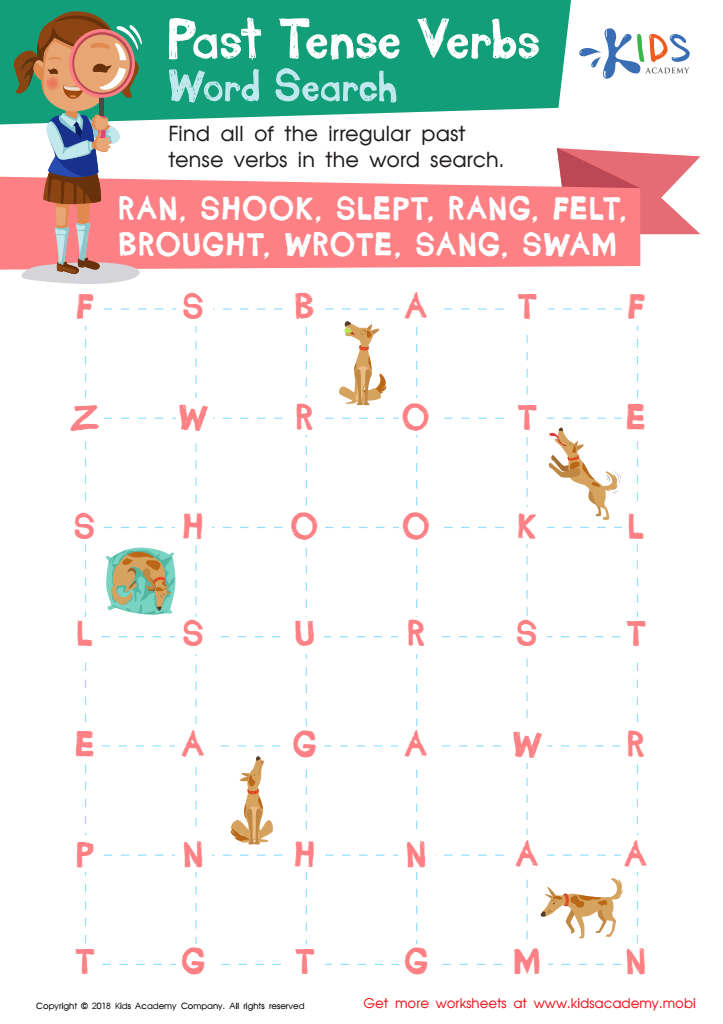
Past Tense Verbs Word Search Worksheet
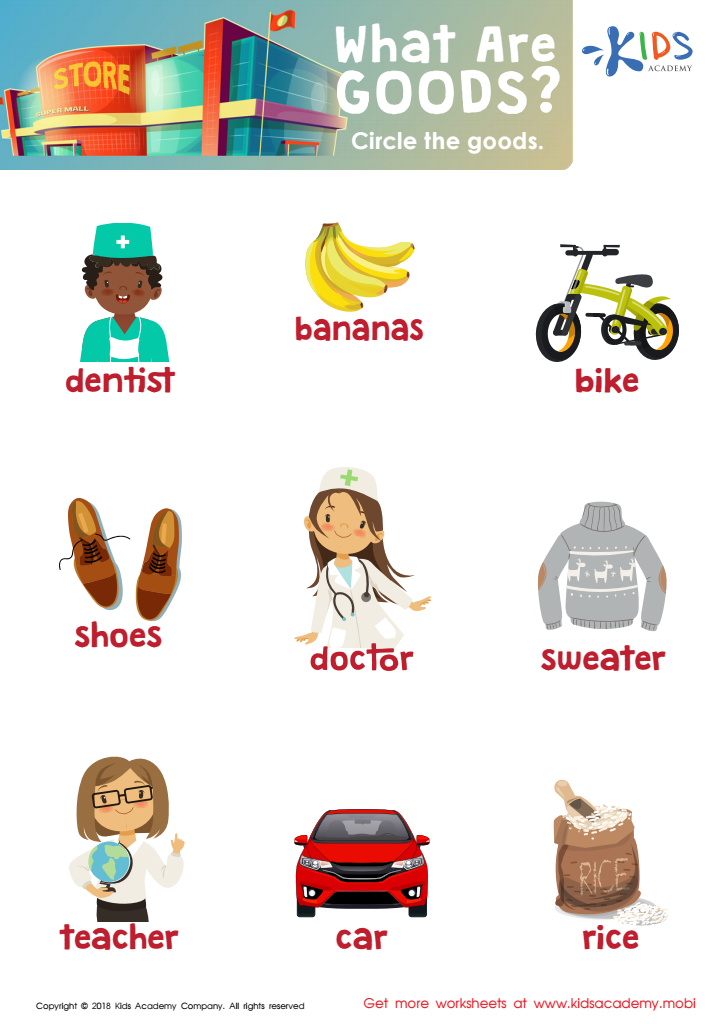
What Are Goods? Worksheet
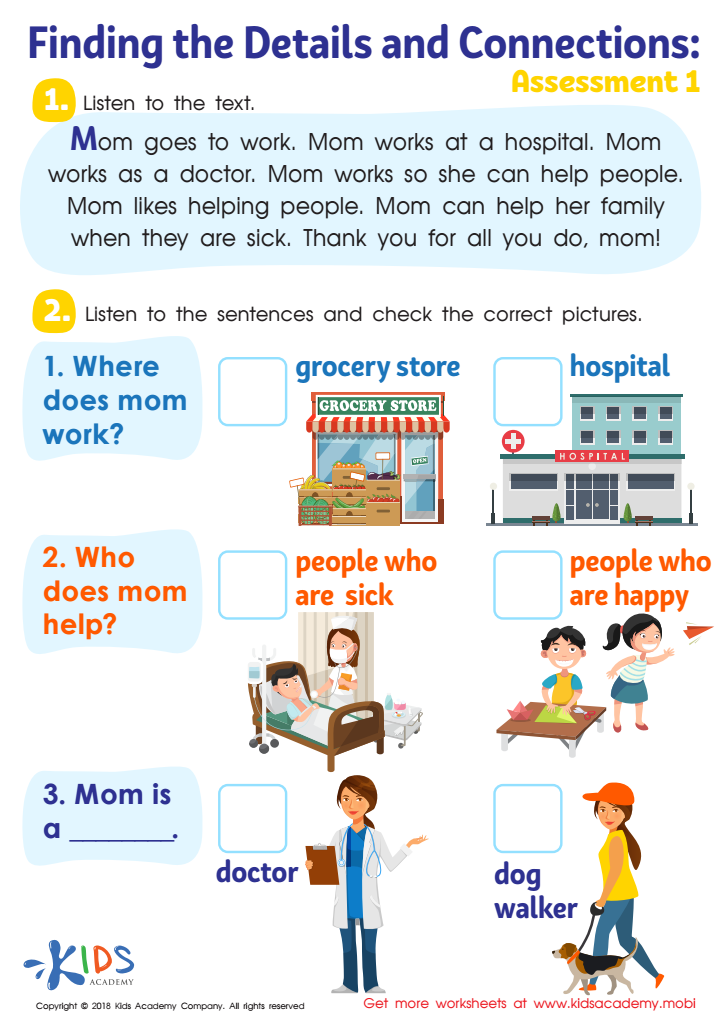
Finding the Details and Connections: Assessment 1 Worksheet
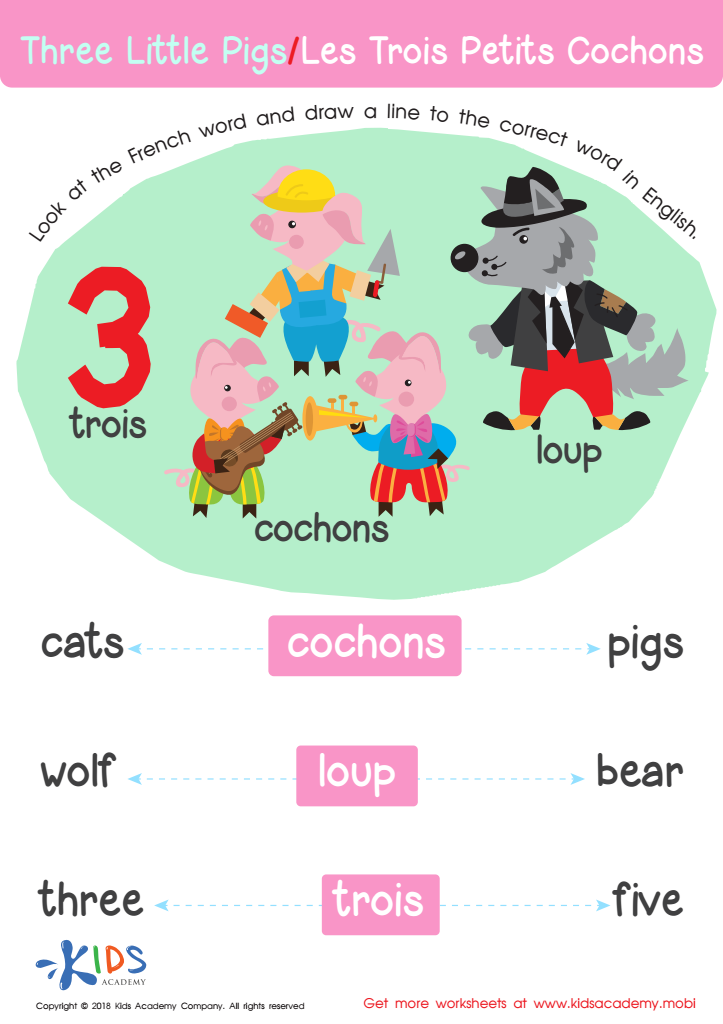
Three Little Pigs / Les Trois Petits Cochons Worksheet
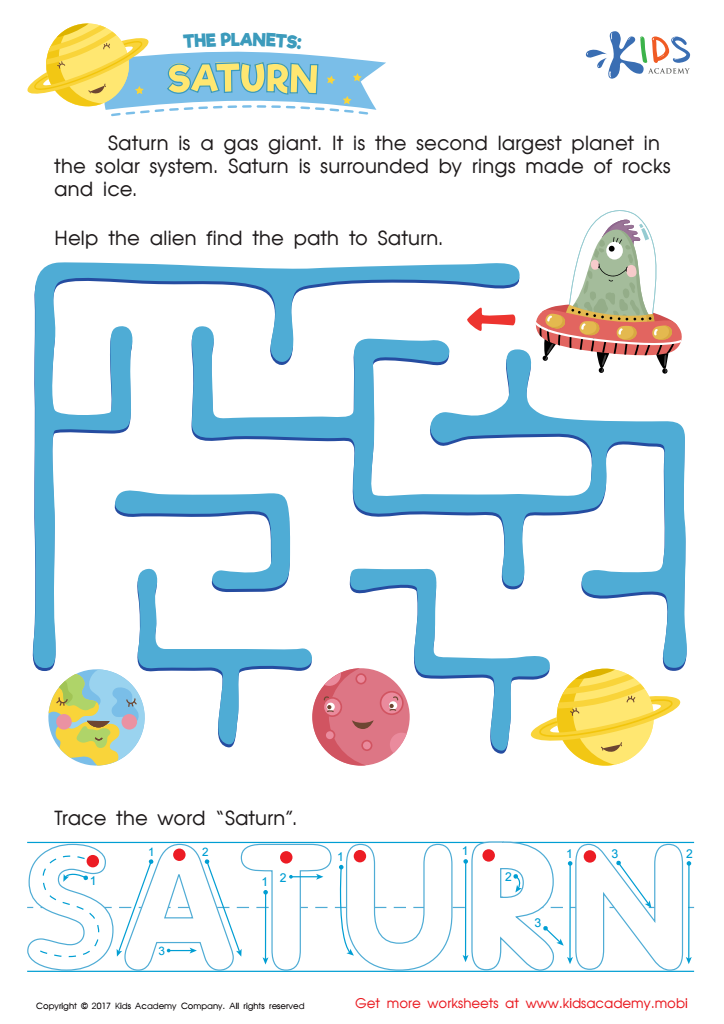
The Planets: Saturn Printable
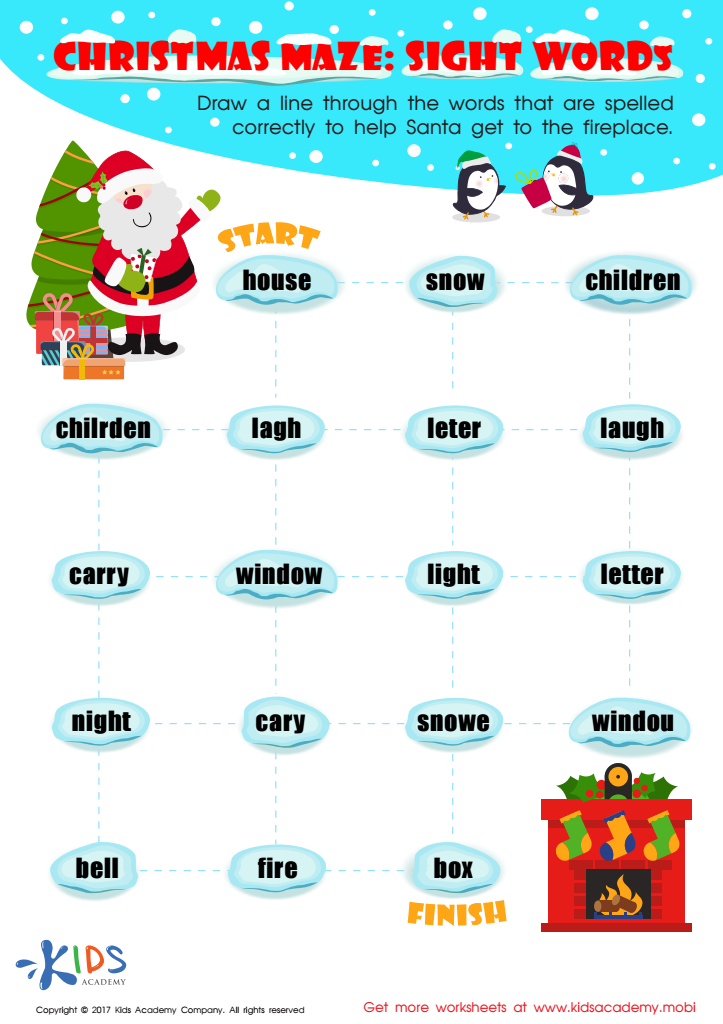
Sight Words Christmas Maze Printable
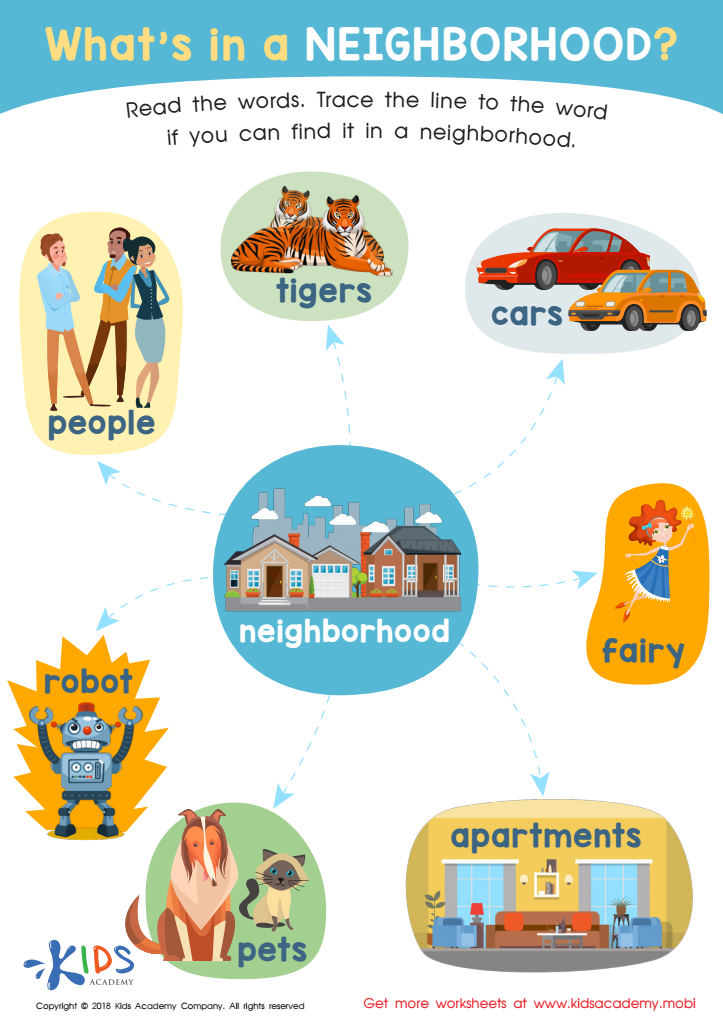
What's in a Neighborhood? Worksheet
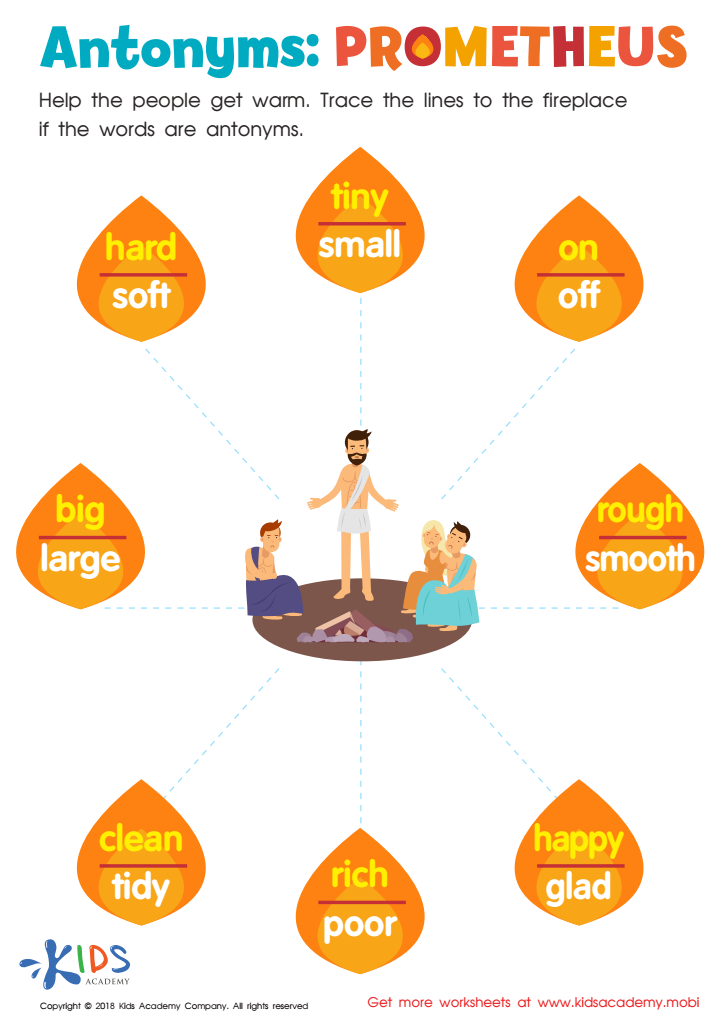
Antonyms: Prometheus Worksheet
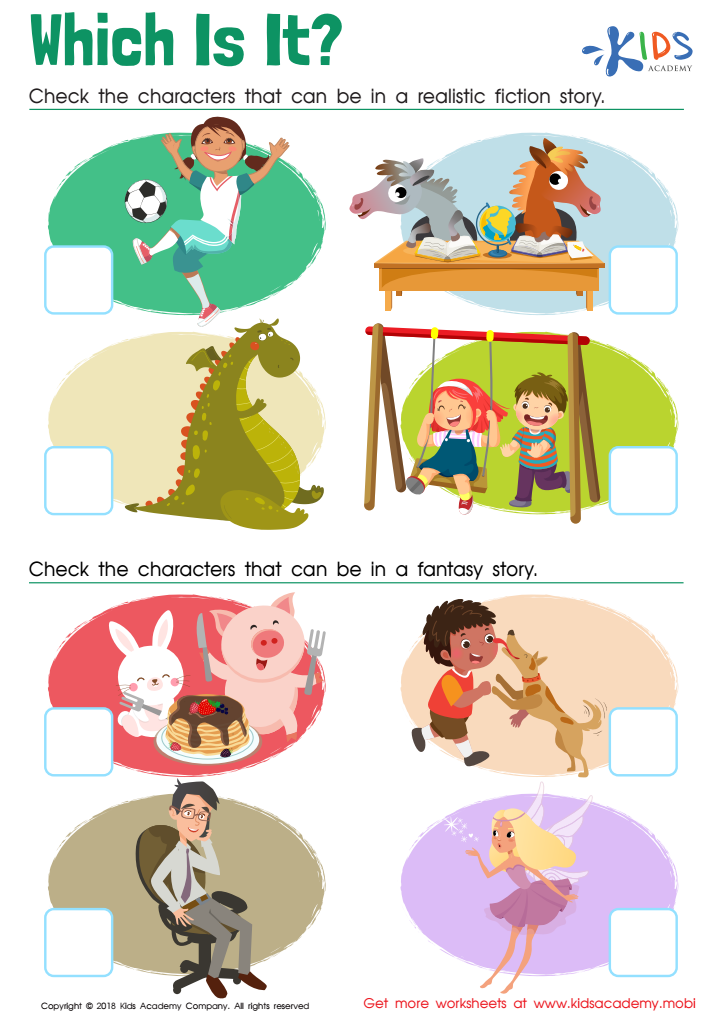
Which Is It? Worksheet
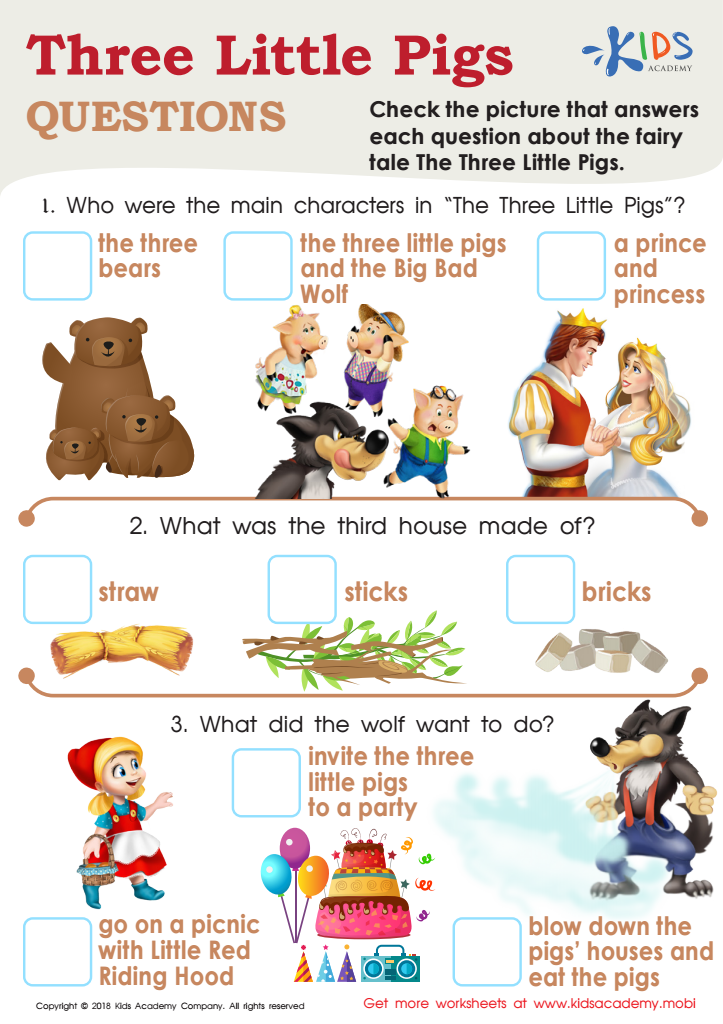
Three Little Pigs Questions Worksheet
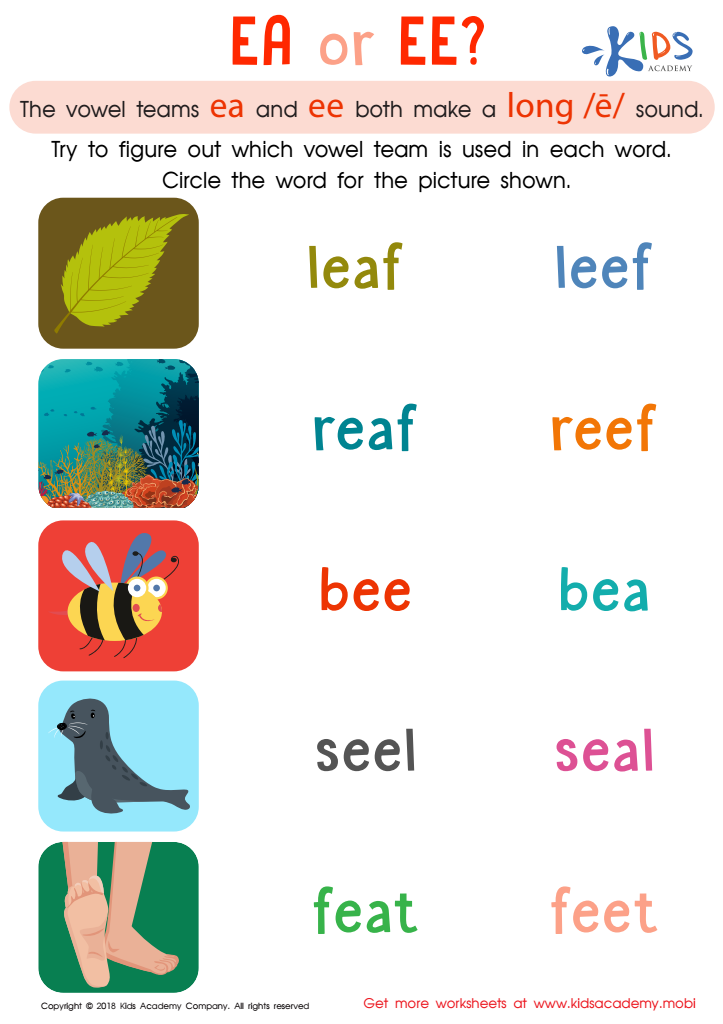
Reading: EA and EE Worksheet
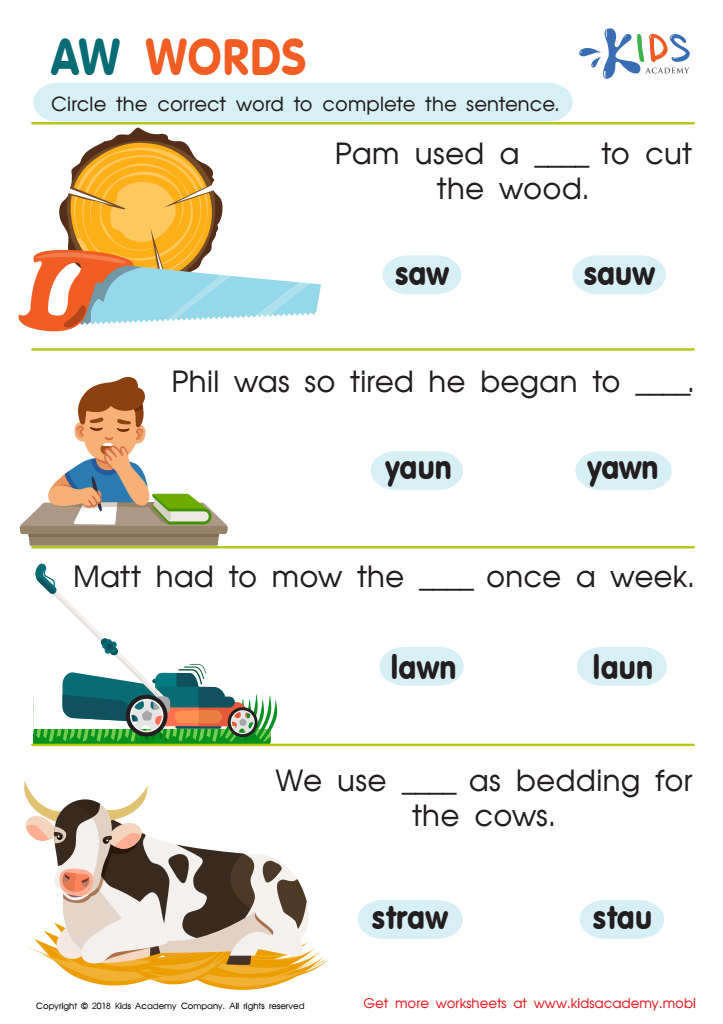
Reading: AW Words Worksheet
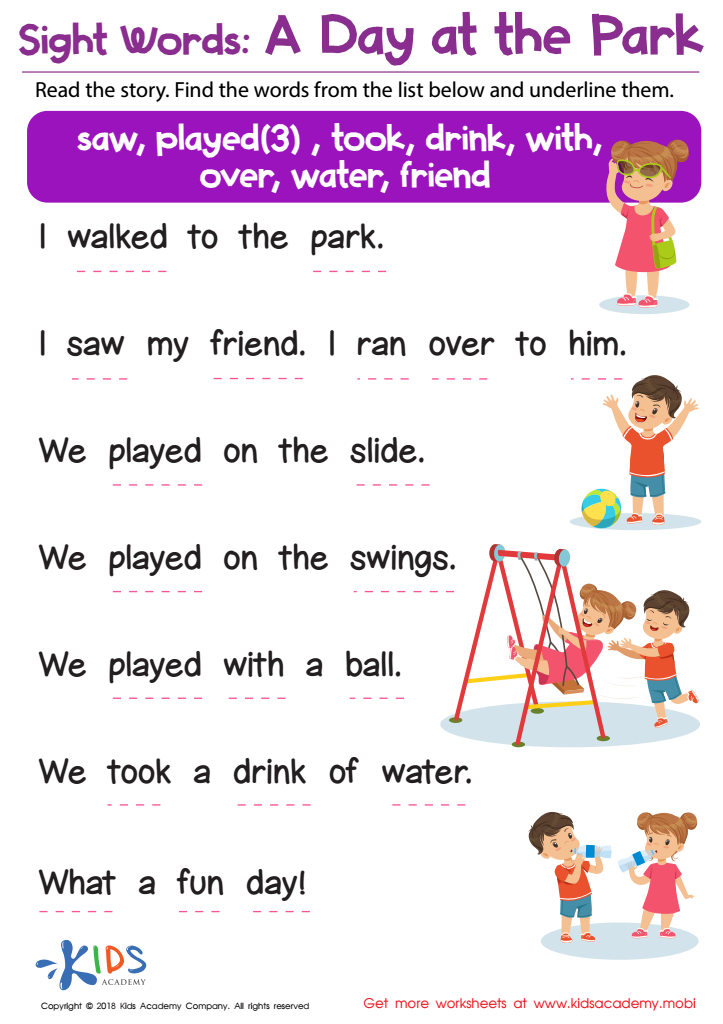
Sight Words: A Day at the Park Worksheet



.jpg)




Building vocabulary for children aged 3 to 8 is crucial for their overall development and success in learning. During these formative years, children are like sponges, eager to absorb new words and concepts. A robust vocabulary enhances their ability to express thoughts and emotions, facilitating effective communication with peers and adults. This foundational skill boosts confidence, encouraging children to share ideas and ask questions, which further deepens their understanding of their surroundings.
Moreover, a rich vocabulary is inherently tied to literacy skills. As children learn to read, a well-developed vocabulary assists in comprehension, enabling them to grasp the meaning of texts more easily. Early exposure to diverse words significantly impacts future academic performance, as studies show that vocabulary size at a young age predicts reading success and overall school achievement.
Parents and teachers play a pivotal role in this development by creating engaging language-rich environments—whether through reading aloud, interactive conversations, or educational activities that introduce new words. By prioritizing vocabulary building, both parents and educators contribute to nurturing curious, articulate, and academically proficient children who are well-equipped to face future challenges. Investing in vocabulary development now signifies a commitment to lifelong learning and success in their educational journey.








