Logical Reasoning Normal Reading Worksheets for Ages 3-8
11 filtered results
-
From - To
Our "Logical Reasoning Normal Reading Worksheets for Ages 3-8" are crafted to develop critical thinking and reading skills in young learners. These fun and engaging printables are designed to challenge children's logical reasoning abilities while enhancing their comprehension and problem-solving skills. Each worksheet is tailored to be age-appropriate and stimulates cognitive development through playful, contextually rich content. Ideal for building foundational skills that support both reading and logical reasoning, our worksheets ensure your child is both entertained and educated. Empower your child's learning journey with these thoughtfully created resources from Kids Academy.
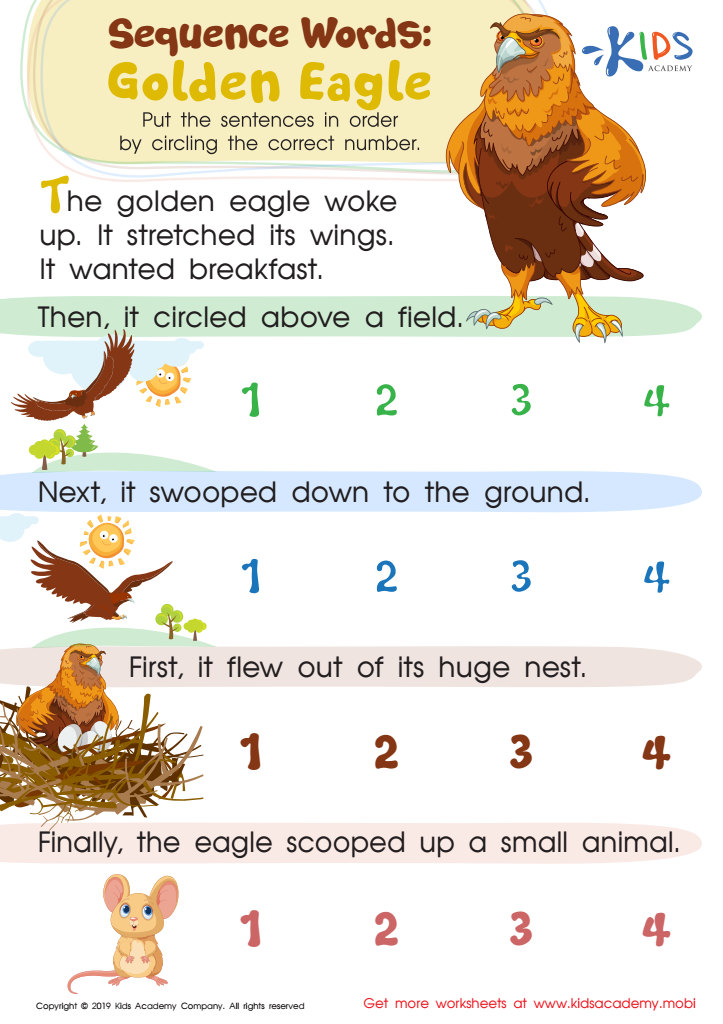
Sequence Word Eagle Worksheet
 Assign to My Students
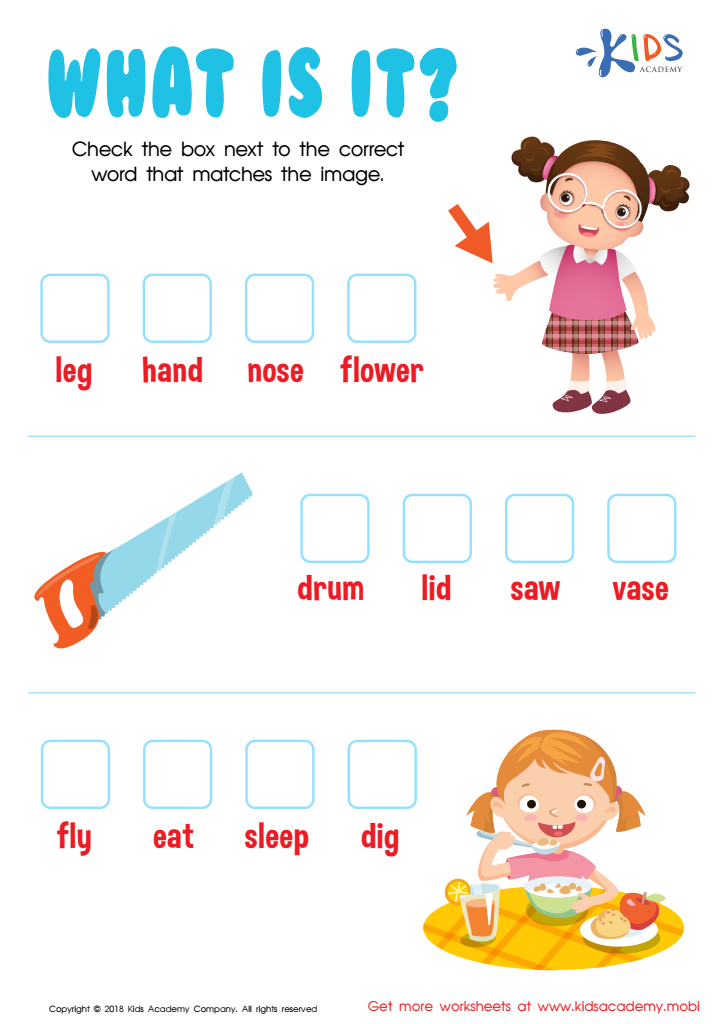
What Is It? Worksheet
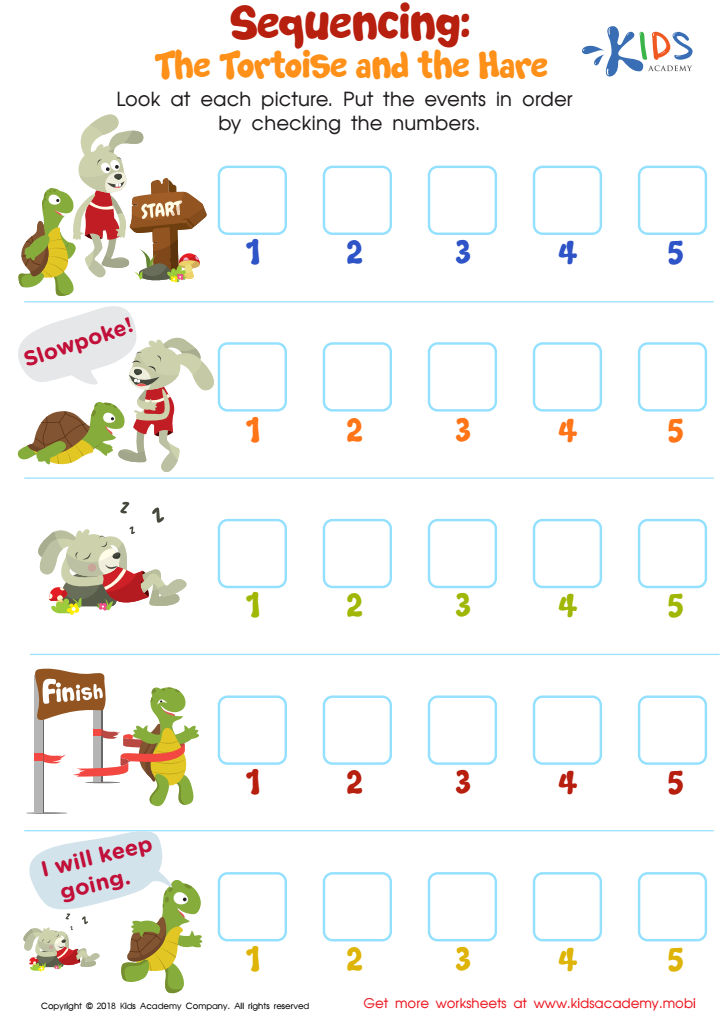
Sequencing: The Tortoise and the Hare Worksheet
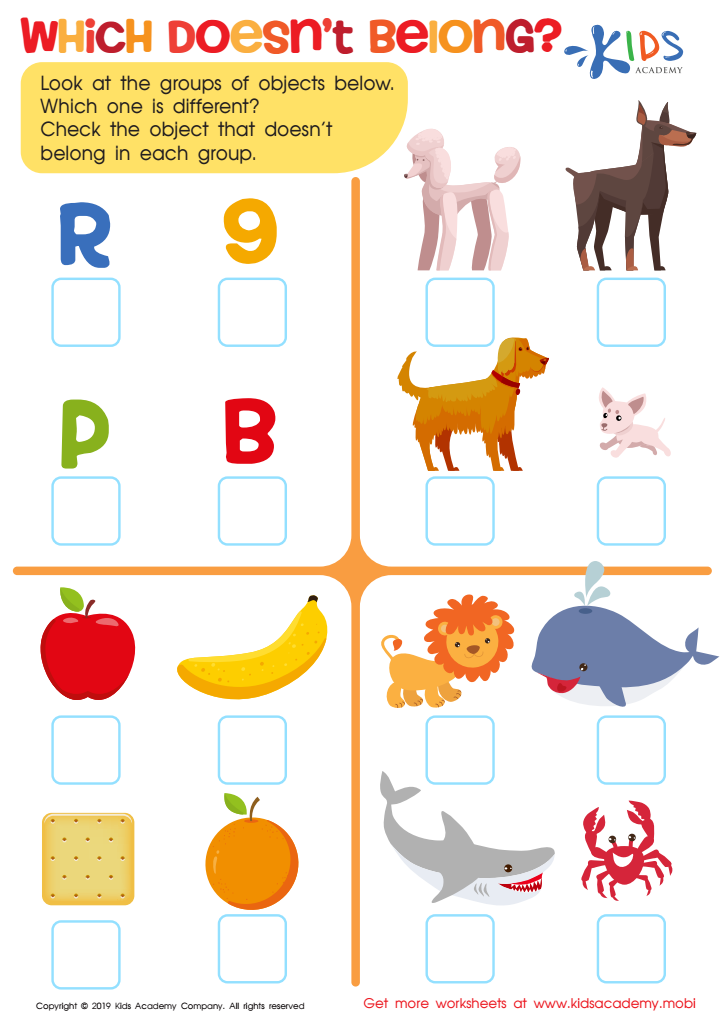
Which Doesn't Belong? Worksheet
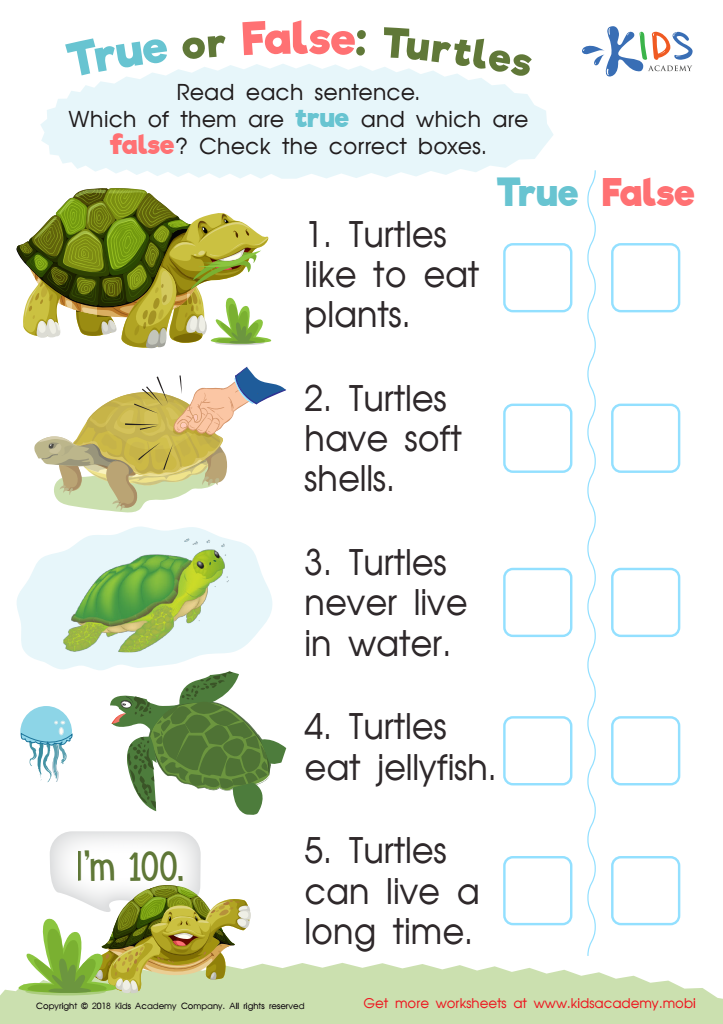
True or False: Turtles Worksheet
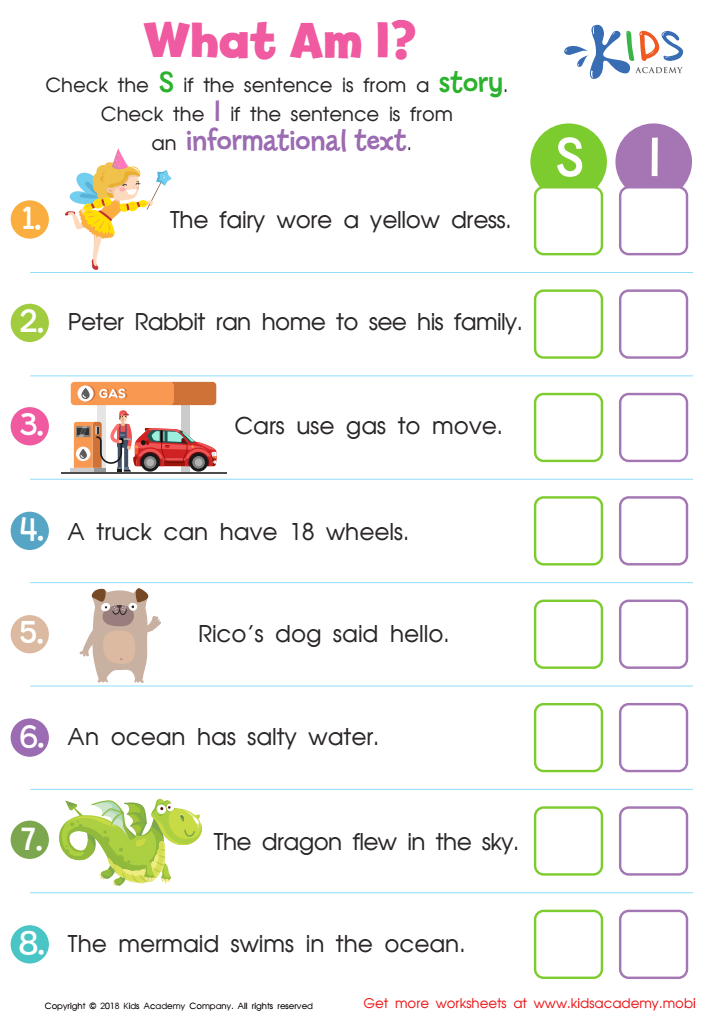
What Am I? Worksheet
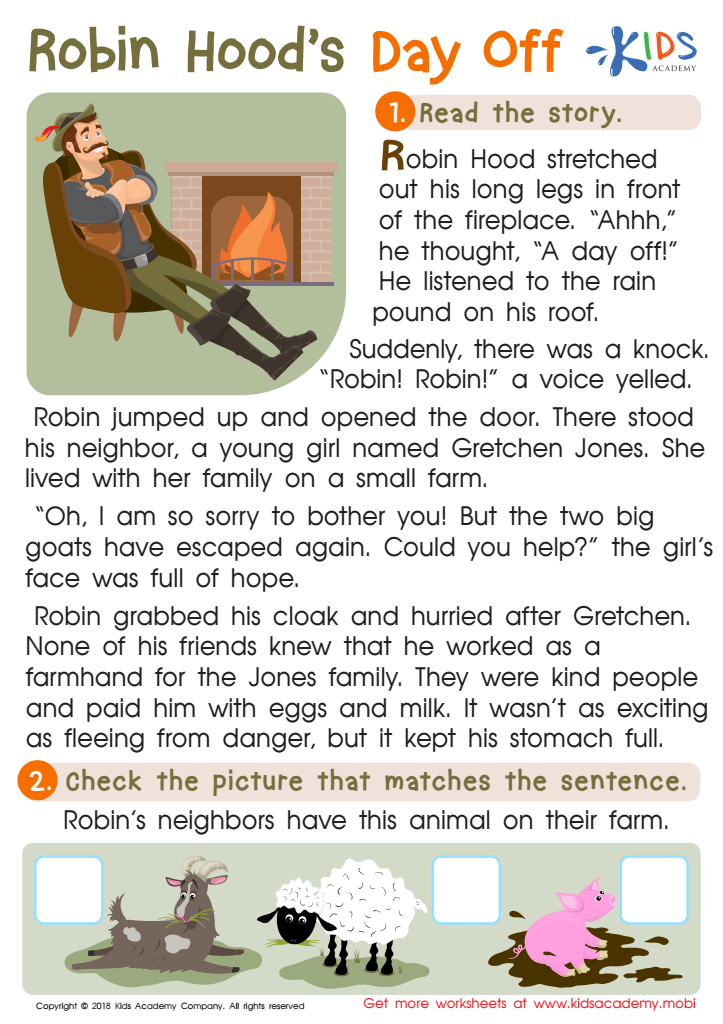
Robin Hood's Day Off Worksheet
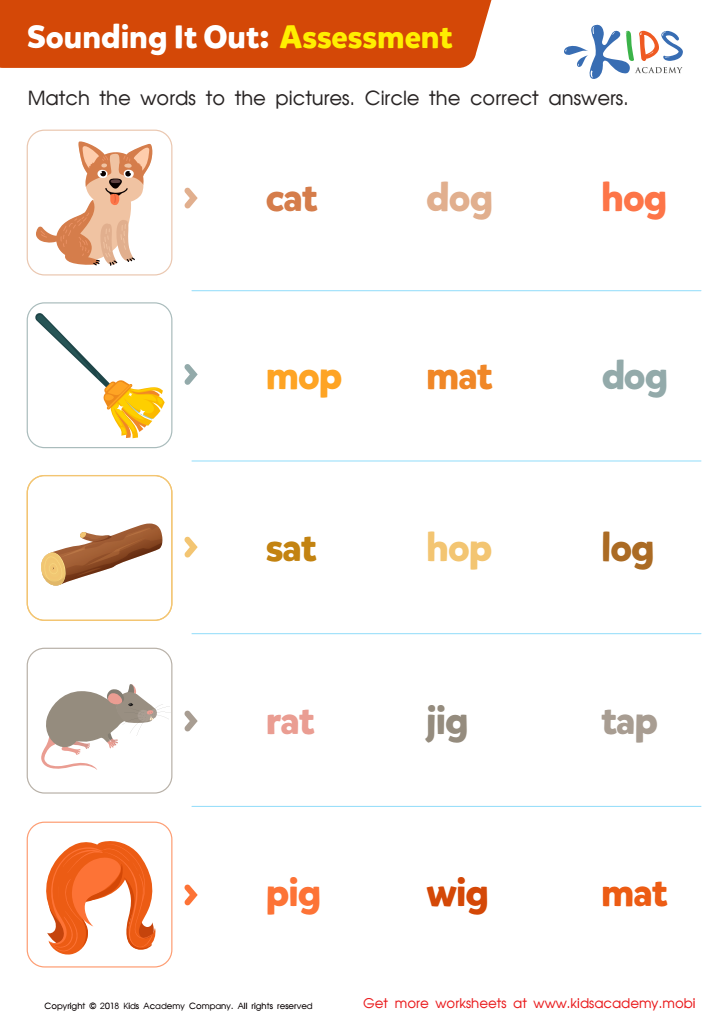
Sounding it Out: Assessment Worksheet
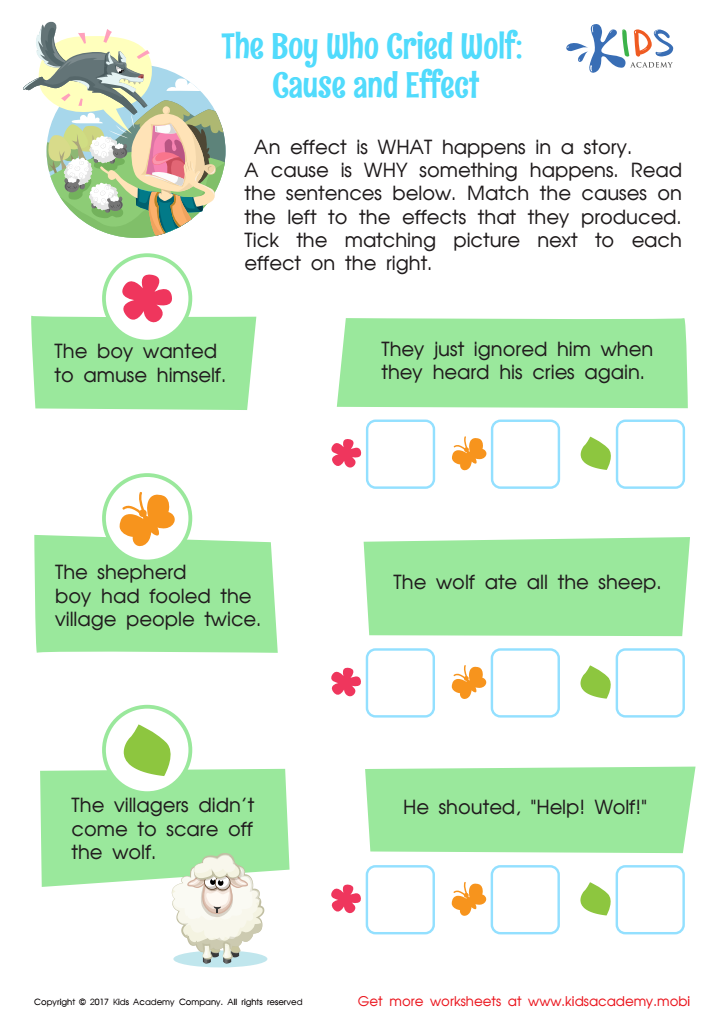
The Boy Who Cried Wolf: Cause and Effect Worksheet
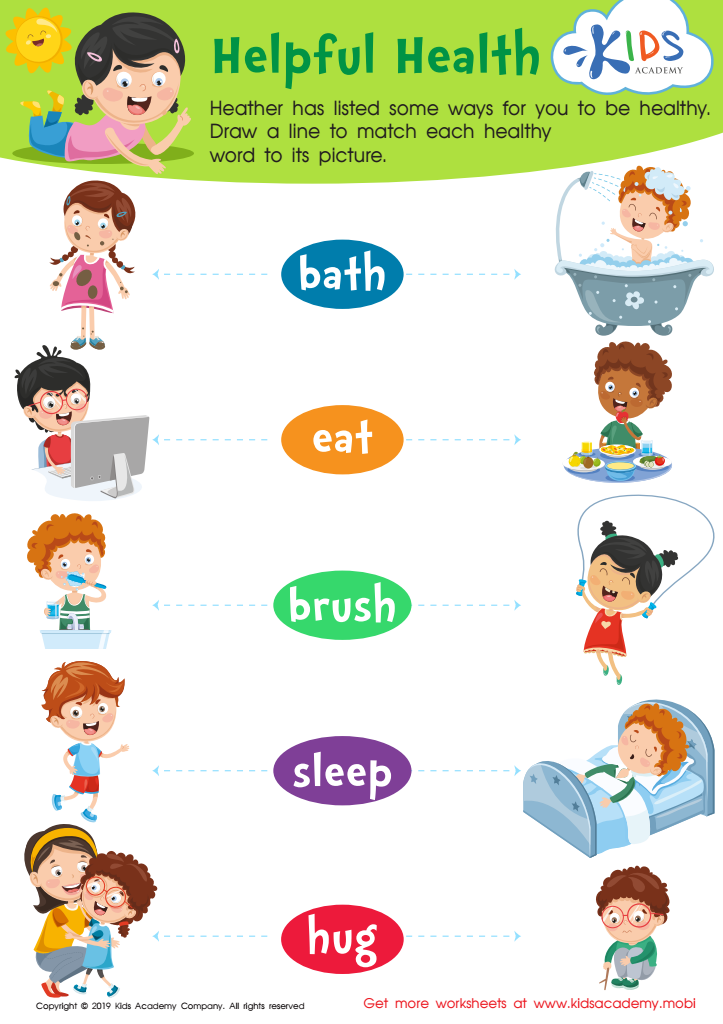
Helpful Health Worksheet
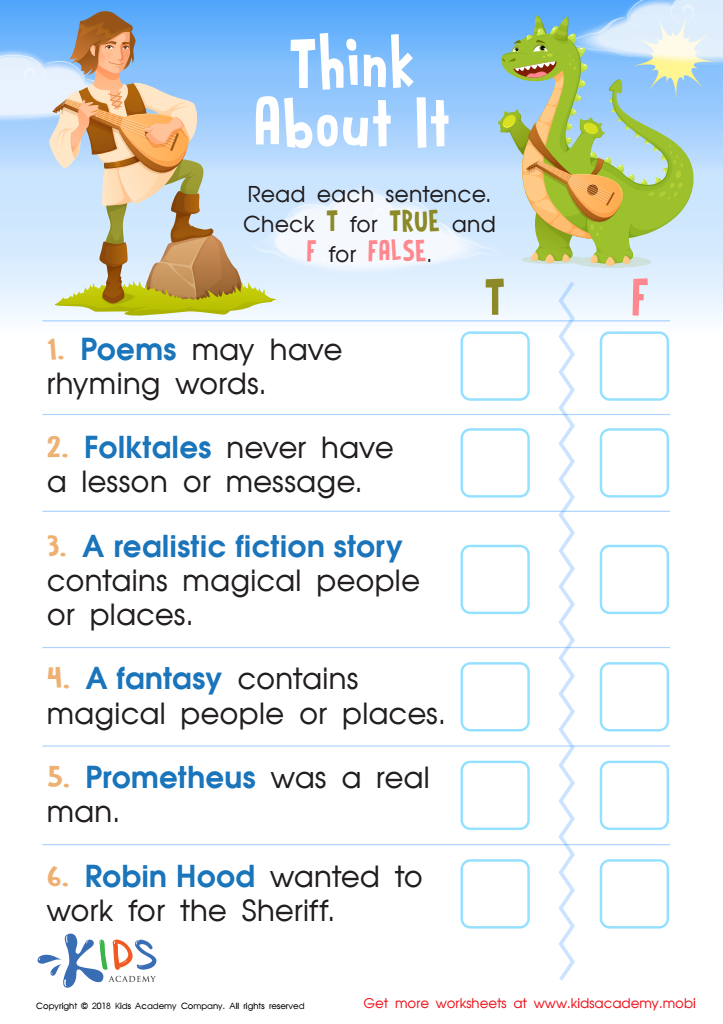
Think About It: Assessment Worksheet



.jpg)


Logical reasoning and normal reading abilities are foundational skills that dramatically impact the cognitive and academic development of children between the ages of 3-8. During these formative years, young children experience rapid brain development, and it's crucial to provide opportunities that promote critical thinking and literacy.
Logical reasoning helps children to structure their thoughts, solve problems, and make decisions. This skill is intrinsically linked to math and science competencies, setting the stage for future academic success in STEM fields. By engaging in activities that require reasoning, like puzzles and simple strategy games, children develop the ability to analyze information and foresee possible outcomes. Such skills are essential for problem-solving both in social contexts and in learning new material across subjects.
Normal reading, on the other hand, is the cornerstone of literacy education. Reading fluently improves language skills, enhances vocabulary, and builds comprehension capabilities. Early exposure to reading helps children recognize letters, sounds, and eventually understand word meanings and sentence structures. Regular reading fosters a love for literature and learning, laying down a lifelong habit and appetite for knowledge.
Caring about these skills from an early age equips children with robust cognitive tools, academic preparedness, and a thirst for continuous learning. Engaging parents and teachers in fostering logical reasoning and reading ensures that children are well-prepared for the demands of more structured learning environments in their later school years.








