Problem-Solving Skills Normal Reading Worksheets for Ages 3-8
17 filtered results
-
From - To
Unlock your child's potential with our Problem-Solving Skills Reading Worksheets, specially crafted for ages 3-8. These engaging worksheets are designed to enhance critical thinking and comprehension by presenting relatable scenarios and challenges suited for young minds. Each activity seamlessly integrates reading with problem-solving tasks, fostering cognitive development and analytical skills. Ideal for early learners, these worksheets balance fun and education, helping your child build a strong foundation in both reading and logical reasoning. Inspire creativity and strategic thinking in your child's learning journey with our expertly designed resources. Start their success story today!
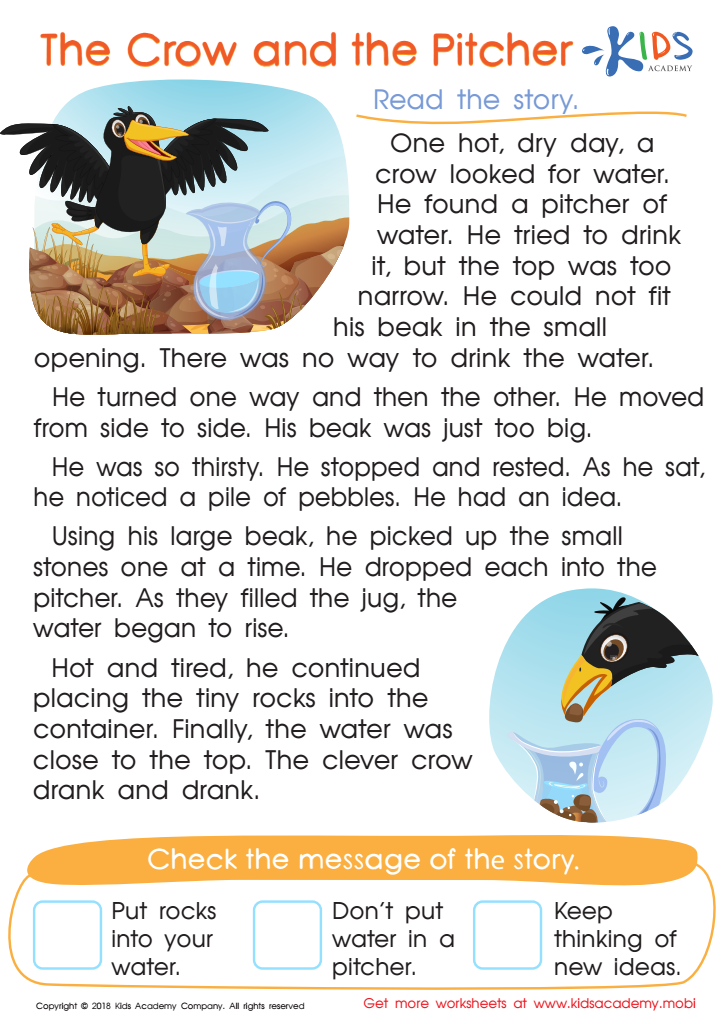
The Crow and the Pitcher Worksheet
 Assign to My Students
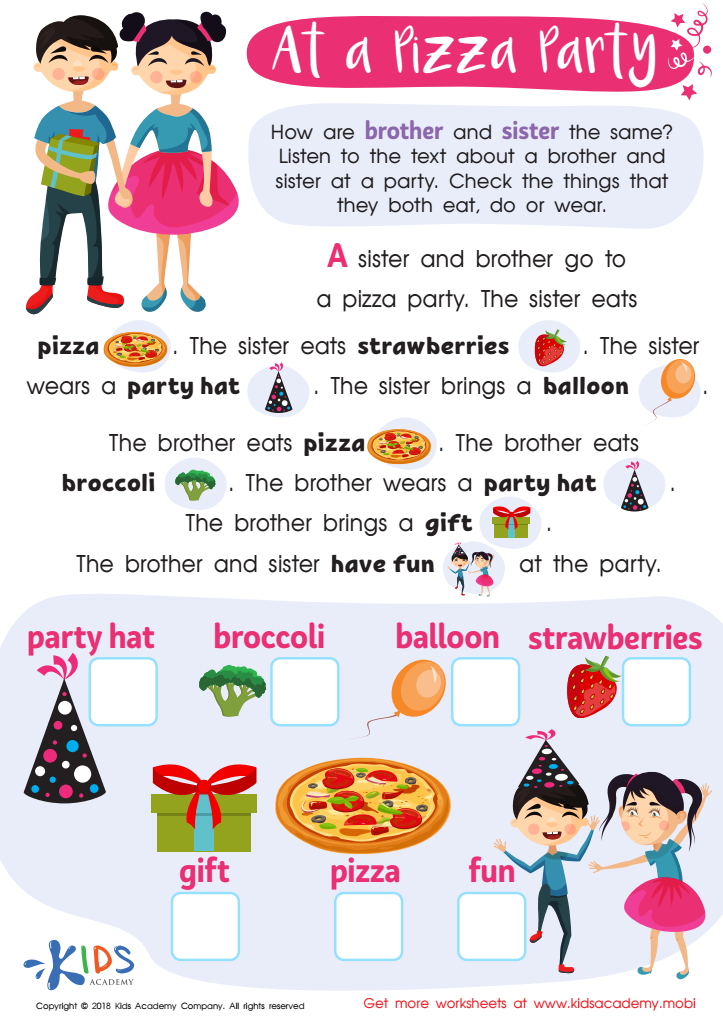
At a Pizza Party Worksheet
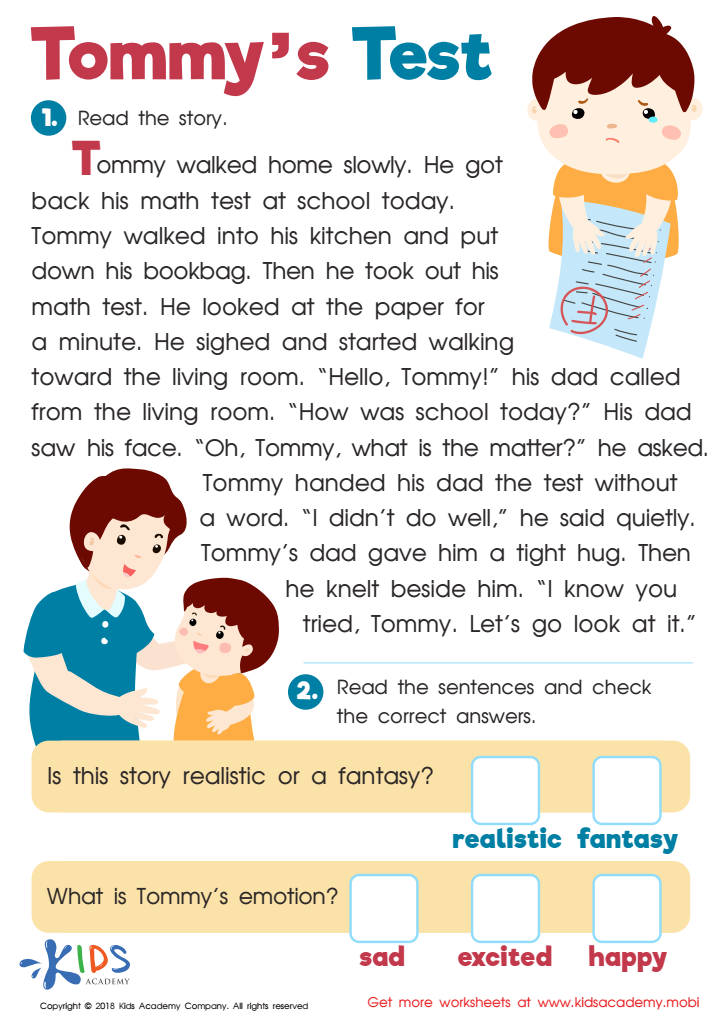
Tommys Test Worksheet
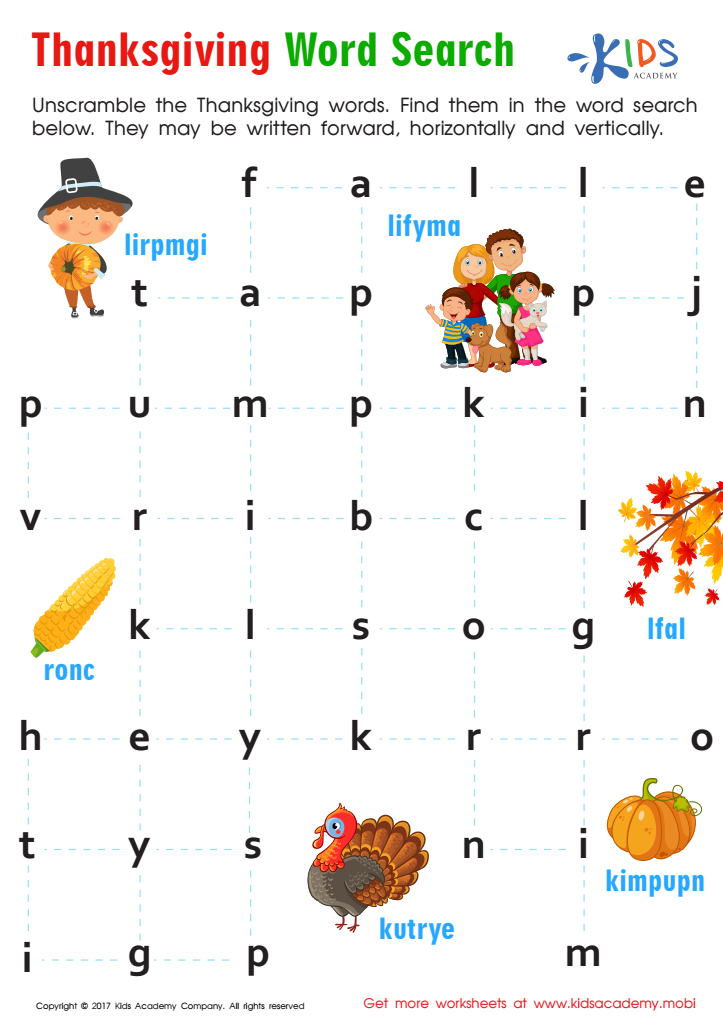
Thanksgiving Word Search Sight Words Worksheet
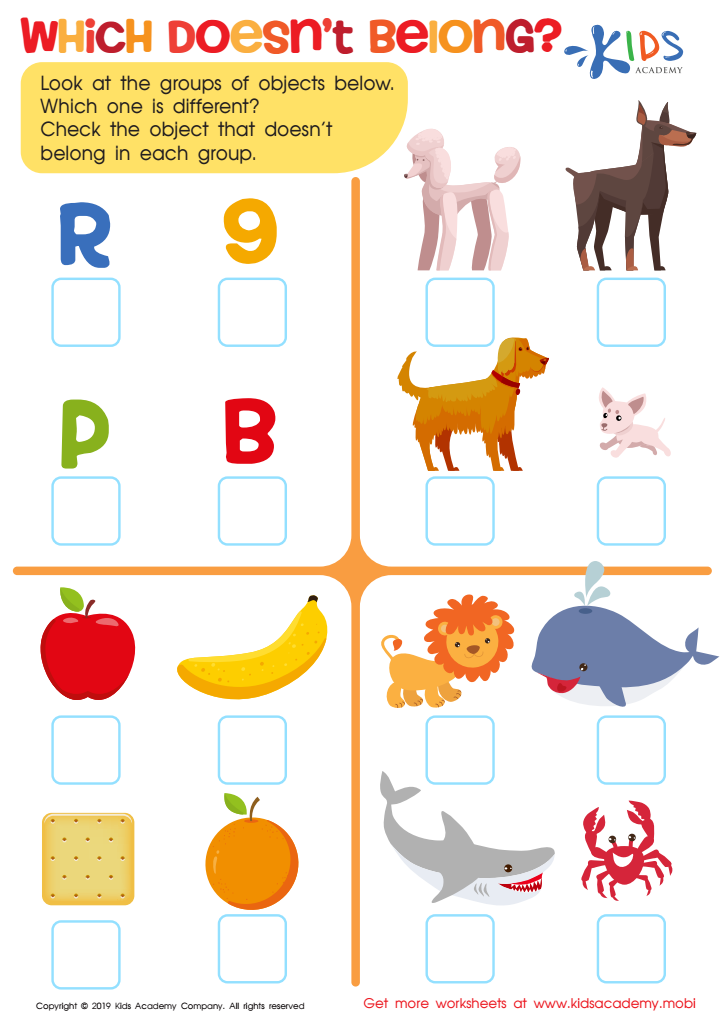
Which Doesn't Belong? Worksheet
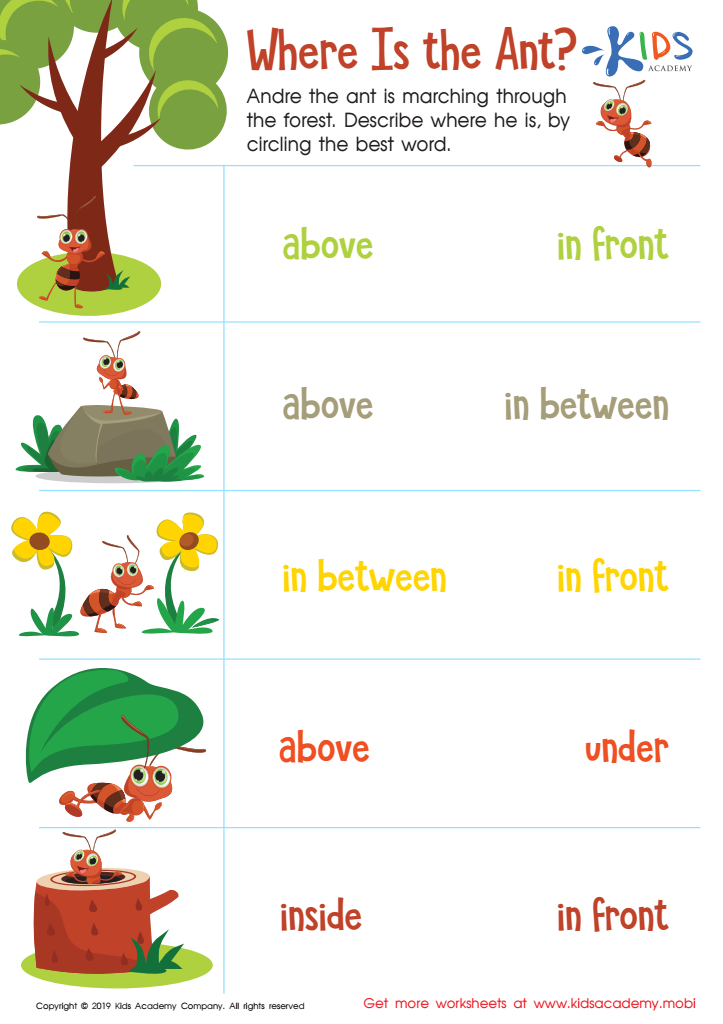
Where Is the Ant? Worksheet
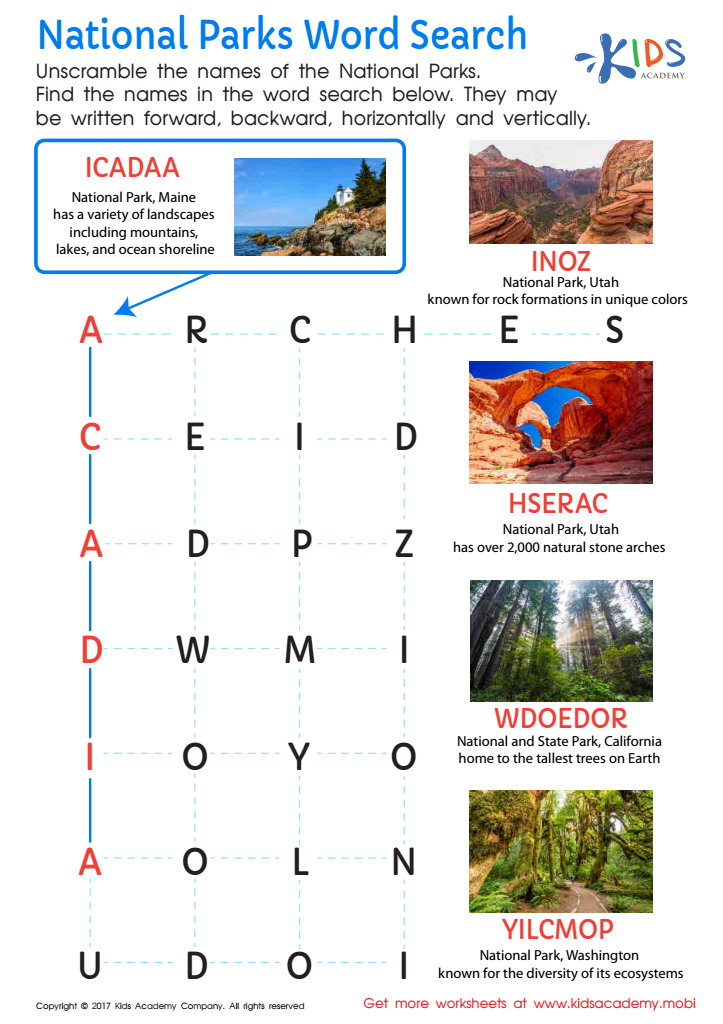
National Parks Word Search Worksheet
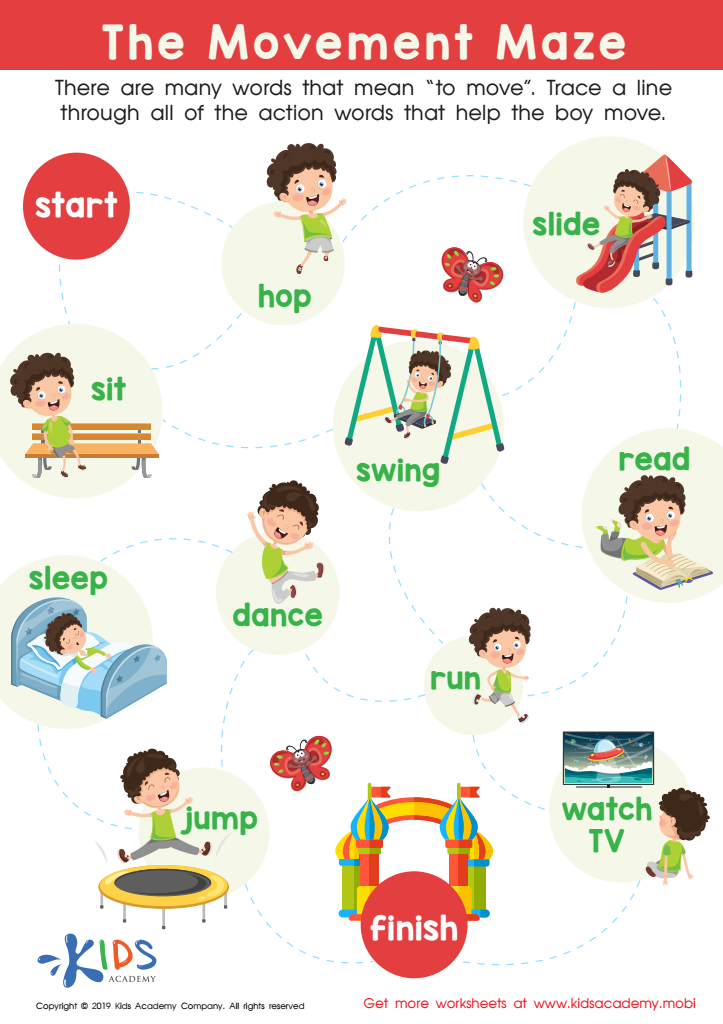
The Movement Maze Worksheet
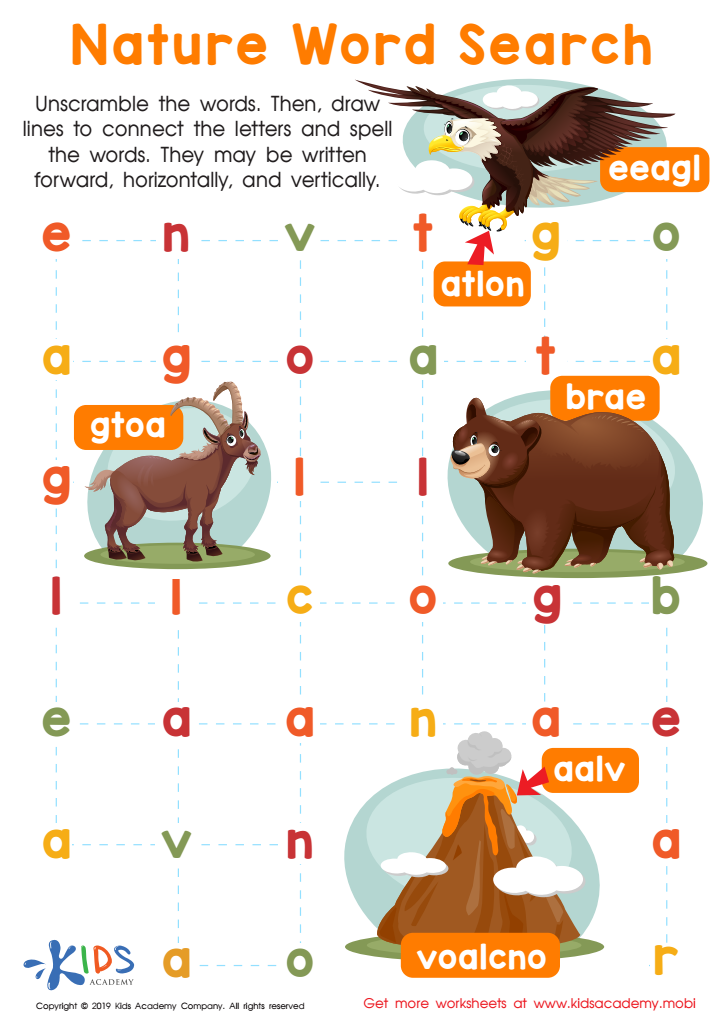
Nature Word Search Worksheet
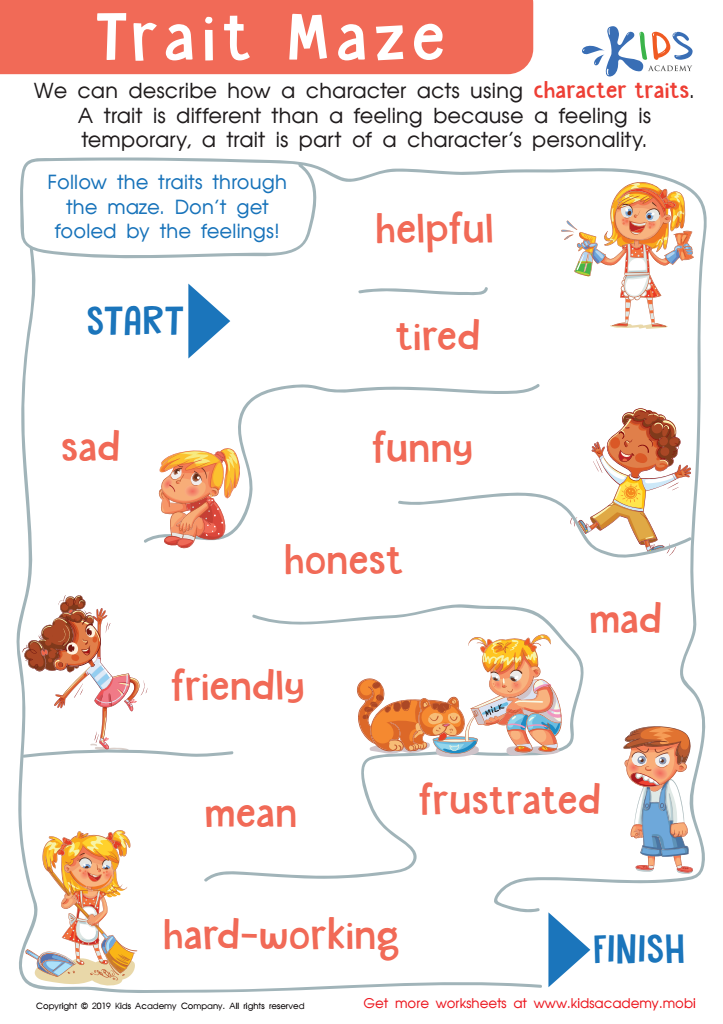
Trait Maze Worksheet
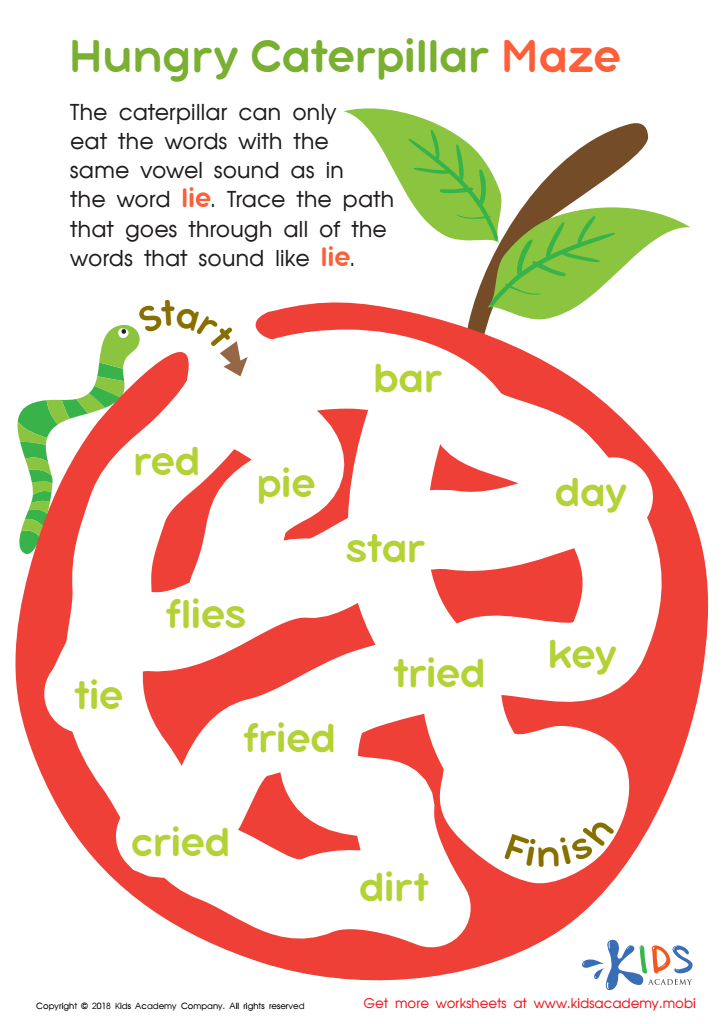
Hungry Caterpillar Maze Worksheet
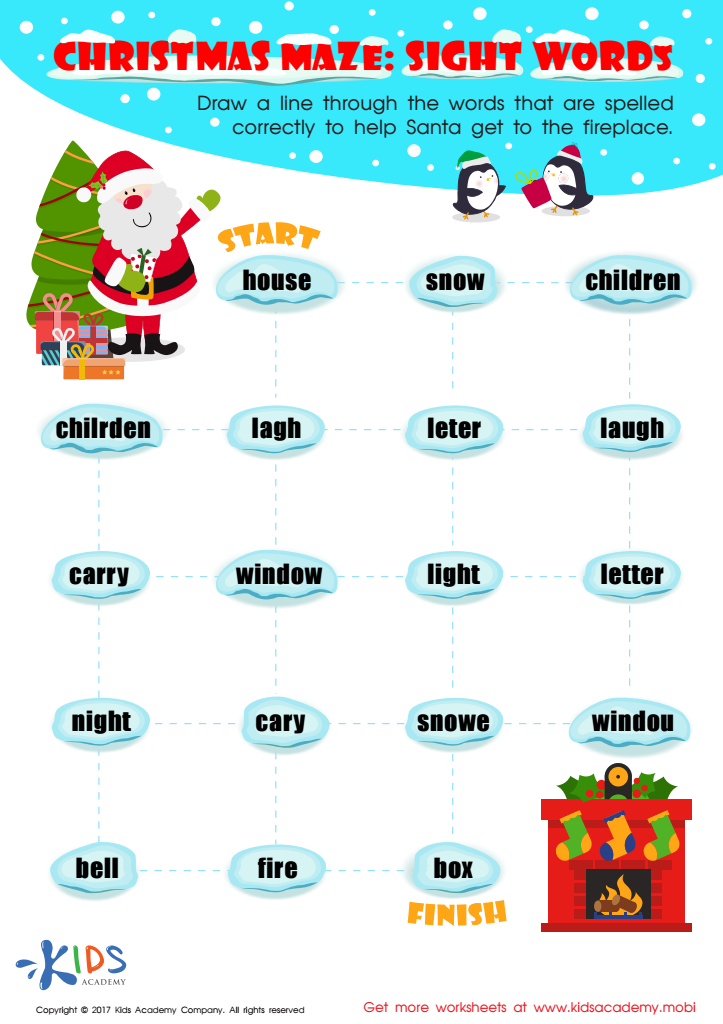
Sight Words Christmas Maze Printable
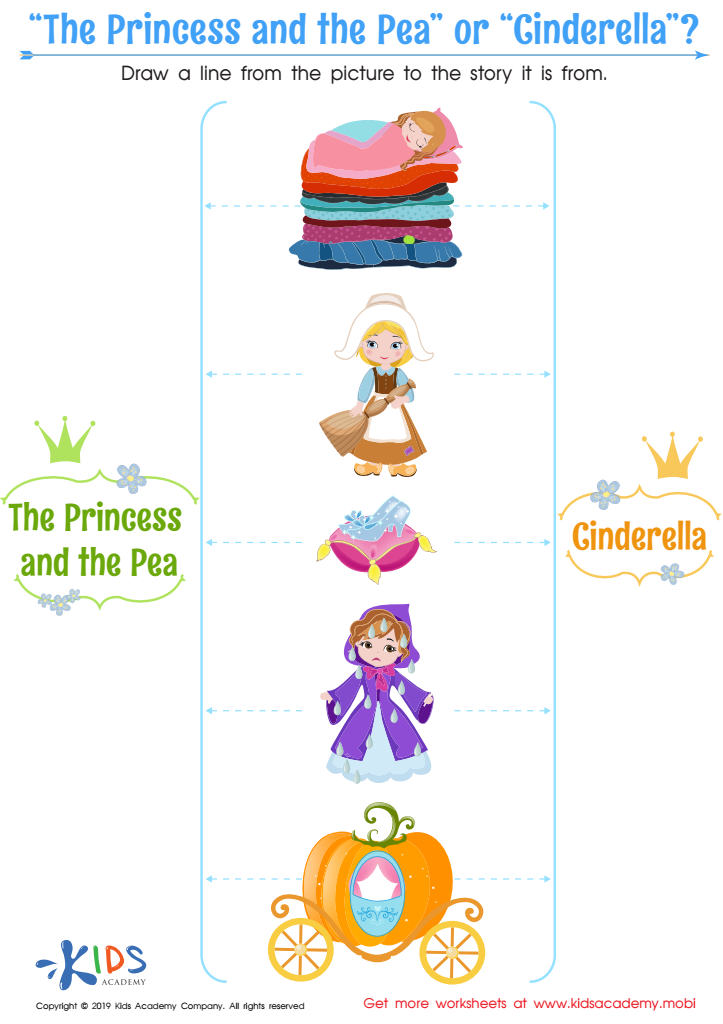
“The Princess and the Pea” or “Cinderella” Worksheet

Towns Worksheet
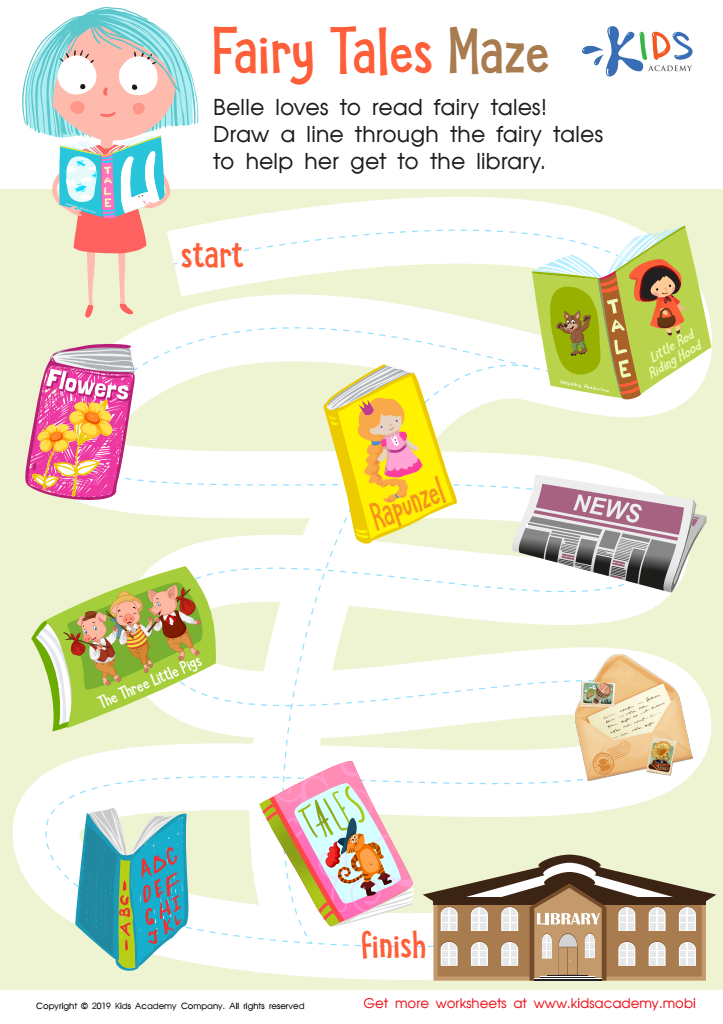
Fairy Tales Maze Worksheet
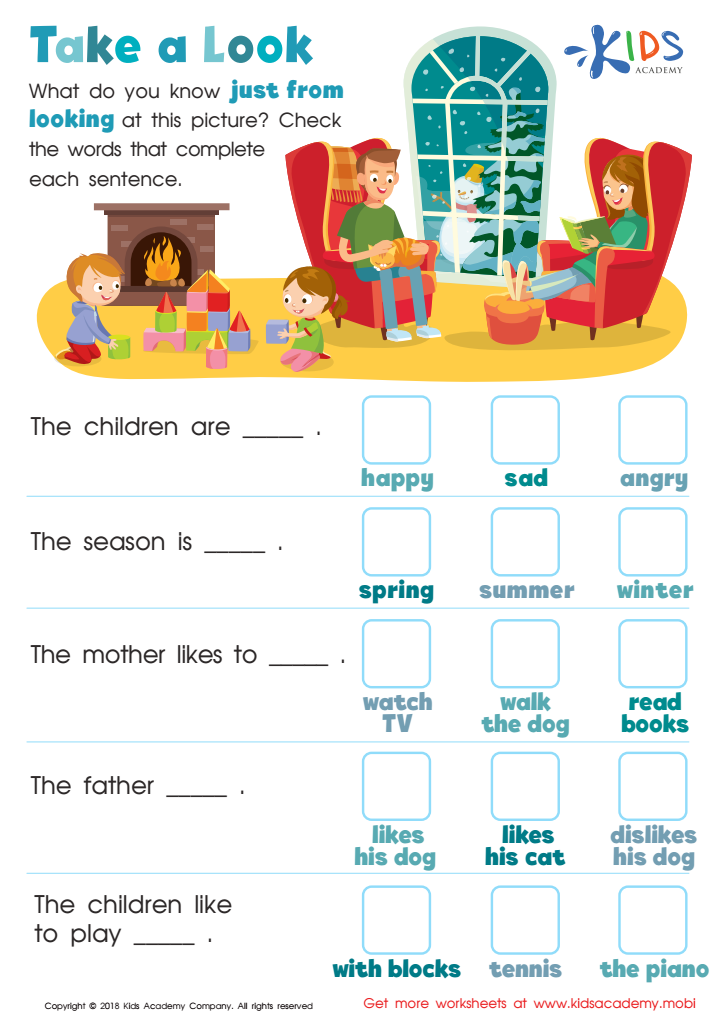
Take a Look - Part 1 Worksheet
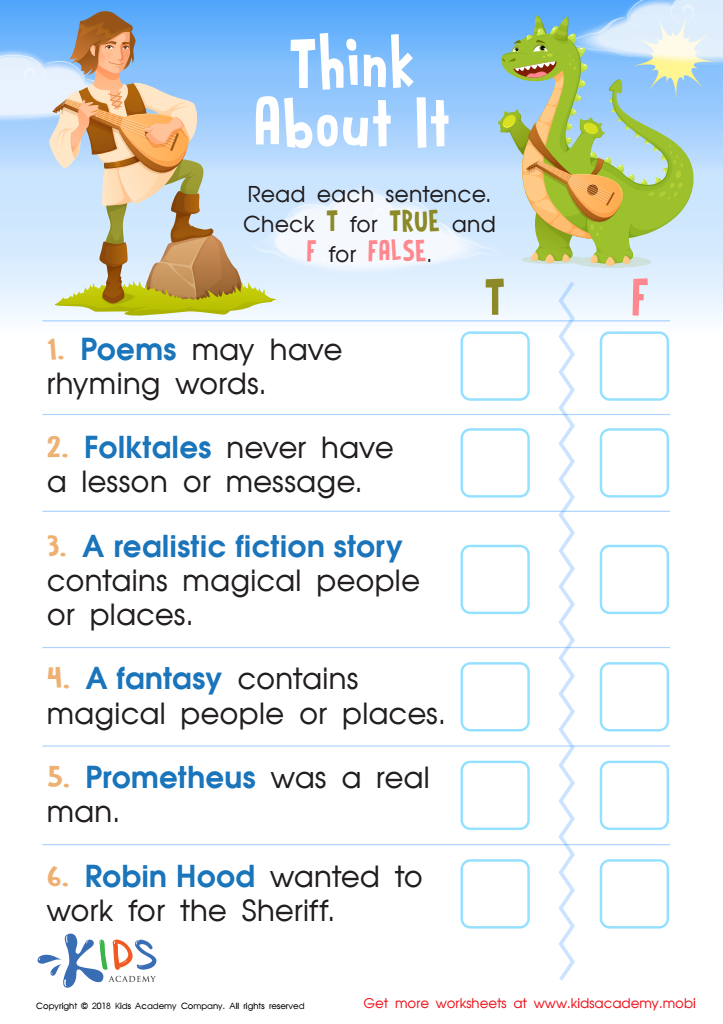
Think About It: Assessment Worksheet








Parents and teachers should prioritize fostering problem-solving skills in children aged 3-8 because these formative years are crucial for cognitive development and laying the foundation for lifelong learning. Problem-solving abilities empower children to navigate challenges, think critically, and develop resilience. When children engage in problem-solving, such as figuring out a puzzle or resolving a conflict with a peer, they learn how to process information, weigh options, and make decisions. These experiences enhance their logical reasoning and analytical thinking.
Normal reading skills are equally important within this age range. Reading enriches vocabulary, comprehension, and communication skills. It introduces children to new ideas and different ways of thinking, which can, in turn, enhance their ability to solve problems effectively. If children struggle with reading, they may find it harder to understand problems, follow instructions, or communicate their thoughts and solutions.
By nurturing both problem-solving and reading skills, parents and teachers enable children to explore their environments more confidently and with greater interest. They become better equipped to face academic challenges, understand complex concepts, and develop social and emotional intelligence. These skills are essential for academic success and daily life, making them fundamental aspects of early childhood education.








