Vocabulary enhancement Normal Reading Worksheets for Ages 3-8 - Page 4
84 filtered results
-
From - To
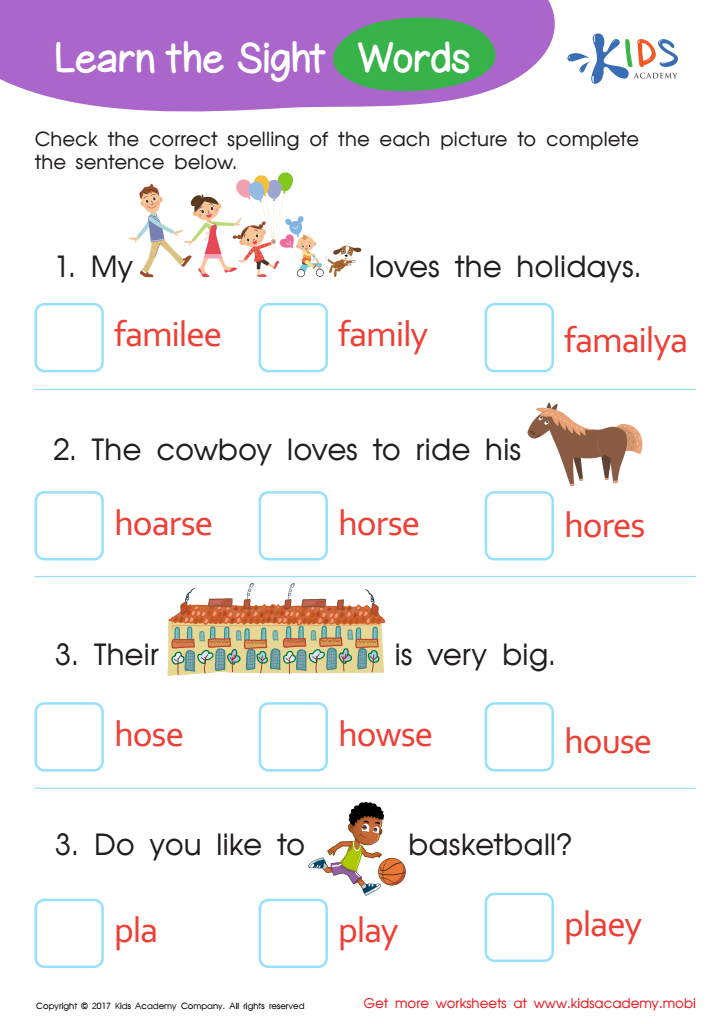
Family, Horse, House, Play Sight Words Worksheet
 Assign to My Students
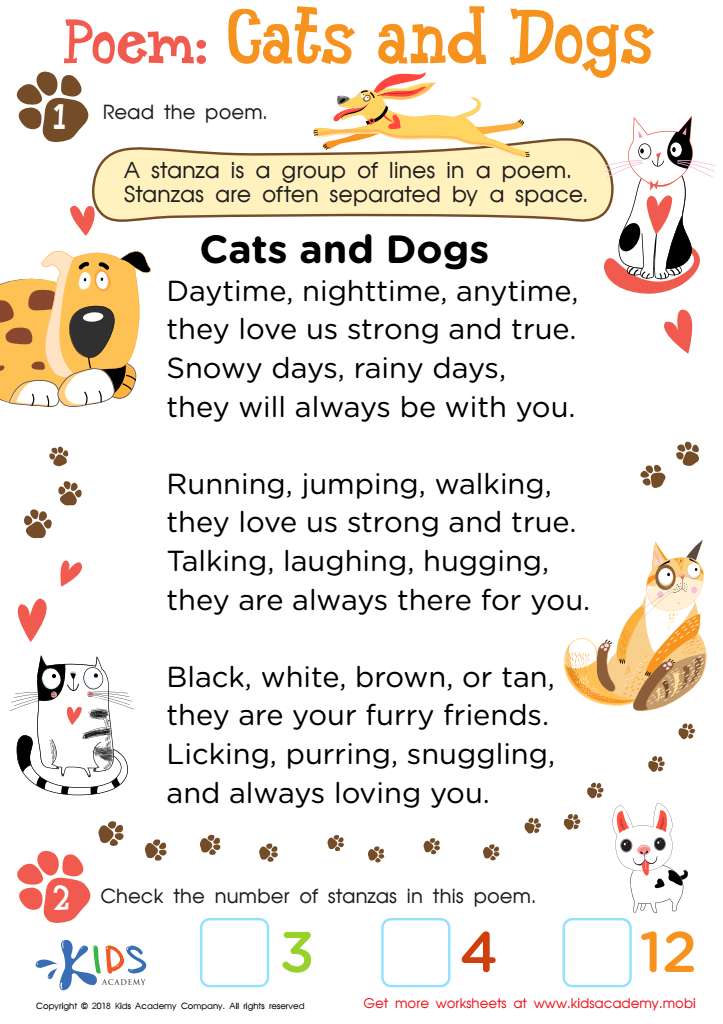
Poem: Cats and Dogs Worksheet
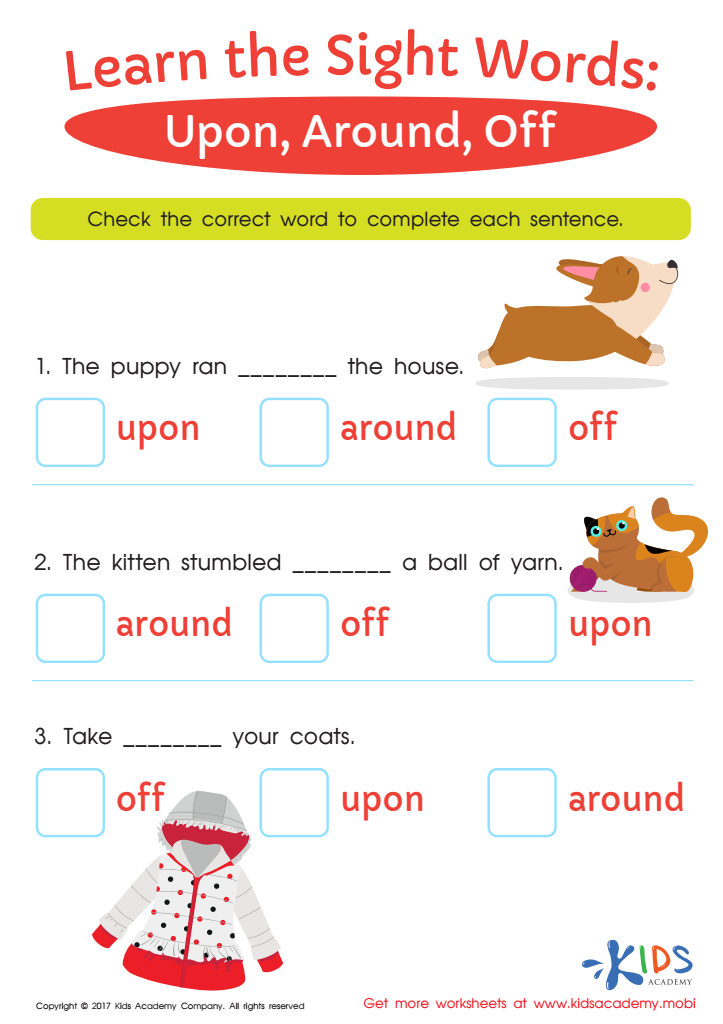
Upon, Around, Off Sight Words Worksheet
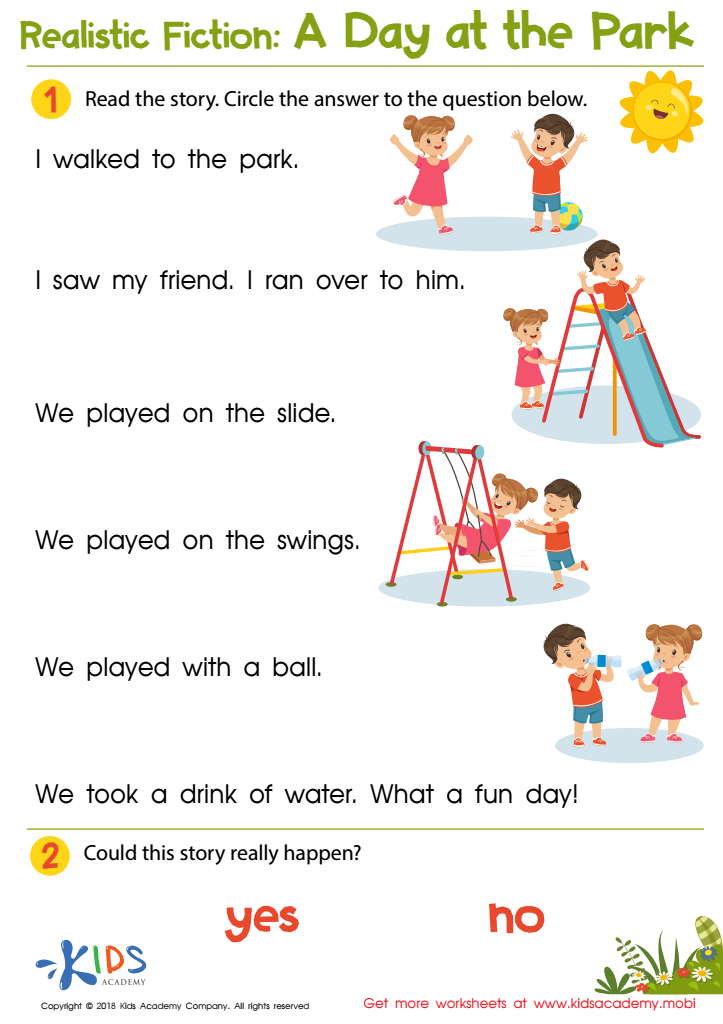
A Day at the Park Worksheet
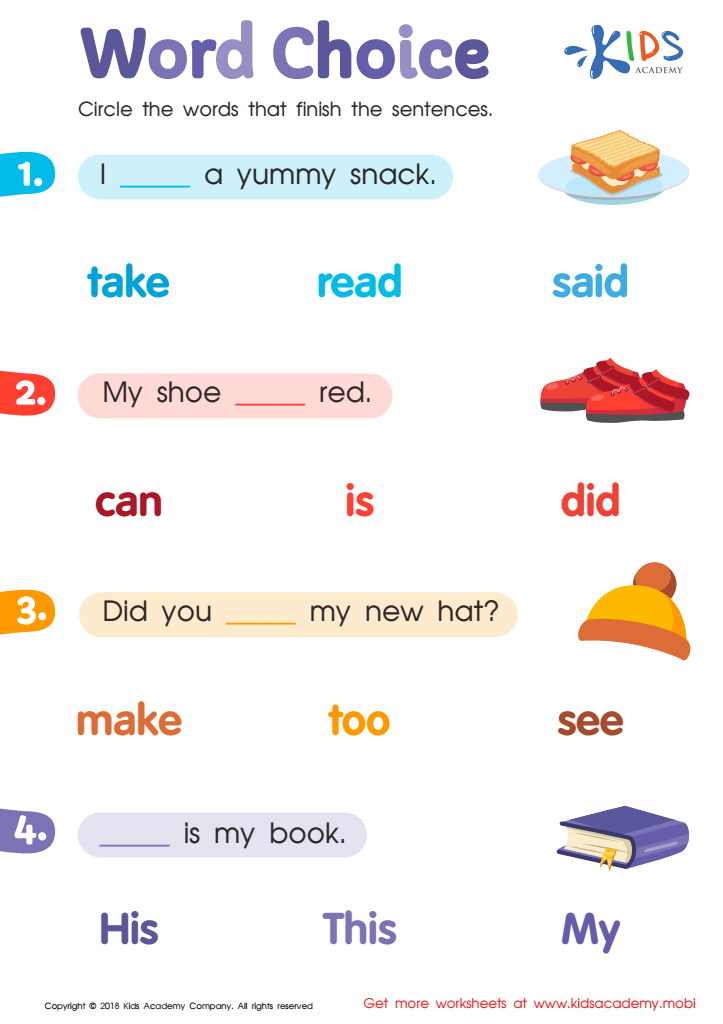
Word Choice Worksheet
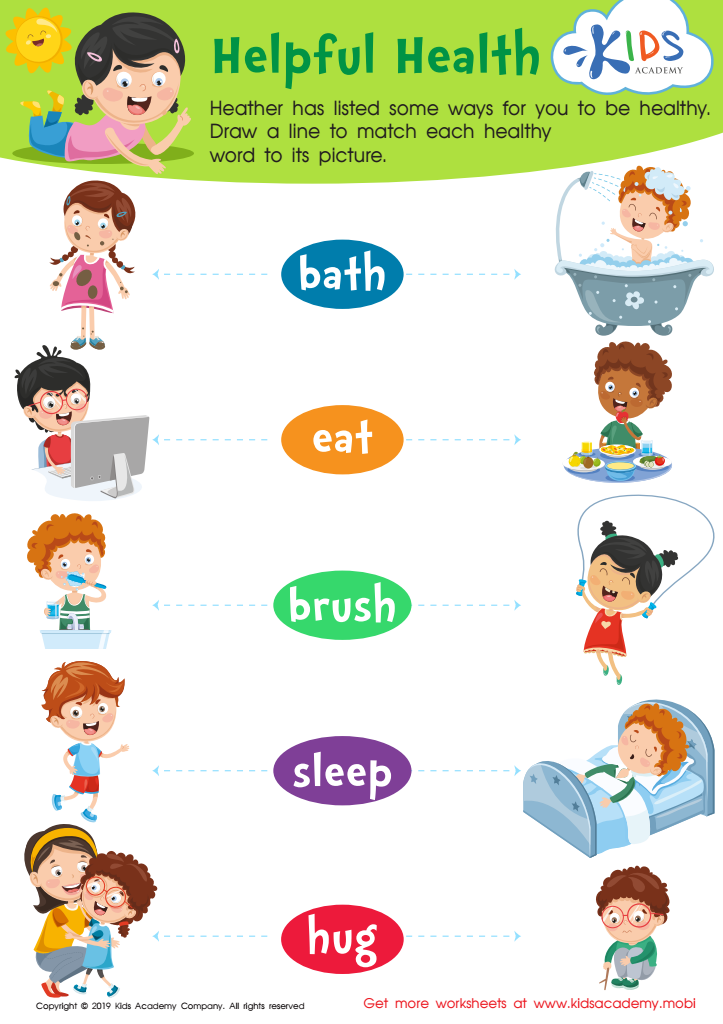
Helpful Health Worksheet
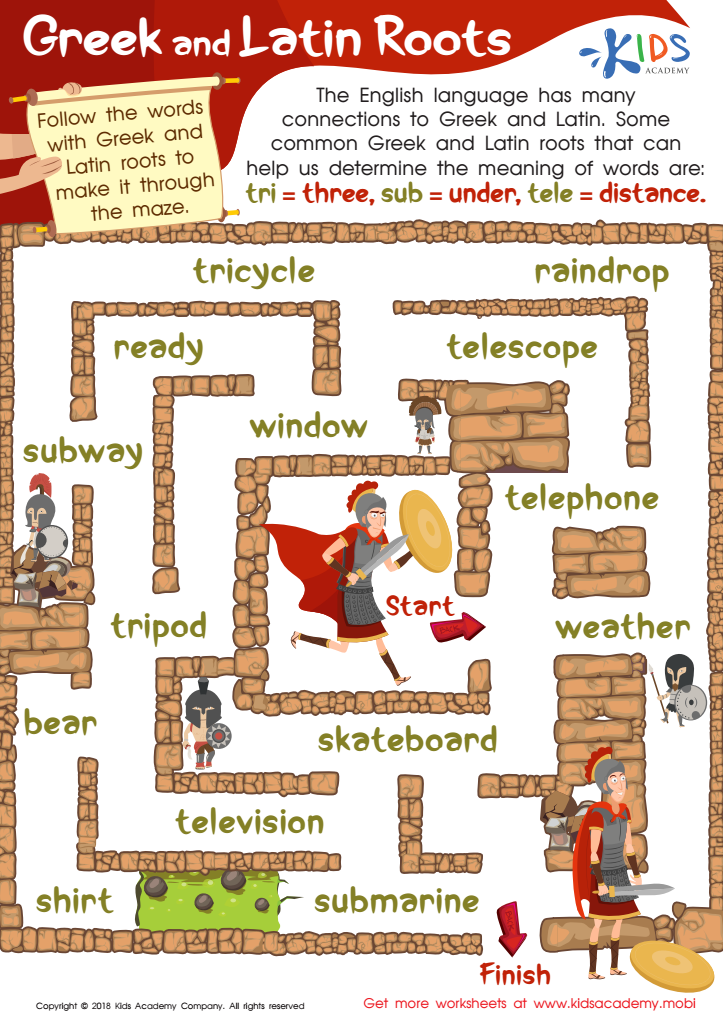
Greek and Latin Roots Worksheet
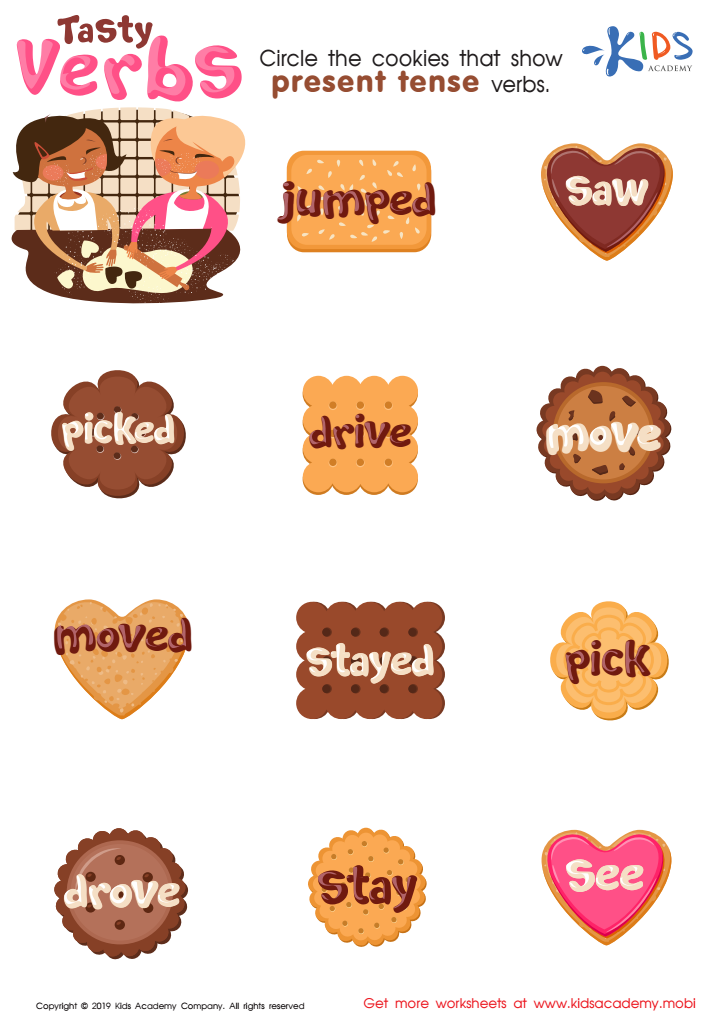
Tasty Verbs Worksheet
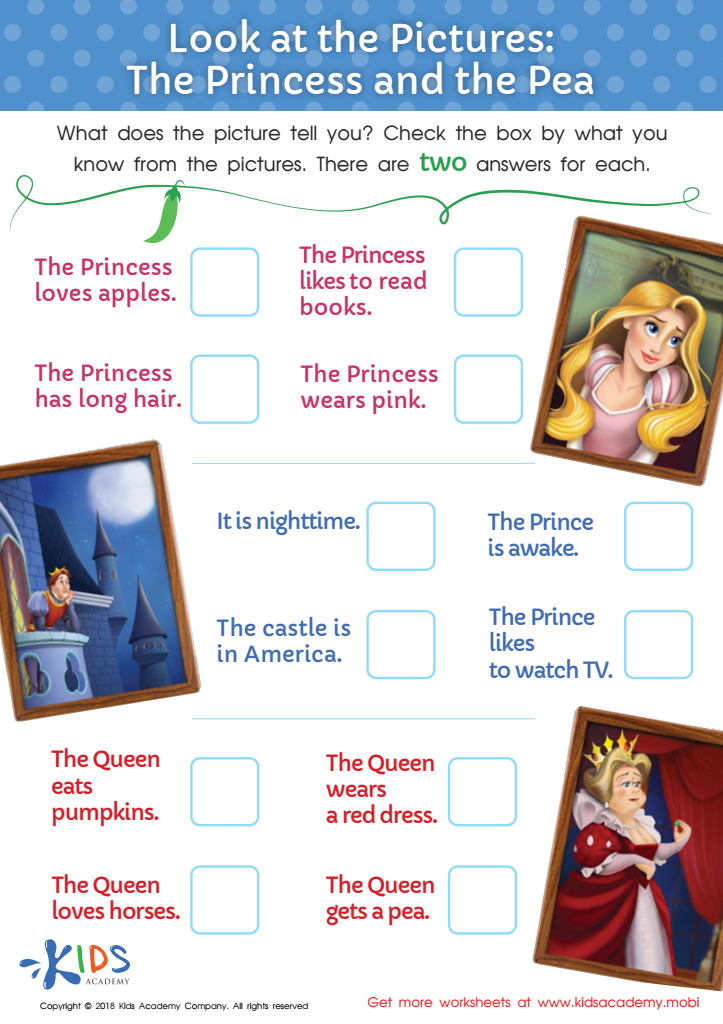
Look at the Pictures: The Princess and the Pea Worksheet
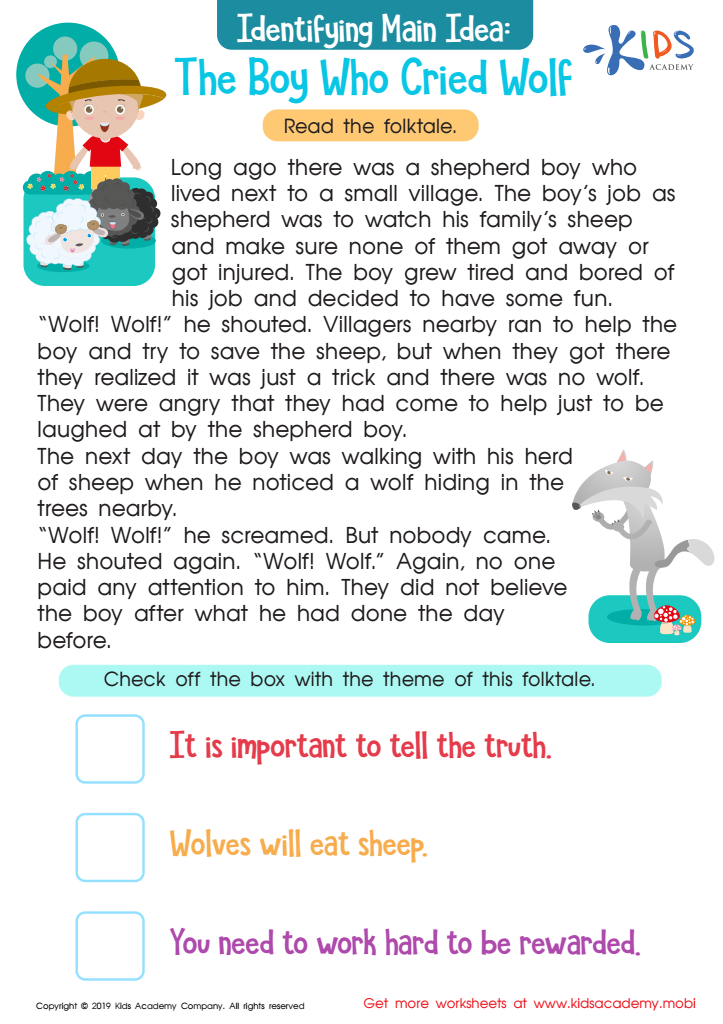
The Boy Who Cried Wolf Part 2 Worksheet
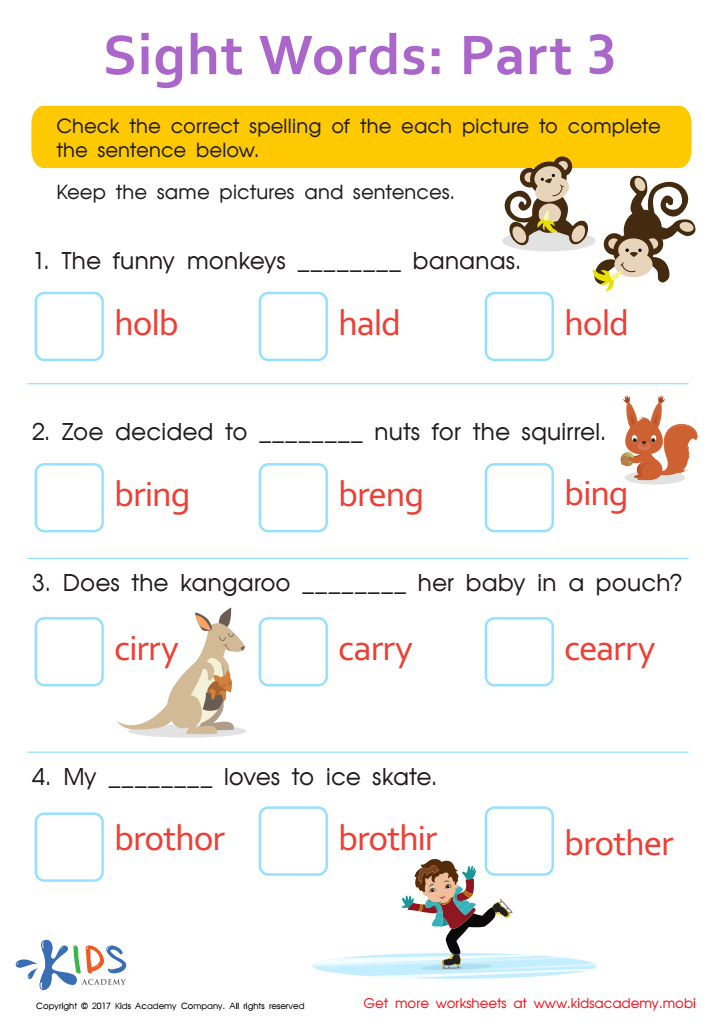
Hold, Bring, Carry, Brother Sight Words Worksheet
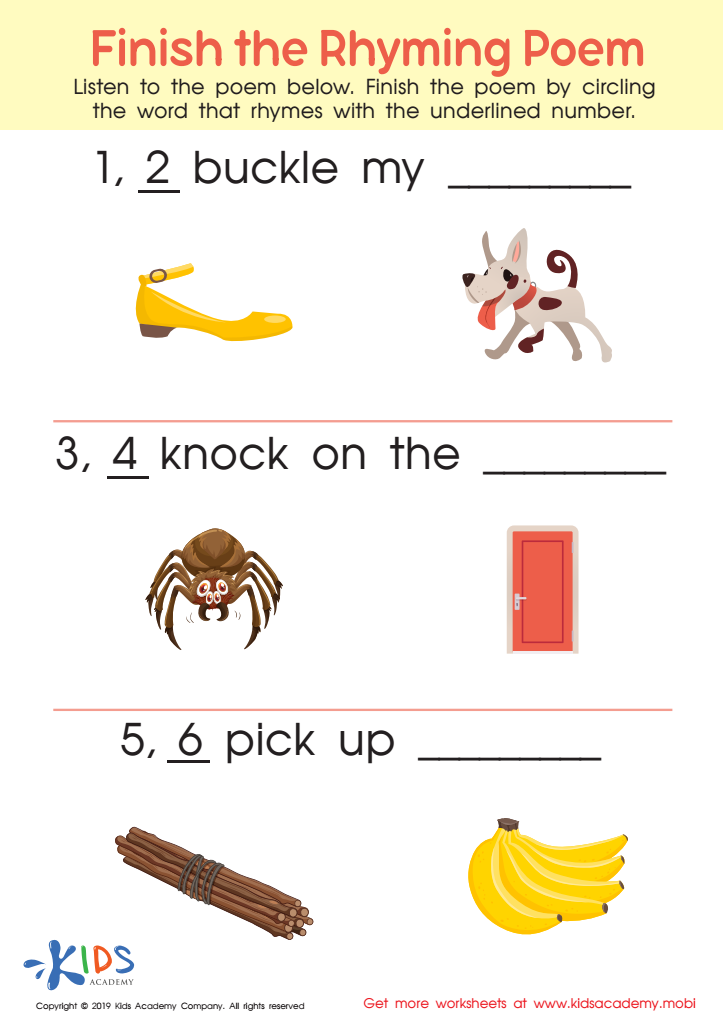
Finish Rhyming Poem Worksheet








Vocabulary enhancement during the critical age of 3-8 years is essential for nurturing a child's linguistic and cognitive development. During these formative years, children are like sponges, absorbing language from their environment. A strong vocabulary directly impacts their ability to comprehend and communicate effectively, which are foundational skills for literacy and overall academic success.
Parents and teachers should care about vocabulary development because it builds a child's self-esteem and confidence when expressing thoughts and ideas. Engaging children in conversations, reading diverse texts, and introducing new words in everyday situations stimulates their curiosity and love for learning. Enhanced vocabulary not only aids in academic performance, particularly in reading and writing, but also fosters social skills, enabling children to articulate feelings and engage with peers thoughtfully.
Research indicates that a rich vocabulary correlates with higher reading comprehension and critical thinking skills. By actively promoting vocabulary enhancement, caregivers can set the stage for lifelong learning and intellectual curiosity. Therefore, prioritizing vocabulary development is an investment in a child’s future, equipping them with essential tools for communication, academic achievement, and interpersonal relationships throughout their lives.








