Critical Thinking Normal Reading Comprehension Worksheets for Ages 3-8 - Page 2
40 filtered results
-
From - To
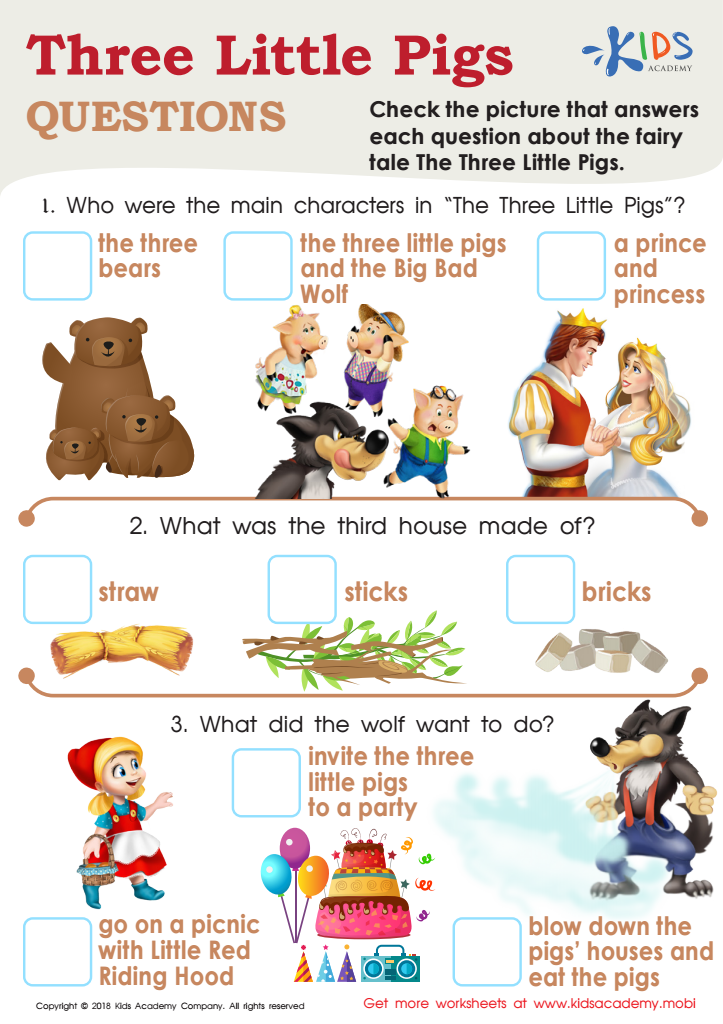
Three Little Pigs Questions Worksheet
 Assign to My Students
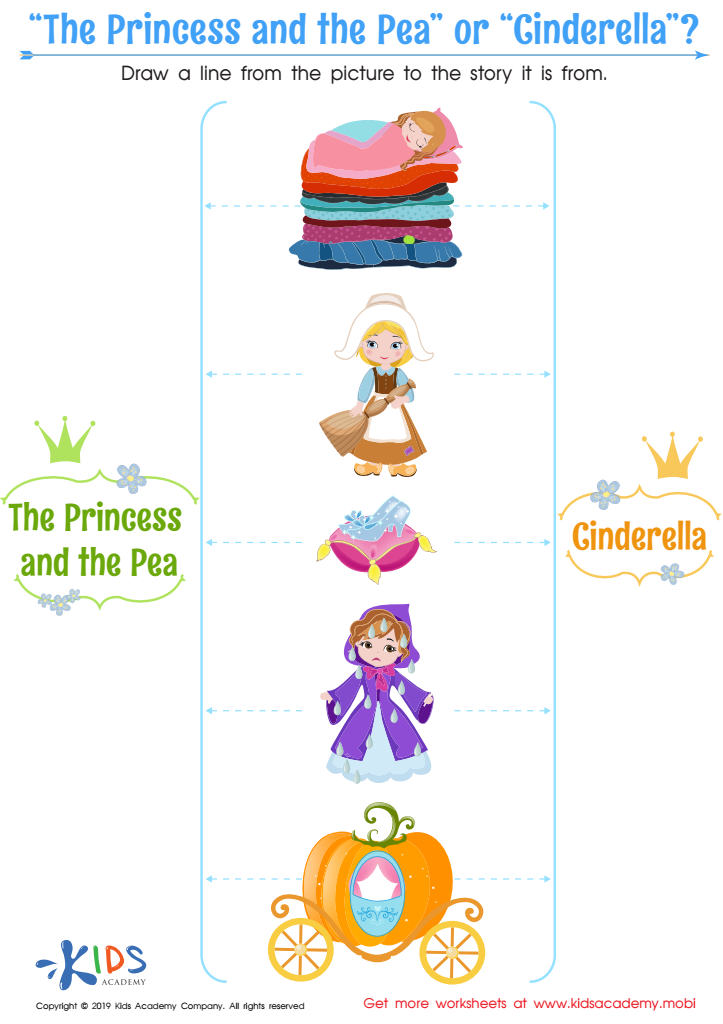
“The Princess and the Pea” or “Cinderella” Worksheet
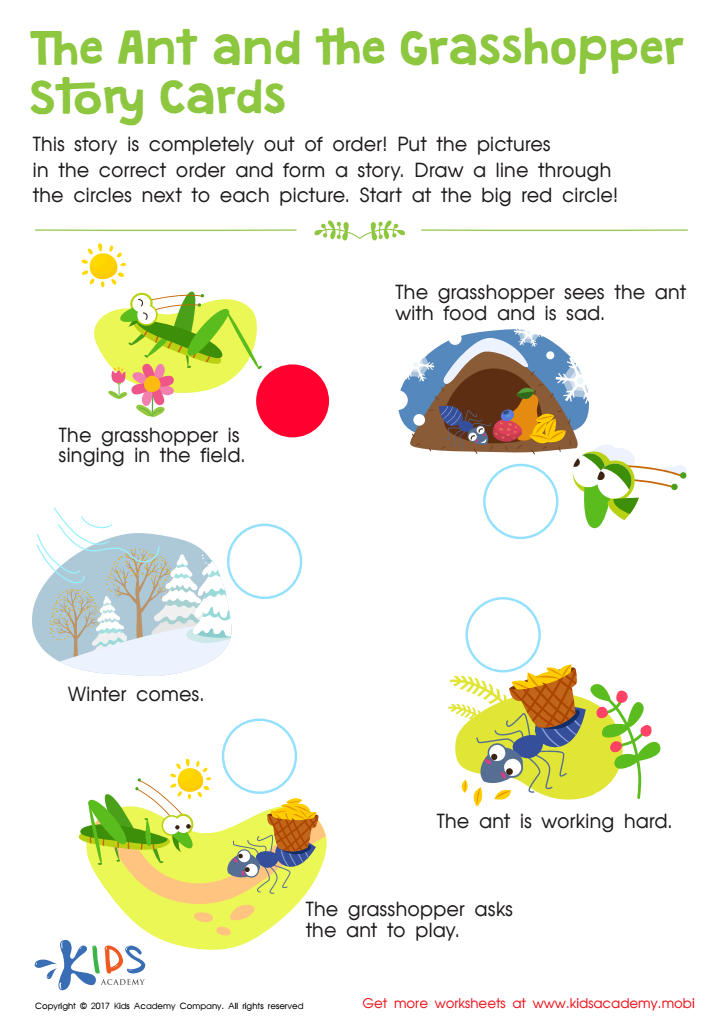
The Ant and The Grasshopper Worksheet
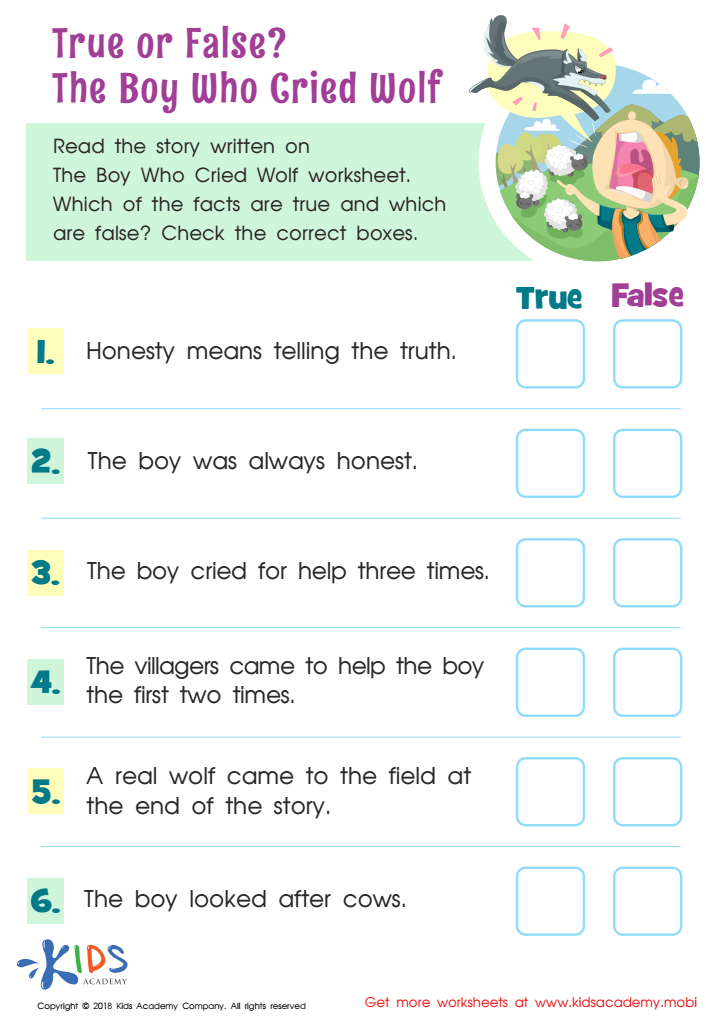
True or False? The Boy Who Cried Wolf Worksheet
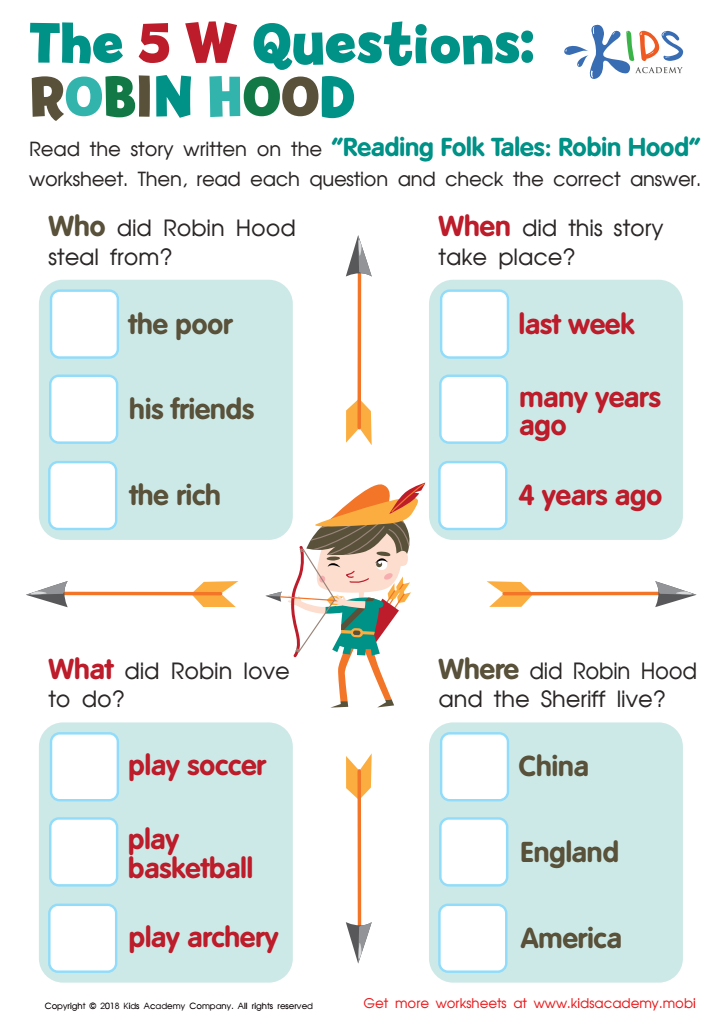
The 5 W Questions: Robin Hood Worksheet
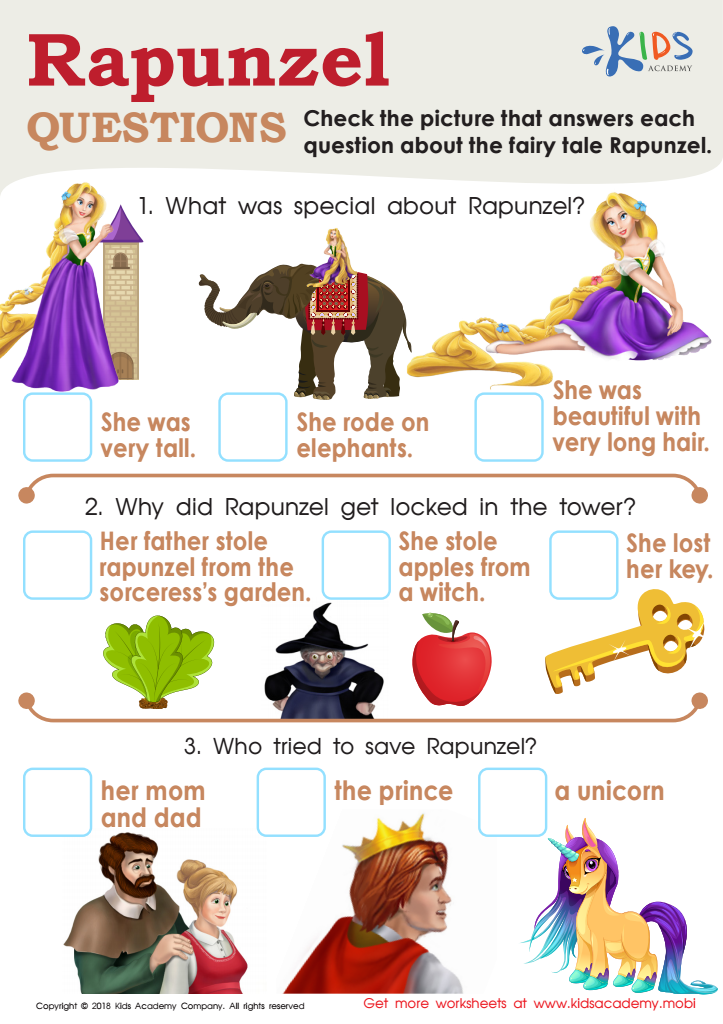
Rapunzel Questions Worksheet
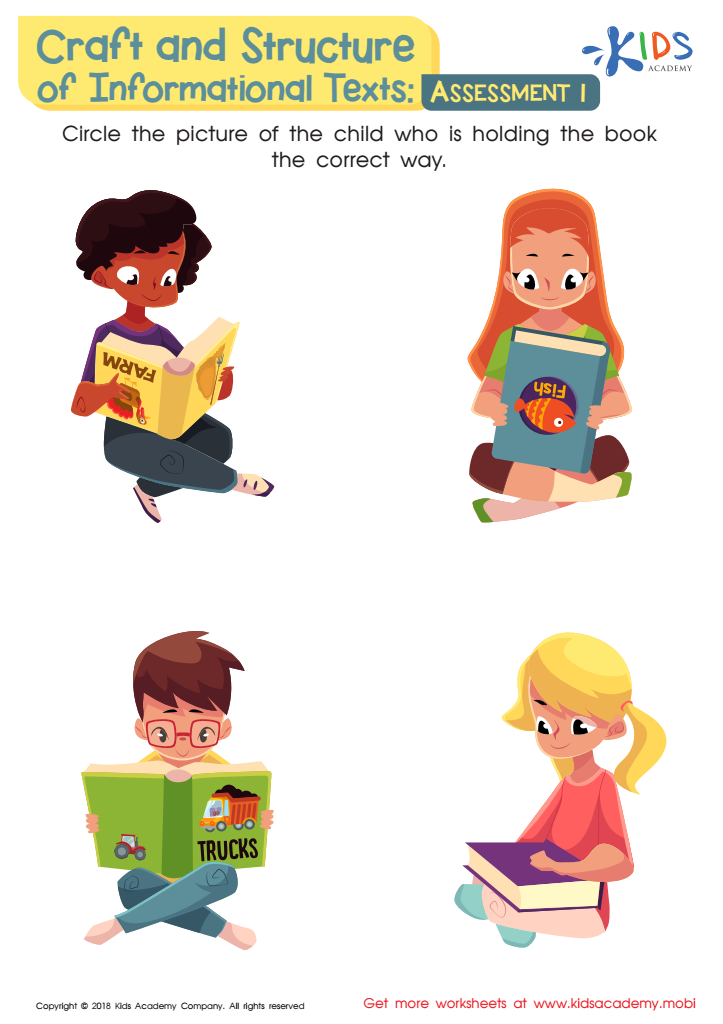
Craft and Structure of Informational Texts: Assessment 1 Worksheet
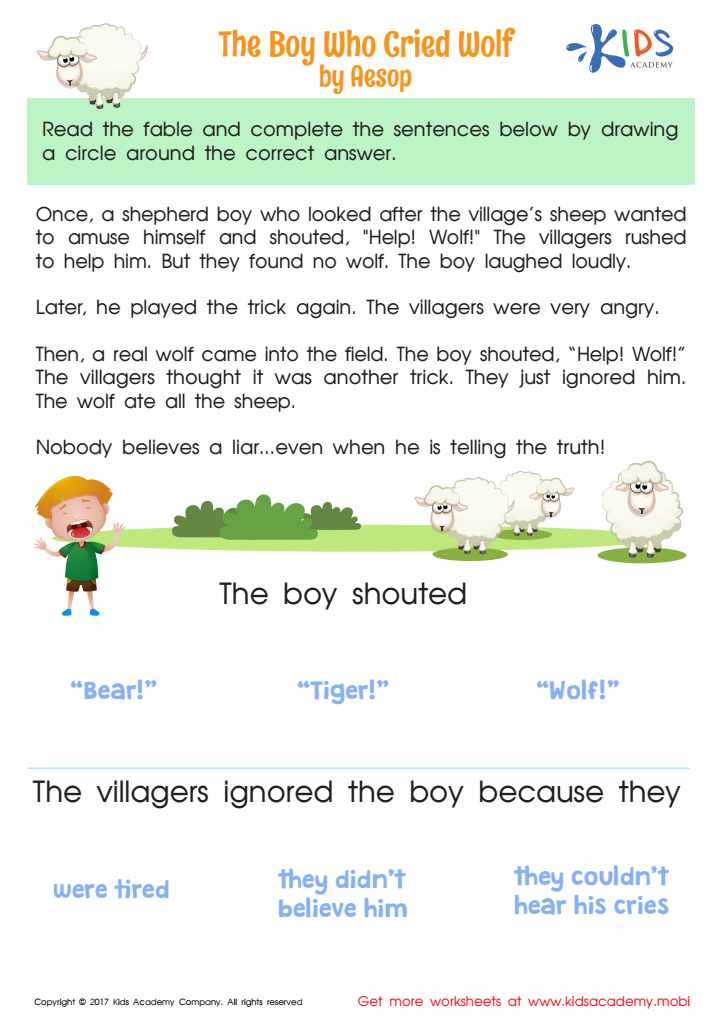
The Boy Who Cried Wolf Worksheet
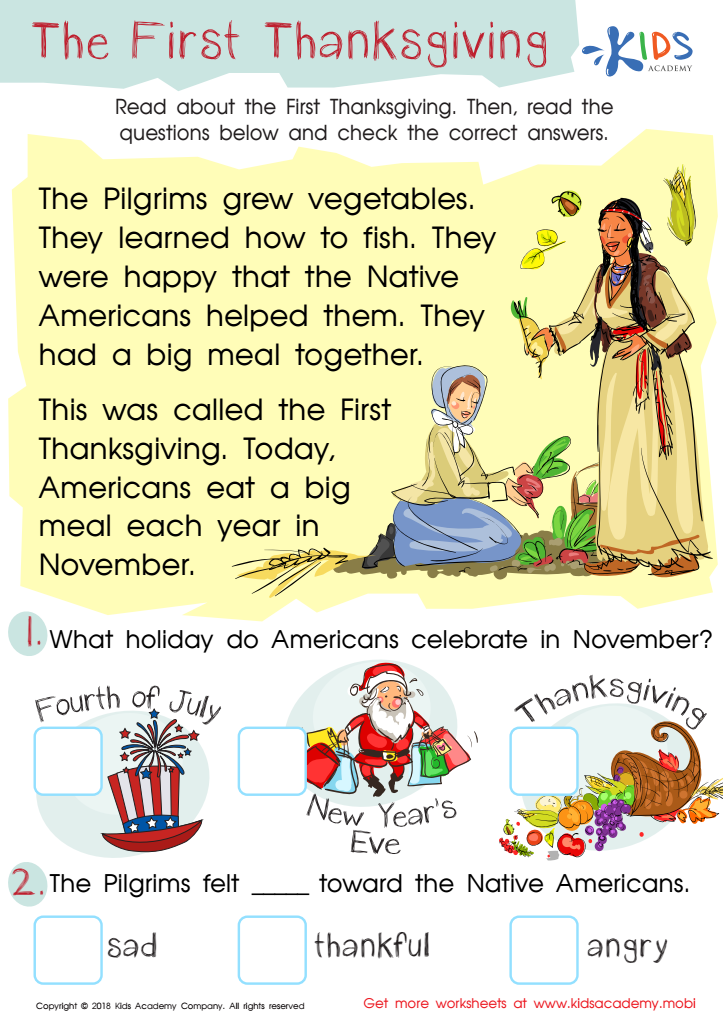
Assessment: First Thanksgiving Worksheet
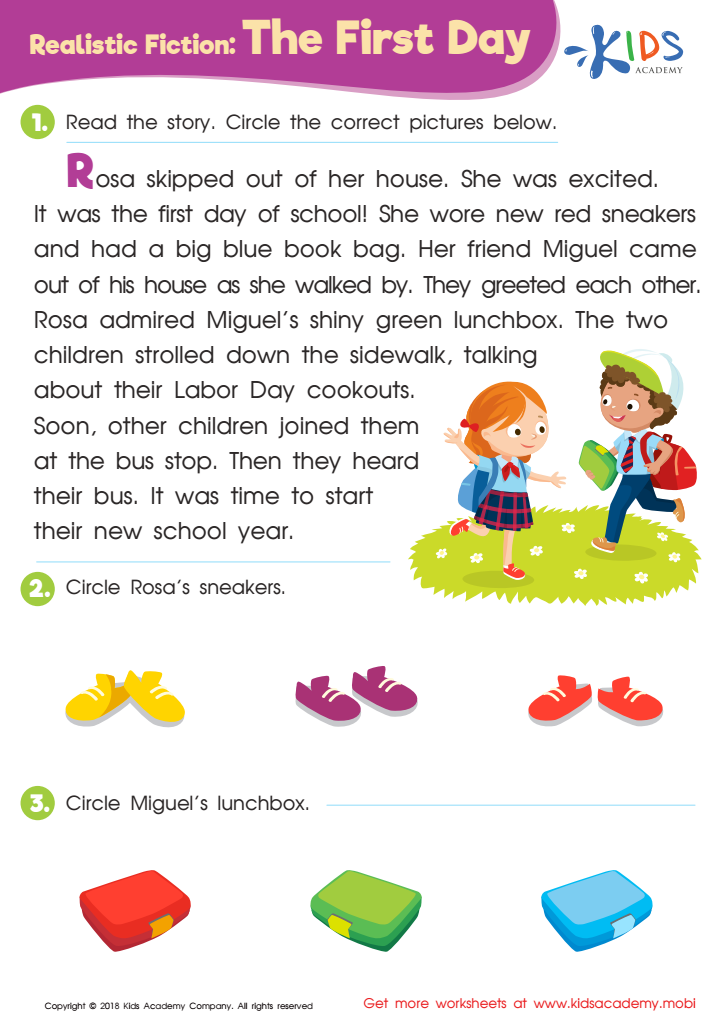
Realistic Fiction: The First Day Worksheet
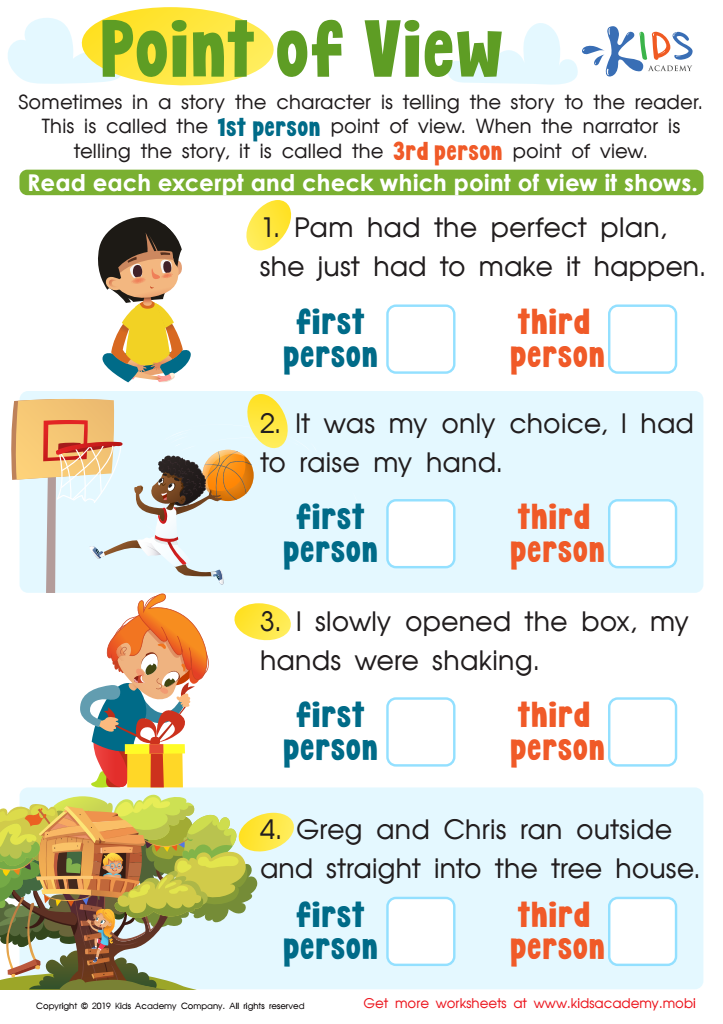
Point of View Printable
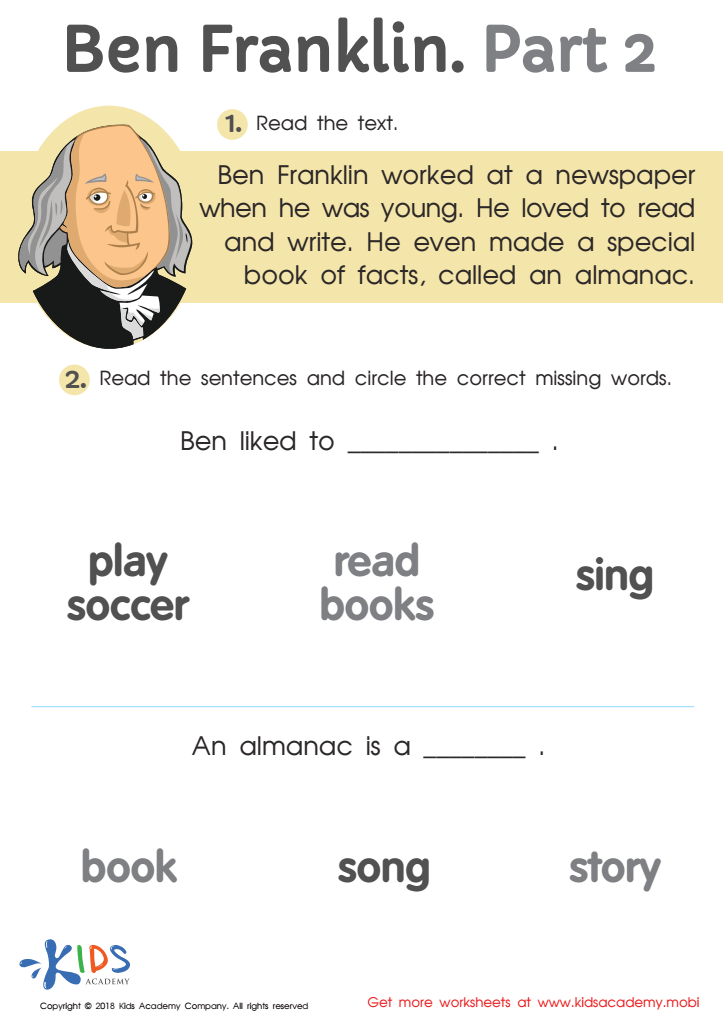
Ben Franklin Part 2 Worksheet
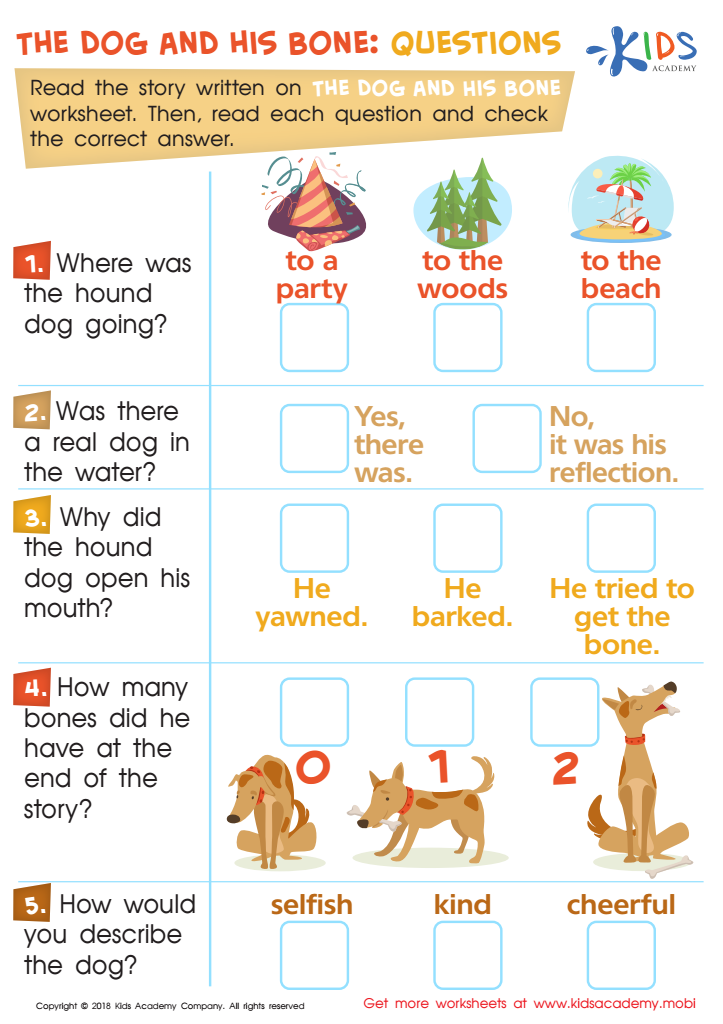
The Dog and His Bone: Questions Worksheet
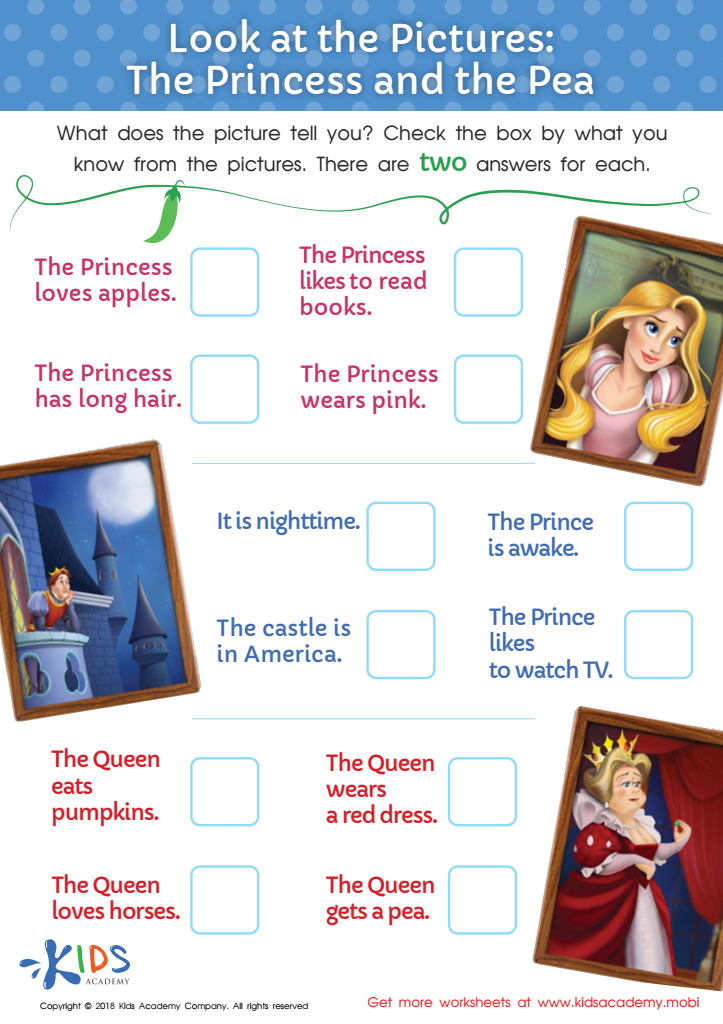
Look at the Pictures: The Princess and the Pea Worksheet
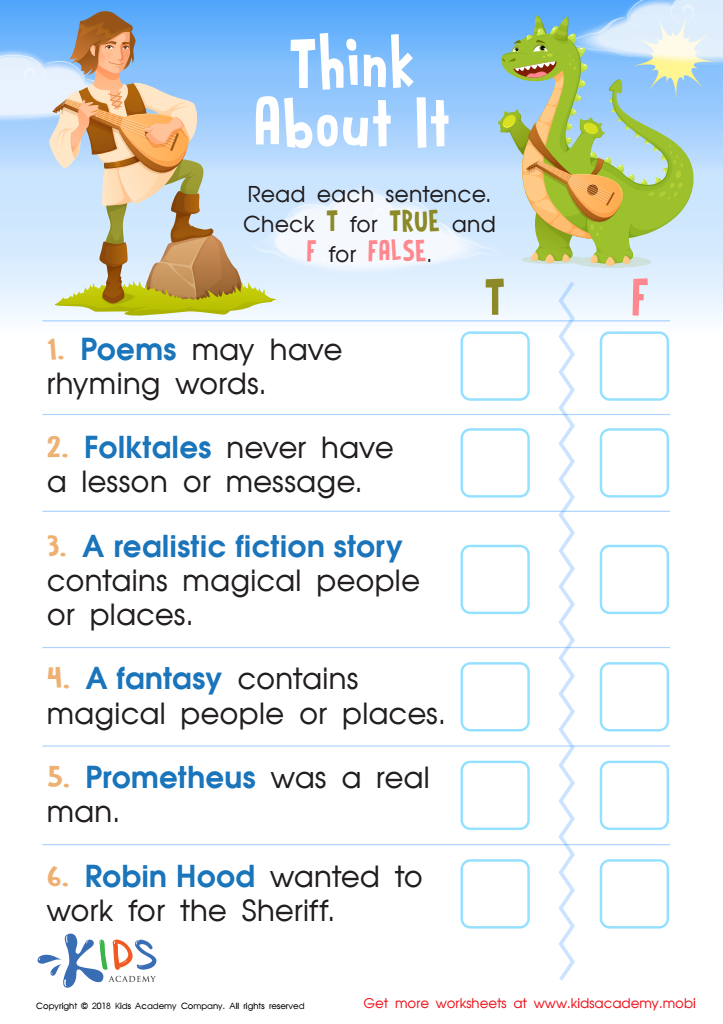
Think About It: Assessment Worksheet
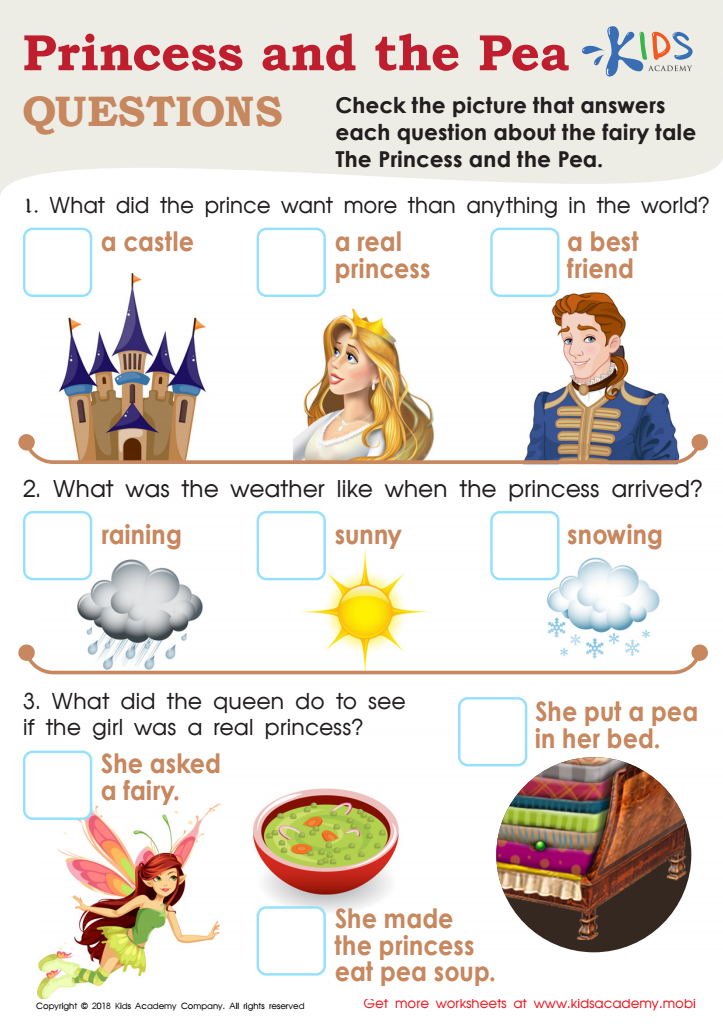
Princess and the Pea Questions Worksheet




.jpg)


Parents and teachers should prioritize critical thinking and reading comprehension for children ages 3-8 because these skills lay the foundation for lifelong learning and problem-solving abilities. At this early stage, children are like sponges, absorbing information and experiences that shape their understanding of the world.
Critical thinking encourages children to analyze, evaluate, and create, empowering them to approach challenges with curiosity and creativity. By engaging with texts and asking questions, they learn to make connections and draw meaningful conclusions. This not only enhances their reading comprehension but also boosts their ability to express thoughts and articulate ideas effectively.
Moreover, strong reading comprehension skills are crucial for academic success. As children progress in their education, the ability to comprehend and interpret texts becomes increasingly essential across subjects. When parents and teachers support the development of these skills through engaging activities—such as storytelling, discussions, and questioning strategies—they foster a love for reading while equipping children with the cognitive tools to navigate complex concepts.
In summary, fostering critical thinking and reading comprehension in young learners nurtures independent, thoughtful individuals who are better prepared for the challenges of the future. This investment benefits not only the children but society as a whole.








