Comprehension skills Normal Reading Fiction Worksheets for Ages 3-8
7 filtered results
-
From - To
Unlock your child's imagination and enhance their reading skills with our "Comprehension Skills Normal Reading Fiction Worksheets" tailored for ages 3-8. Our carefully curated worksheets are designed to foster a love for reading while boosting critical comprehension skills. Engaging stories and activities captivate young readers, prompting them to think critically, make predictions, and understand narratives better. Ideal for classroom and home use, these worksheets not only make reading fun but are also instrumental in helping kids become confident, independent readers. Start your little one's literary journey today with engaging, educational content made just for early learners.
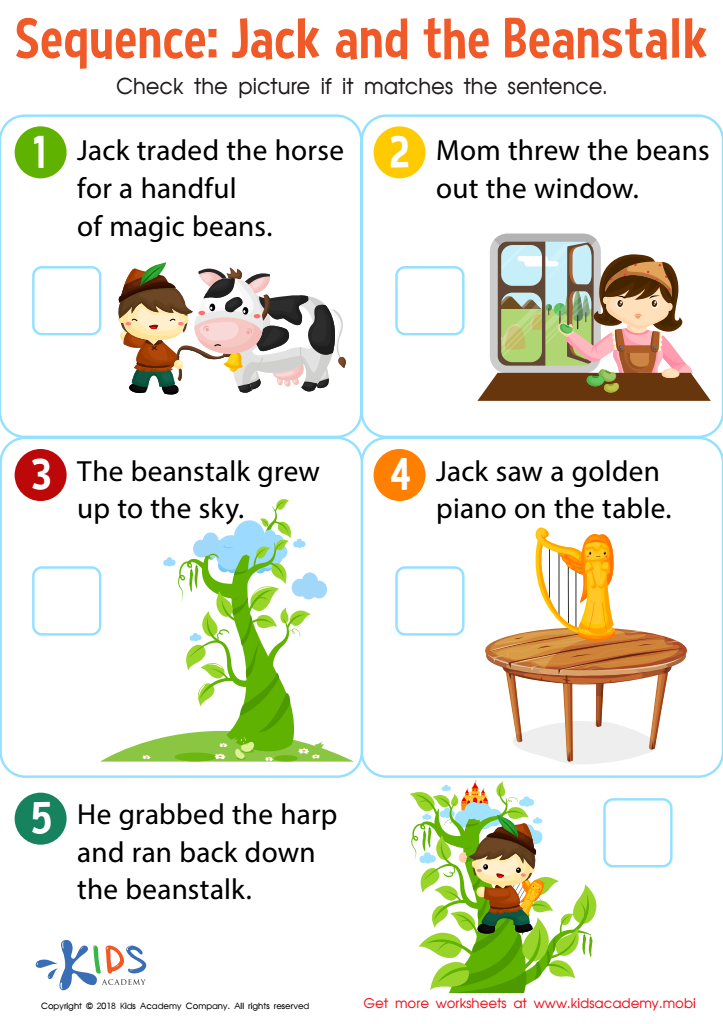
Sequence: Jack and The Beanstalk Worksheet
 Assign to My Students
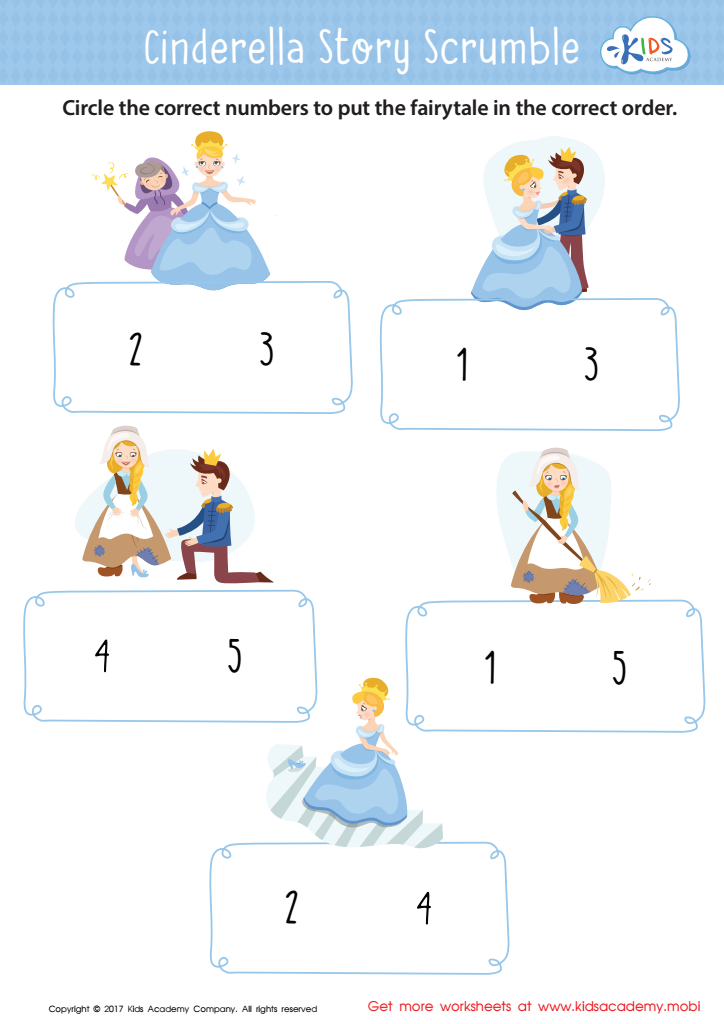
Cinderella Story Sequencing Worksheet
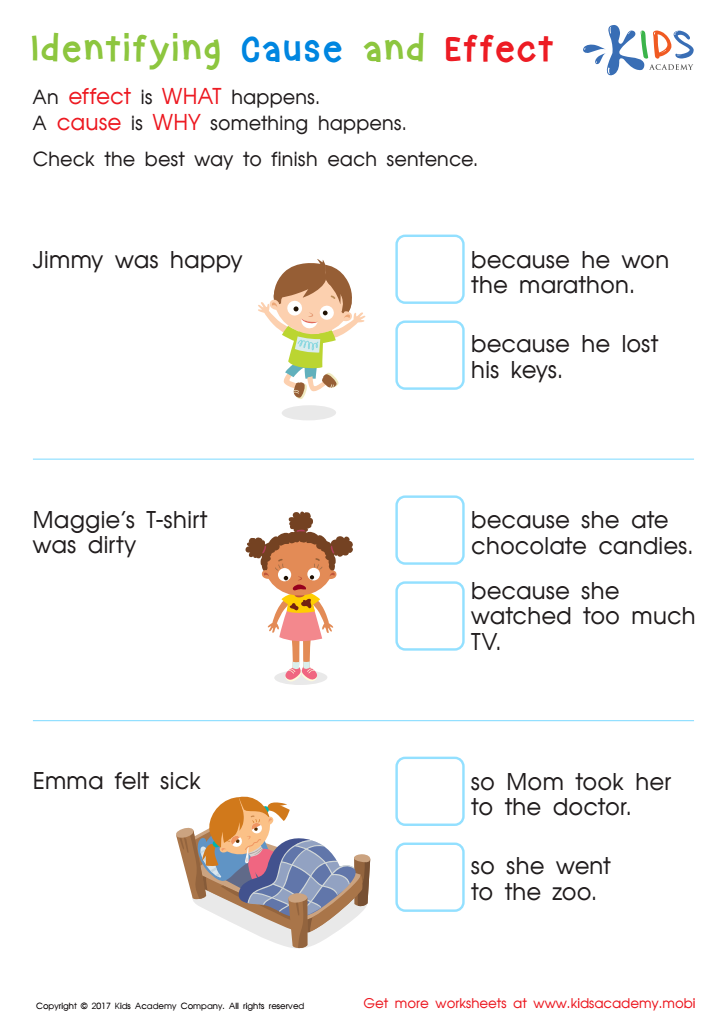
Indentifying Cause and Effect Worksheet
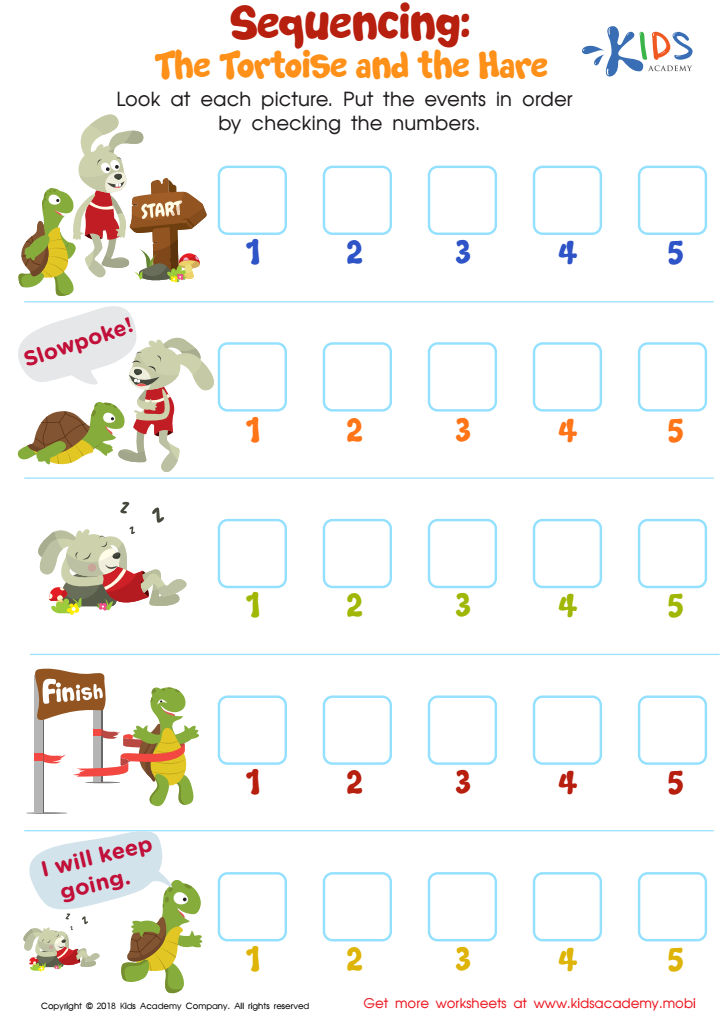
Sequencing: The Tortoise and the Hare Worksheet
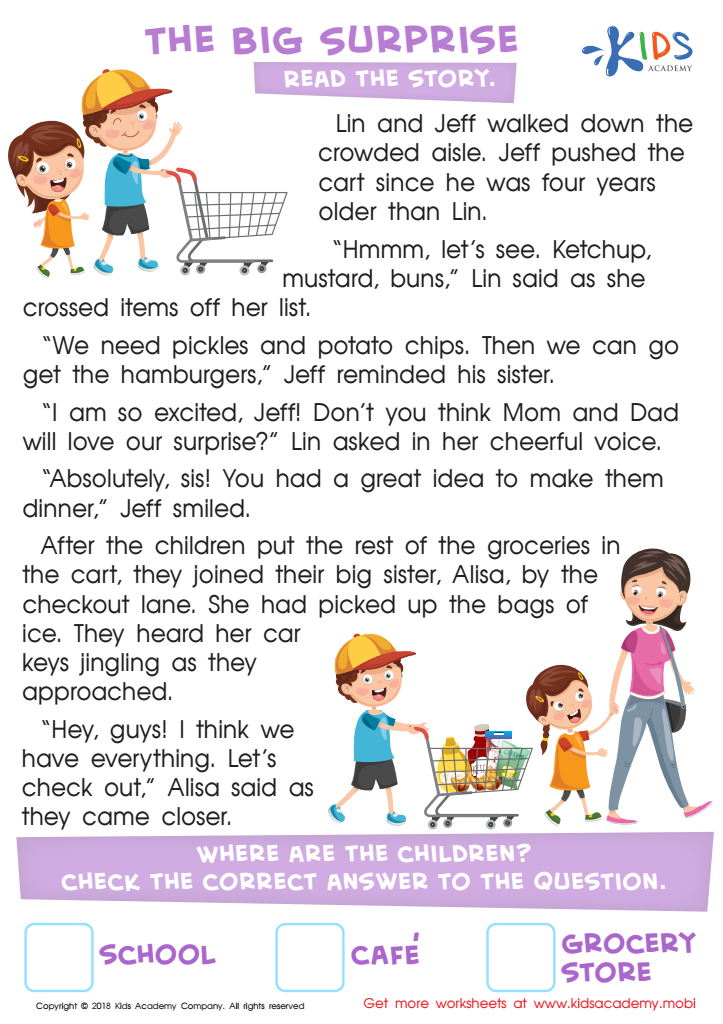
The Big Surprise Worksheet
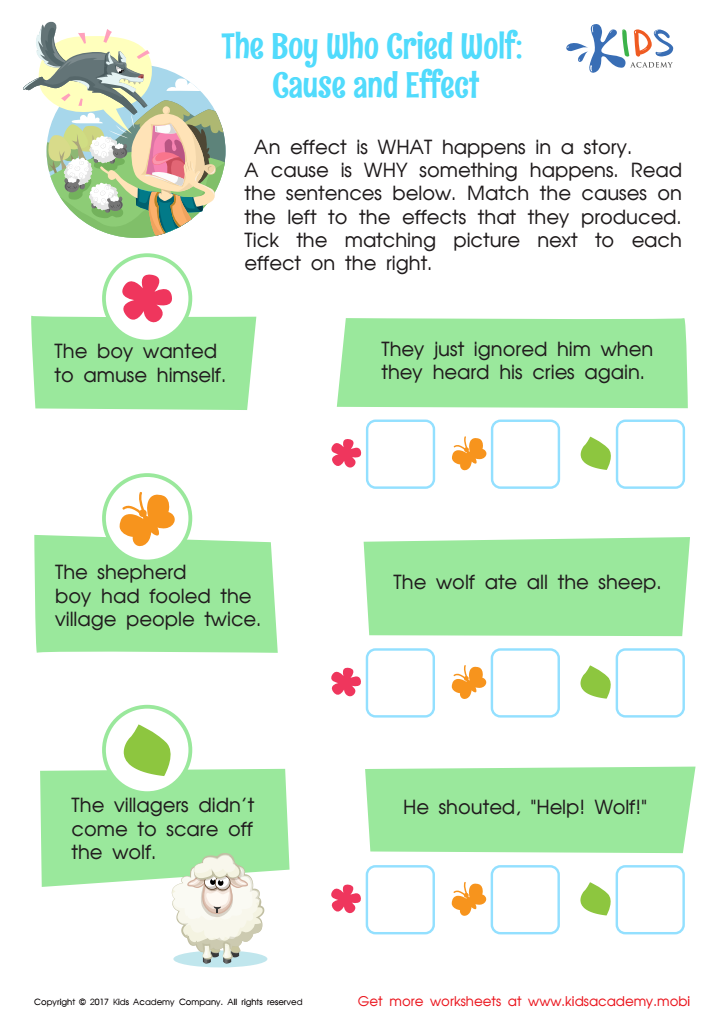
The Boy Who Cried Wolf: Cause and Effect Worksheet
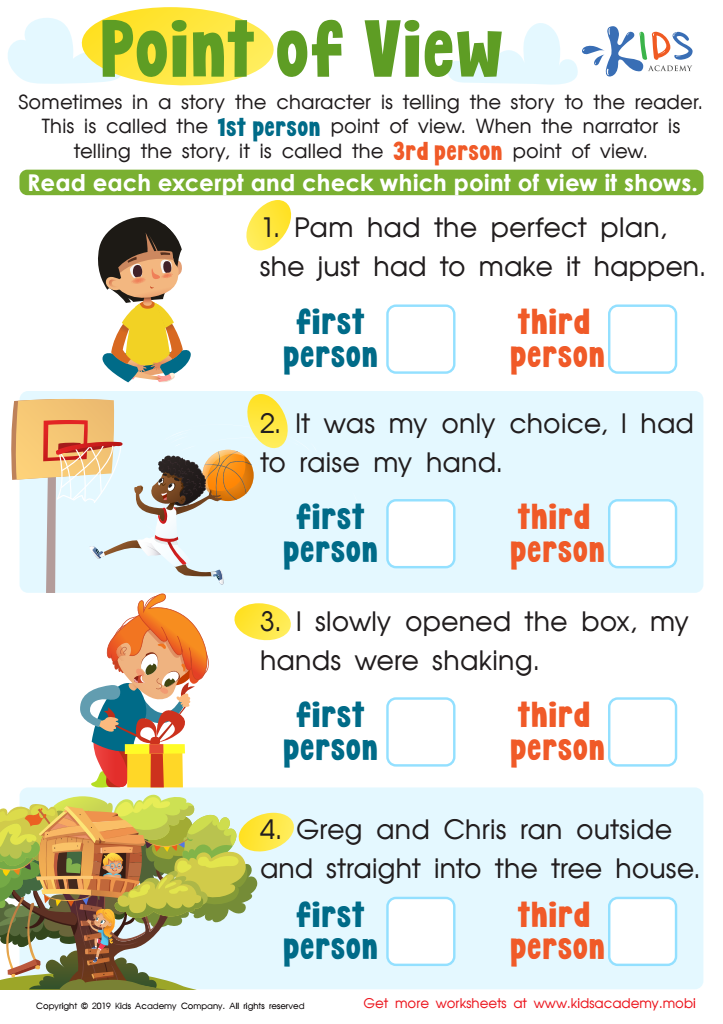
Point of View Printable








Comprehension skills in early reading are pivotal for children aged 3-8 as they lay the foundational stones for lifelong literacy. When engaging with fiction, these young readers do more than decode words; they learn to make sense of narratives, context, and nuance, building essential cognitive abilities. Parents and teachers should prioritize comprehension skills because they foster critical thinking, imagination, and empathy.
During these formative years, kids’ brains are exceptionally receptive to absorbing language and storytelling patterns. By comprehending what they read, children enhance their vocabulary and language proficiency, enabling them to articulate thoughts more precisely. This improved communication skill spills over into other academic areas and social situations.
Fiction allows children to explore diverse perspectives and scenarios, which cultivates empathy and emotional intelligence. Understanding different characters' motives and feelings helps children grasp complex social interactions in their own lives. Additionally, fiction nourishes imagination, encouraging creative thinking and problem-solving skills.
Lastly, when children comprehend stories, reading becomes enjoyable rather than a chore, promoting a lifelong love of reading. This intrinsic motivation is critical for maintaining academic interest and achievement across subjects. Thus, nurturing comprehension skills through regular reading of fiction is essential for holistic childhood development.







