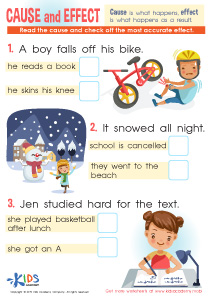
Enhancing Reading Comprehension Normal Reading Non-Fiction Worksheets for Ages 3-8
3 filtered results
-
From - To
Discover the perfect resource to boost your child's reading skills with our "Enhancing Reading Comprehension Normal Reading Non-Fiction Worksheets for Ages 3-8." Specifically crafted for young learners, these engaging worksheets offer age-appropriate non-fiction passages paired with comprehension questions. Designed to develop critical thinking, vocabulary, and understanding, these printables make learning fun and effective. Whether used in the classroom or at home, our worksheets provide a solid foundation for lifelong reading success. Start enhancing your child's reading comprehension today with content that stimulates curiosity and fosters a love for learning. Perfect for teachers and parents alike!
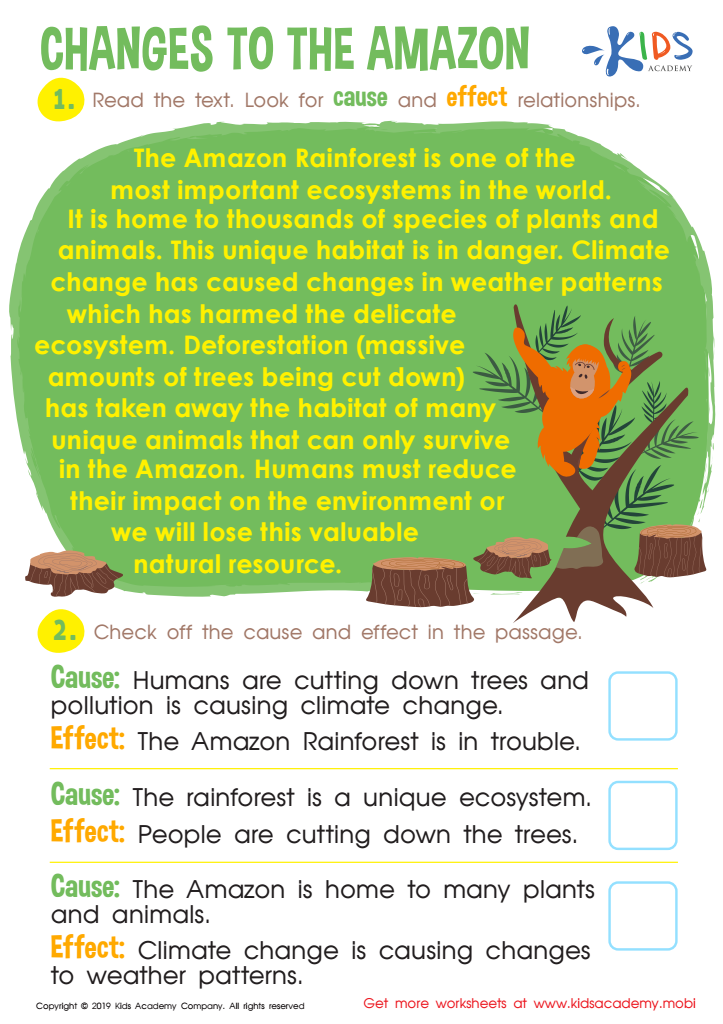
Changes to the Amazon Worksheet
 Assign to My Students
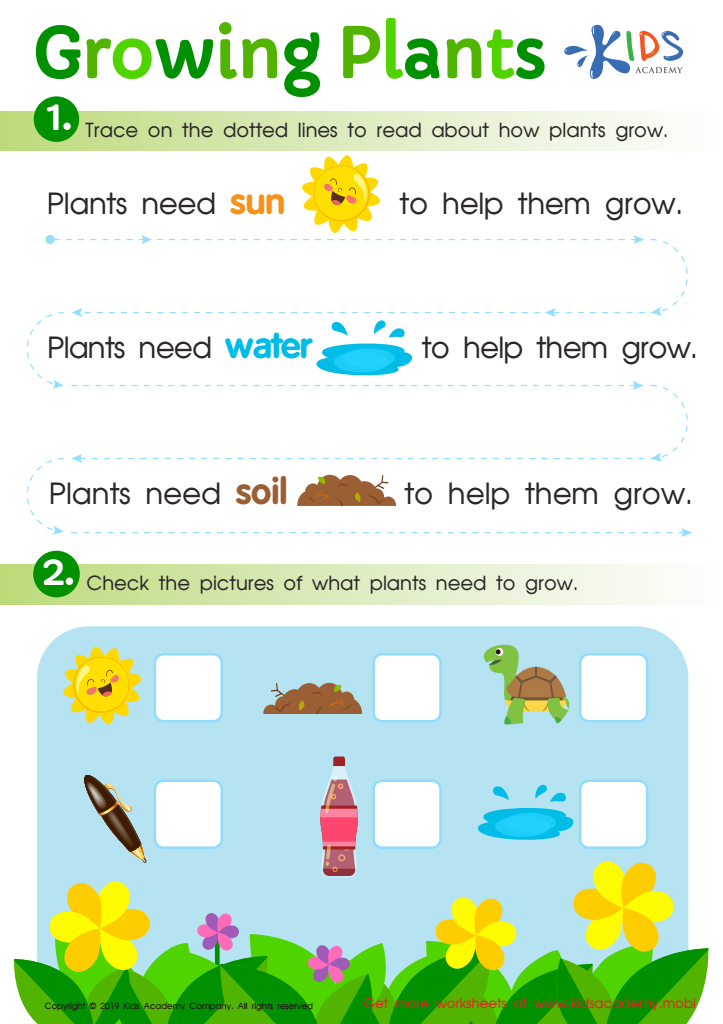
Growing Plants Worksheet
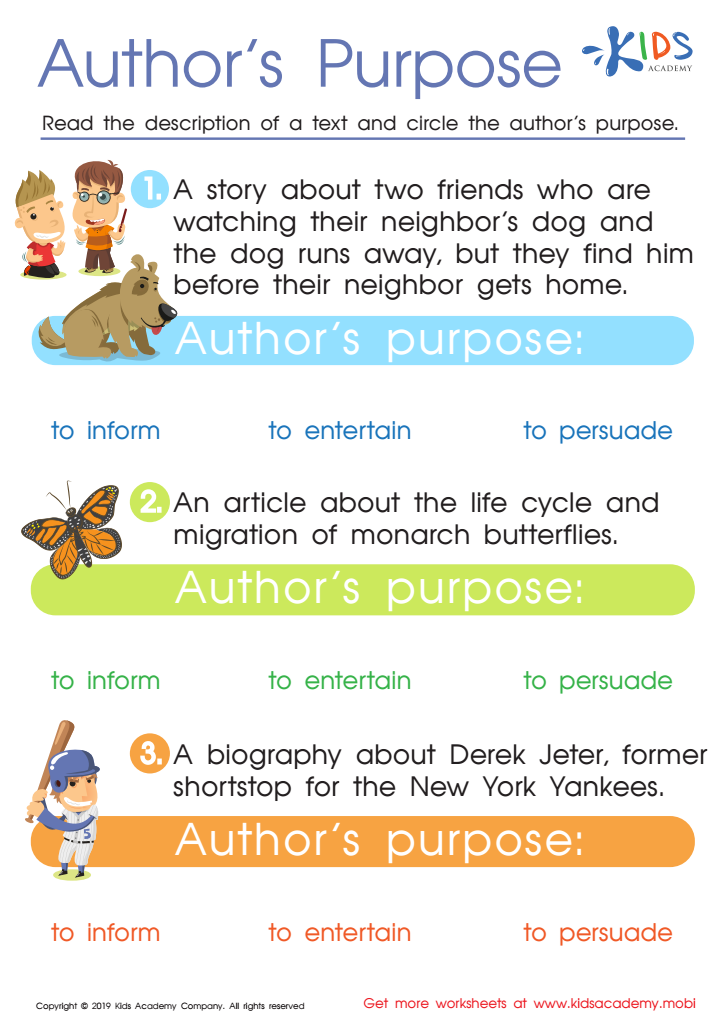
Author's Purpose Worksheet








Enhancing reading comprehension in non-fiction for children aged 3-8 is essential for their overall development. At this early stage, children are naturally curious and their brains are primed for absorbing a vast array of information. Introducing non-fiction texts cultivates this curiosity, providing a foundation for lifelong learning and critical thinking.
First, early exposure to non-fiction helps children understand the world around them, enriching their vocabulary and general knowledge. This broadens their understanding of different topics ranging from animals and nature to cultures and science, thus sparking their interest in various subjects.
Second, reading comprehension enables children to absorb and process information accurately, laying the groundwork for academic success. Good comprehension skills are crucial across all subjects, not just literacy. Whether they're solving math problems or learning about history, being able to read, understand, and respond to texts is indispensable.
Third, it develops cognitive skills like attention, memory, and analytical thinking. When children engage with informative texts, they practice these skills, which enhances their ability to absorb new information and solve problems effectively.
Finally, nurturing a love for reading early on strengthens parent-child and teacher-student relationships. Sharing books and discussing their content fosters meaningful conversations, creating a supportive learning environment and promoting a positive attitude toward reading and learning.