Normal Science Worksheets for Ages 3-8 - Page 14
315 filtered results
-
From - To
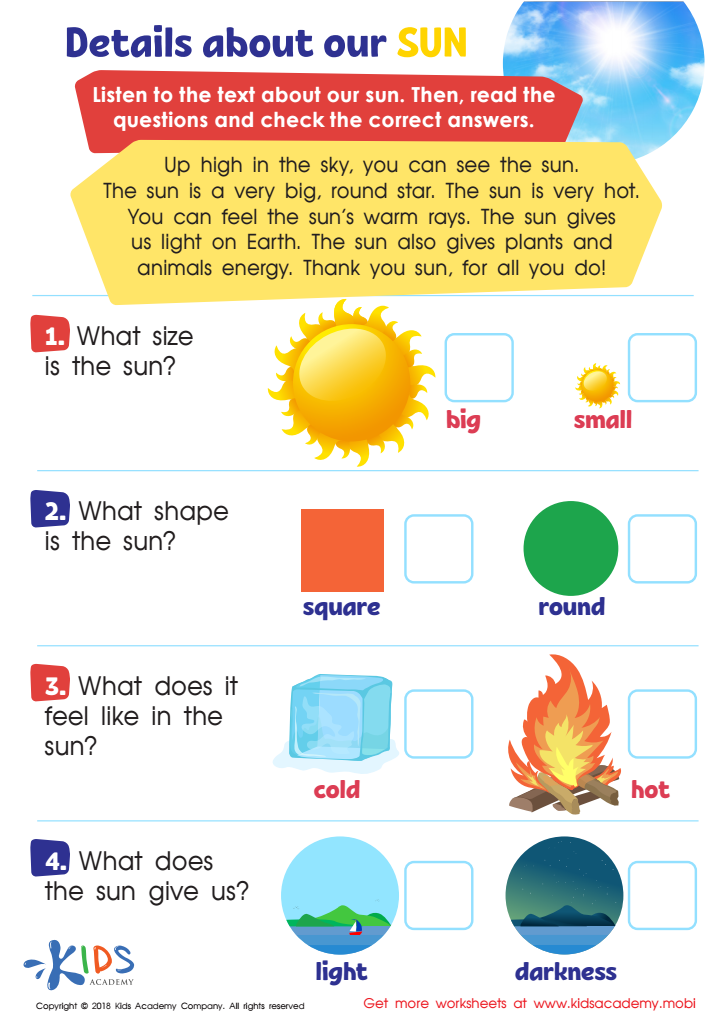
Details About Our Sun Worksheet
 Assign to My Students
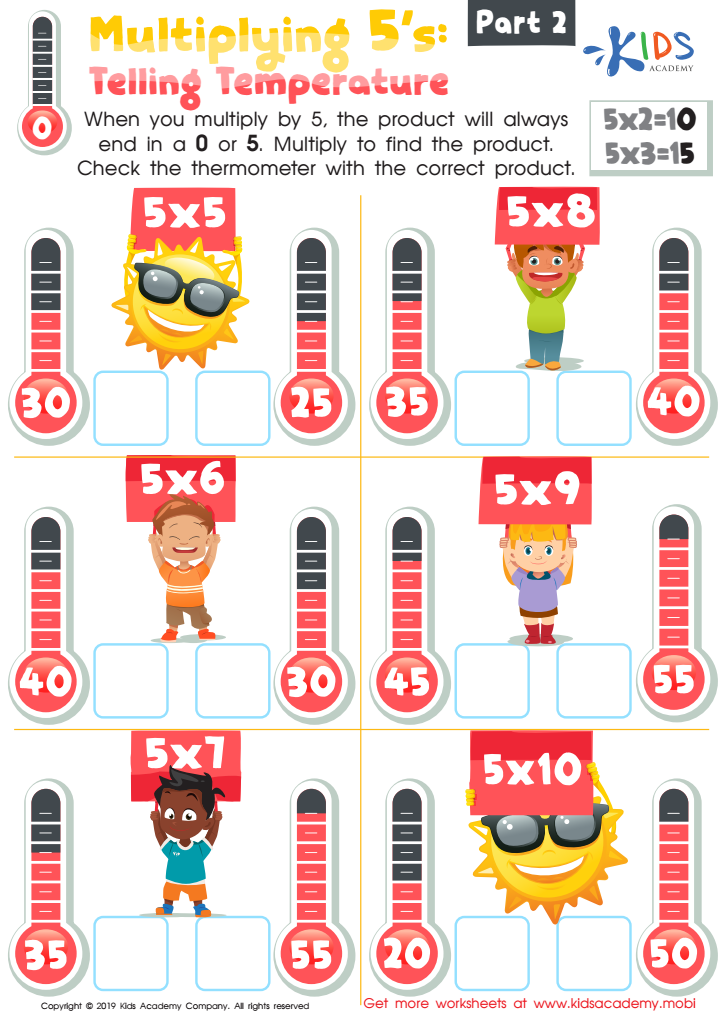
Multiplying 5’s: Telling Temperature Part 2 Worksheet
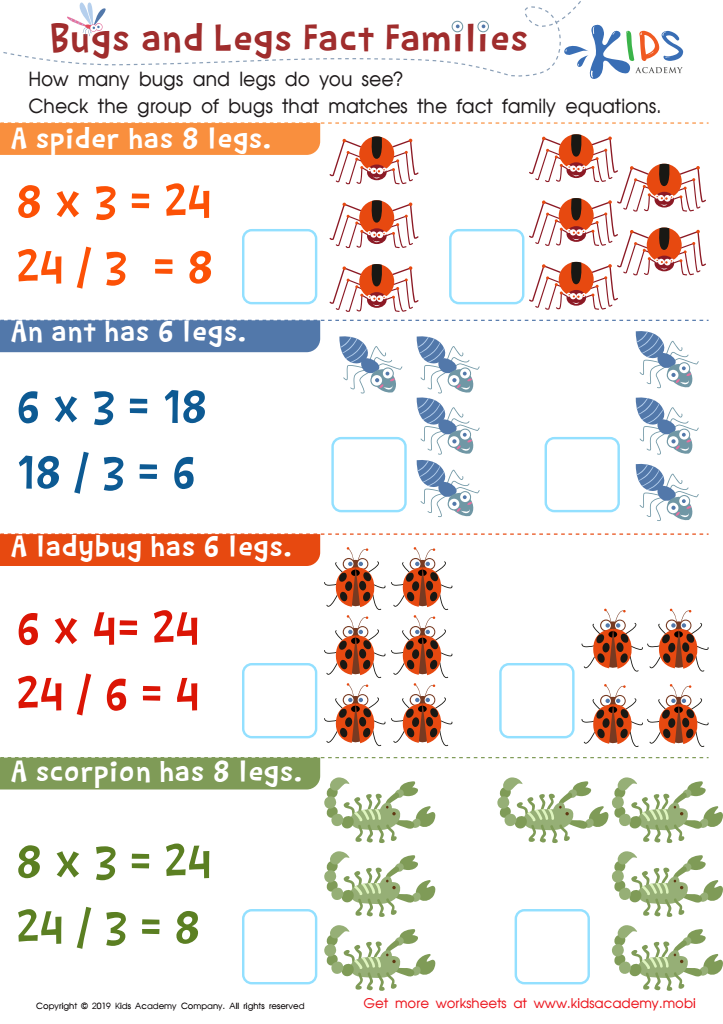
Bugs and Legs Fact Families Worksheet




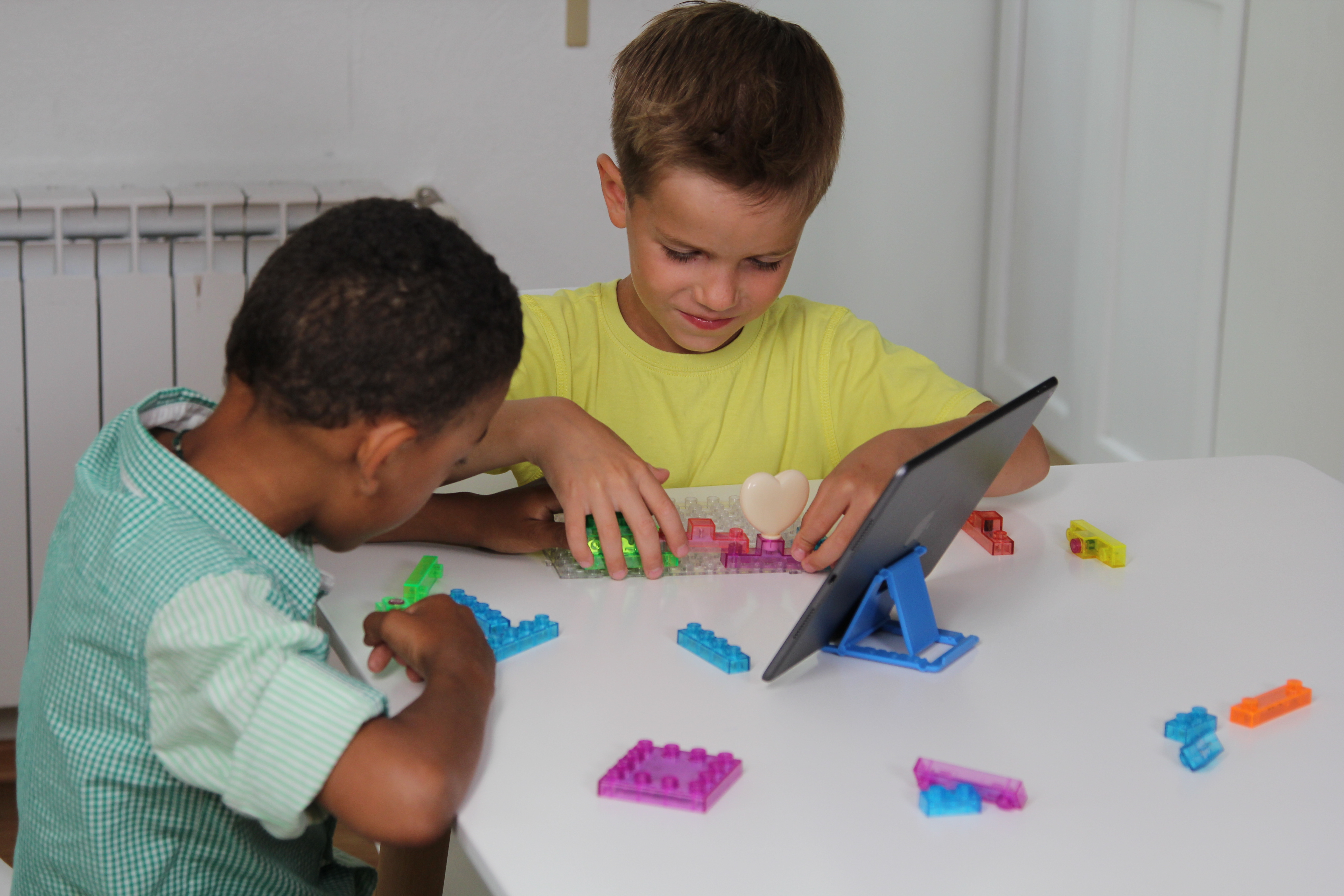


Normal Science for Ages 3-8 refers to the age-appropriate exploration of scientific concepts and methods that align with children's developmental stages. Parents and teachers should care about this crucial phase of learning because it forms the foundation for lifelong curiosity and understanding of the world. At this age, children are naturally curious and prone to asking questions, which provides a perfect opportunity to introduce scientific thinking.
Engaging in Normal Science fosters critical skills such as observation, experimentation, and problem-solving. By providing hands-on experiences, educators can promote early cognitive development, helping children learn to make connections, hypothesize, and draw conclusions based on evidence. Additionally, Normal Science can spark an interest in STEM (Science, Technology, Engineering, and Mathematics) fields, which are vital for the 21st-century workforce.
Moreover, integrating science into early education supports social skills as children often collaborate during experiments or inquiries. This not only improves communication but also enhances emotional intelligence by teaching them to work together, share ideas, and respect differing viewpoints. Ultimately, a robust understanding of Normal Science enhances children's overall learning experience, encouraging them to be inquisitive, confident, and well-equipped to tackle future challenges.







