Improving reading comprehension Normal Science Worksheets for Ages 3-8
3 filtered results
-
From - To
Boost your child's reading comprehension skills with our specially designed Normal Science Worksheets for ages 3-8. These engaging activities seamlessly blend exciting scientific concepts with essential reading exercises, fostering a love for learning while enhancing cognitive development. Our worksheets cover various topics such as animals, plants, weather, and space, encouraging curiosity and critical thinking. Perfect for young learners, each worksheet integrates vibrant illustrations and simple texts that make understanding easier and fun. Start today to spark a lifelong passion for science and reading through interactive and educational worksheets that support your child’s early learning journey.
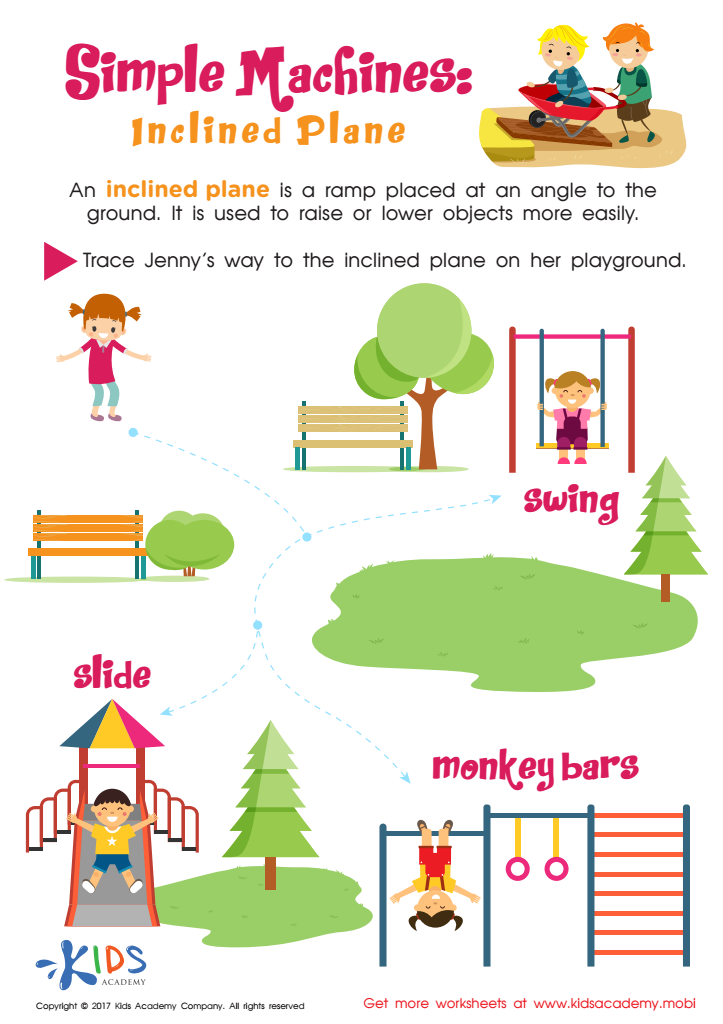
Simple Machines Inclined Plane Worksheet
 Assign to My Students
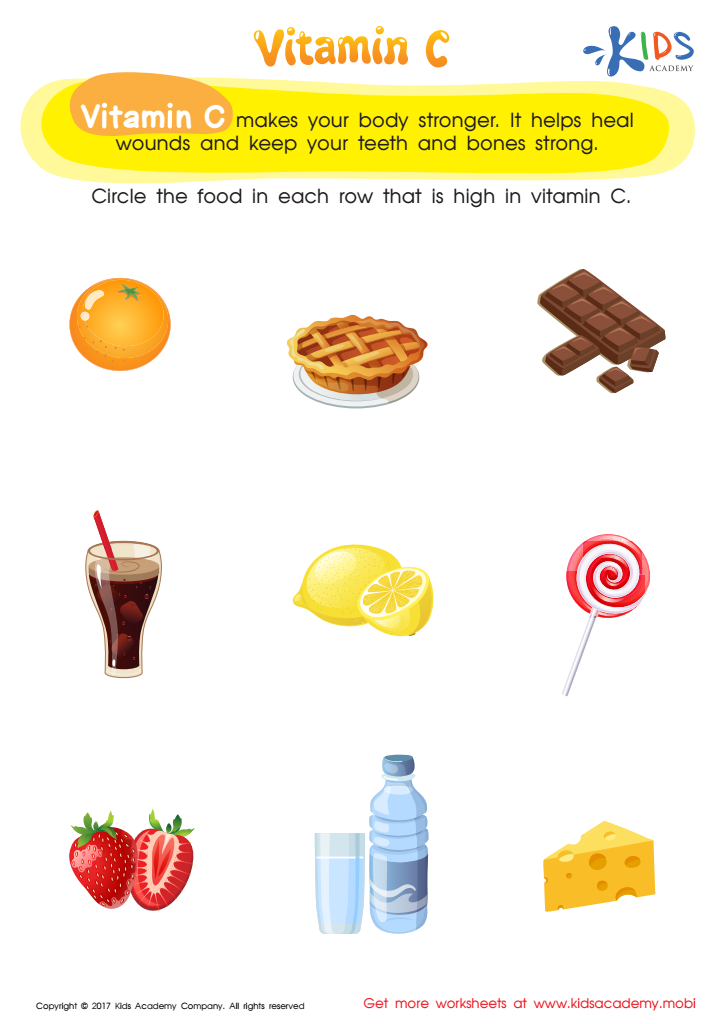
Vitamin C Worksheet
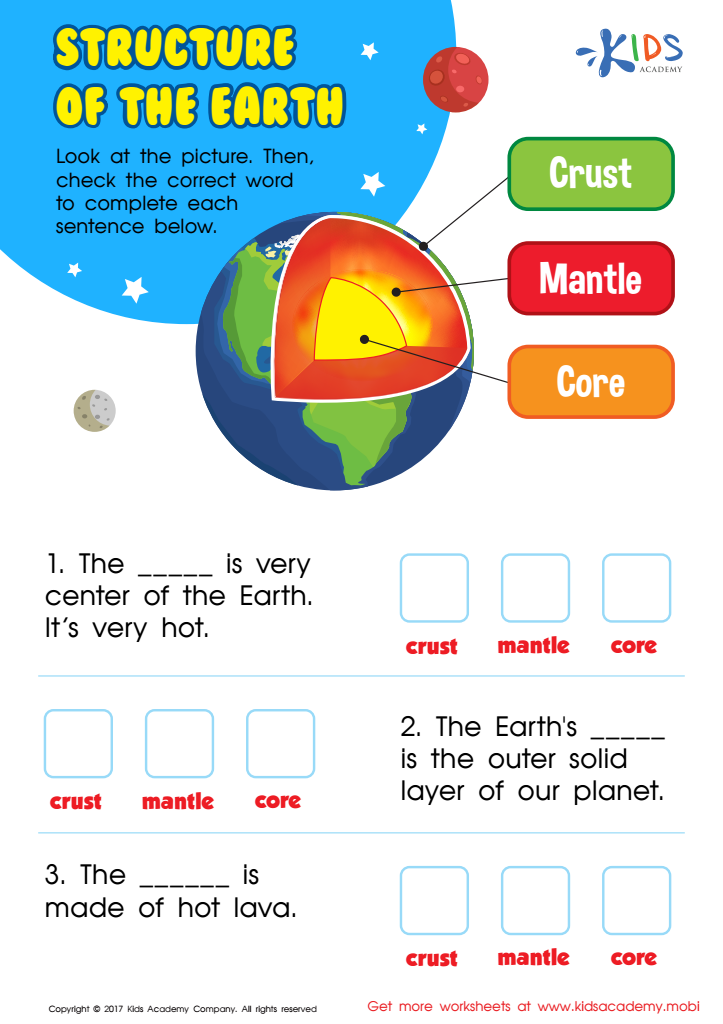
Structure of the Earth Worksheet




%20(1).jpg)



Improving reading comprehension for children ages 3-8 is crucial for several reasons. During these formative years, young brains are developing rapidly, making this an ideal time to build the cognitive skills necessary for reading. Good reading comprehension not only supports academic success but also fosters a love for learning, curiosity, and critical thinking.
Understanding stories and texts helps children make sense of the world around them. By improving their comprehension, we enable young learners to gain knowledge across various subjects, from science to social studies. Children who can understand and interpret what they read are better equipped to ask questions, make connections, and develop empathy.
Furthermore, early proficiency in reading comprehension supports the development of other essential language skills, including vocabulary, grammar, and writing. As children become better readers, they also become more effective communicators.
Parents and teachers play a pivotal role in this process. Through shared reading, asking questions, and discussing stories, adults can help children develop critical comprehension strategies. These interactions not only boost comprehension but also strengthen the parent-child or teacher-student bond, providing emotional support and encouraging a positive attitude towards learning.
Investing time and effort in enhancing reading comprehension at this age sets a strong foundation for future intellectual growth and lifelong learning.







