Animal Classification Normal Plants and Animals Worksheets for Ages 3-8
6 filtered results
-
From - To
Discover the fascinating world of nature with our captivating "Animal Classification" worksheets, specially designed for young learners ages 3-8. Through engaging, age-appropriate activities, children will learn to differentiate between various plants and animals, understanding the basics of animal classification. These worksheets, available on Kids Academy, provide a fun and interactive way to explore science while developing essential learning skills. Perfect for early education, these printables foster curiosity and a love for the natural world. Ideal for parents and teachers alike, they support young minds in recognizing and categorizing different living organisms with ease and enjoyment.
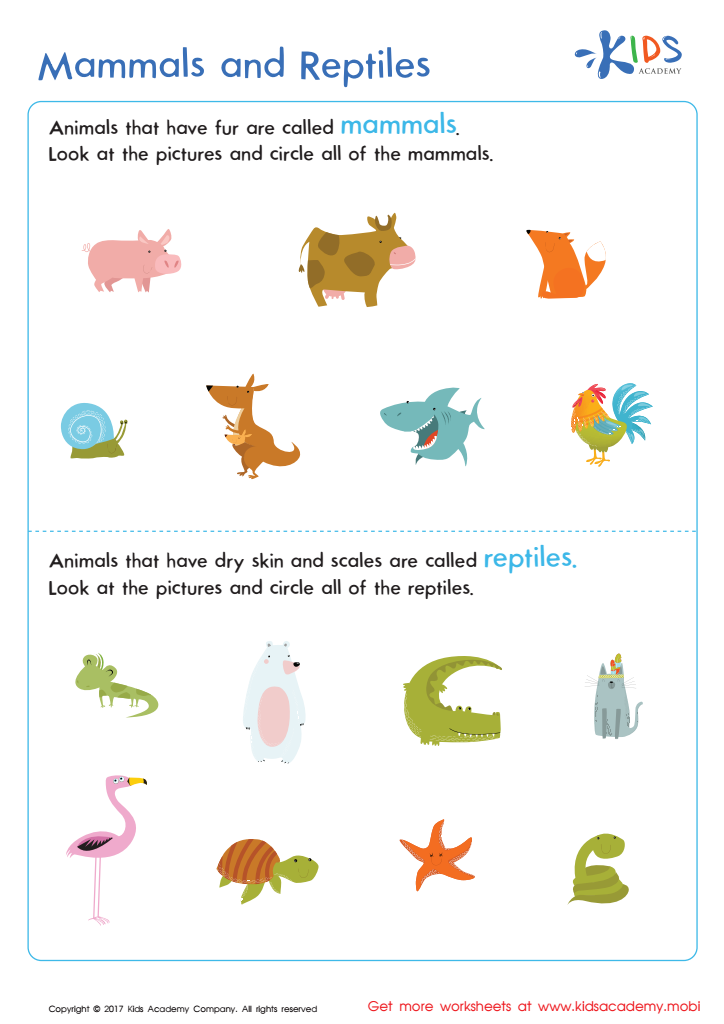
Mammals and Reptiles Worksheet
 Assign to My Students
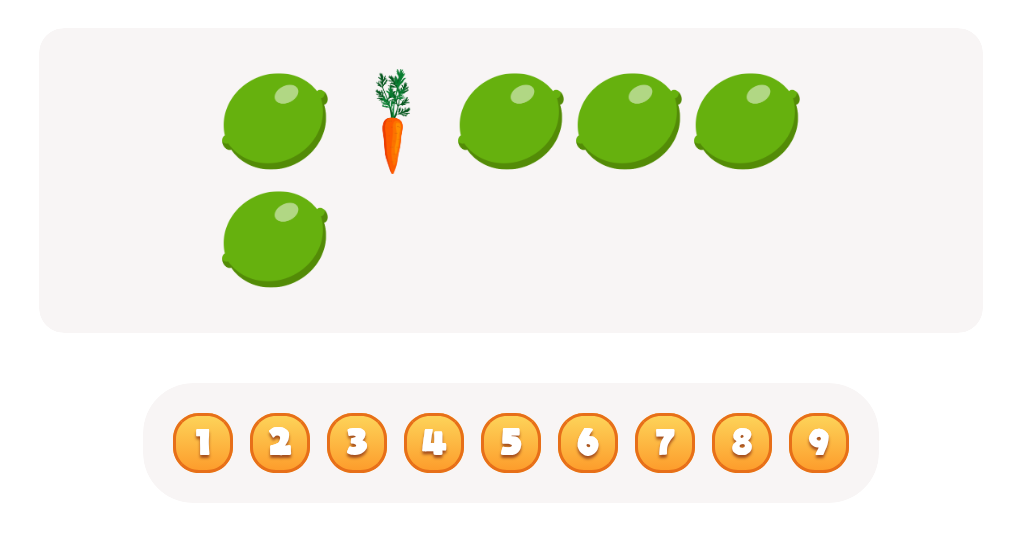

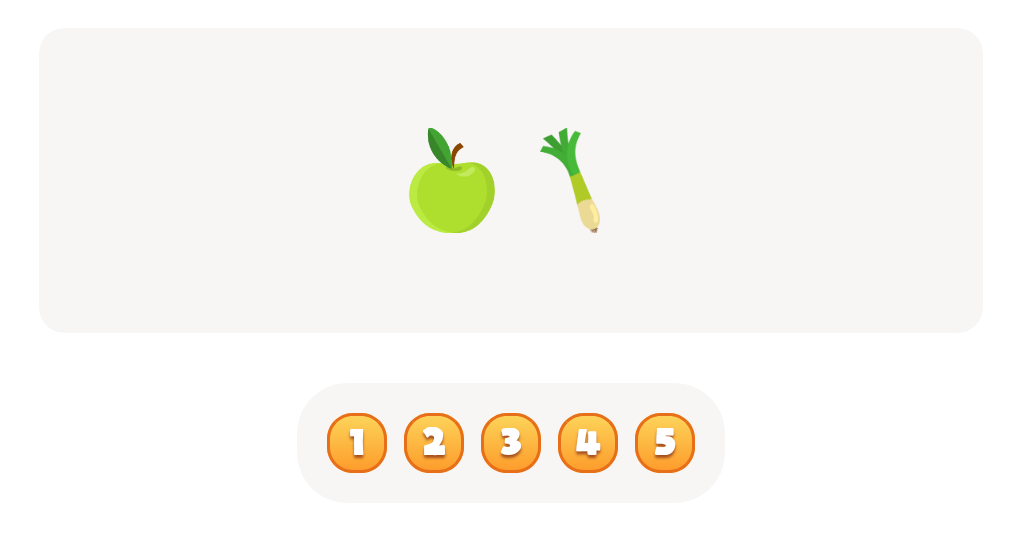
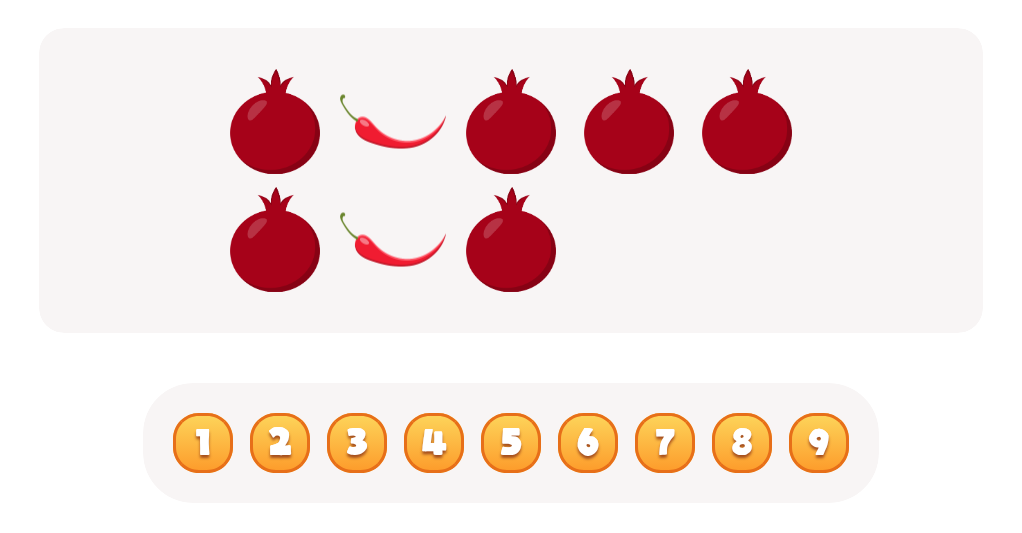
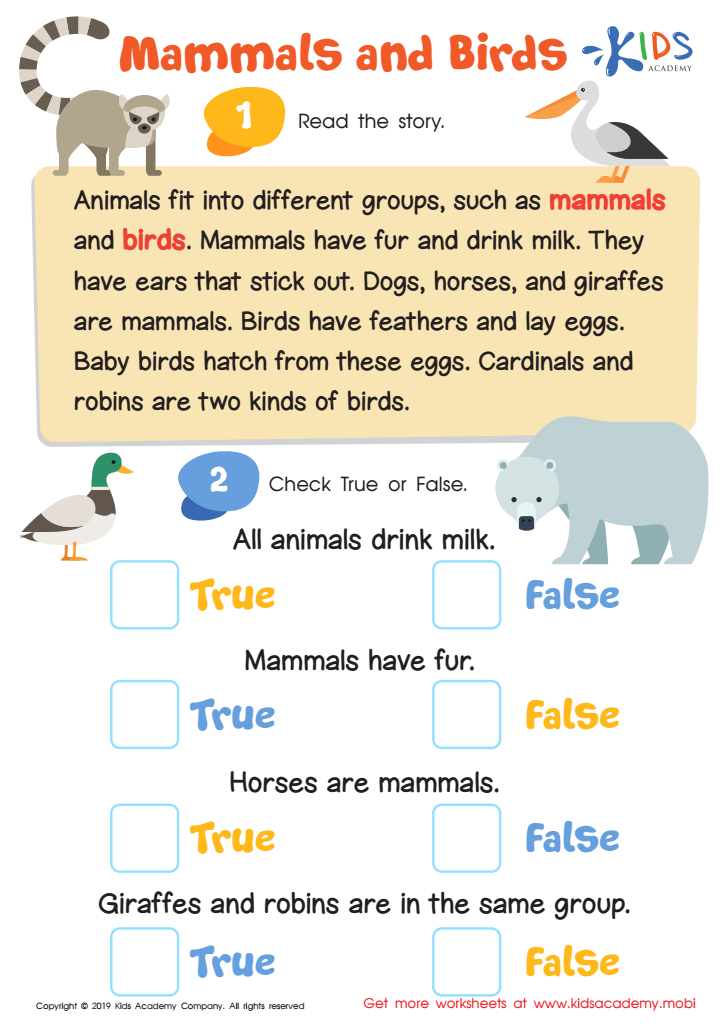
Mammals and Birds Worksheet
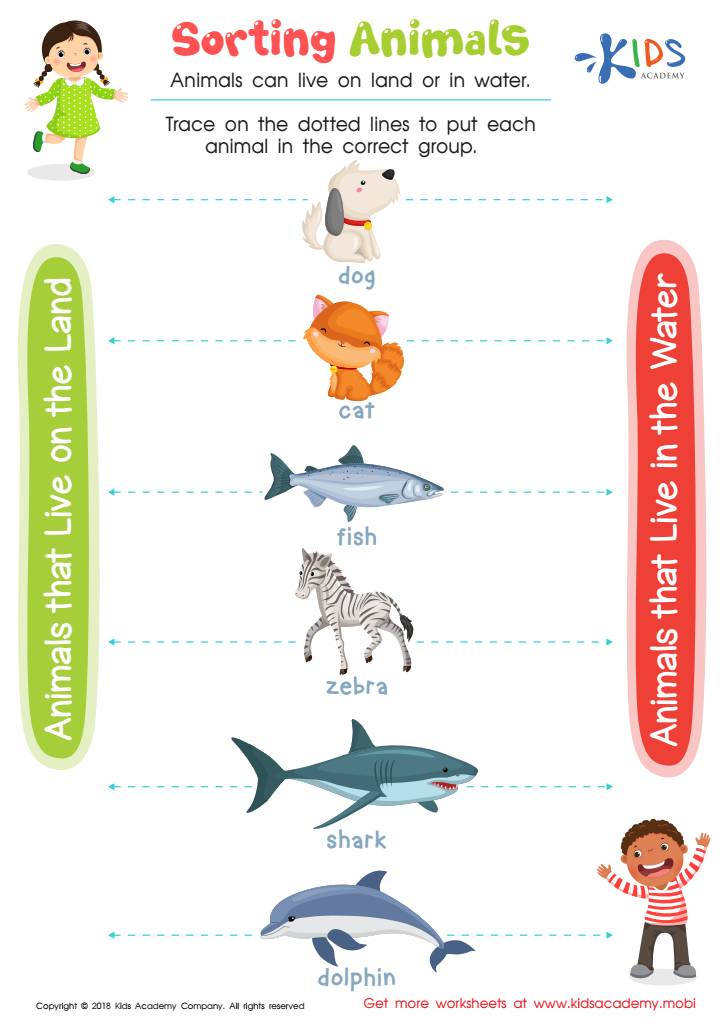
Sorting Animals Worksheet
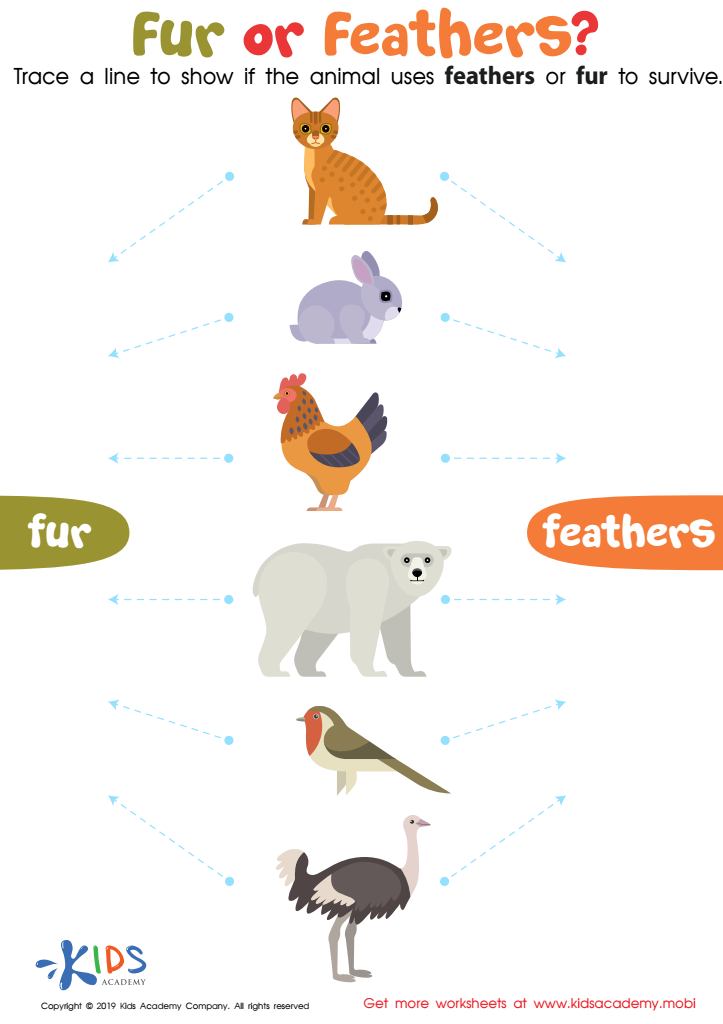
Fur or Feathers? Worksheet
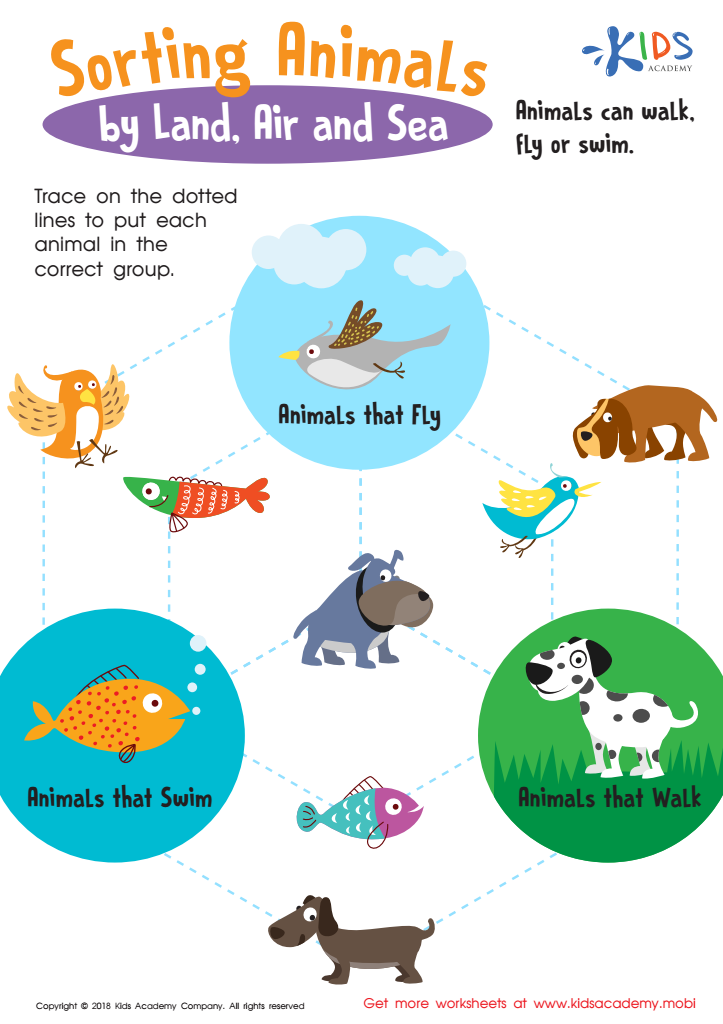
Sorting Animals by Land, Air and Sea Worksheet
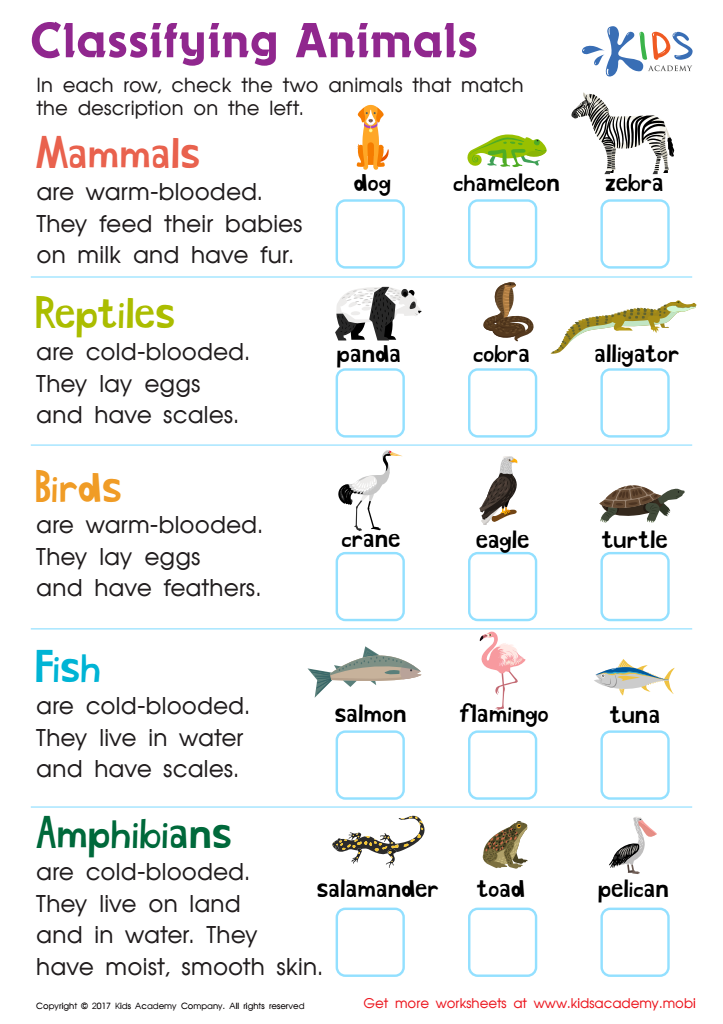
Classifying Animals Worksheet








Teaching young children about animal classification and normal plants and animals is essential for several reasons. Firstly, it builds a foundation for scientific understanding and curiosity. Learning about different animal groups—such as mammals, birds, reptiles, amphibians, and insects—helps children comprehend biodiversity and the roles various creatures play in our ecosystem.
At this age, children's brains are highly receptive to new information. Introducing concepts like animal classification develops critical thinking skills. They learn to categorize and recognize common characteristics and differences among species, fostering observation and analytical skills.
Additionally, teaching children about plants and animals nurtures a sense of wonder and respect for nature. Kids who understand nature are more likely to develop sentiments of empathy and responsibility towards the environment, which is crucial for raising environmentally conscious citizens.
Practically, these lessons can be fun and interactive, incorporating outdoor activities, colorfully illustrated books, or creative art projects. Engaging children in hands-on learning solidifies knowledge and keeps them excited about learning.
Moreover, children often communicate what they learn at school with their families, reinforcing classroom teachings at home. Parents and teachers collectively prioritizing this foundational knowledge prepares children for more advanced science education in later years and promotes lifelong appreciation and stewardship of the natural world.







