Learning about ecosystems Normal Plants and Animals Worksheets for Ages 3-8
3 filtered results
-
From - To
Discover the fascinating world of ecosystems with our engaging Normal Plants and Animals Worksheets, specially designed for ages 3-8! These interactive and fun worksheets introduce young learners to the balance of nature, exploring the roles of plants and animals in various ecosystems. Kids will enjoy hands-on activities that encourage creativity and critical thinking while learning about habitats, food chains, and the importance of biodiversity. Each worksheet is visually appealing and age-appropriate, making learning enjoyable and effective. Perfect for homeschooling or classroom use, these resources inspire a love for science and nature. Help your child explore ecosystems today!
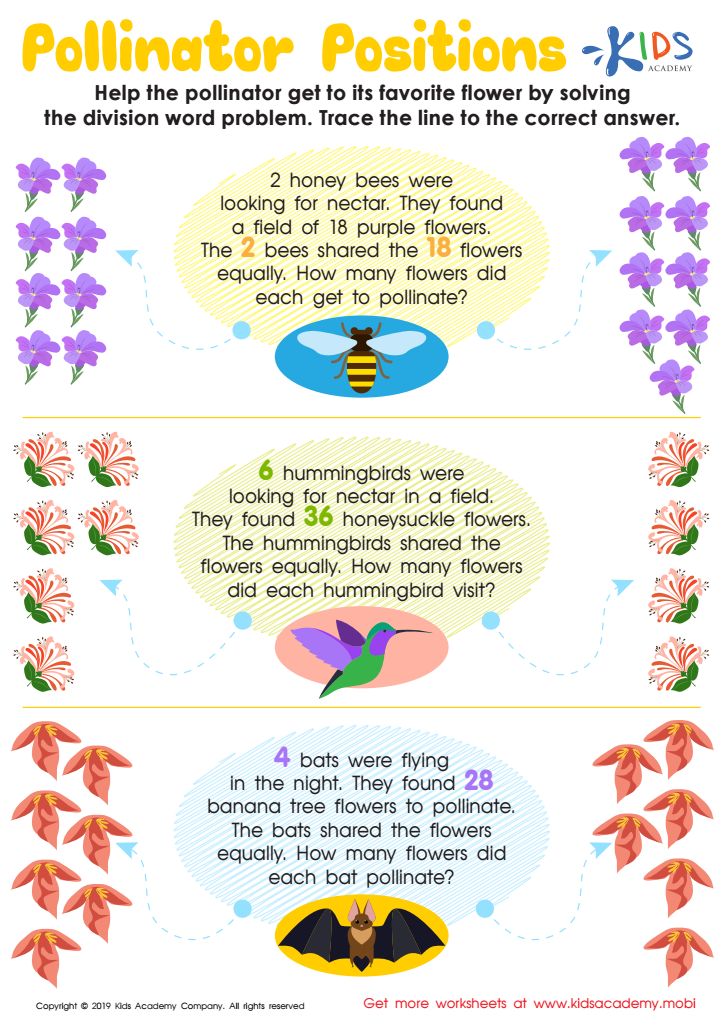
Pollinator Positions Worksheet
 Assign to My Students











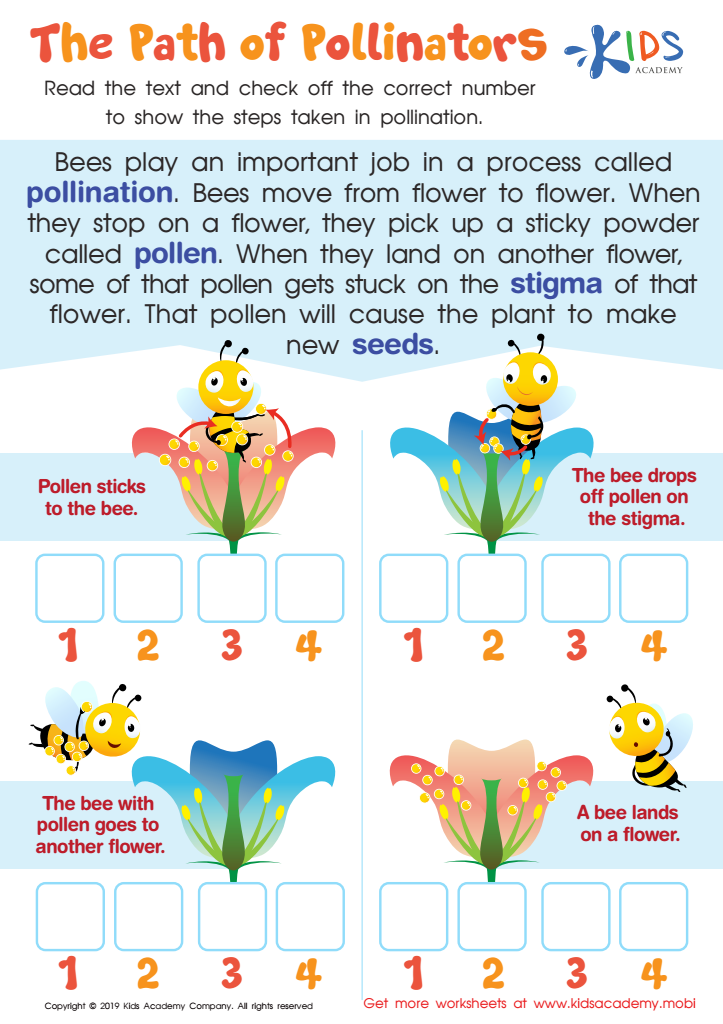
The Path of Pollinators Worksheet
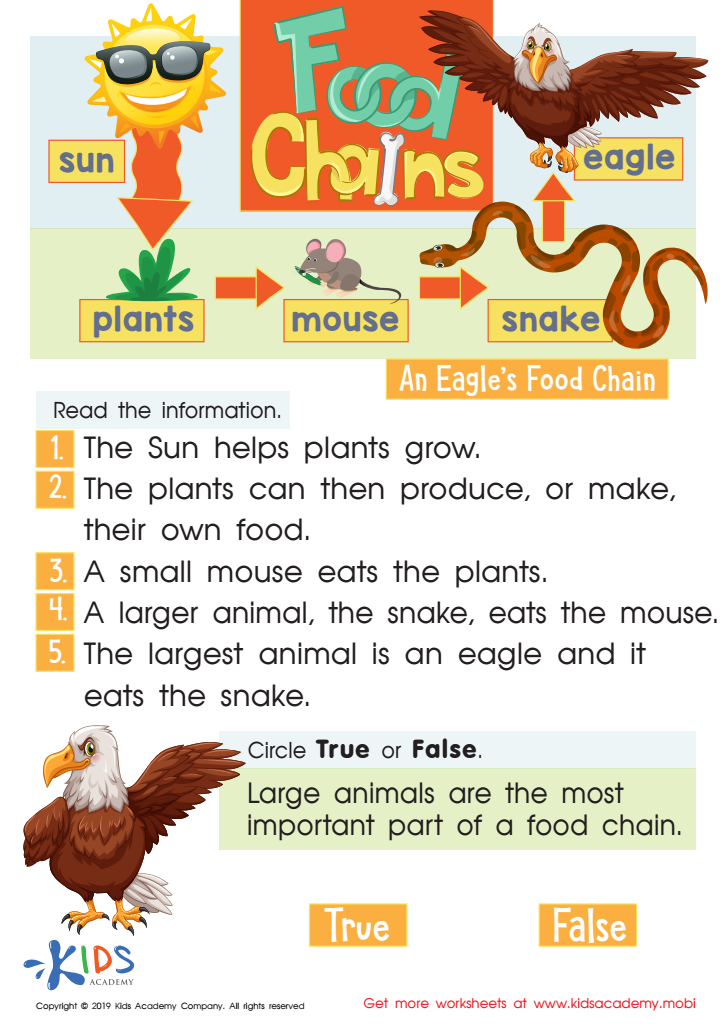
Food Chains Worksheet







Parents and teachers should care about teaching young children about ecosystems, normal plants, and animals because this foundational knowledge helps foster a deep appreciation for the natural world. Introducing children to ecosystems at an early age encourages curiosity and exploration, which are critical for cognitive development. Learning about different plants and animals cultivates empathy and respect for living organisms, teaching children their role in maintaining ecological balance.
Moreover, understanding ecosystems promotes awareness of environmental issues, instilling a sense of responsibility in the next generation. This can inspire them to become environmentally conscious individuals who will take action to protect our planet as they grow older. In a world increasingly affected by climate change and habitat destruction, early education in this area can motivate children to think critically about their impact on the planet.
In addition, these lessons can strengthen fine motor skills through hands-on activities, enhance observational skills through outdoor exploration, and support social skills through collaborative learning projects. Ultimately, ecology education for ages 3-8 develops informed, balanced young citizens, helping to ensure that future generations are well-equipped to sustain and nurture the planet for years to come.







