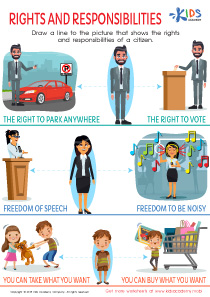
Vocabulary development Normal Community Worksheets for Ages 3-8
5 filtered results
Difficulty Level
Grade
Age
-
From - To
Subject
Activity
Standards
Enhance your child's vocabulary with our dynamic "Vocabulary Development Normal Community Worksheets" designed for ages 3-8. These engaging, age-appropriate worksheets focus on familiarizing young learners with community-related terms and concepts. Each worksheet combines fun activities with effective learning techniques to strengthen word recognition and comprehension. Perfect for early learners, these resources support skill-building in reading, writing, and social studies. From identifying community helpers to understanding places in the neighborhood, our worksheets provide a solid foundation for vocabulary development. Help your child explore their world while boosting language skills with our expertly crafted educational materials.
Favorites
With answer key
Interactive

Let's Go to the Library! Worksheet
How often does your child visit the library? If they're a frequent visitor, they'll breeze through this worksheet. It requires them to look at pictures that depict activities done in the library and activities not allowed. Ask them to circle the correct picture. It's a fun way to reinforce library knowledge.
 Assign to My Students
Let's Go to the Library! Worksheet
Worksheet
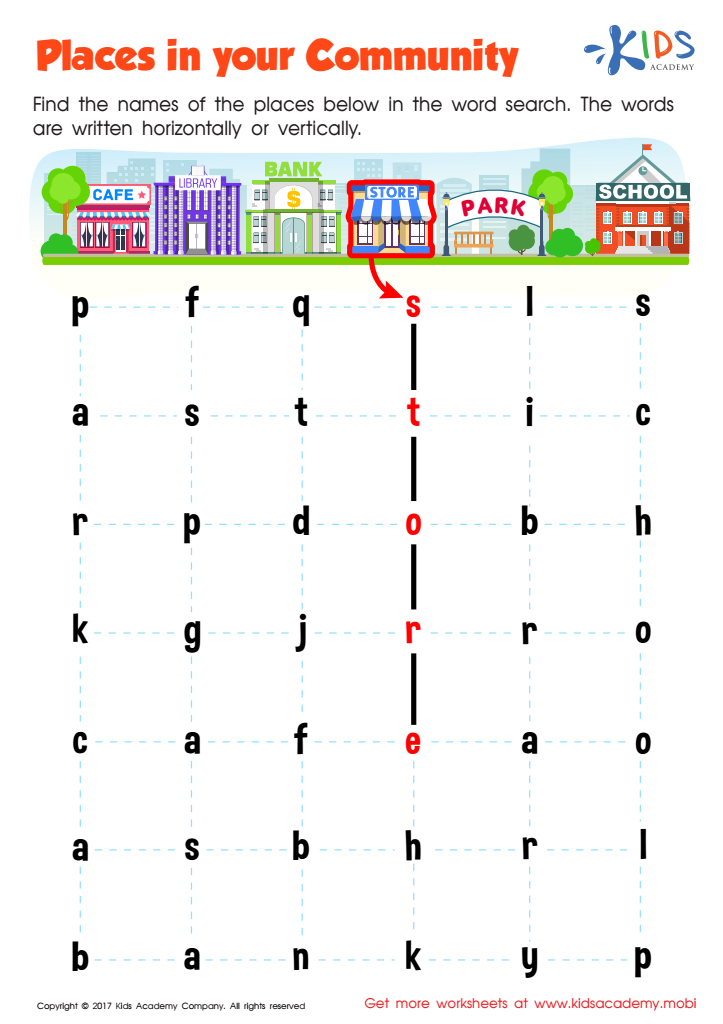
Places in Your Community Worksheet
Find and circle words related to common places in your community, like library, fire station, and more. Practicing vocabulary and spelling, your child will gain a better understanding of their community.
Places in Your Community Worksheet
Worksheet
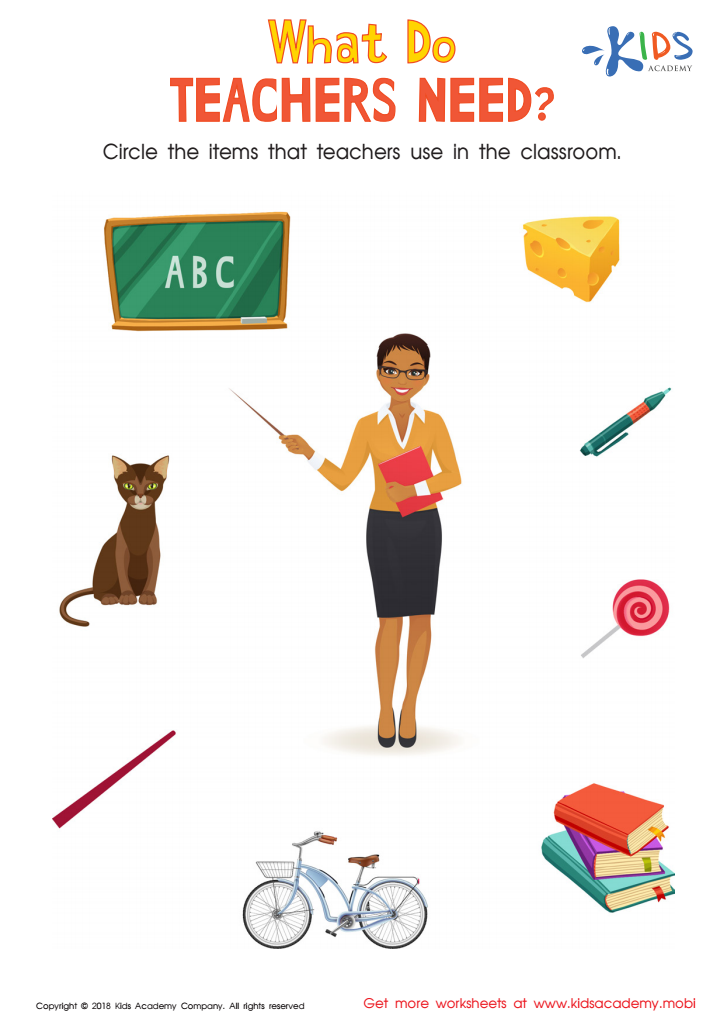
What Do Teachers Need Worksheet
This interactive worksheet tasks kindergarten students with identifying essential items a teacher needs in a classroom. They will be asked to circle items, helping them learn what teachers need to have in their classrooms.
What Do Teachers Need Worksheet
Worksheet
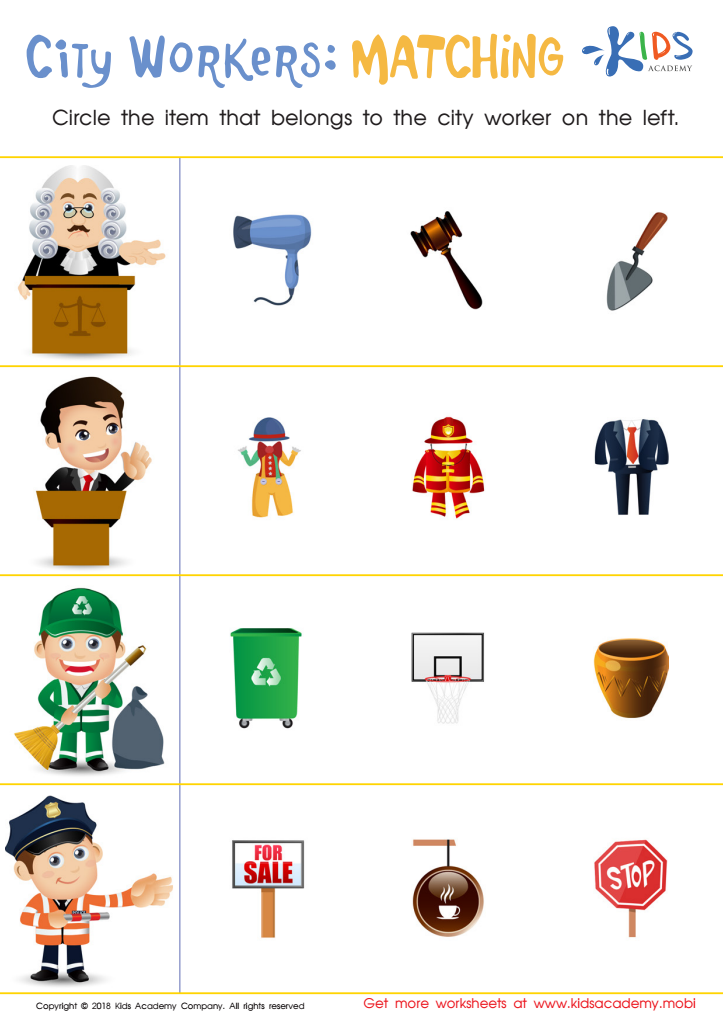
City Workers: Matching Worksheet
Examine the worksheet with your kid. Identify the individuals on the left and their jobs. Have your child circle the correct items on the right that pertain to the city workers. Help your child learn about city workers with this activity.
City Workers: Matching Worksheet
Worksheet
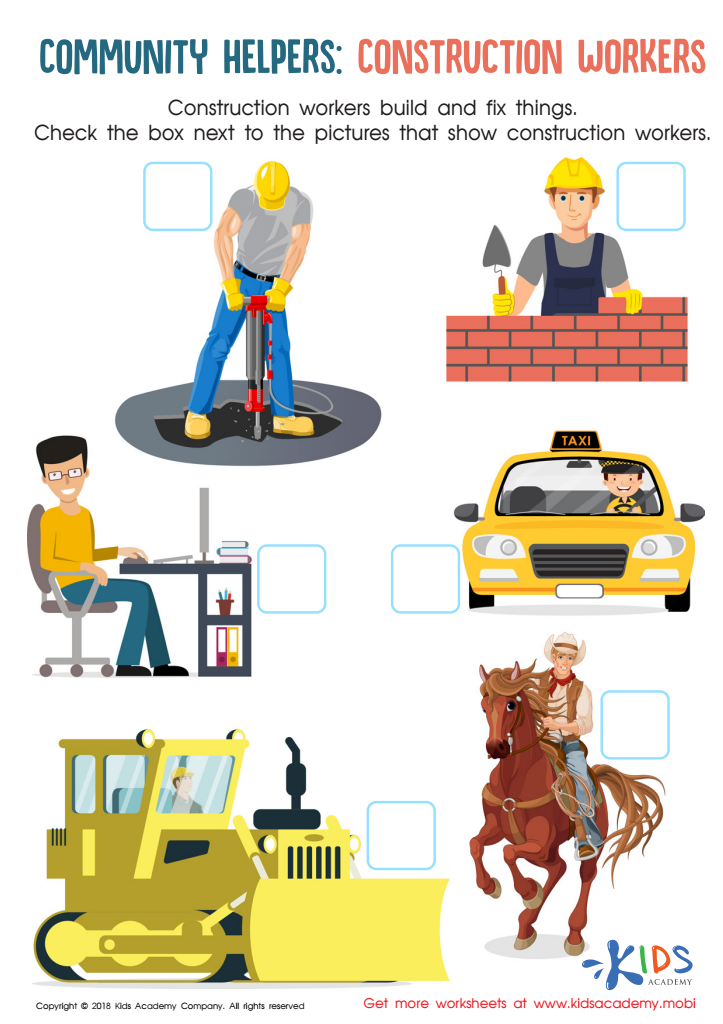
Construction Workers Community Helpers Worksheet
Construction workers build and repair roads, keeping them accessible for the community. Ask your child if they've ever seen one at work, and talk about what they do. Go through the worksheet together and check the pictures that show construction workers in action.
Construction Workers Community Helpers Worksheet
Worksheet
Join Kids Academy for Free
Who is primarily going to use this learning content?








Vocabulary development is crucial for the ages of 3-8, forming a cornerstone for future academic and social success. During these formative years, children are like sponges, rapidly absorbing words and their meanings. This early acquisition significantly enhances their ability to communicate effectively, which is fundamental not only for expressing needs and thoughts but also for forming meaningful friendships.
A strong vocabulary aids in reading comprehension. When children know the meanings of words, they better understand what they read, leading to more enjoyable and effective reading experiences. Furthermore, a robust vocabulary facilitates critical thinking and problem-solving, equipping children with the language needed to process and articulate complex ideas.
Teachers and parents play an influential role in vocabulary development by providing a language-rich environment. Engaging in conversations, reading together, and exposing children to diverse linguistic contexts helps them encounter and grasp new words. This involvement fosters a love for language that promotes lifelong learning.
Additionally, early vocabulary development is closely linked to later academic achievements. Children with larger vocabularies tend to perform better in school overall. By prioritizing vocabulary growth, caregivers and educators are not just supporting immediate language skills but also laying a foundation for academic success, confident communication, and social competence as children grow.