Problem-Solving Skills Normal History Worksheets for Ages 3-8
3 filtered results
-
From - To
Enhance your child's critical thinking and problem-solving abilities with our engaging Normal History Worksheets tailored for ages 3-8. These interactive resources are designed to foster curiosity and creativity while introducing young learners to key historical concepts. Through fun exercises and relatable scenarios, children will tackle age-appropriate challenges that stimulate their analytical skills. Our worksheets blend learning and play, providing a solid foundation in problem-solving while cultivating an interest in history. Perfect for parents and educators, these printable resources are easily accessible, ensuring that kids can enjoy meaningful learning experiences anytime, anywhere. Start inspiring young minds today with our problem-solving worksheets!
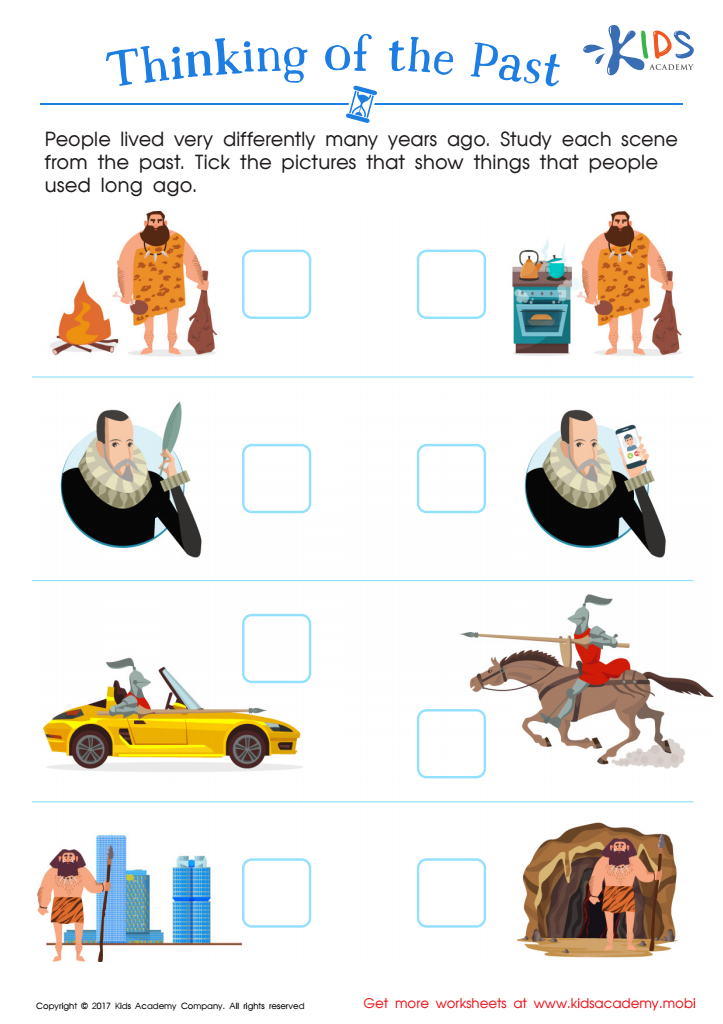
Thinking Past Printable
 Assign to My Students
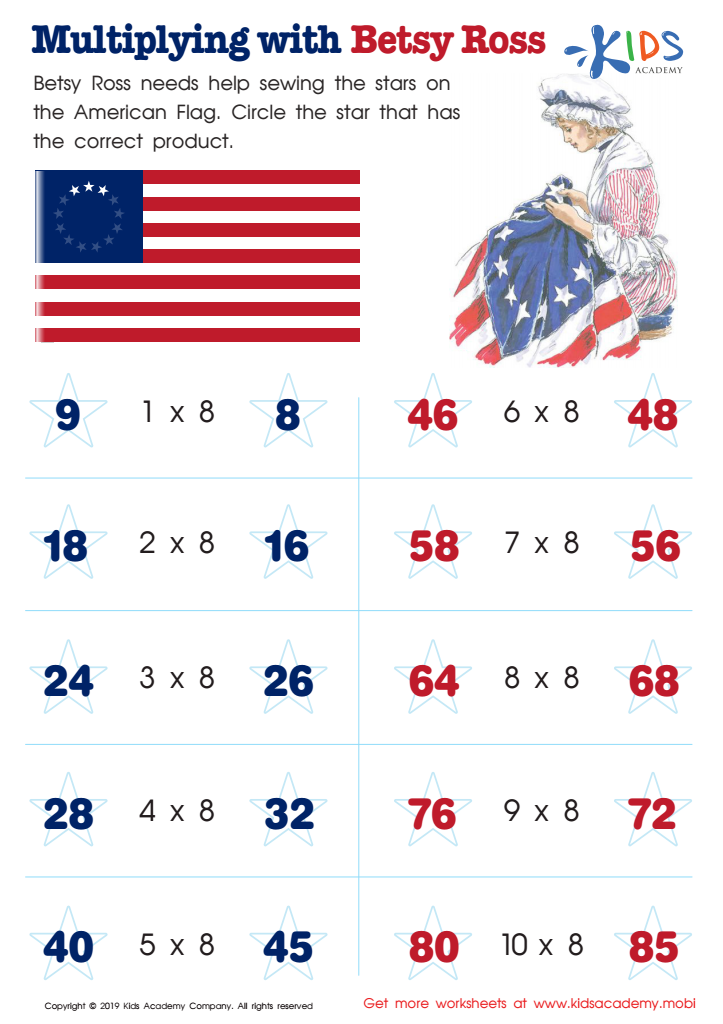
Multiplying with Betsy Ross Worksheet
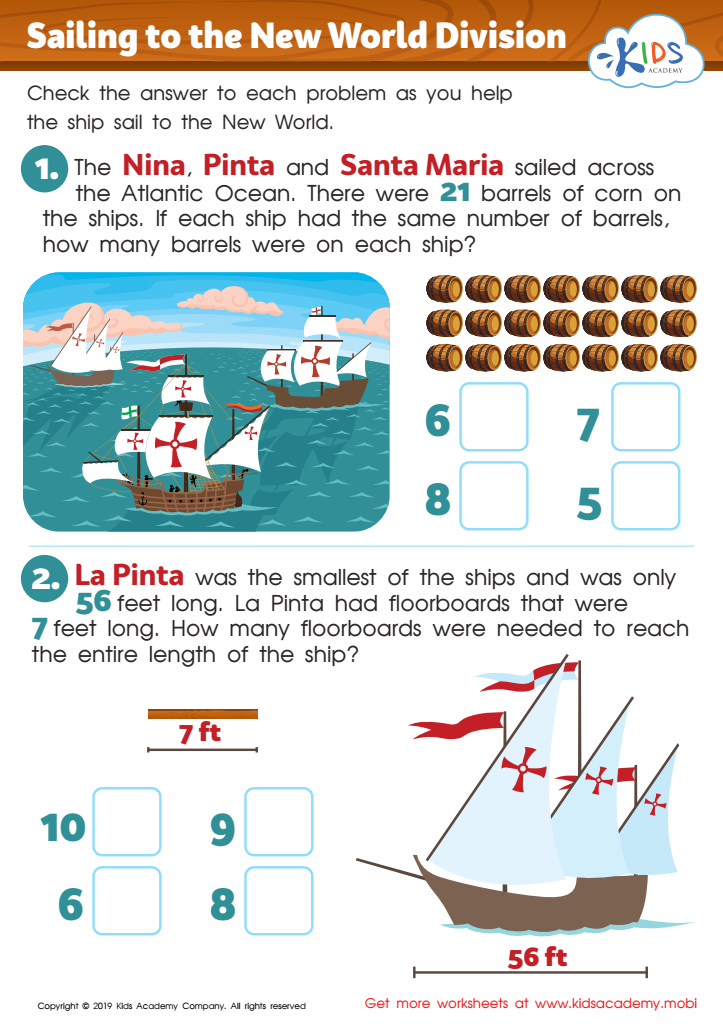
Sailing to the New World Division Worksheet








Problem-solving skills are crucial for young children, particularly between the ages of 3 to 8, as this developmental stage lays the foundation for lifelong learning and cognitive growth. Understanding normal problem-solving history during these years helps parents and teachers recognize and nurture each child's unique abilities and challenges.
Firstly, developing problem-solving skills enhances a child's critical thinking, creativity, and independence. These skills empower them to approach everyday challenges, from simple tasks like choosing the right toy to more complex social situations involving friends. Early proficiency in problem-solving significantly impacts academic success later on, equipping children with strategies to tackle more difficult subjects in a structured environment.
Additionally, parents and teachers play an essential role in encouraging these skills. By understanding the developmental milestones in problem-solving, they can provide appropriate interventions or support. They can create enriching environments where children can experiment, make mistakes, and learn from them. This fosters resilience, adaptability, and a positive attitude toward learning.
By prioritizing the understanding of problem-solving skills in young children, parents and teachers are not only investing in their academic future but also in their overall emotional and social competencies, shaping them into well-rounded individuals.