Cognitive Development Normal World Around Us Worksheets for Ages 3-8
6 filtered results
-
From - To
Unlock your child's potential with our "Cognitive Development: Normal World Around Us" worksheets, designed for ages 3-8. These engaging, interactive activities enhance your child's cognitive skills by encouraging exploration and understanding of their surroundings. From identifying shapes and patterns to developing problem-solving abilities, our thoughtfully crafted worksheets promote essential learning through play. Perfect for enhancing early childhood education, these resources make learning fun and effective. Ideal for parents and educators alike, these worksheets foster curiosity and nurture a love for learning by connecting concepts to the world around them. Download now and support your child's cognitive growth today!

Let's Look! Assessment Worksheet
 Assign to My Students
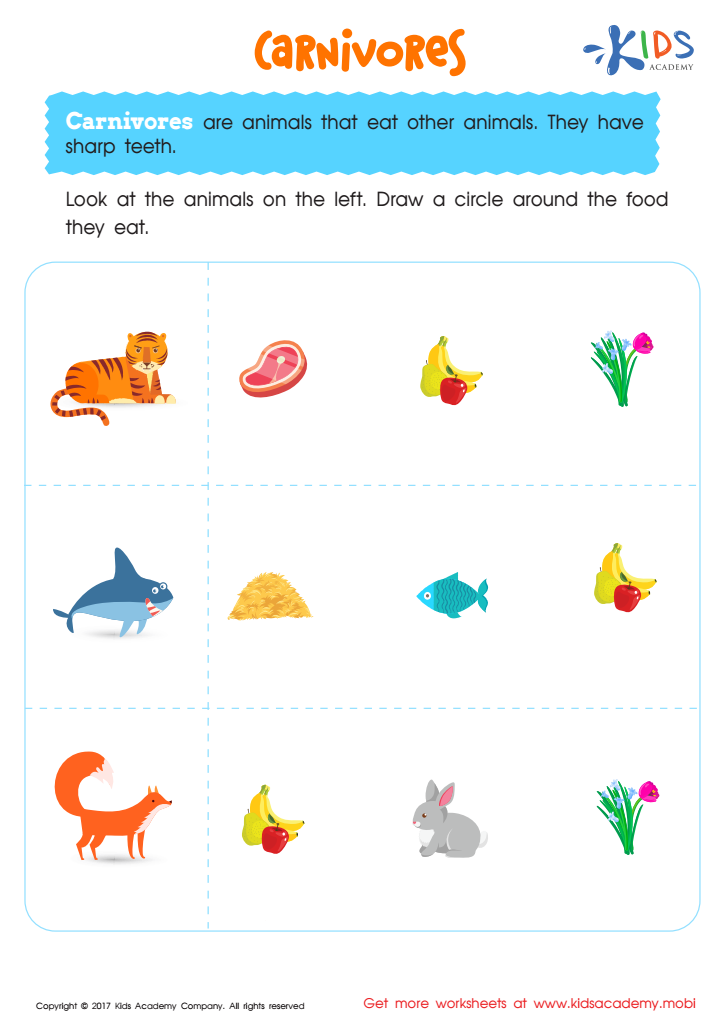
Carnivores Worksheet
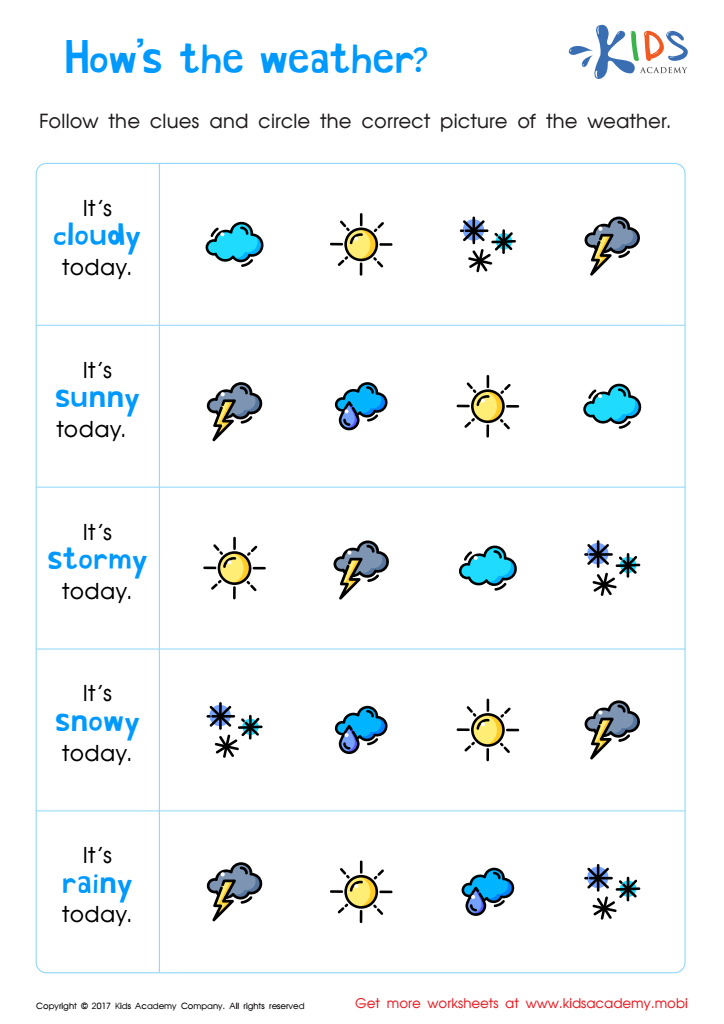
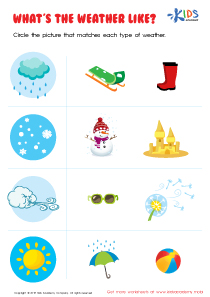
Hows the Weather Worksheet

Traditional Dance Printable
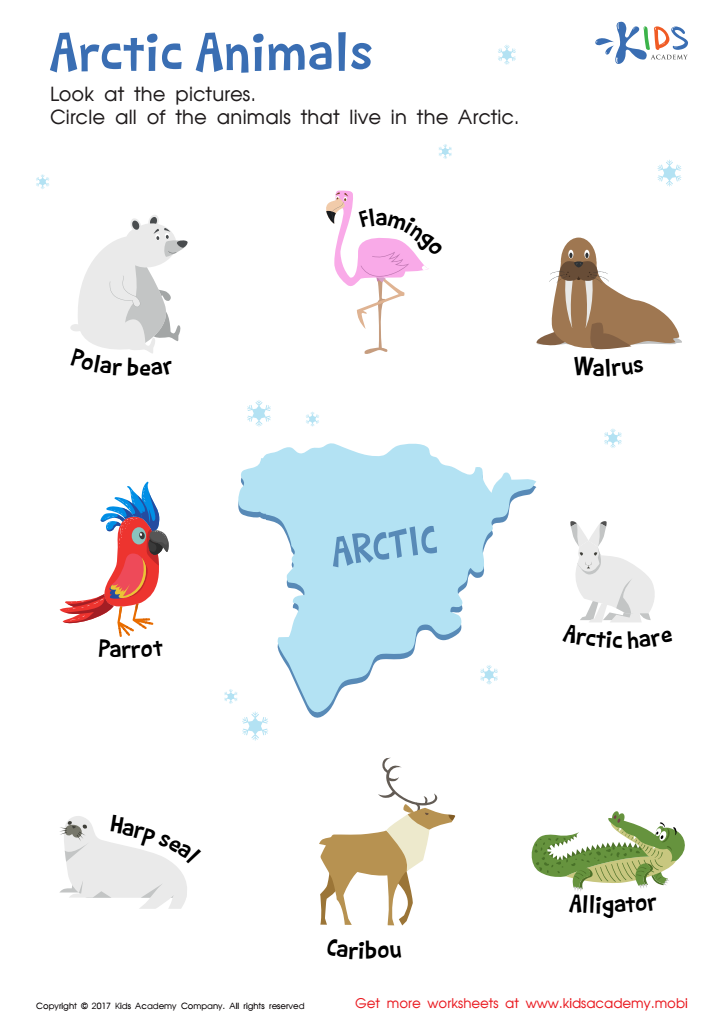
Arctic Animals Worksheet
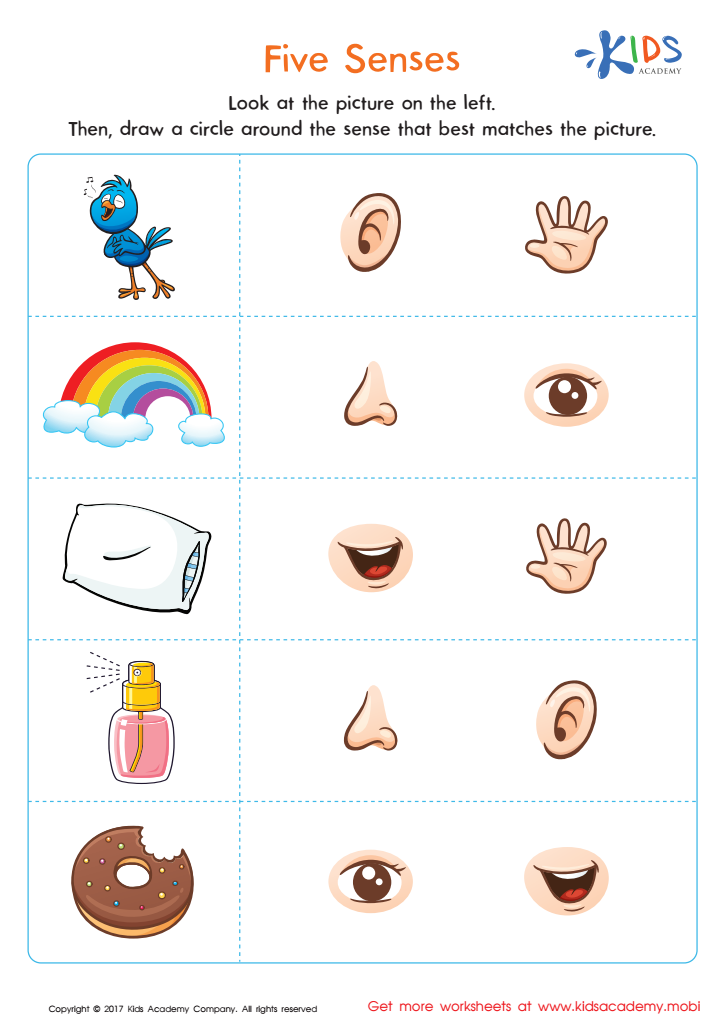
Five Senses Printable








Cognitive development during ages 3 to 8 is pivotal as it lays the foundation for a child’s overall growth and understanding of the world. At this developmental stage, children acquire critical thinking skills, language, and the ability to solve problems. Parents and teachers play a crucial role in shaping these abilities by providing stimulating environments that promote curiosity and exploration.
Engaging with diverse materials, such as books, puzzles, and interactive activities, enhances their cognitive skills, fostering creativity and verbal communication. Understanding how children perceive and process information helps adults tailor support that accommodates individual learning styles and pace. Moreover, by monitoring cognitive milestones, parents and teachers can identify any developmental delays early, ensuring timely interventions.
Additionally, cognitive development is closely linked to social and emotional growth. It equips children with the skills to navigate relationships, understand emotions, and develop resilience. Therefore, an emphasis on cognitive development not only prepares children for academic success but also prepares them for real-world experiences, enabling them to become empathetic, competent, and critical thinkers. Ultimately, fostering cognitive growth benefits not only the child but contributes to healthier communities and a more informed society.