Fine Motor Skills Normal Alphabet Worksheets for Ages 3-9 - Page 2
55 filtered results
-
From - To

Find Uppercase Letters A, B, and C Worksheet
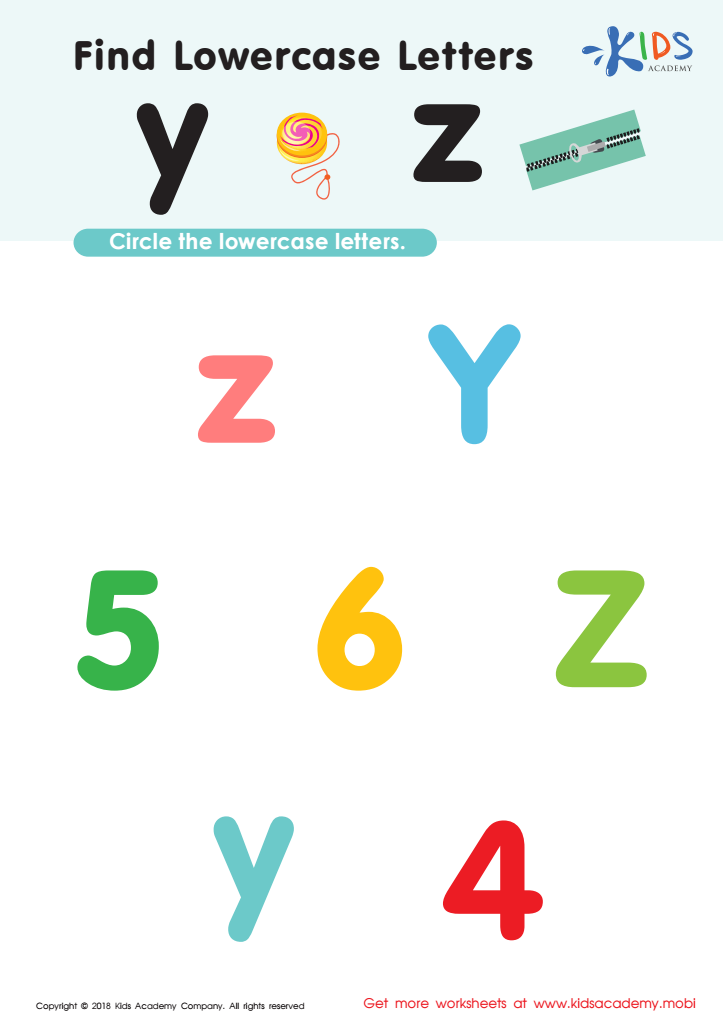
Find Lowercase Letters y z Worksheet
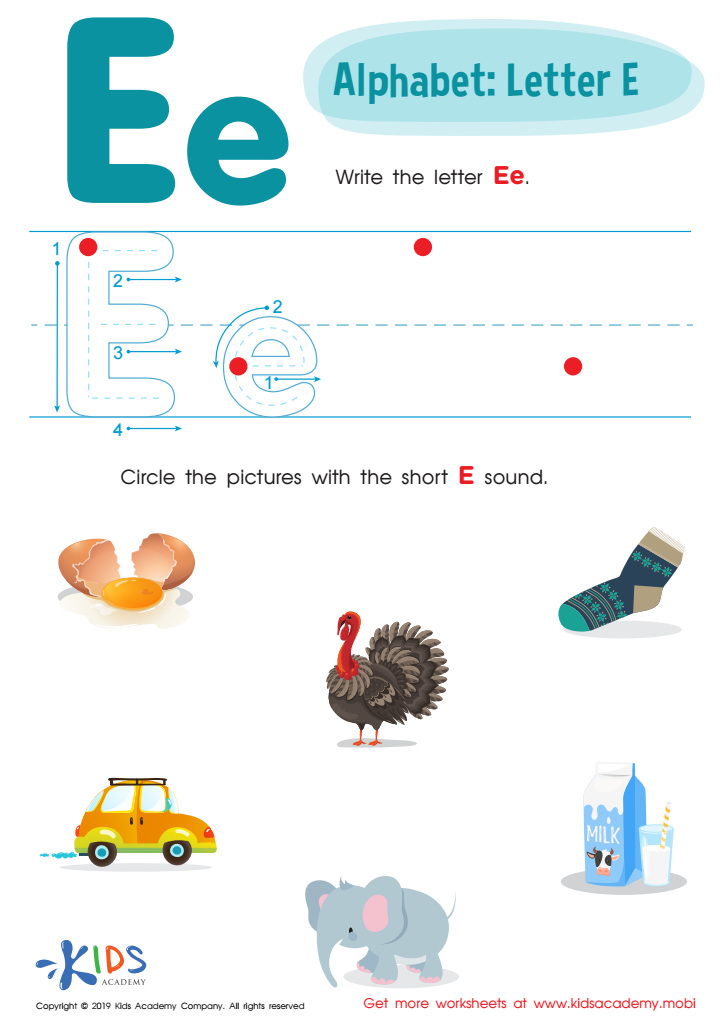
Letter E Tracing Worksheet
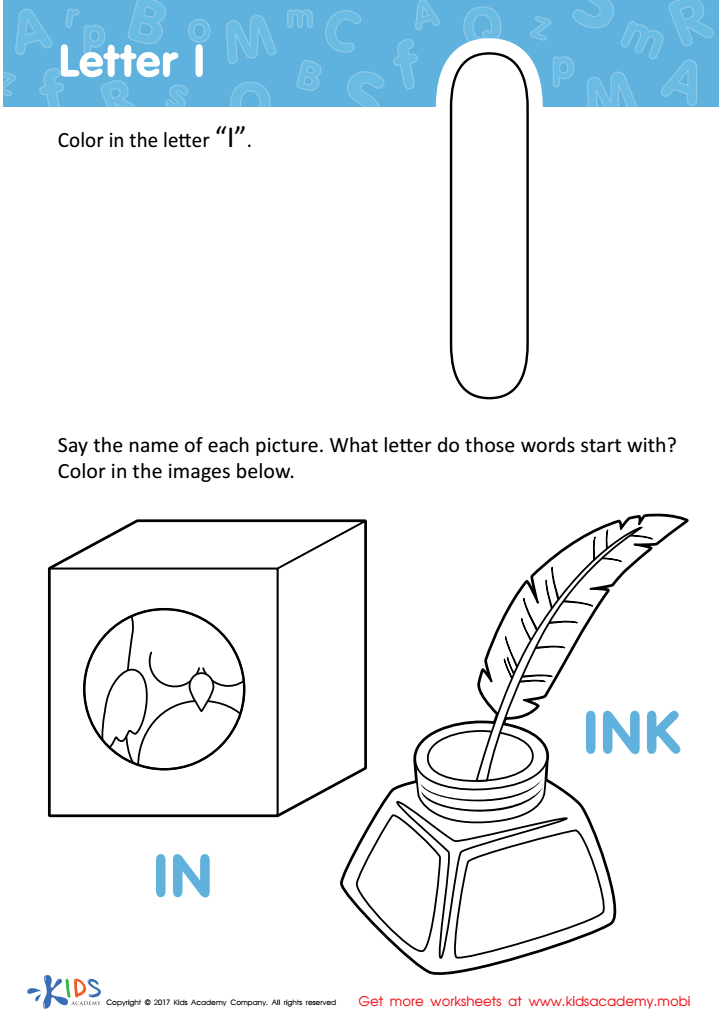
Letter I Coloring Sheet
 Assign to My Students

Let's Review! Big Letters Worksheet

Long and Short U Worksheet
Assign to My Students
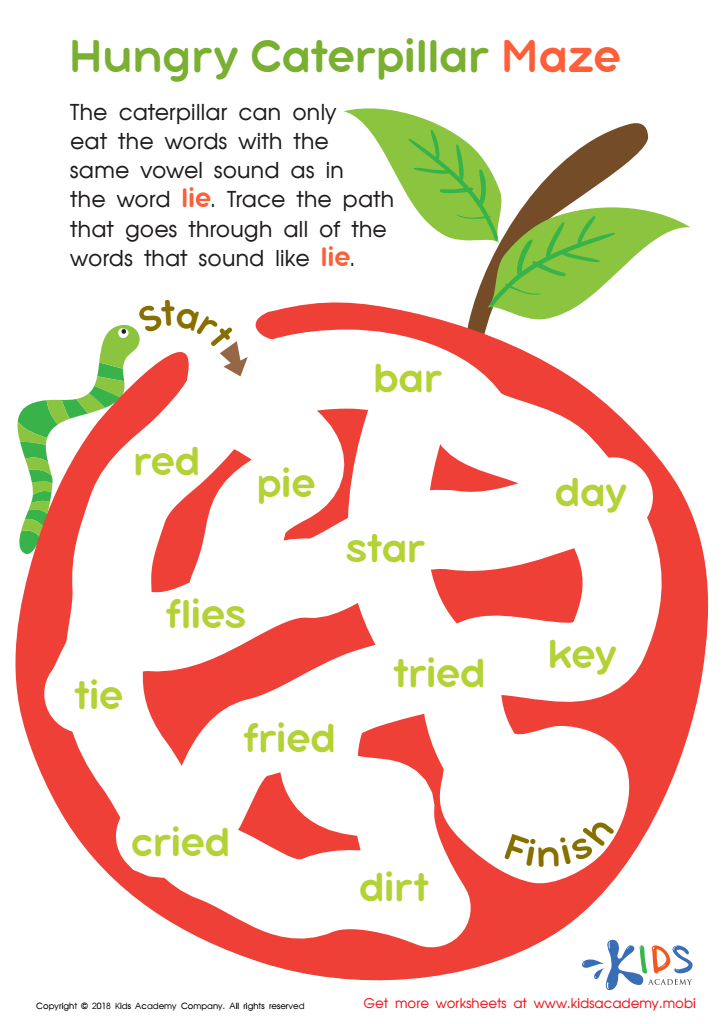
Hungry Caterpillar Maze Worksheet
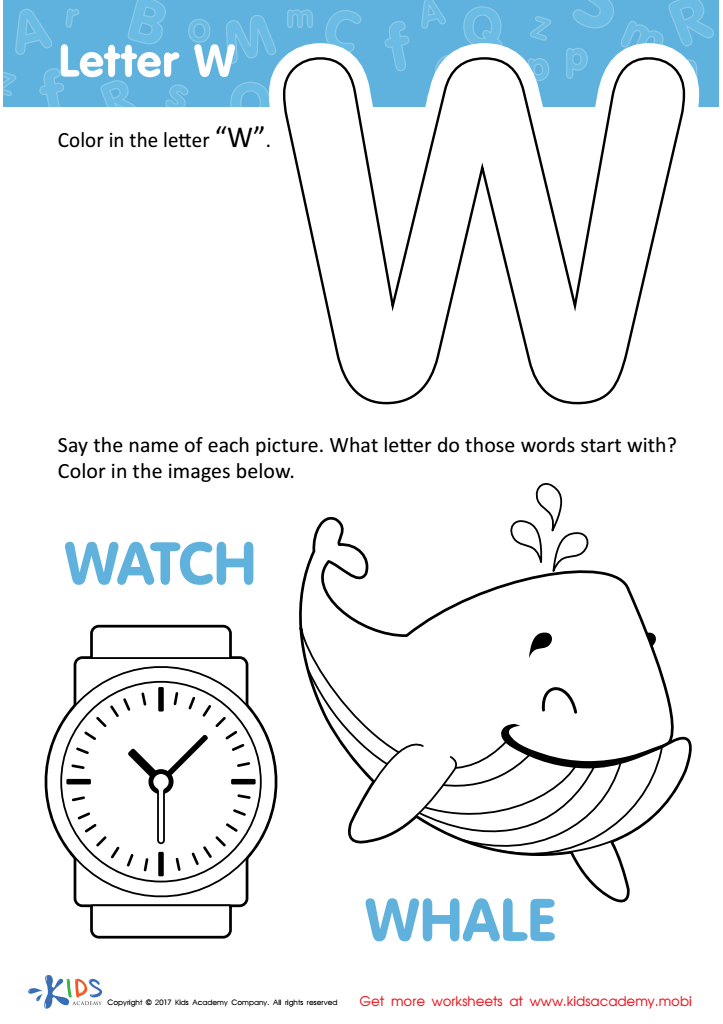
Letter W Coloring Sheet
Assign to My Students
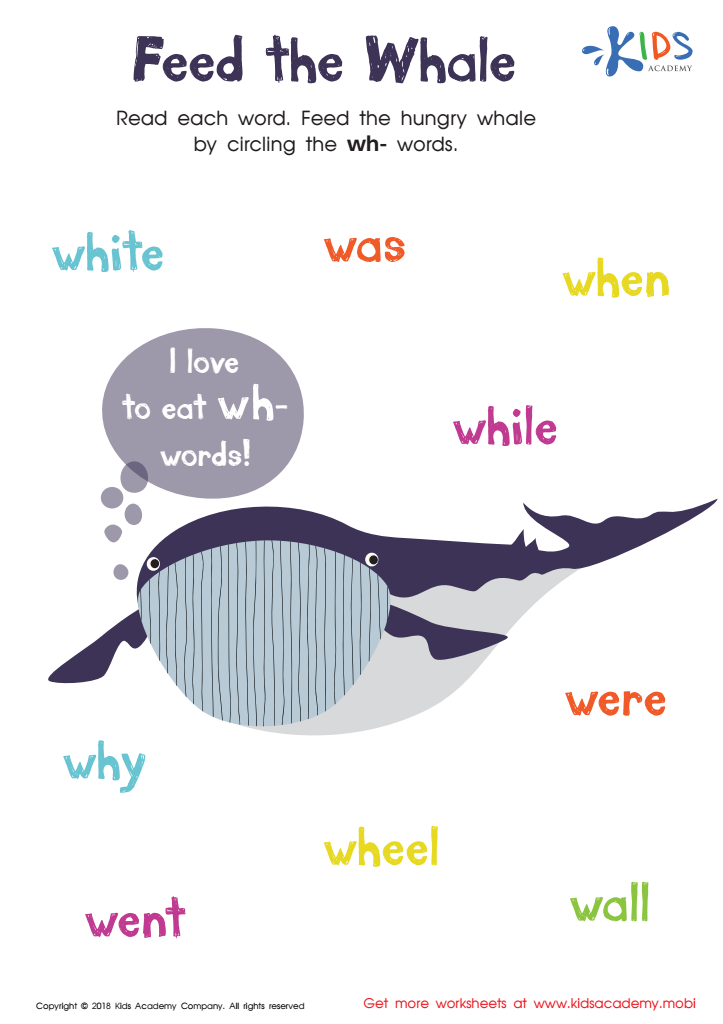
Feed the Whale Worksheet
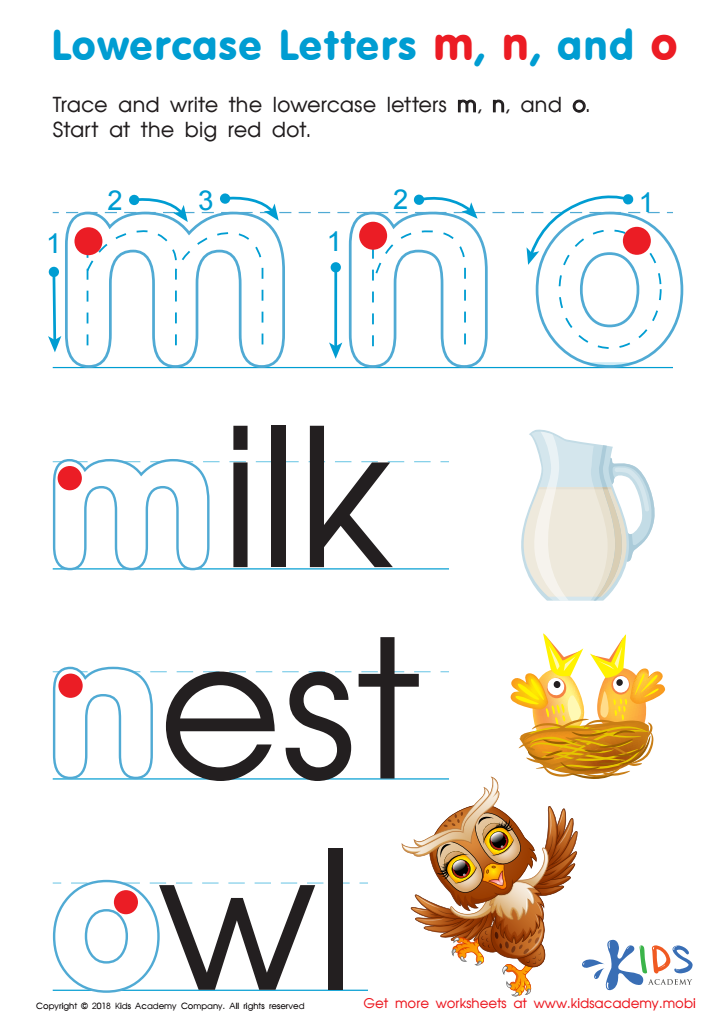
Lowercase Letters m n o Worksheet

Find Uppercase Letters V, W, X Worksheet
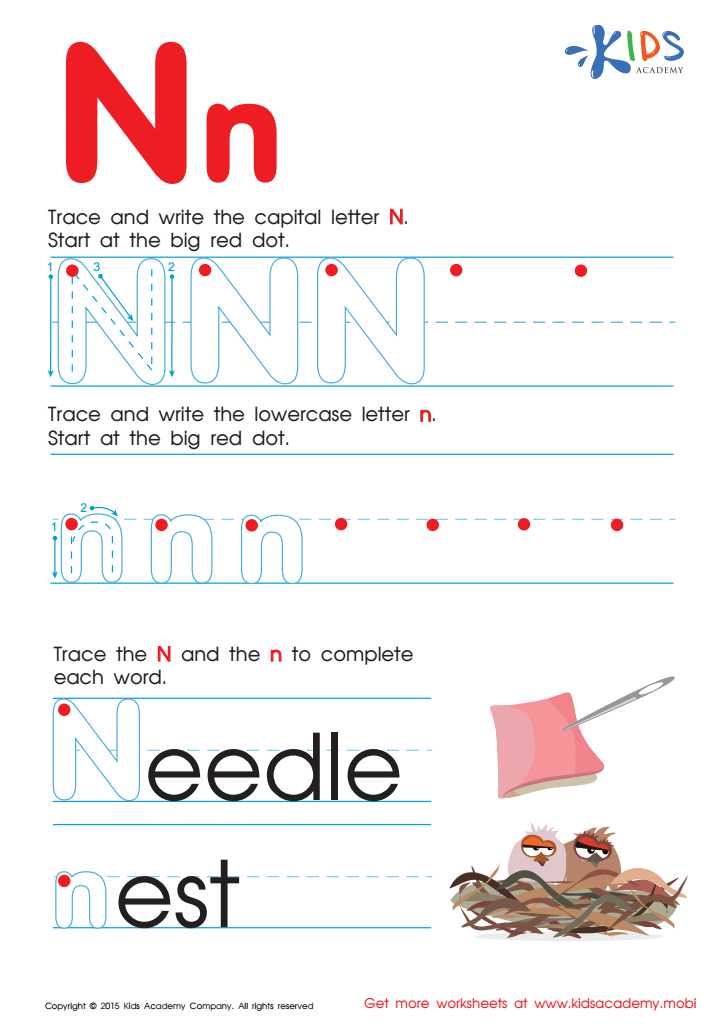
Letter N Tracing Page
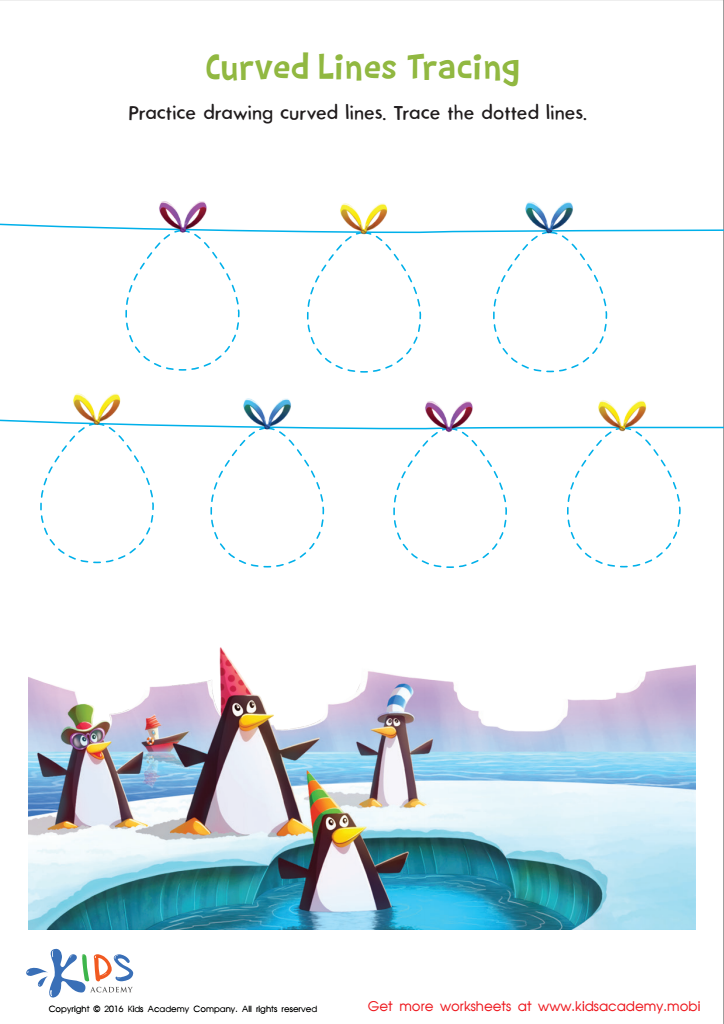
Curved Lines Tracing Worksheet
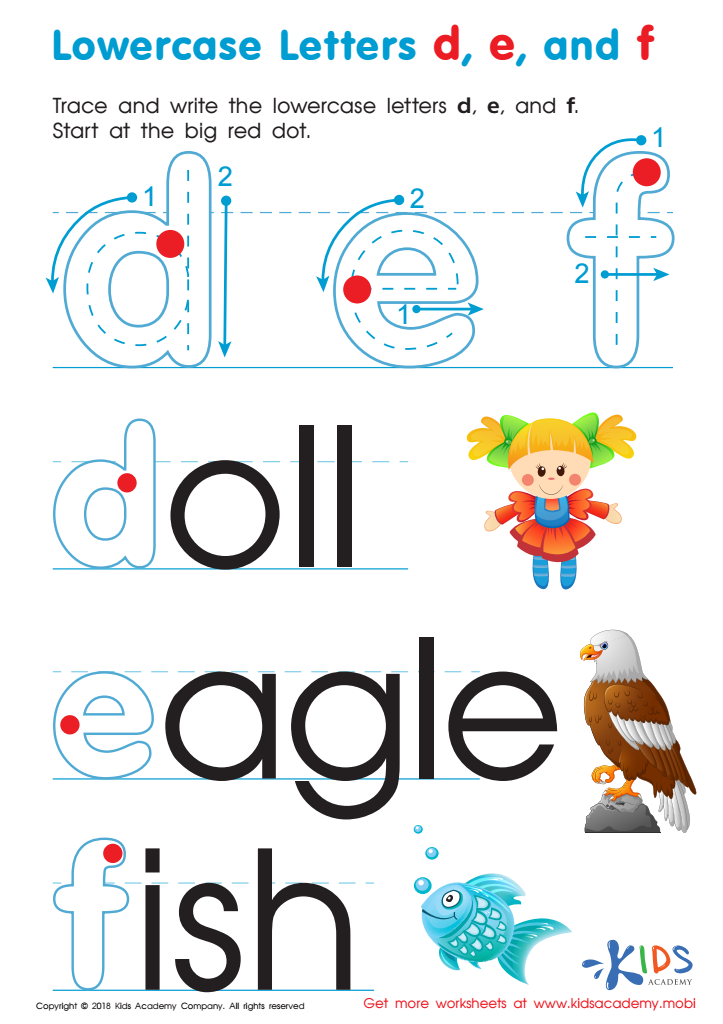
Lowercase Letters d e f Worksheet
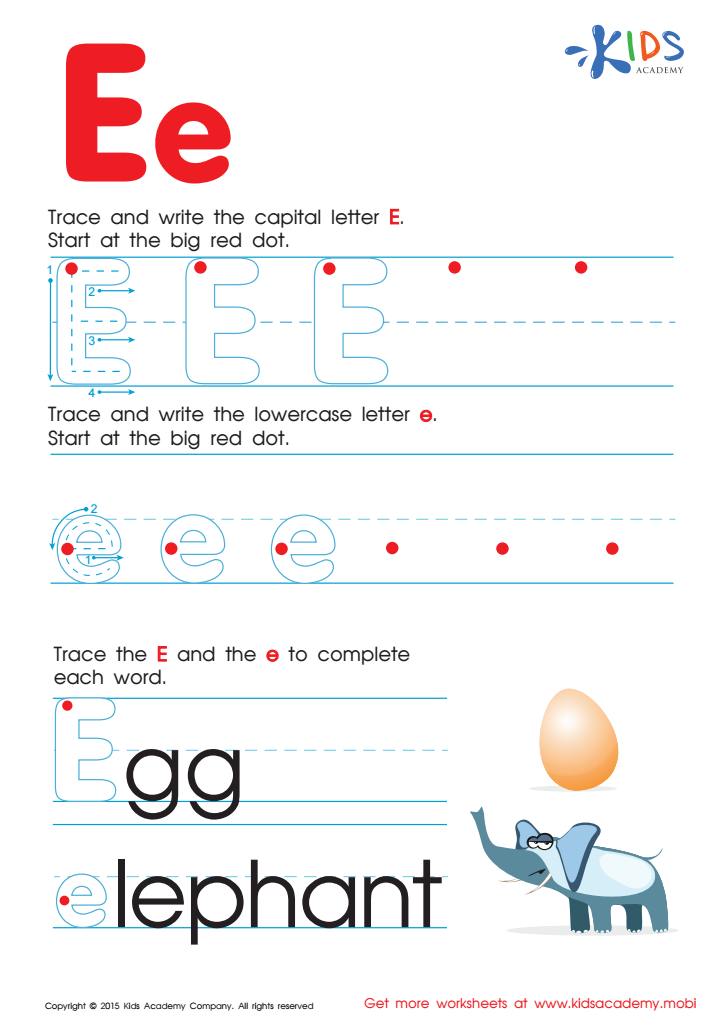
Letter E Tracing Page
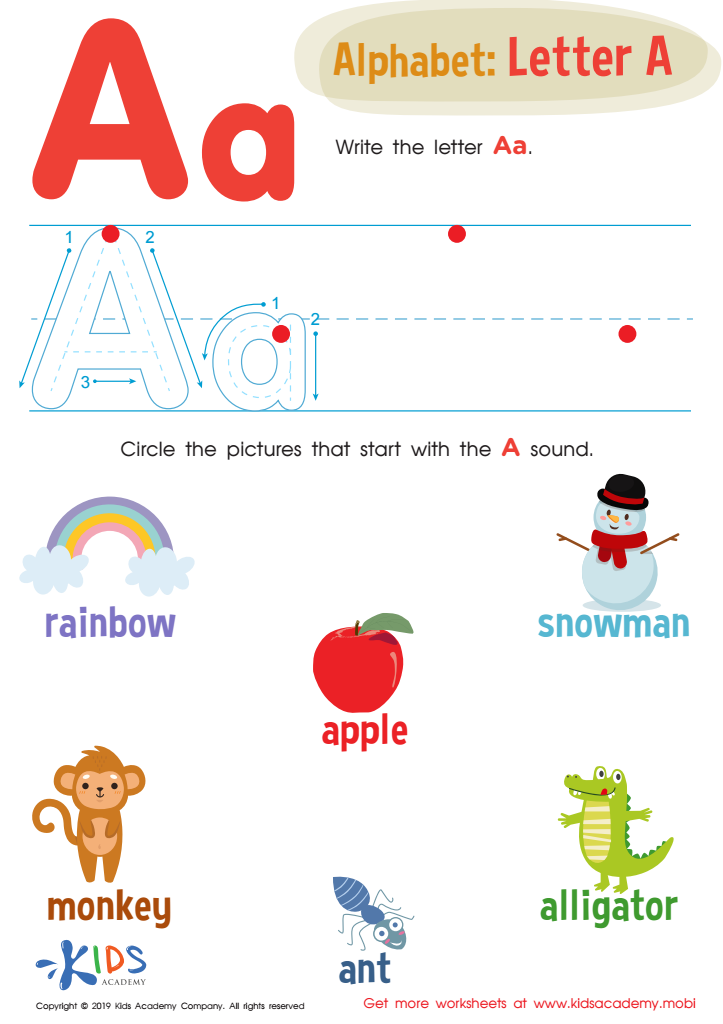
Letter A Tracing Worksheet
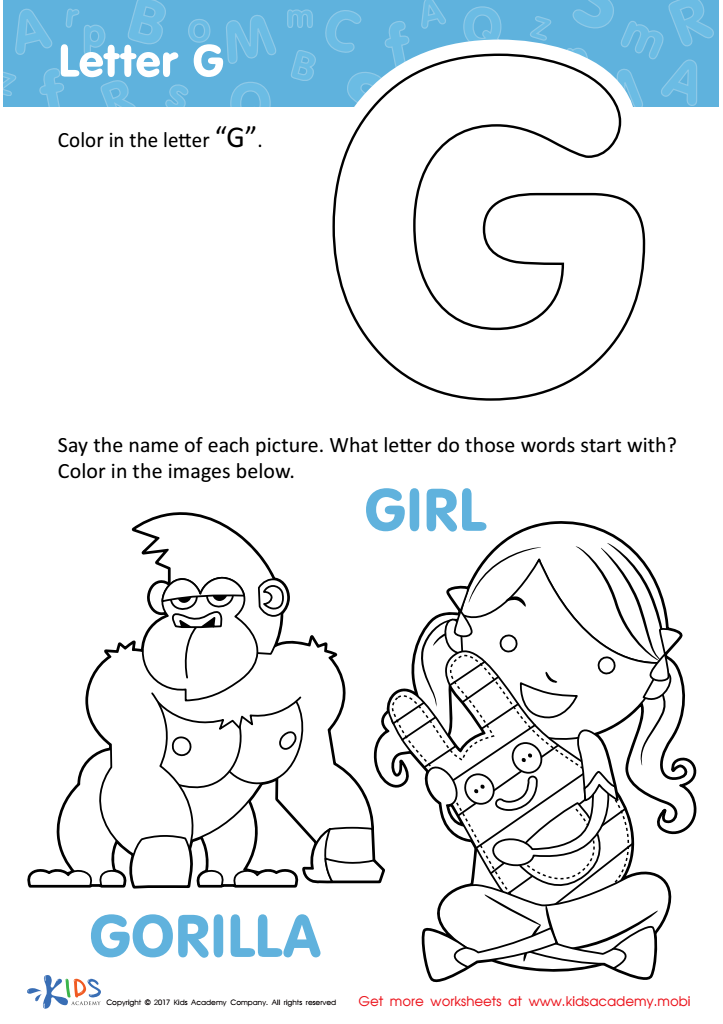
Letter G Coloring Sheet
Assign to My Students
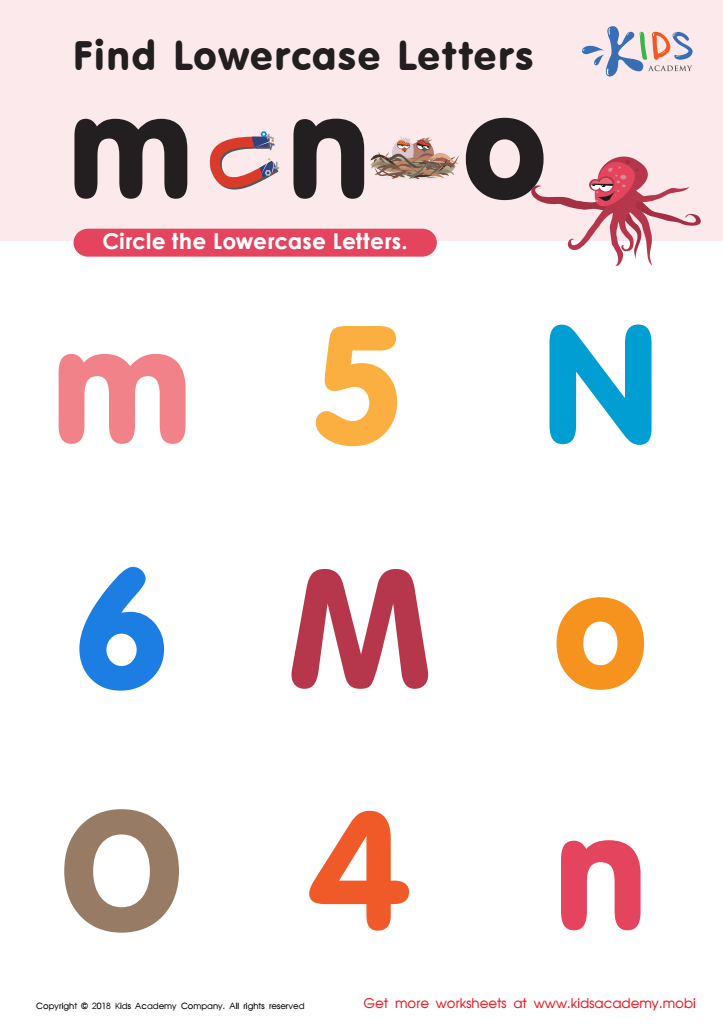
Find Lowercase Letters m n o Worksheet

Identifying Uppercase Letters Worksheet
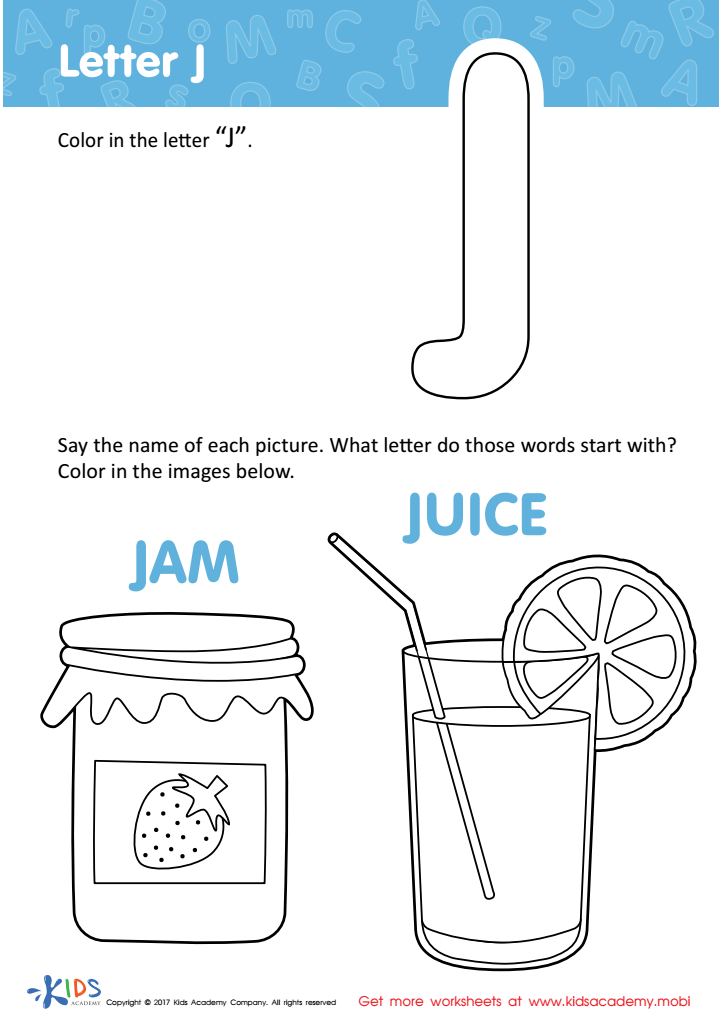
Letter J Coloring Sheet
Assign to My Students
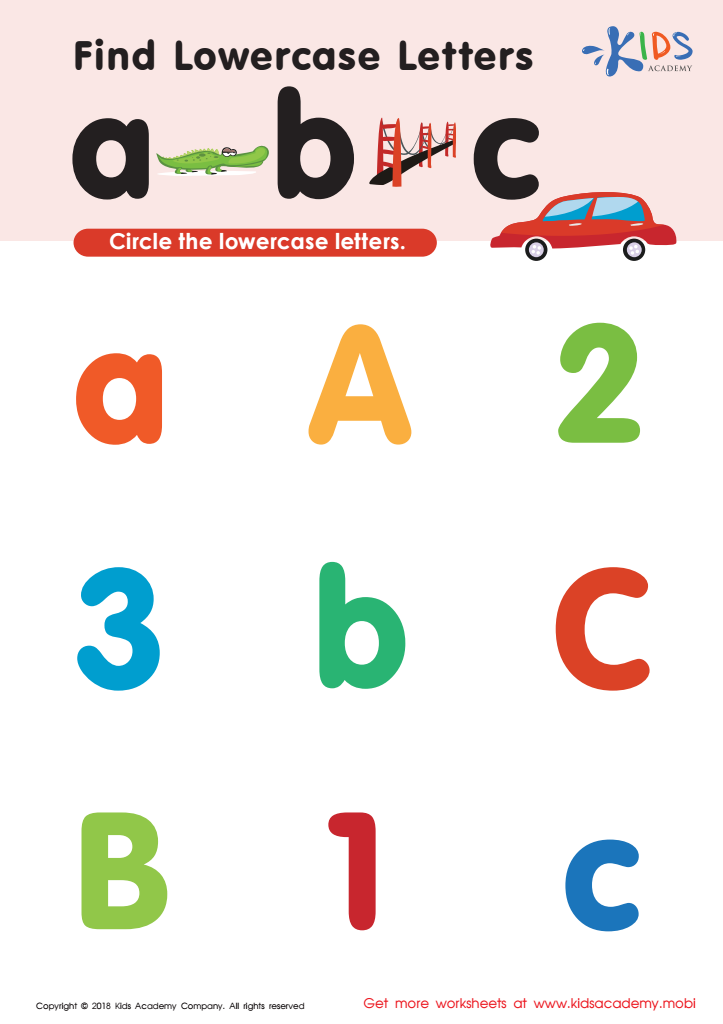
Find lowercase letters a b c Worksheet
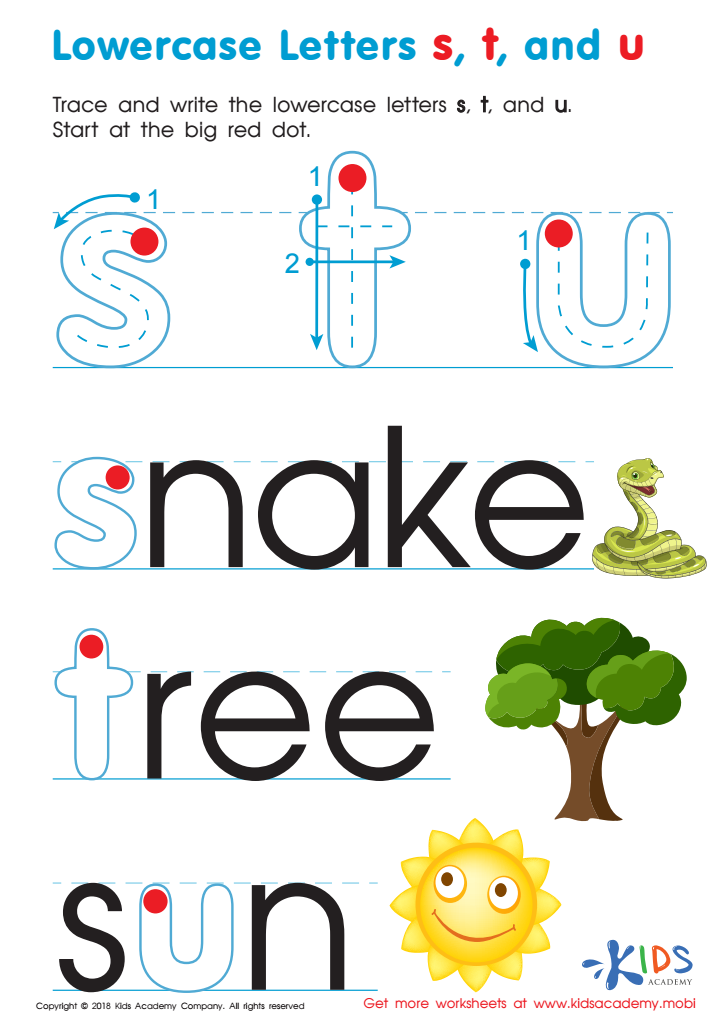
Lowercase Letters s t u Worksheet

Find Lowercase Letters v w x Worksheet
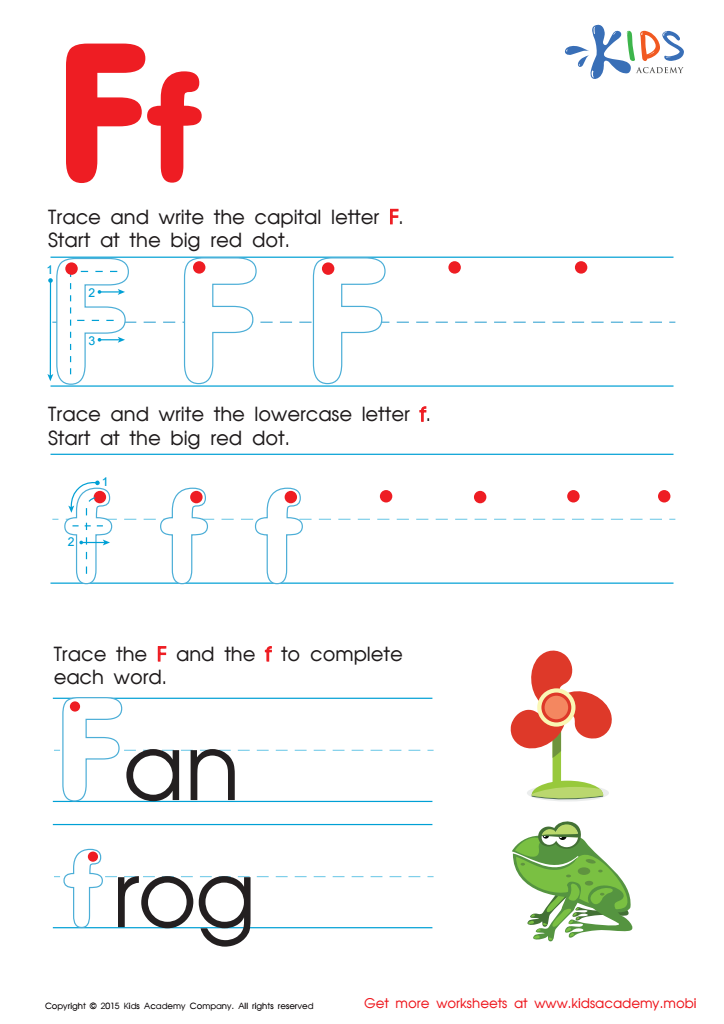
Letter F Tracing Page








Fine motor skills, which involve the coordination of small muscle movements, are crucial in early childhood development, particularly for children aged 3-9. These skills enable children to perform everyday tasks such as writing, buttoning clothes, and using utensils, all of which are essential for their independence and self-esteem. Fostering fine motor skills also promotes cognitive development by enhancing hand-eye coordination and spatial awareness. These abilities play a significant role in academic success, particularly in learning to write the alphabet.
For children, mastering the normal alphabet through fine motor skills underpins future literacy and communication skills. Poor fine motor development can lead to frustration and a lack of interest in school activities, potentially impacting their overall educational journey.
Parents and teachers should actively engage children in activities that target fine motor skills, such as playing with clay, drawing, cutting with scissors, and threading beads. These exercises not only make learning enjoyable but also ensure children develop the dexterity needed for intricate tasks and a smooth transition into more complex academic subjects. By prioritizing the development of fine motor skills, we lay a vital foundation for children’s long-term success and well-being, both academically and personally.







