Phonics Skills Normal Alphabet Worksheets for Ages 3-9 - Page 3
53 filtered results
-
From - To
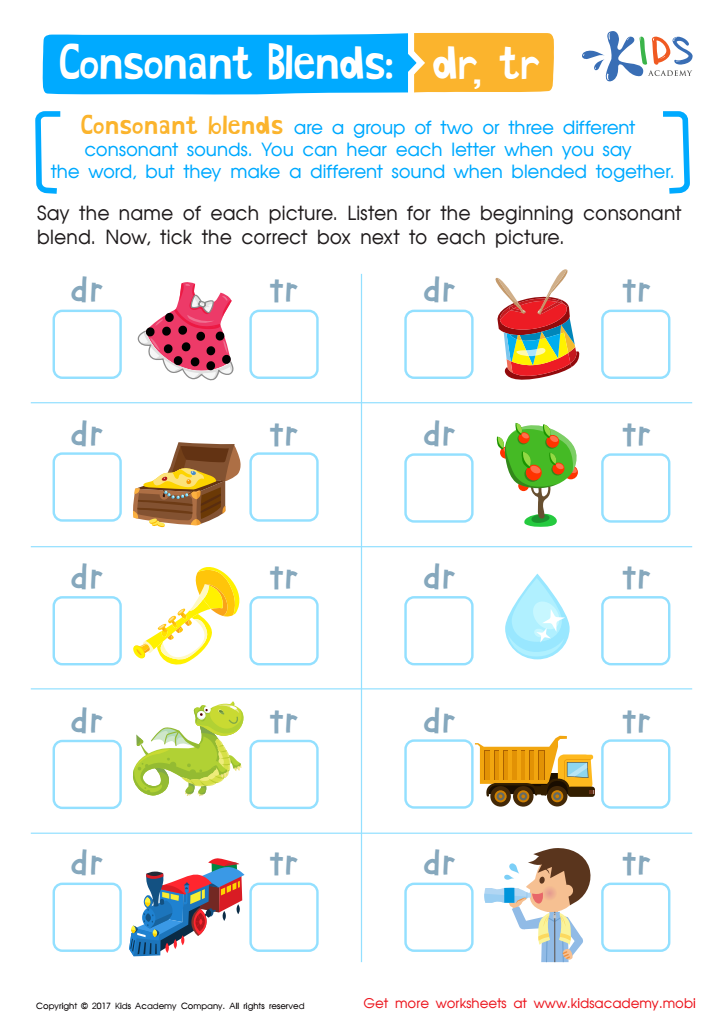
Consonant Blends: "Dr" and "Tr" Printable

Long and Short E Worksheet
 Assign to My Students
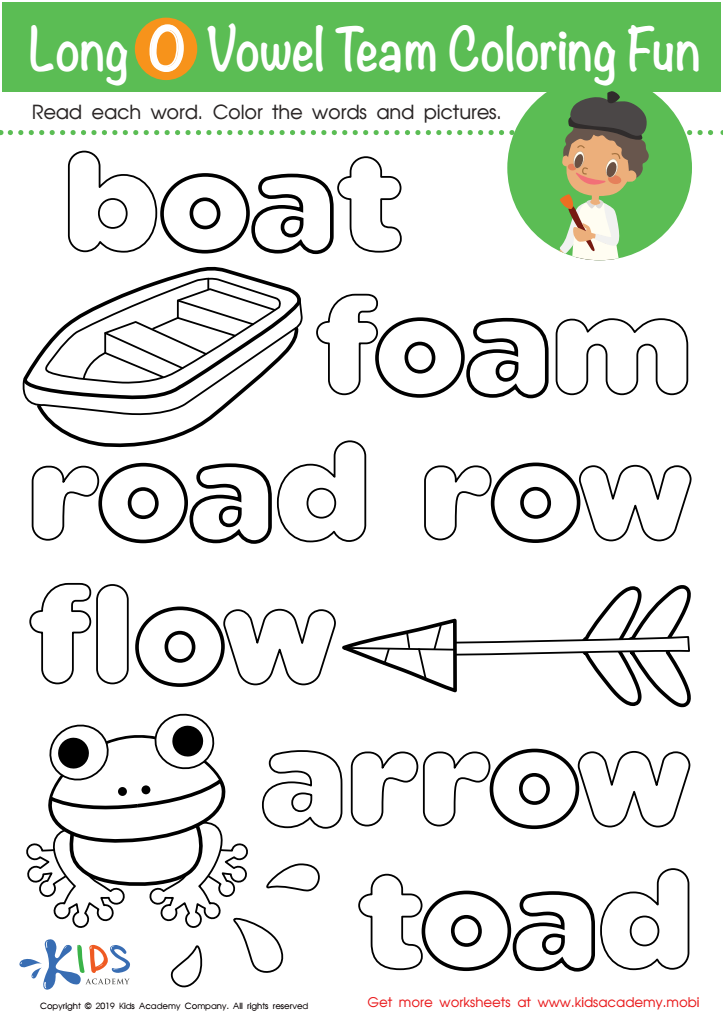
Long O Vowel Team Coloring Worksheet
Assign to My Students
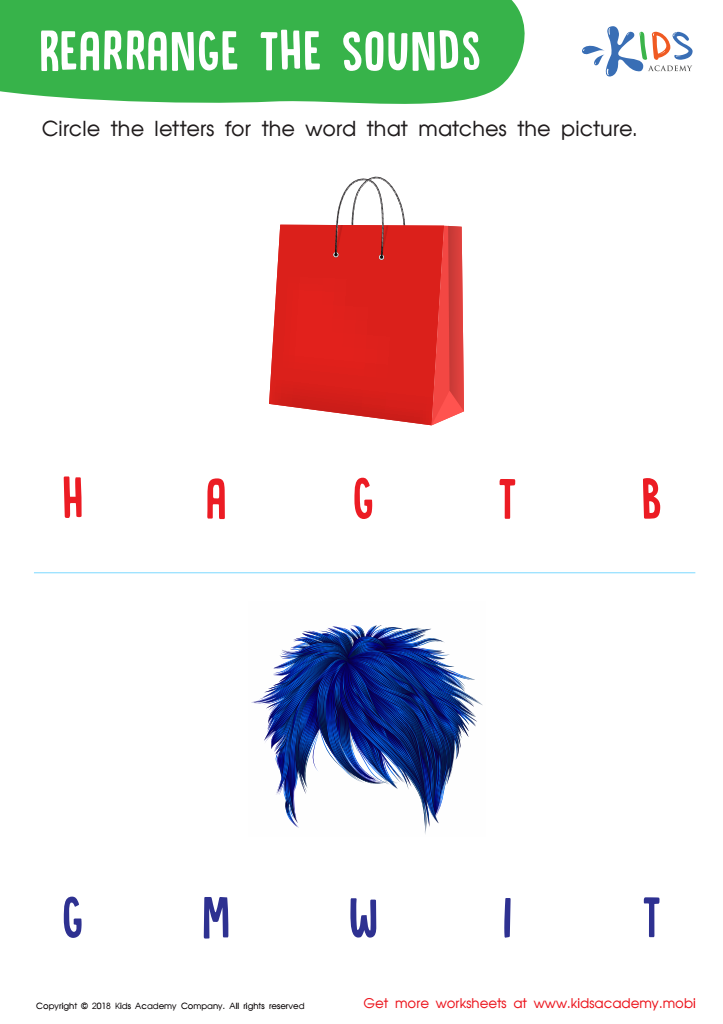
Rearrange the Sounds Worksheet
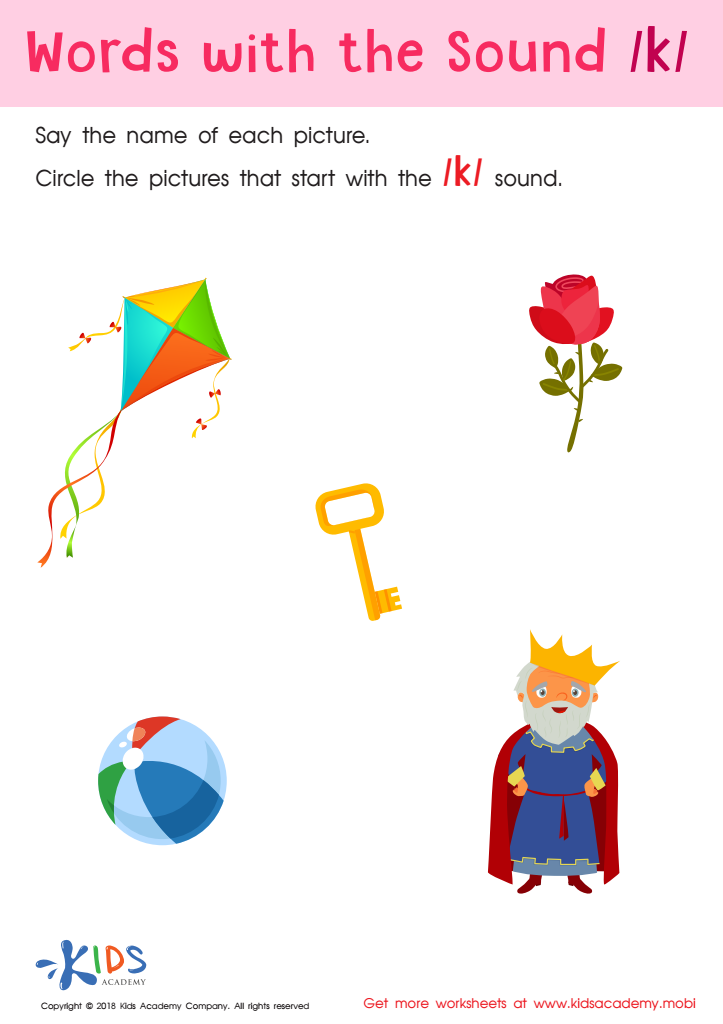
Words with sound k Reading Worksheet








Phonics skills are essential building blocks for young children learning to read, making the Normal Alphabet a powerful tool for early literacy development. For children aged 3 to 9, mastering these skills is crucial because it helps them understand the relationship between letters and the sounds they represent. This understanding becomes the foundation for decoding unfamiliar words, which is an integral part of fluent reading.
When parents and teachers invest time in teaching phonics, they provide children with the tools to become independent readers. Strong phonics skills contribute to better spelling and writing abilities, as children learn to break down words into phonetic components, influencing their understanding and retention of new vocabulary. Research shows that early phonics instruction can significantly improve reading outcomes, helping to mitigate future academic struggles and boost overall confidence.
Furthermore, engaging phonics activities can make learning enjoyable, fostering a positive attitude towards reading and learning in general. This enthusiasm often translates to lifelong learning habits. In sum, teaching phonics skills using the Normal Alphabet in the formative years does more than teach children to read; it empowers them with the foundational skills necessary for academic success and a lifelong love for reading. Parents and teachers, therefore, play a pivotal role in unlocking these benefits by prioritizing phonics instruction in early education.







