Reading development Normal Alphabet Worksheets for Ages 3-9
5 filtered results
-
From - To
Welcome to our Reading Development Normal Alphabet Worksheets, specially designed for children aged 3-9. These engaging worksheets help young learners build a strong foundation in reading by focusing on letter recognition, phonics, and word construction. Each activity is tailored to suit various developmental levels, ensuring that children can progress at their own pace while enhancing their literacy skills. With colorful illustrations and interactive exercises, our worksheets make learning fun and effective. Perfect for classroom use or home practice, these resources aim to foster a lifelong love for reading and promote essential literacy skills in early learners. Start their reading journey today!
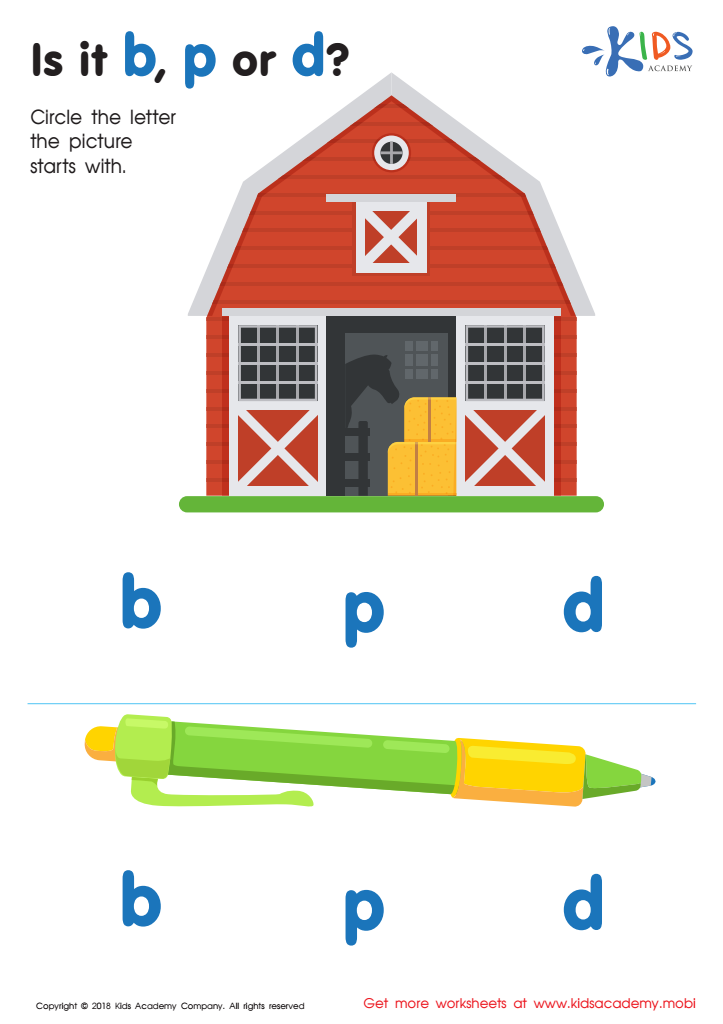
Is it b, p or d? Worksheet
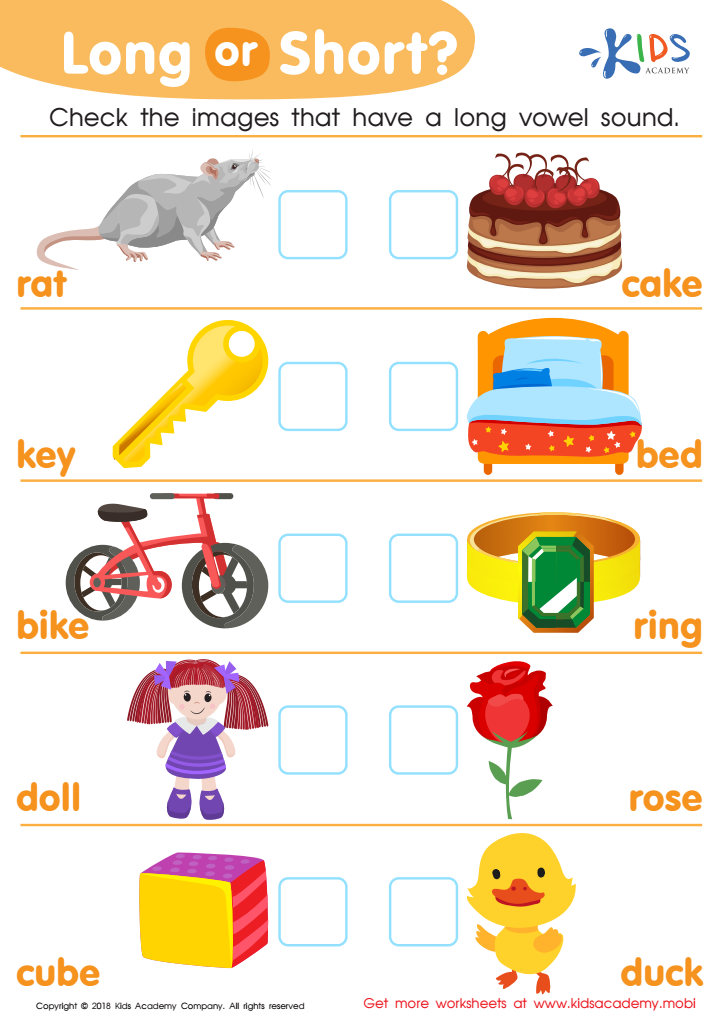
Long or Short Reading Worksheet
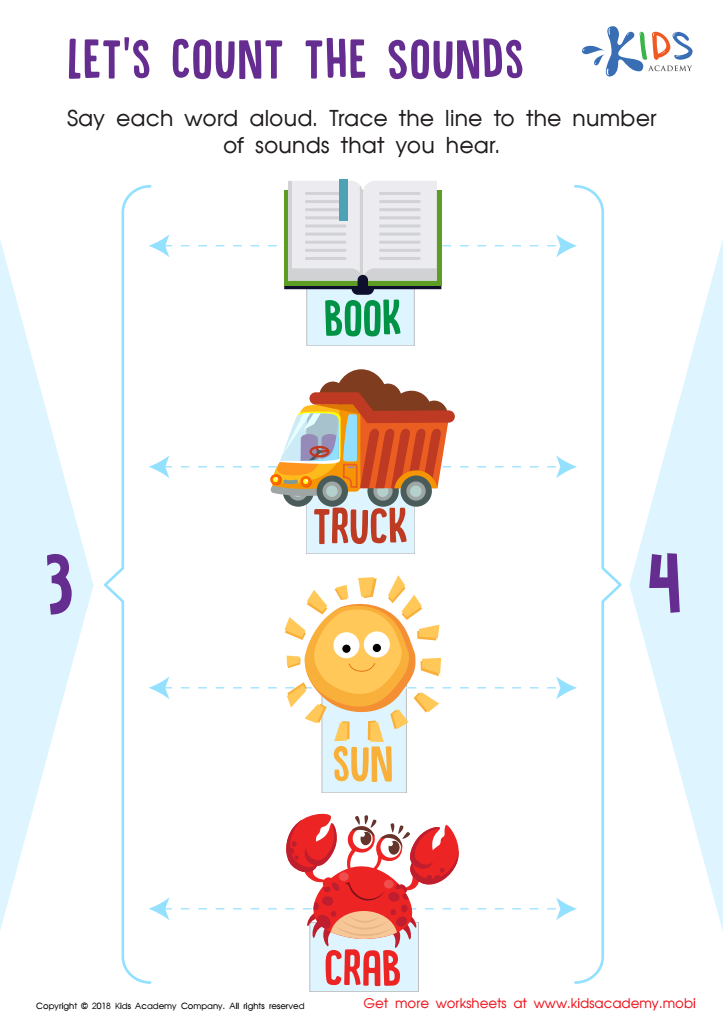
Let's Count the Sounds Worksheet
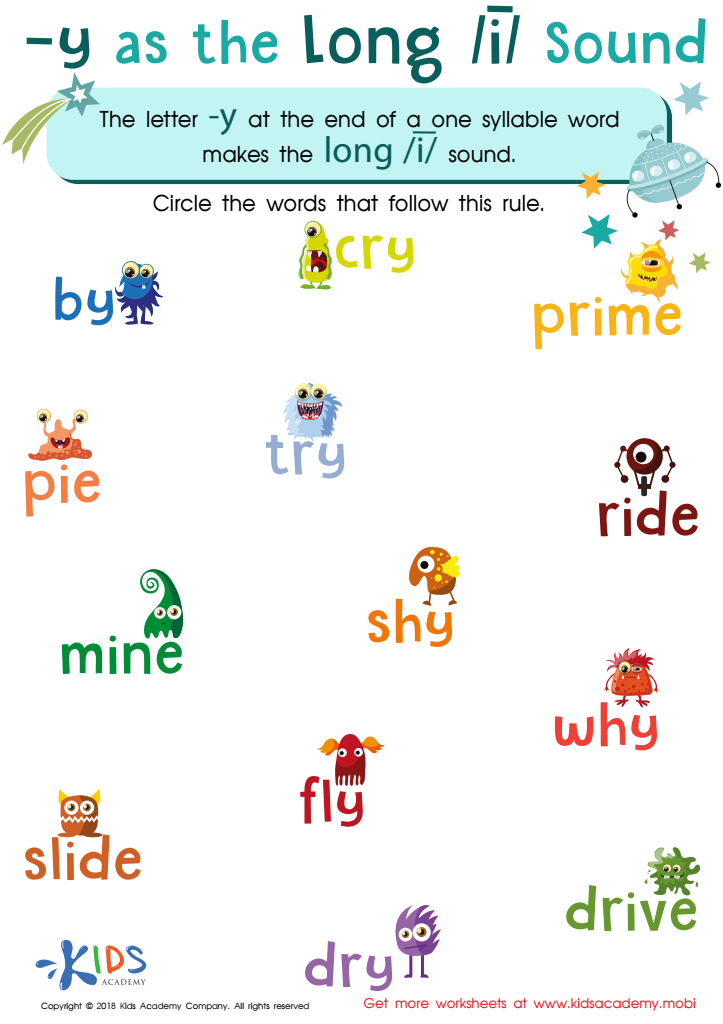
Reading: Y as Long I Worksheet
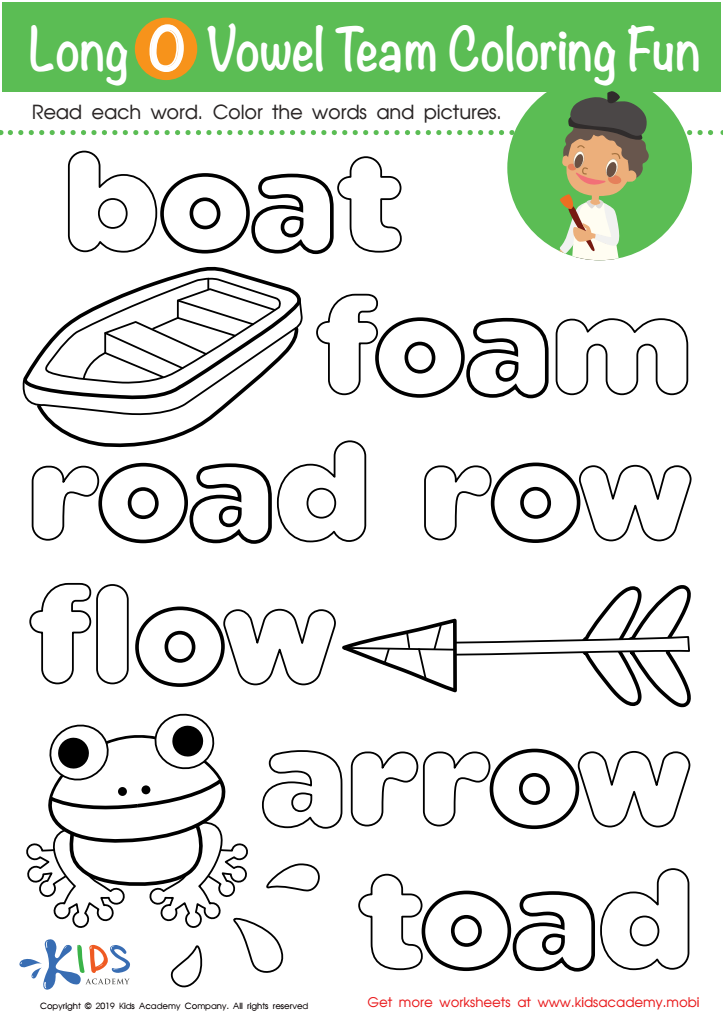
Long O Vowel Team Coloring Worksheet
 Assign to My Students


.jpg)





Parents and teachers play a crucial role in the reading development of children aged 3-9, and understanding the normal progression of alphabet proficiency is key. Literacy skills in early childhood lay the foundation for reading, writing, and overall academic success. At this stage, children transition from recognizing letters to knowing their sounds and eventually to forming words.
Caring about reading development means knowing that children’s engagement with books and letters fosters cognitive growth, language acquisition, and critical thinking skills. Daily exposure to the alphabet in fun, interactive ways—through songs, stories, and games—enhances their familiarity and encourages a lifelong love of reading.
Promoting fine motor skills through activities like writing letters or using letter blocks is equally important for developing reading skills. Additionally, recognizing individual differences in children’s development helps tailor learning experiences, ensuring that each child progresses at their own pace.
Reading development is not just about academic achievement; it also boosts confidence and self-esteem. Empowering parents and teachers to prioritize early literacy creates a supportive environment, inspiring enthusiasm and curiosity among children. Ultimately, this commitment yields significant long-term benefits, equipping children with essential skills for future learning and personal growth.







