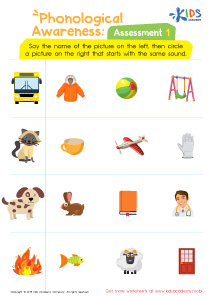
Reading proficiency Normal Vowels Worksheets for Ages 3-9
5 filtered results
-
From - To
Discover our engaging "Reading Proficiency Normal Vowels Worksheets" designed for children ages 3-9. These worksheets provide interactive and enjoyable activities that focus on mastering normal vowels, enhancing reading skills, and building phonetic awareness. Children will benefit from a variety of exercises, including vowel recognition, sound pairing, and simple word formation, all aimed at improving their reading proficiency. Perfect for both home and classroom use, these resources nurture a love for learning while ensuring foundational literacy skills. Empower young learners to unlock the world of reading with our easy-to-follow worksheets—the perfect tool for a successful educational journey!
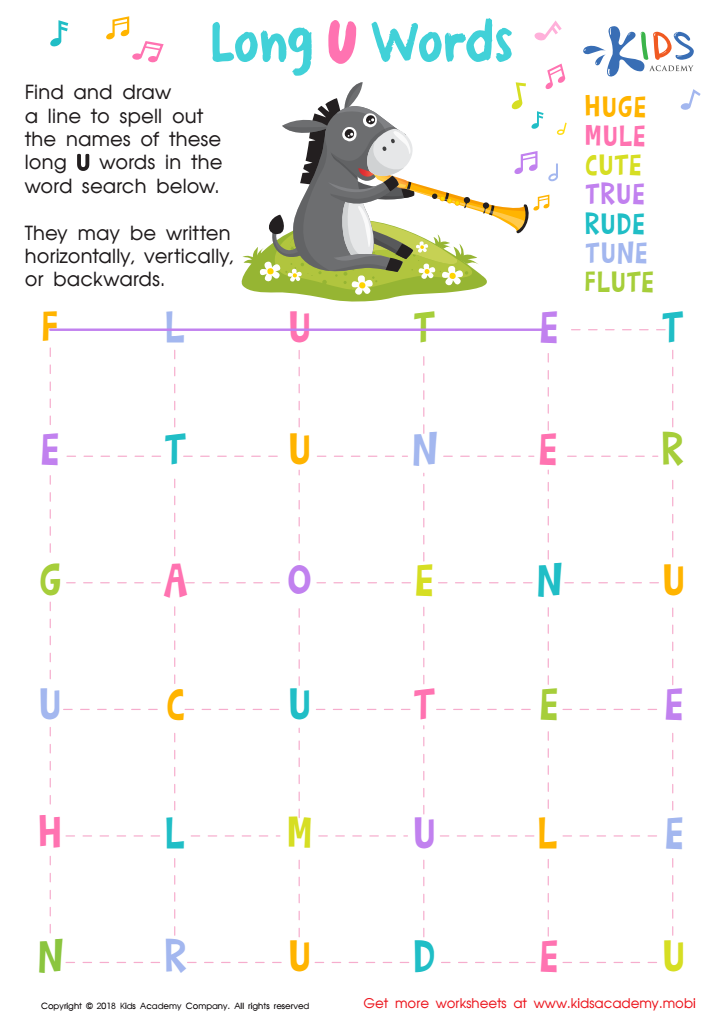
Long /u/ Words Worksheet
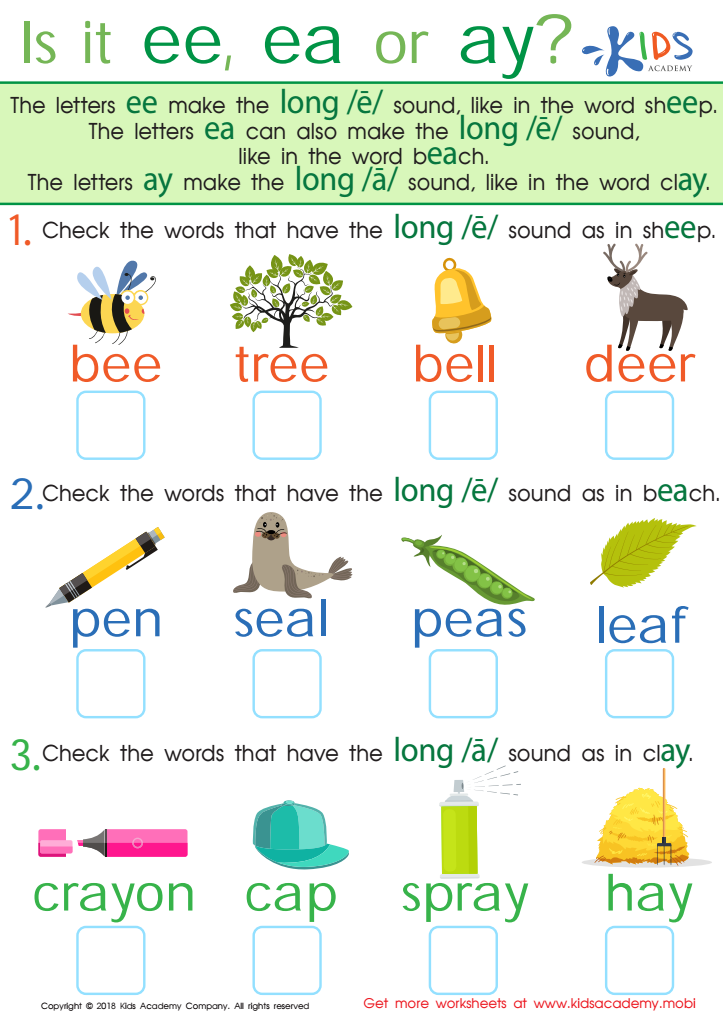
Is It EE, EA, or AY? Worksheet
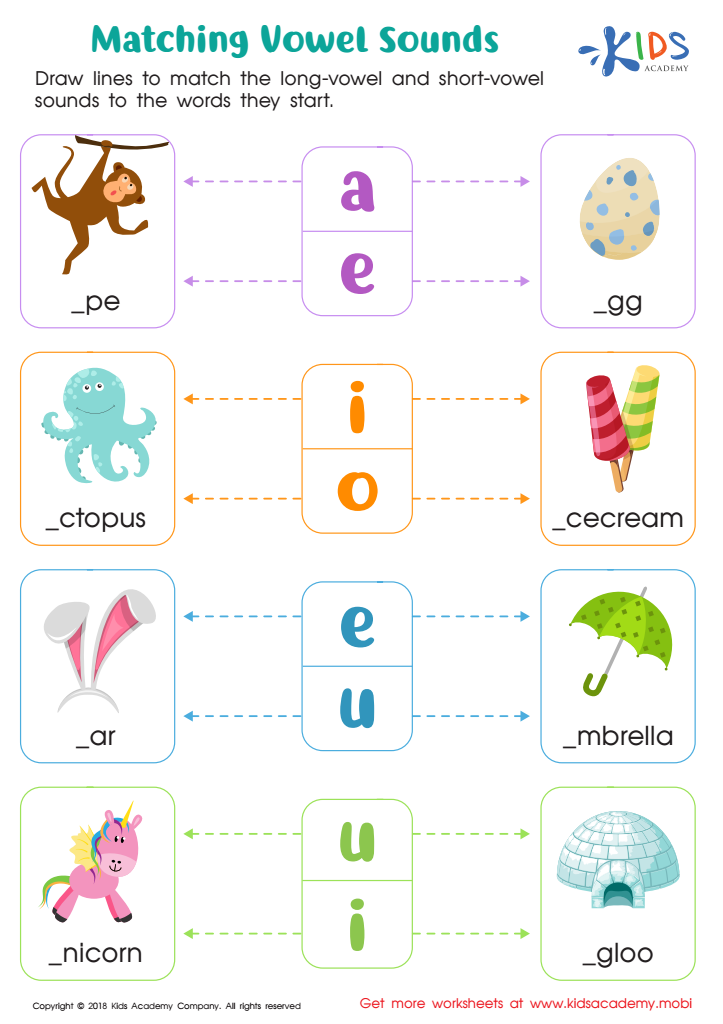
Matching Vowel Sounds Worksheet

Long and Short U Worksheet
 Assign to My Students
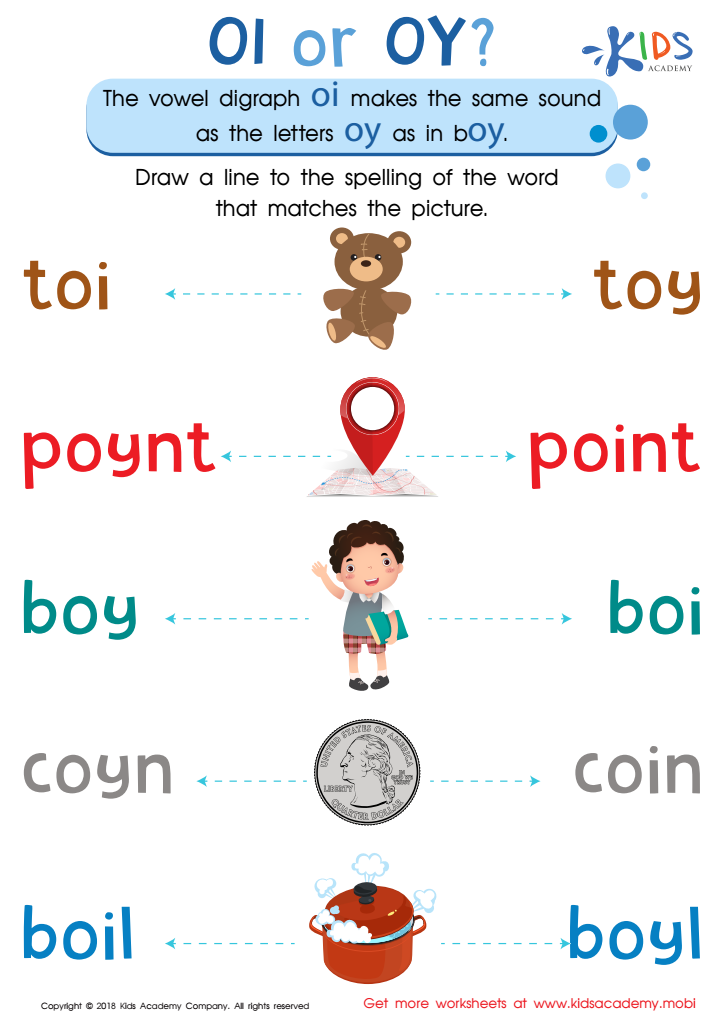
Reading: OI and OY Worksheet





Reading proficiency, particularly with normal vowels, is crucial for children aged 3-9 as it lays the foundation for their future academic success and overall communication skills. During these formative years, children are developing essential decoding skills and a strong understanding of phonics, both of which are heavily influenced by their ability to recognize and utilize vowels effectively.
Parents and teachers should care about this development because readers who can grasp vowel sounds are better equipped to tackle more complex texts as they grow. Proficiency in reading not only fosters a love for literature but also boosts confidence; children who read well tend to perform better in school, participate more actively in discussions, and express themselves more clearly.
Furthermore, early reading proficiency can contribute to socio-emotional development. Children who struggle with reading may feel frustration and disengagement from learning, potentially leading to negative self-esteem. By prioritizing reading skills with a focus on vowels, parents and educators can nurture a supportive environment that encourages learning and curiosity. Ultimately, promoting reading proficiency from a young age equips children with vital skills for lifelong learning, making support in this area essential for their development and future opportunities.