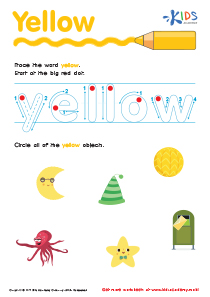
Word Recognition Normal English for Beginners Worksheets for Ages 3-9
3 filtered results
-
From - To
Discover our engaging "Word Recognition Normal English for Beginners Worksheets," designed for ages 3-9. These interactive resources help young learners build essential literacy skills in a fun and intuitive way. Featuring vibrant images and relatable contexts, our worksheets promote word recognition and comprehension, laying a solid foundation for reading. Ideal for ESL learners, each worksheet encourages practice through exciting activities that are easy to follow. Our materials support diverse learning styles, making language acquisition an enjoyable journey. Perfect for teachers and parents alike, these worksheets will empower your child with confidence in their English vocabulary and reading abilities. Start learning today!
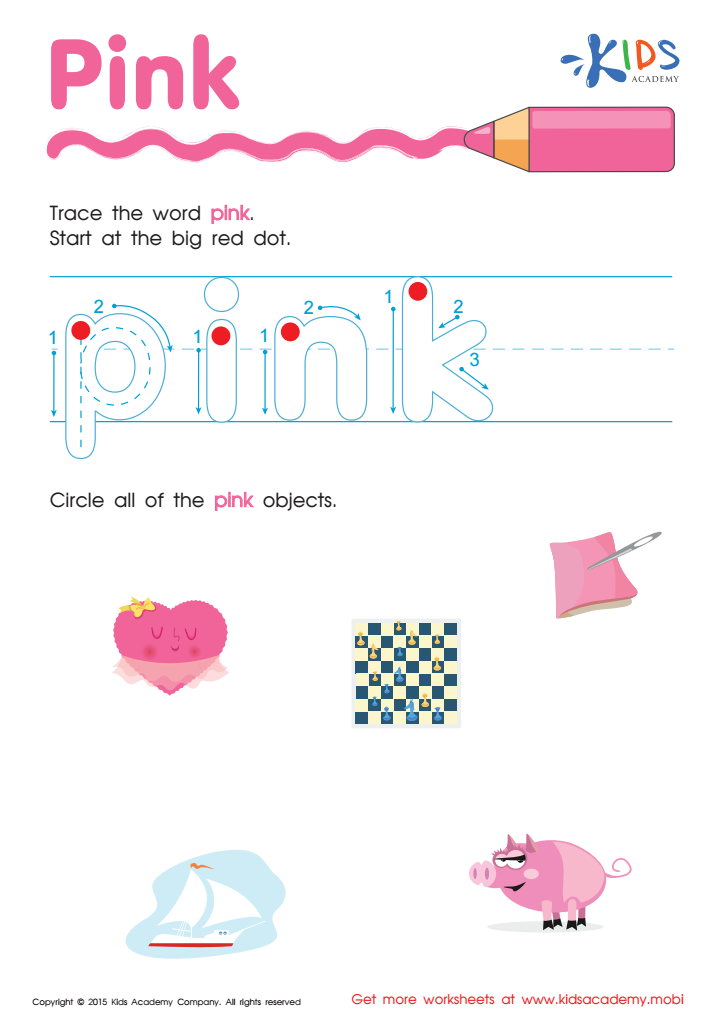
Pink Tracing Color Words Worksheet
 Assign to My Students
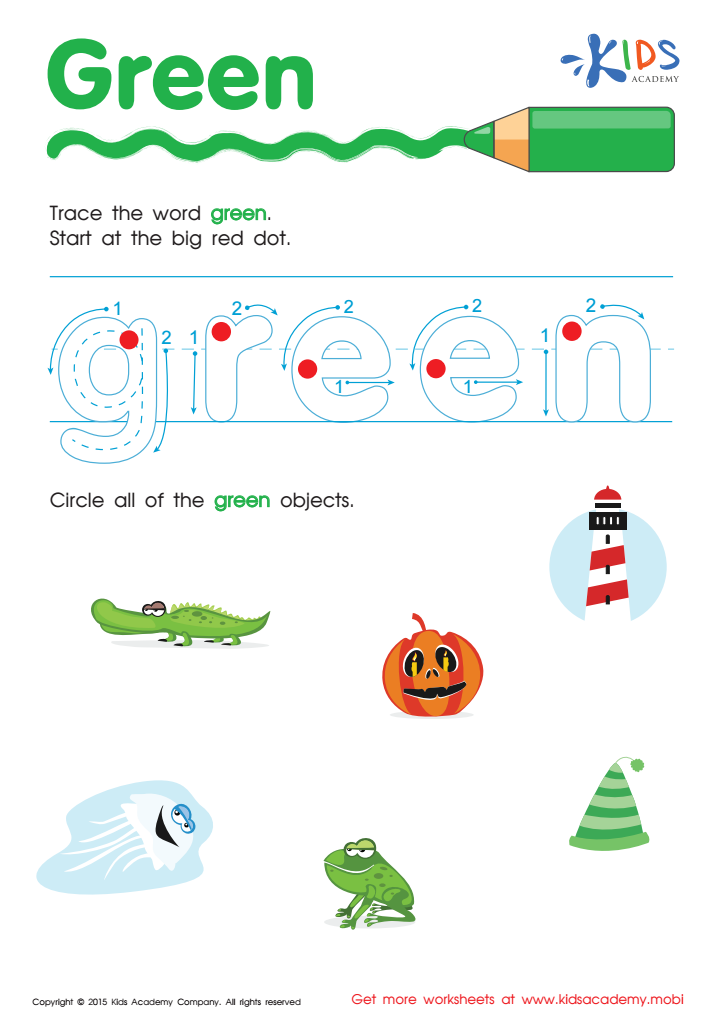
Green Tracing Color Words Worksheet
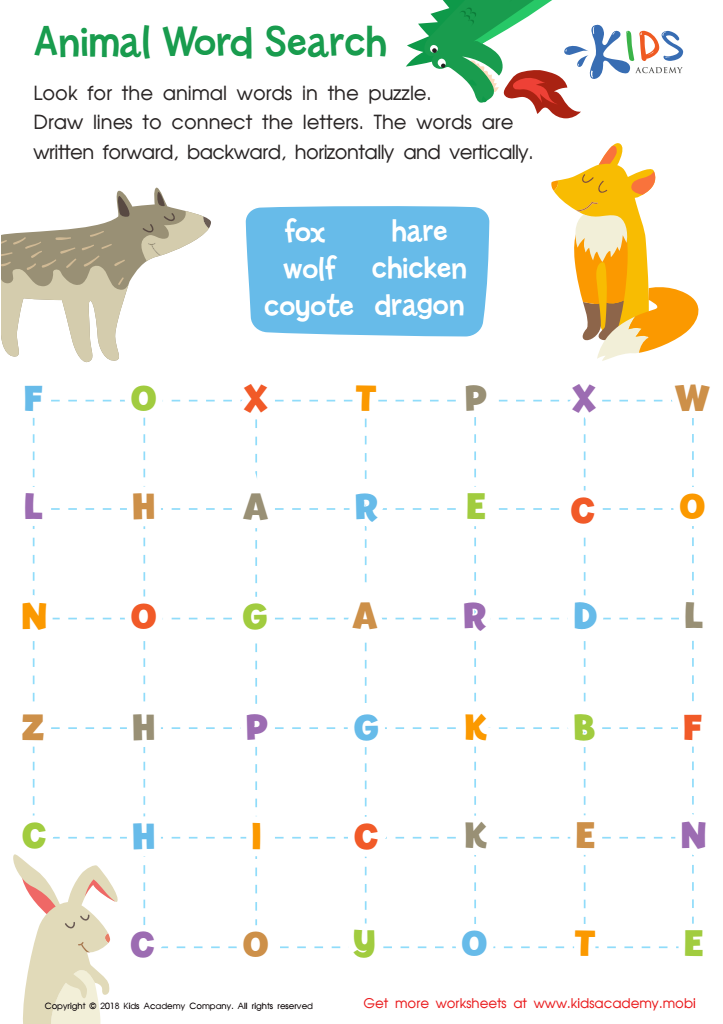
Animal Word Search Worksheet





Word recognition is a crucial skill for early literacy development in children aged 3-9. Parents and teachers should prioritize this aspect of learning because it lays the foundation for reading fluency, comprehension, and overall academic success. When children can recognize words easily, they become more confident and motivated readers, which sets the stage for a lifelong love of reading.
Understanding word recognition helps adults differentiate between mere decoding skills and true reading proficiency. The ability to recognize words quickly allows children to focus more on understanding the meaning of what they read, enhancing their comprehension skills. Moreover, a robust vocabulary gained from word recognition supports effective communication, which is essential for both academic performance and social interactions.
Encouraging activities that foster word recognition—such as reading together, playing word games, and using visual aids—can be enjoyable for both parents and teachers, making learning a fun experience. Parents and teachers who emphasize this skill can effectively promote literacy, helping children navigate their educational journey with confidence. Consequently, prioritizing word recognition not only benefits individual children but also strengthens the overall literacy development in their communities.