Alphabet Learning Normal Worksheets for Ages 3-9
5 filtered results
-
From - To
Discover our Alphabet Learning Worksheets for Ages 3-9, designed to make learning the alphabet fun and engaging for young learners. Our expert-crafted worksheets cater to different learning styles, providing vibrant and interactive activities that aid in letter recognition, phonics, and early reading skills. These foundational resources are perfect for parents and teachers, offering a structured and enjoyable pathway to mastering the alphabet. Boost your child's confidence and academic success with our comprehensive collection of age-appropriate worksheets. Visit Kids Academy to inspire a love for learning in your little one!
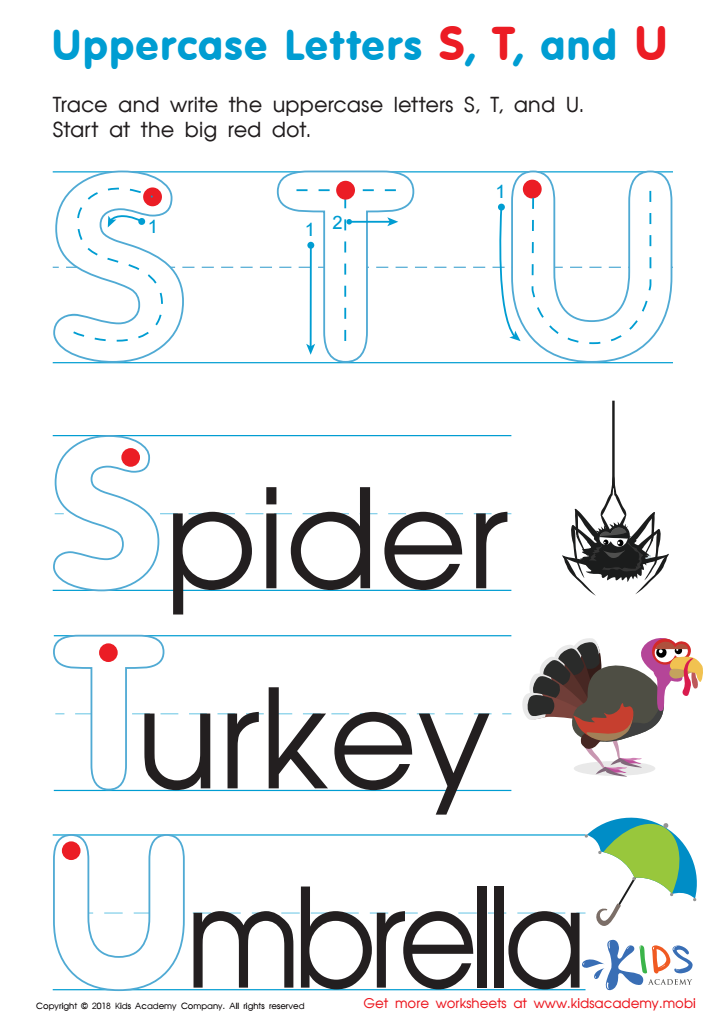
Uppercase Letters S, T, and U Worksheet
 Assign to My Students
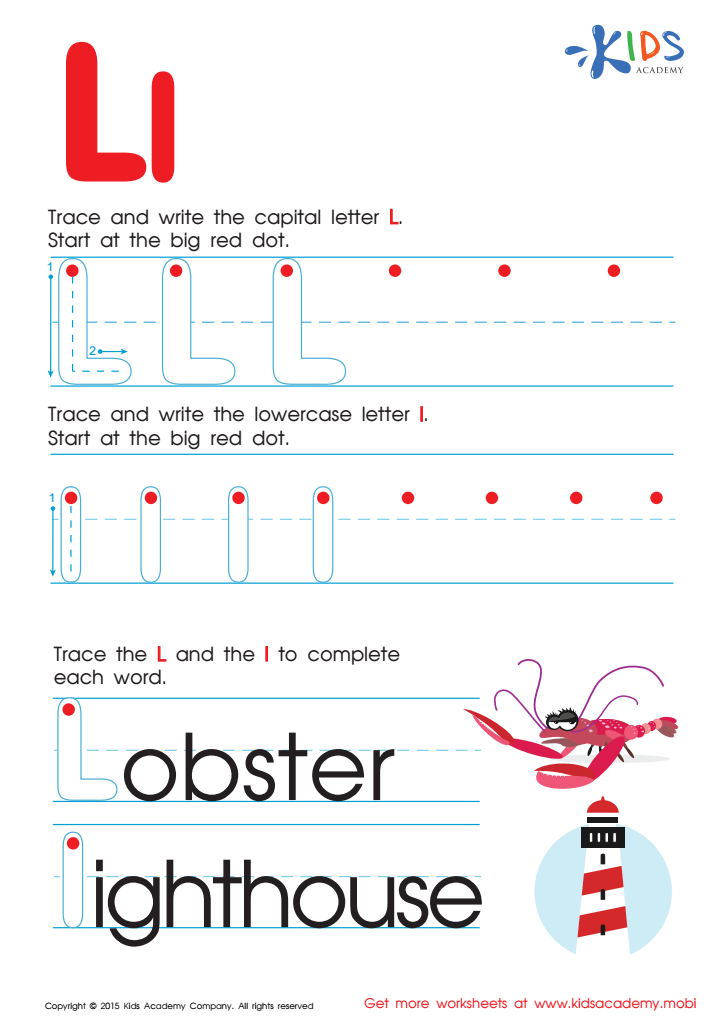
Letter L Tracing Page
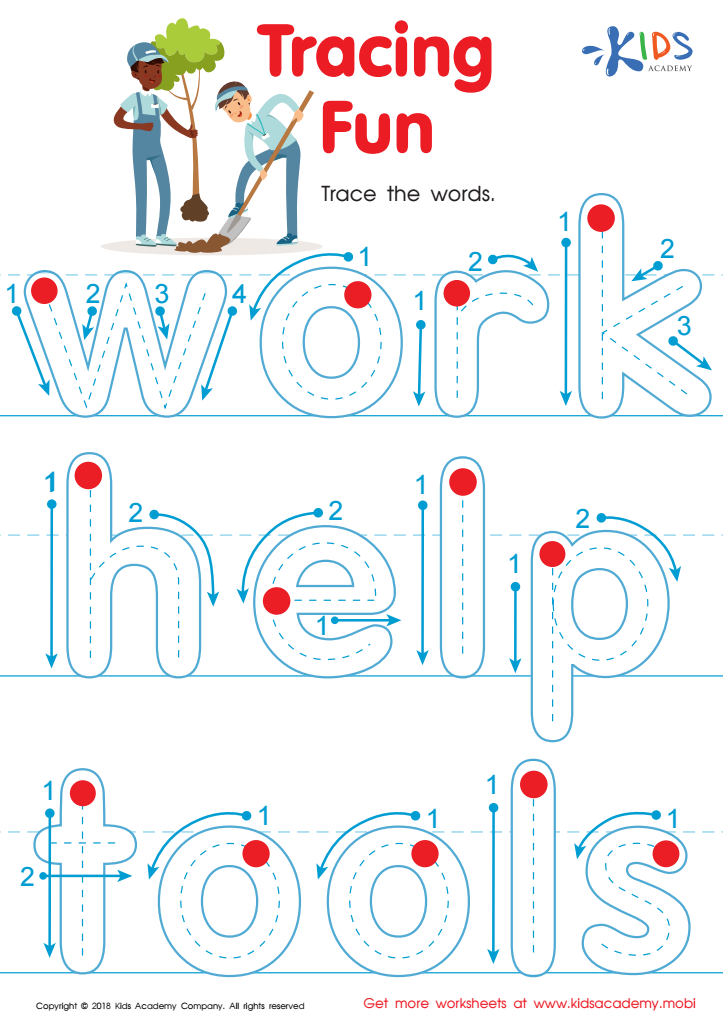
Tracing Fun Worksheet
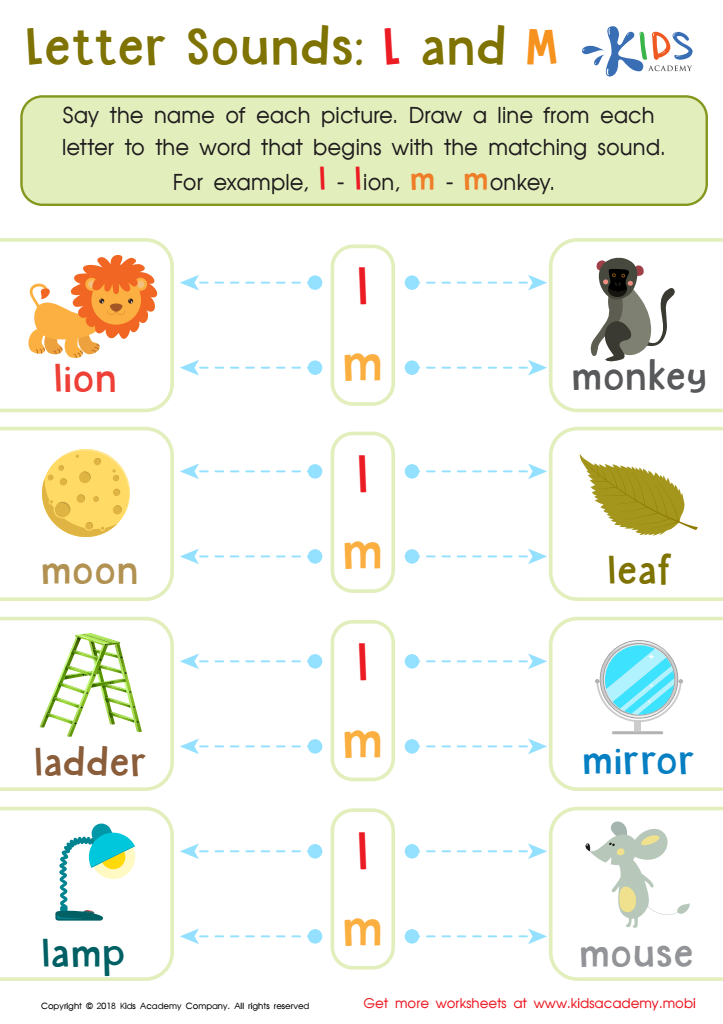
Letter l and M Sounds Worksheet

Letter F Tracing Page








Parents and teachers should prioritize Alphabet Learning for children ages 3-9 because it forms the bedrock of literacy and future academic success. During these formative years, children's brains are highly receptive to acquiring new skills, making it the ideal time to introduce the foundational elements of reading and writing. A solid grasp of the alphabet enhances phonemic awareness, enabling children to recognize and manipulate sounds within words, which is critical for reading fluency and comprehension.
Early mastery of the alphabet also boosts children's confidence and fosters a positive attitude toward learning. As they become proficient in associating letters with sounds and words, they are better equipped to decode new words and enjoy stories, igniting a lifelong love of reading. For parents, being actively involved in this process can strengthen bonds and provide insight into their child's cognitive development.
For teachers, a focus on alphabet learning ensures that all students, including those who may need additional support, receive a strong educational foundation. This decreases the likelihood of reading difficulties and subsequent challenges in other academic areas. By prioritizing alphabet learning, educators and parents create a nurturing environment that cultivates curiosity, resilience, and a profound appreciation for the incredible journey of learning to read.








