Animal knowledge Normal Worksheets for Ages 3-9
6 filtered results
-
From - To
Unleash your child's curiosity with our captivating "Animal Knowledge Normal Worksheets for Ages 3-9". Designed by educational professionals, these vibrant, interactive worksheets allow kids to discover fascinating facts about a variety of animals while honing critical learning skills. Suitable for young explorers, each page is filled with engaging activities, vivid illustrations, and fun challenges that develop observation, recognition, and memory abilities. Perfect for both classroom use and at-home learning, these worksheets effortlessly blend fun with education, encouraging a lifelong love of animals and nature. Start your child’s exciting journey into the animal kingdom today!
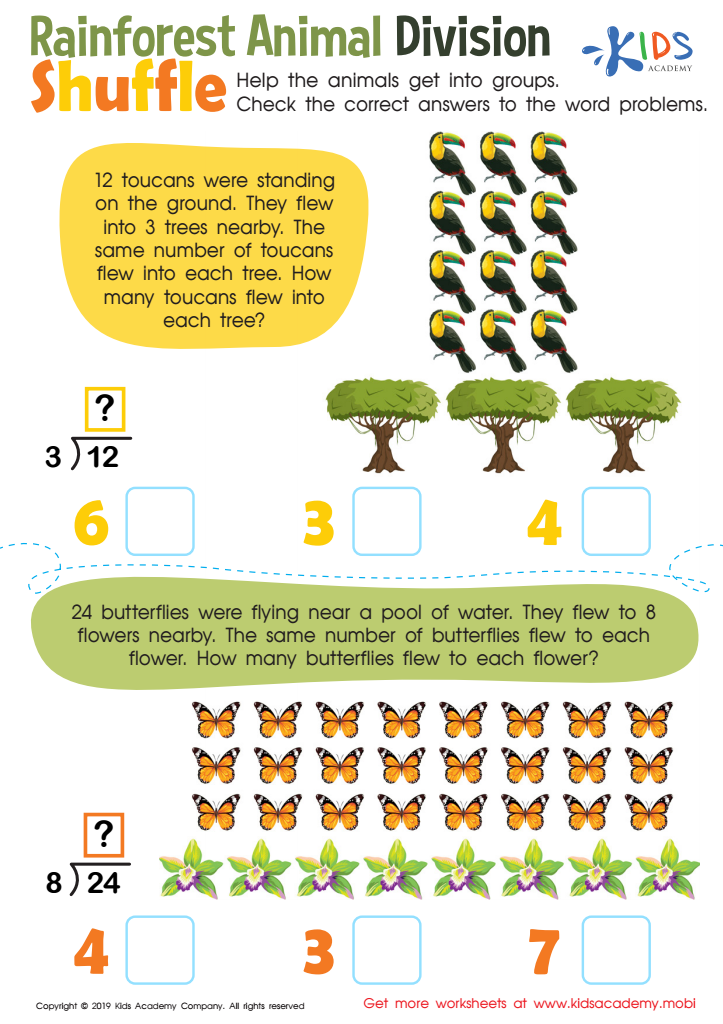
Rainforest Animal Division Worksheet
 Assign to My Students
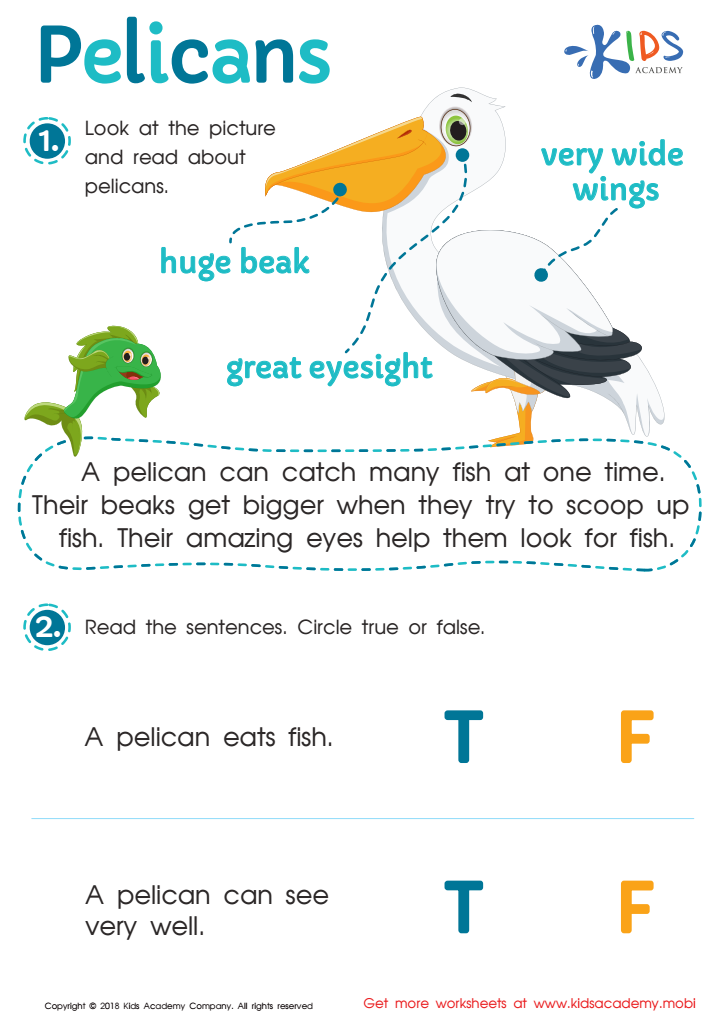
Pelicans Worksheet
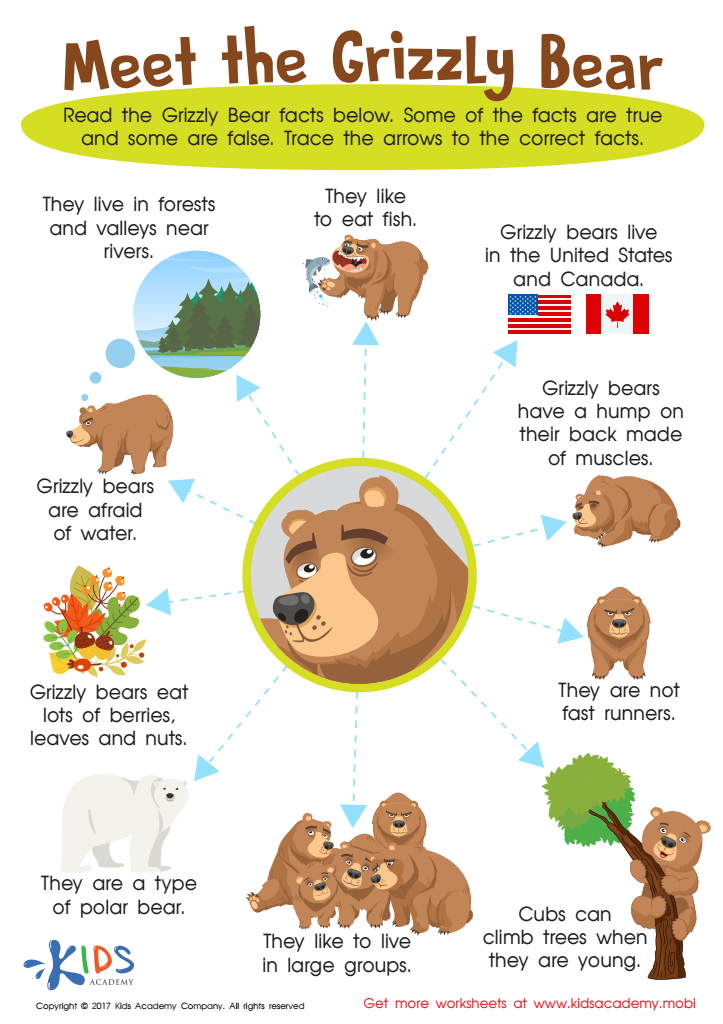
Grizzly Bear Facts Worksheet
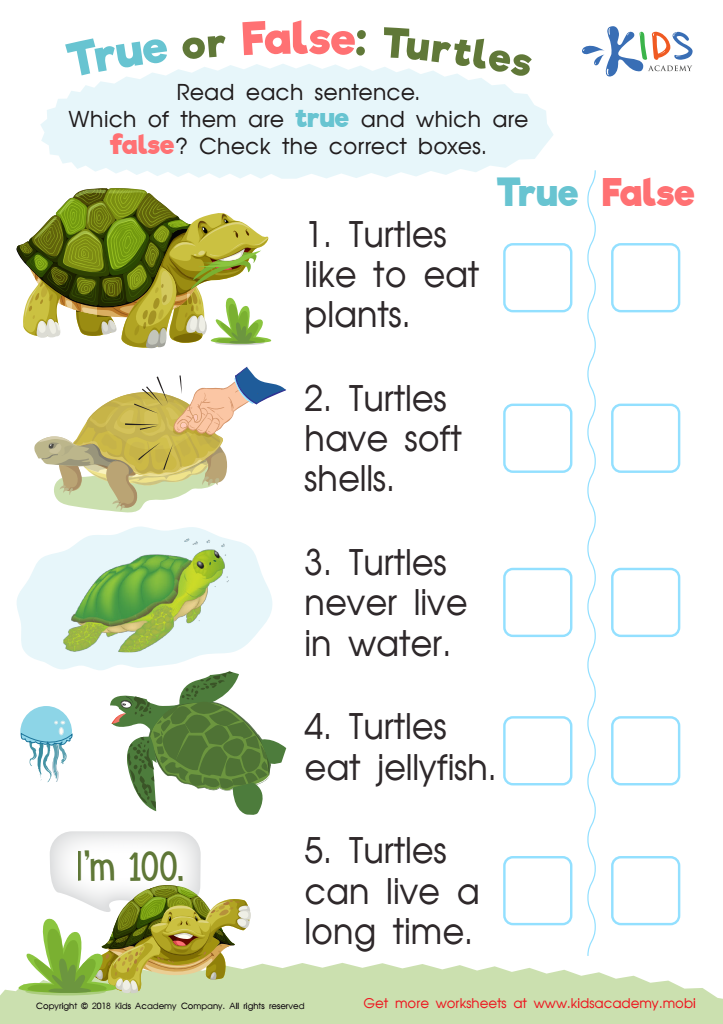
True or False: Turtles Worksheet
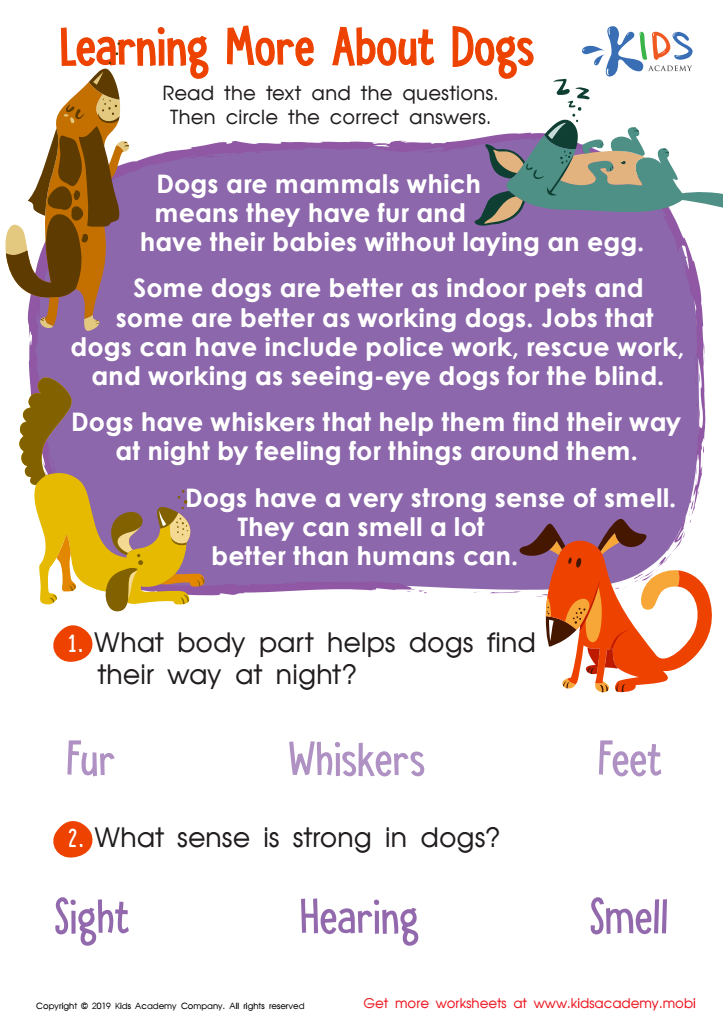
Learning More About Dogs Worksheet
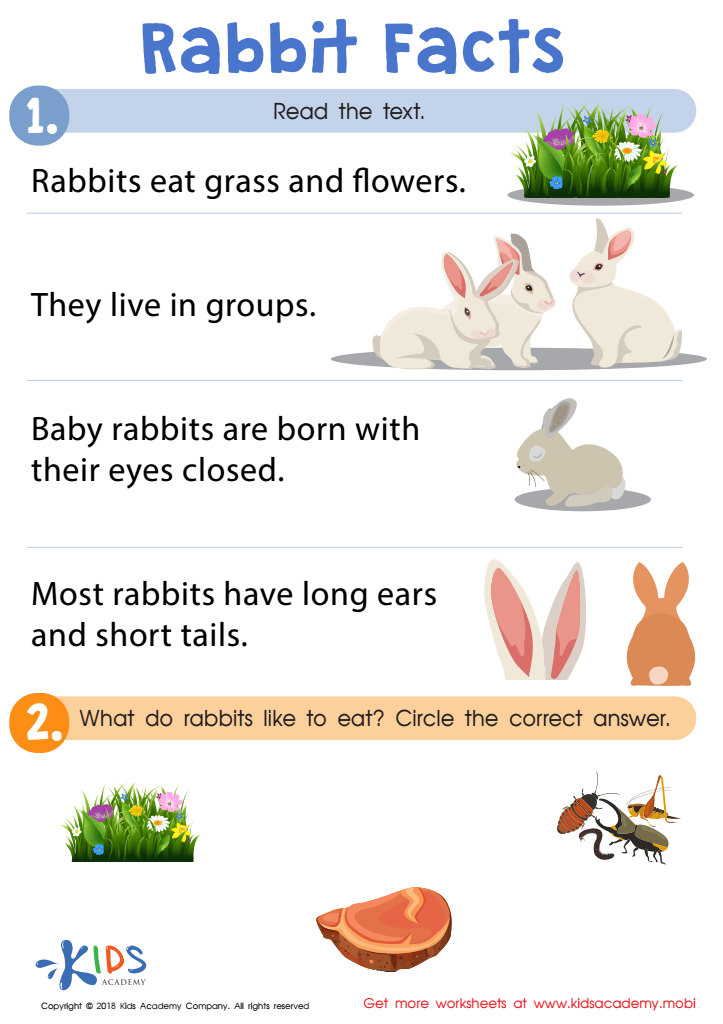
Rabbit Facts Worksheet






Parents and teachers should care about imparting animal knowledge to children ages 3-9 as it lays a vital foundation for holistic development. Firstly, understanding animals enhances cognitive skills, including memory, classification, and reasoning, as children learn to identify different species and categorize them based on attributes such as habitat, diet, or physical traits. Secondly, fostering an appreciation for animals nurtures empathy and compassion by helping children recognize that animals, like humans, have needs and emotions, which can translate into caring behavior toward others.
Animal knowledge also ties into broader educational subjects, such as science, geography, and even literacy, as children read stories about animals and explore their roles in ecosystems. It offers countless teachable moments that connect with the natural world, promoting curiosity and a sense of wonder. Engaging with animals or learning about them prompts active inquiry, critical thinking, and observational skills, which are crucial in early education.
Moreover, initial exposure to animals nurtures environmental stewardship. When children understand the importance of animals and their roles in biodiversity, they are more likely to grow into conscientious adults who advocate for conservation efforts. In essence, animal knowledge serves as a gateway to broader life skills, environmental respect, and educational growth for young learners.








