Comparing objects Normal Worksheets for Ages 3-9
4 filtered results
-
From - To
Discover the joy of learning with our "Comparing Objects Normal Worksheets" designed for children aged 3-9. Our engaging worksheets help young learners develop essential comparative skills through fun and interactive activities. Kids will explore concepts like size, shape, and quantity as they compare objects in vibrant and visually appealing formats. These worksheets are perfect for independent practice or guided learning, promoting critical thinking and observation skills. Whether at home or in the classroom, our resources support early childhood education, making learning enjoyable and effective. Dive into the world of comparisons and watch your child's confidence and knowledge grow!
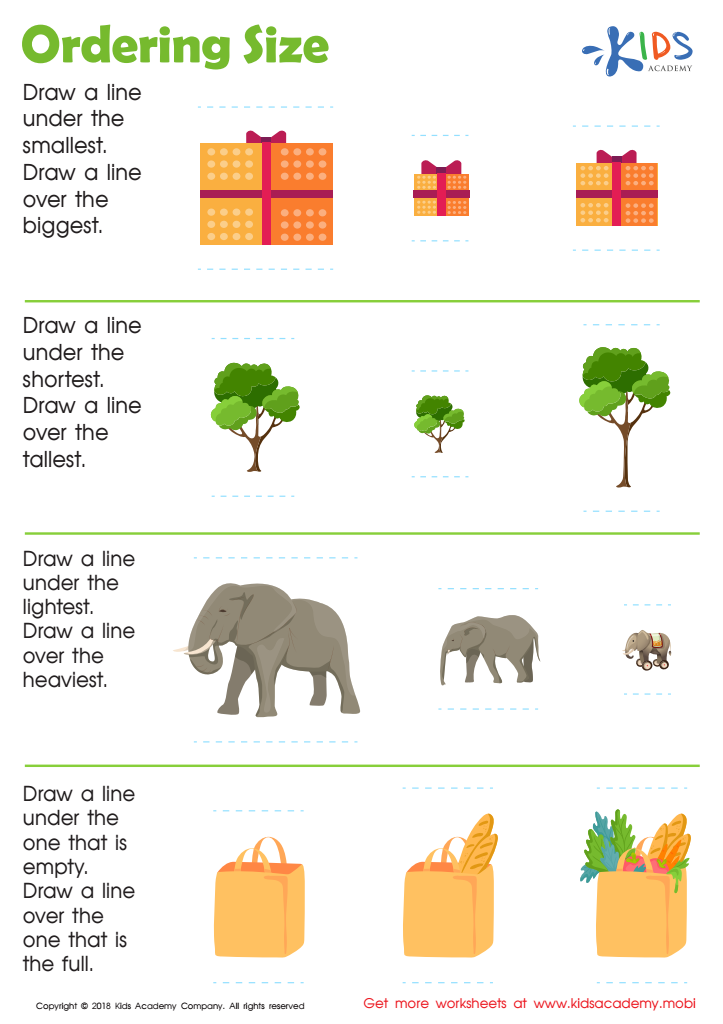
Ordering Size Worksheet
 Assign to My Students
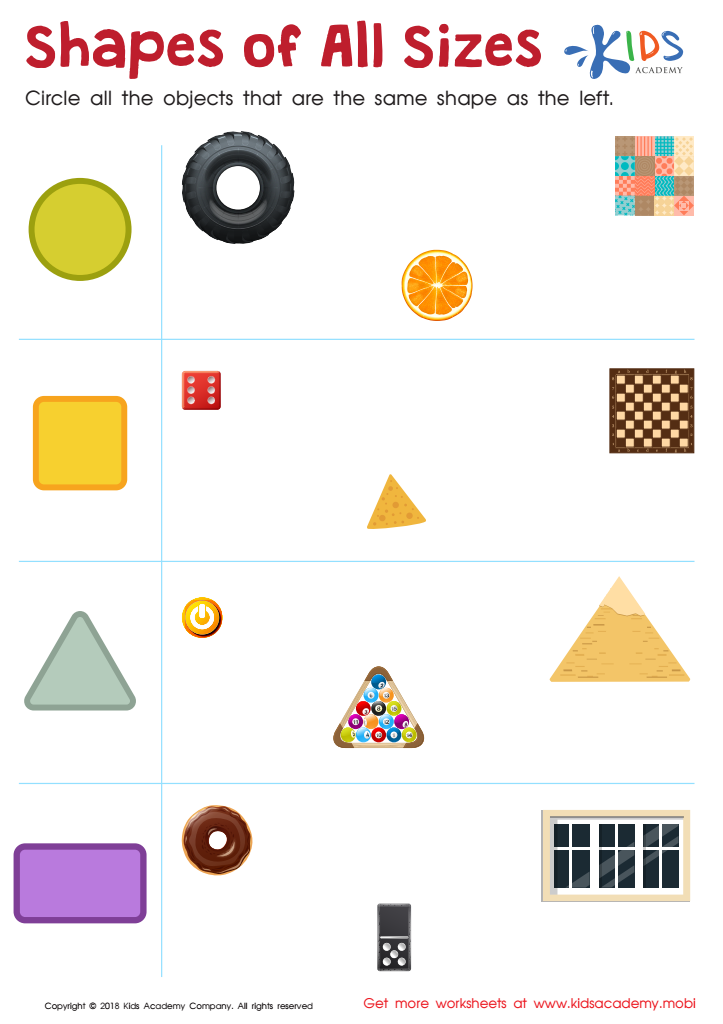
Shapes of All Sizes Worksheet
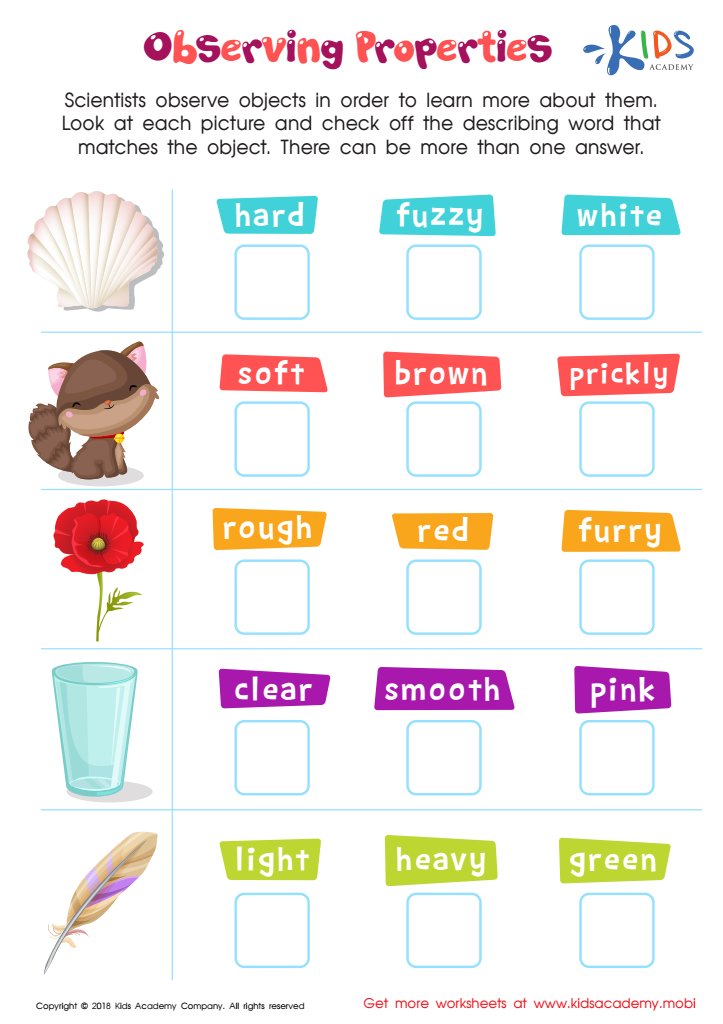
Observing Properties Worksheet
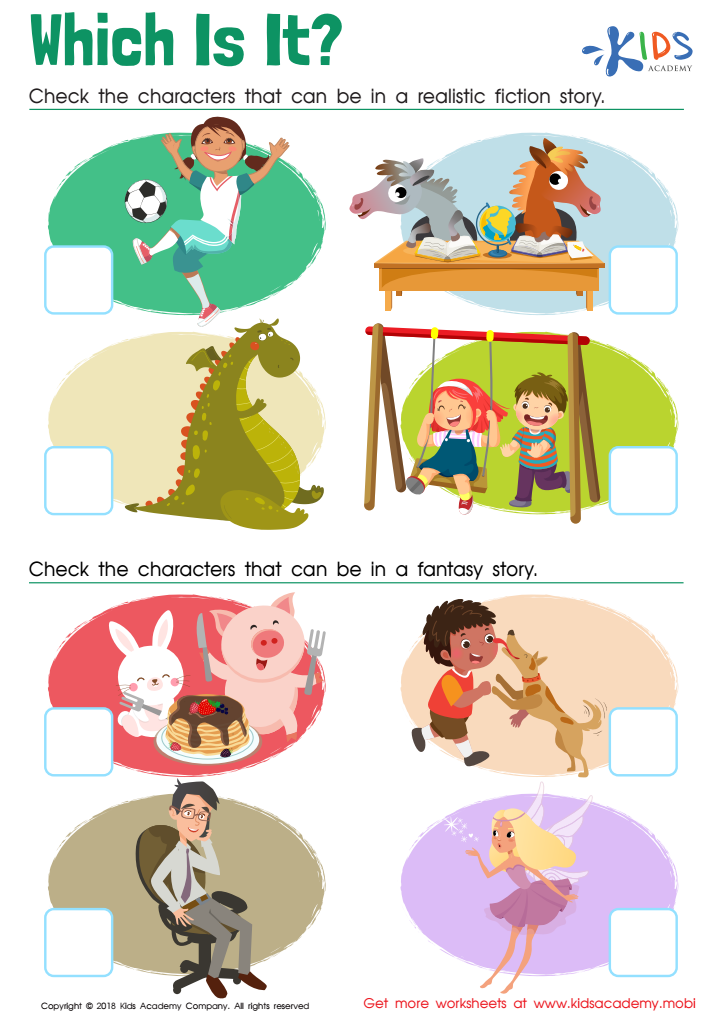
Which Is It? Worksheet






Comparing objects is a fundamental cognitive skill for children aged 3-9, vital for their early development and education. This skill helps children understand concepts such as size, shape, weight, and quantity, contributing to their mathematical foundation. When children compare objects, they engage in critical thinking and problem-solving, which boosts their reasoning abilities.
Moreover, comparing objects fosters language development, as children learn to articulate their observations using comparative language, such as "bigger," "smaller," "heavier," and "lighter." This enhances their vocabulary and communicative skills, enabling them to express their ideas and participate in discussions effectively.
For teachers and parents, encouraging comparing activities can turn everyday experiences into valuable learning opportunities. Simple tasks like sorting toys, measuring snacks, or arranging books help facilitate this learning in an engaging way. By cultivating this skill in early childhood, we set the groundwork for more complex concepts in mathematics and science later on.
Furthermore, these activities can boost social skills as children compare and collaborate with peers. Nurturing such skills not only proves beneficial for school readiness but also contributes to vibrant, inquisitive, and enthusiastic learners, equipping them for future educational challenges and everyday problem-solving.








