Comprehension skills improvement Normal Worksheets for Ages 3-9
3 filtered results
-
From - To
Enhance your child's comprehension skills with our engaging Normal Worksheets designed for ages 3-9. Our worksheets focus on nurturing essential listening and reading skills through fun and interactive activities that spark curiosity and delightful learning experiences. Tailored to various developmental stages, these worksheets encourage critical thinking, vocabulary building, and comprehension strategies, ensuring your child understands and enjoys the material. Ideal for parents and educators alike, our worksheets provide a solid foundation for future learning success. Explore our collection today and foster a lifelong love for reading and learning in your child! Boost their comprehension skills in an enjoyable and effective way!
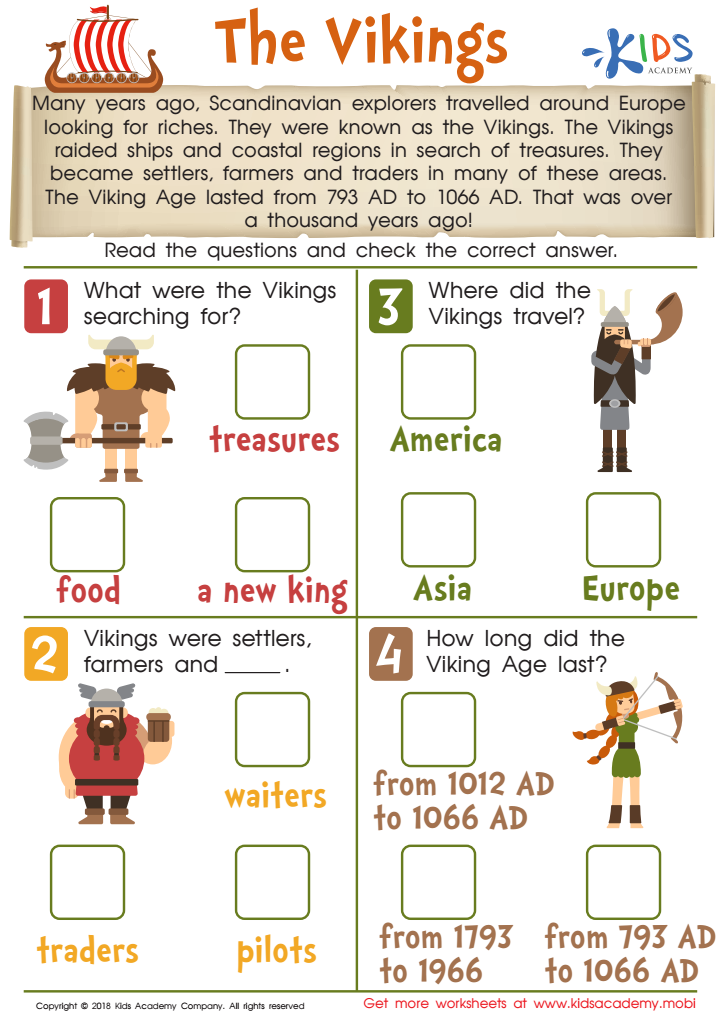
The Vikings Worksheet
 Assign to My Students
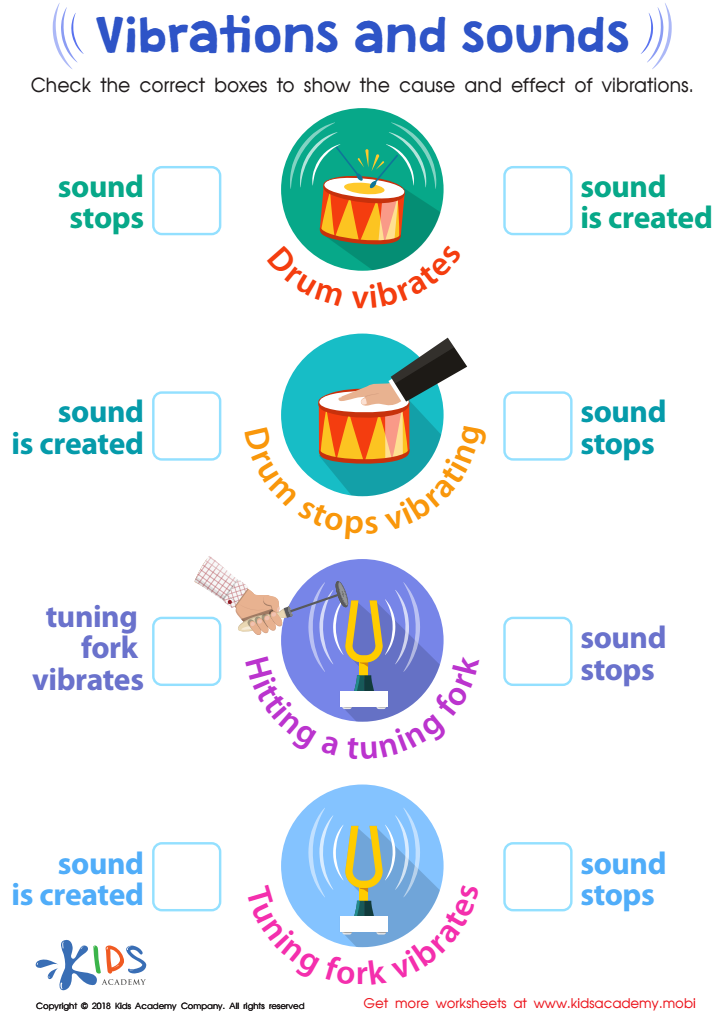
Vibrations and Sounds Worksheet
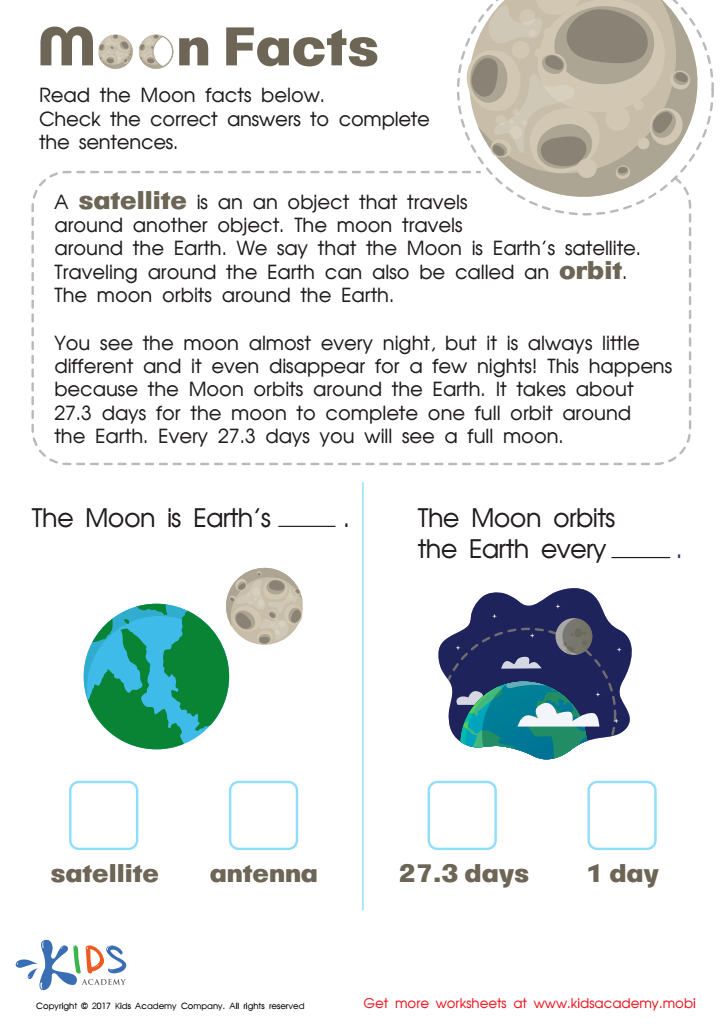
Moon Facts Worksheet






Comprehension skills are foundational to a child's academic success and overall development, particularly for ages 3-9, when cognitive abilities are rapidly evolving. During these formative years, children first grapple with not just the ability to read words but to understand and interpret what those words mean. This skill impacts other subject areas, enhancing their capacity to grasp mathematical concepts, scientific processes, and social studies narratives.
Improving comprehension skills helps children think critically and encourages curiosity, creativity, and problem-solving. These skills foster communication, as children learn to articulate their thoughts and feelings about various texts. Furthermore, strong comprehension abilities are essential for lifelong learning, empowering children to engage with complex material as they advance academically.
For parents and teachers, fostering comprehension means cultivating a love for reading. Engaging children in discussions about stories or encouraging them to ask questions can lead to a deeper connection with literature. Additionally, these skills promote self-confidence; children who comprehend what they read are more likely to participate in discussions and share their opinions. In summary, prioritizing comprehension skills sets children on a path of academic readiness and enthusiasm for lifelong learning and discovery.








