Developing observation skills Normal Worksheets for Ages 3-9
4 filtered results
-
From - To
Enhance your child's learning experience with our engaging Developing Observation Skills worksheets, designed for ages 3-9. These fun and interactive activities foster critical thinking and attention to detail, helping youngsters sharpen their observational abilities in a playful way. Covering various themes and incorporating vibrant illustrations, our worksheets encourage children to explore their surroundings, notice patterns, and make connections. Ideal for both classroom and home settings, these resources support developmental milestones while igniting curiosity and creativity. Join us in nurturing young learners as they develop essential observation skills that lay the foundation for future academic success! Download now and inspire a love for learning!
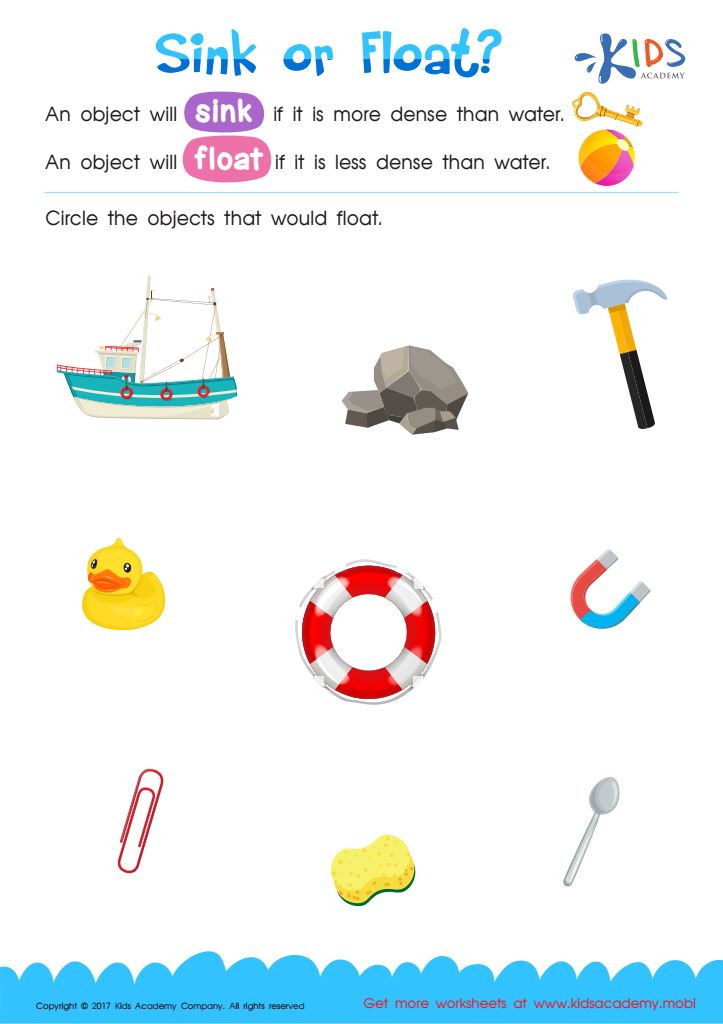
Sink or Float Printable
 Assign to My Students
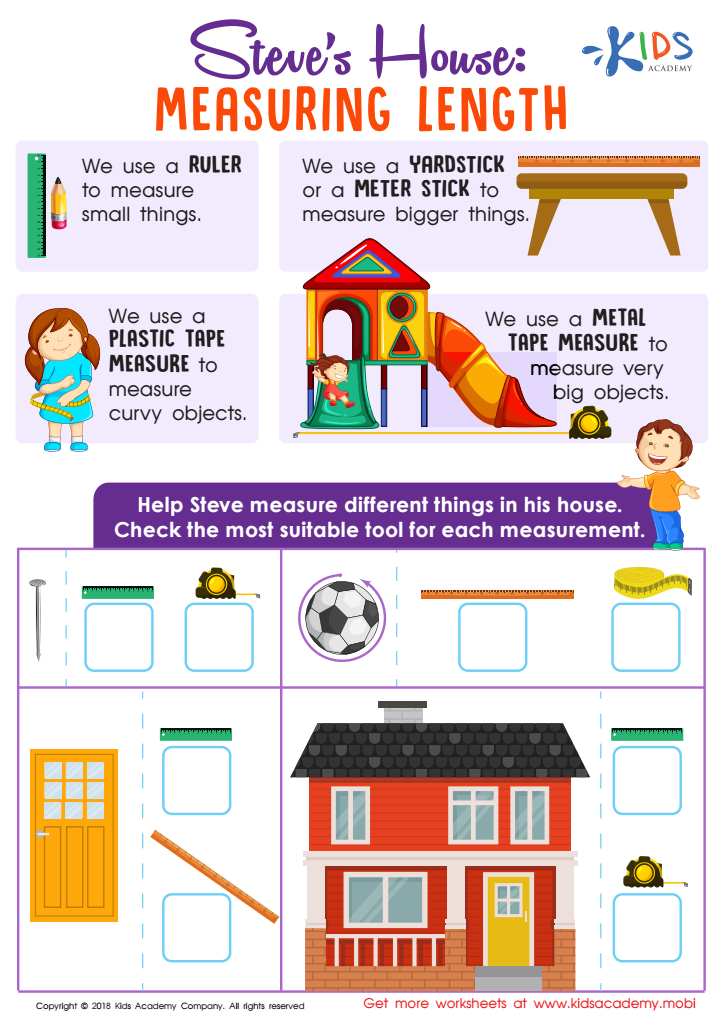
Steve's House: Measuring Length Worksheet
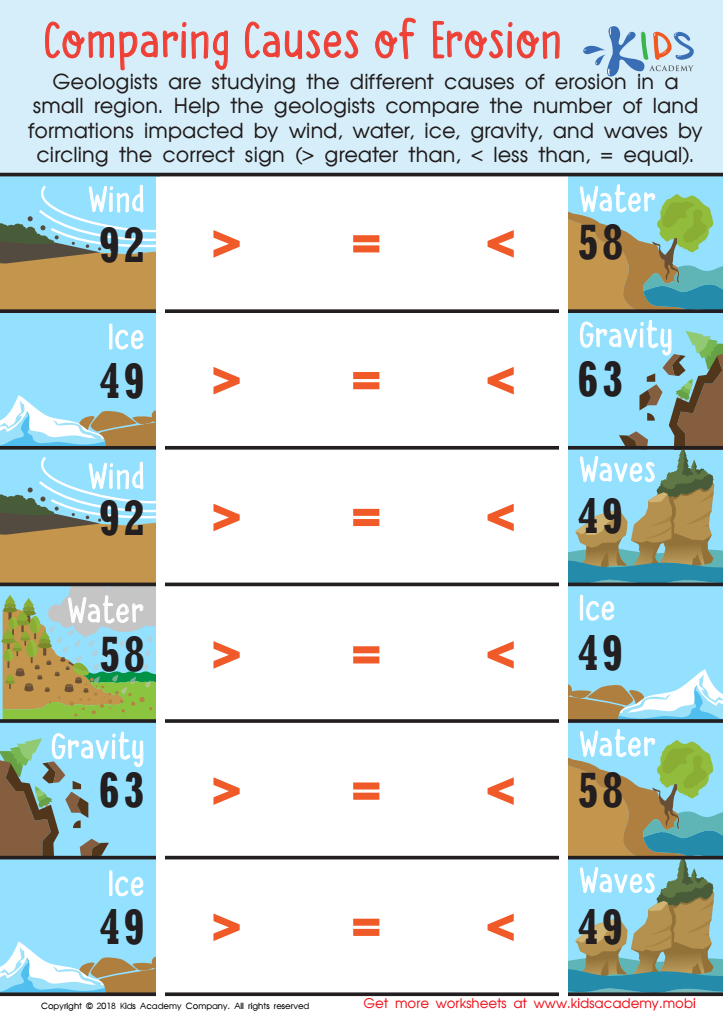
Comparing Causes of Erosion Worksheet
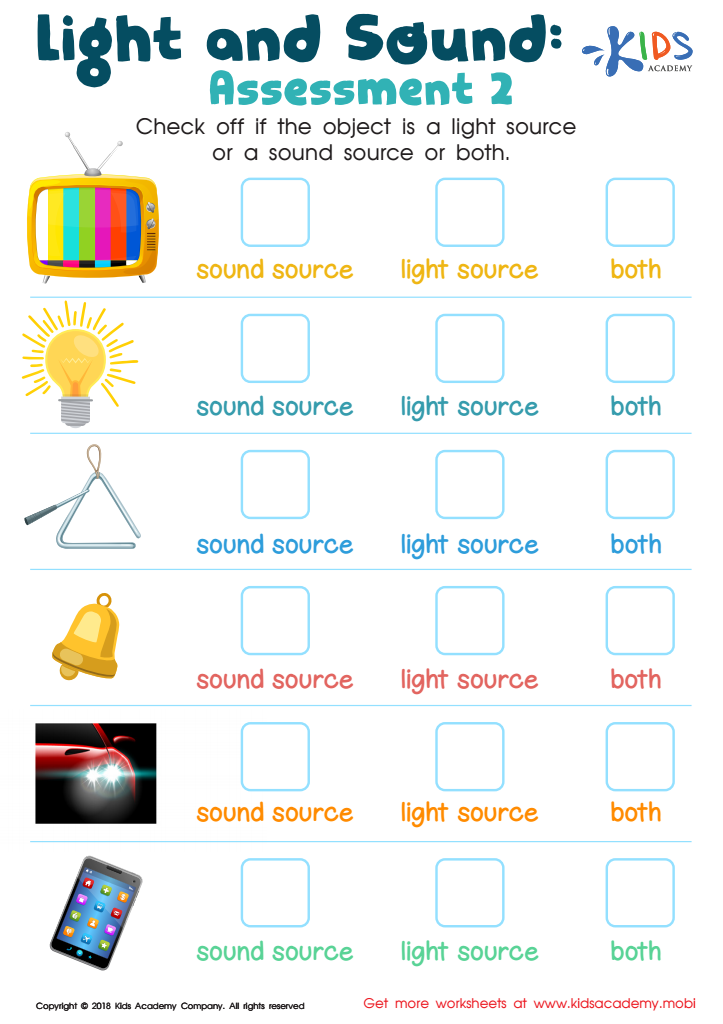
Light and Sound: Assessment 2 Worksheet







Developing observation skills in children aged 3 to 9 is crucial for both parents and teachers as these skills form the foundation for lifelong learning. At this age, children are naturally curious and inquisitive, making it the optimal time to hone their ability to pay attention and notice details in their environment. By fostering observation skills, adults can enhance a child's critical thinking, problem-solving, and reasoning abilities.
Furthermore, strong observation skills encourage creativity and imagination. Children learn to interpret their surroundings, make connections between different concepts, and express their thoughts, which enriches their communication skills. Observant children can notice patterns, relationships, and cause-and-effect scenarios, which are essential skills in scientific thinking and exploration.
Moreover, parents and teachers can use observation as a tool to better understand a child's interests, strengths, and developmental needs. By noticing behavioral cues, emotions, and reactions, they can tailor their support and guidance effectively, aiding in more personalized learning experiences.
Lastly, promoting observation skills equips children with the tools to navigate the world thoughtfully and mindfully, fostering empathy and awareness in their interactions with others. By prioritizing this developmental milestone, adults empower children to become engaged, purposeful members of their communities.








