Developing problem-solving abilities Normal Worksheets for Ages 3-9
4 filtered results
-
From - To
Explore our "Developing Problem-Solving Abilities" worksheets designed for children ages 3-9. These engaging and interactive worksheets help young learners enhance their critical thinking, reasoning, and analytical skills through fun activities tailored to their developmental stage. From puzzles and riddles to pattern recognition challenges, each worksheet aims to encourage creativity and independent thinking, laying a strong foundation for lifelong problem-solving abilities. Perfect for home or classroom use, these resources align with educational standards and are crafted to make learning enjoyable. Empower your child’s cognitive growth today with our easy-to-use worksheets that nurture inquisitive minds and boost confidence!
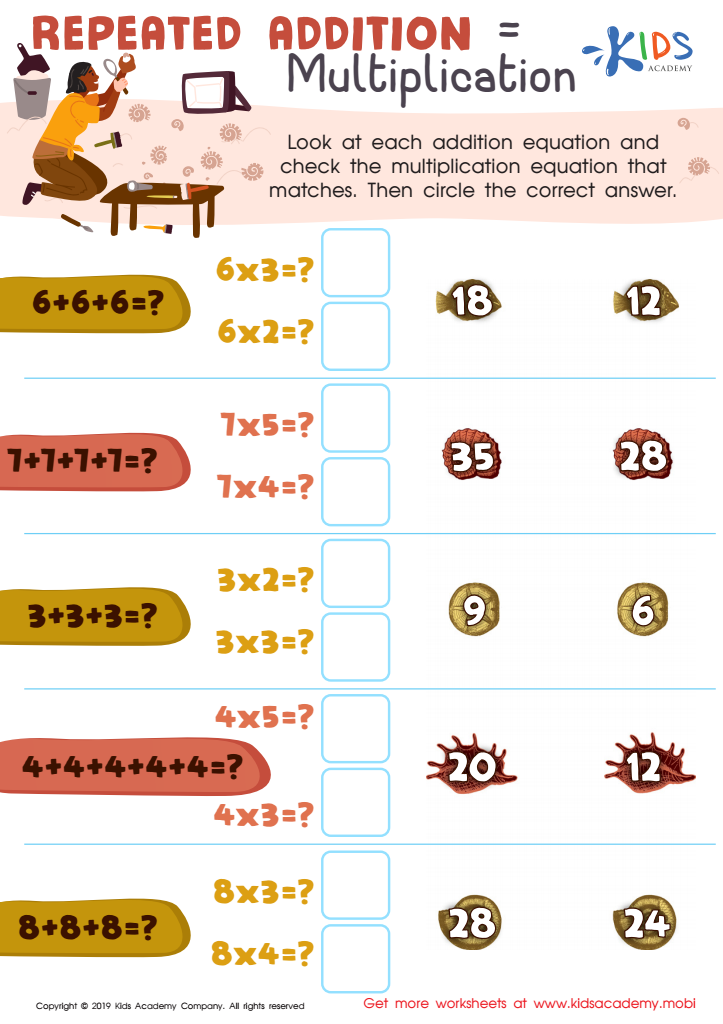
Repeated Addition = Multiplication Worksheet
 Assign to My Students
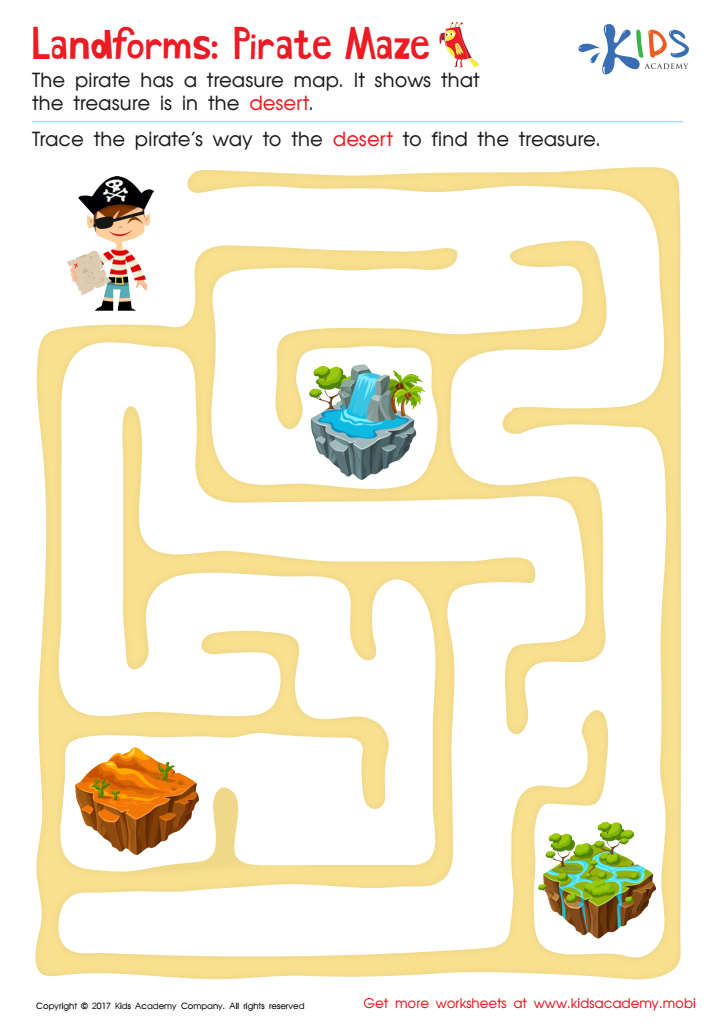
Landforms: Pirate Maze Printable
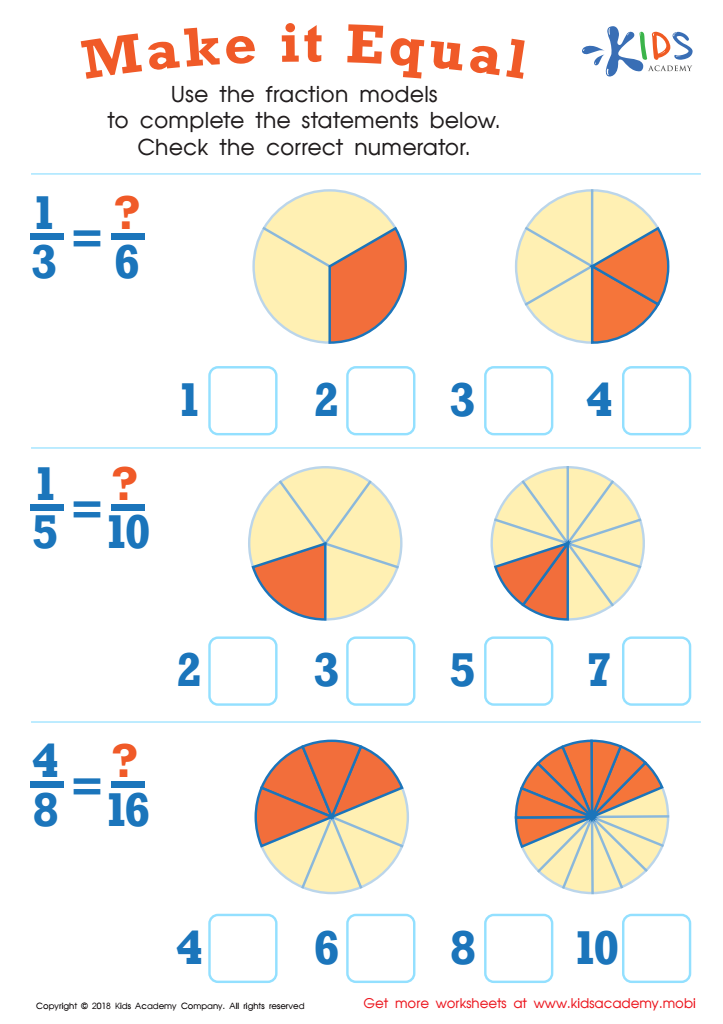
Make It Equal Worksheet
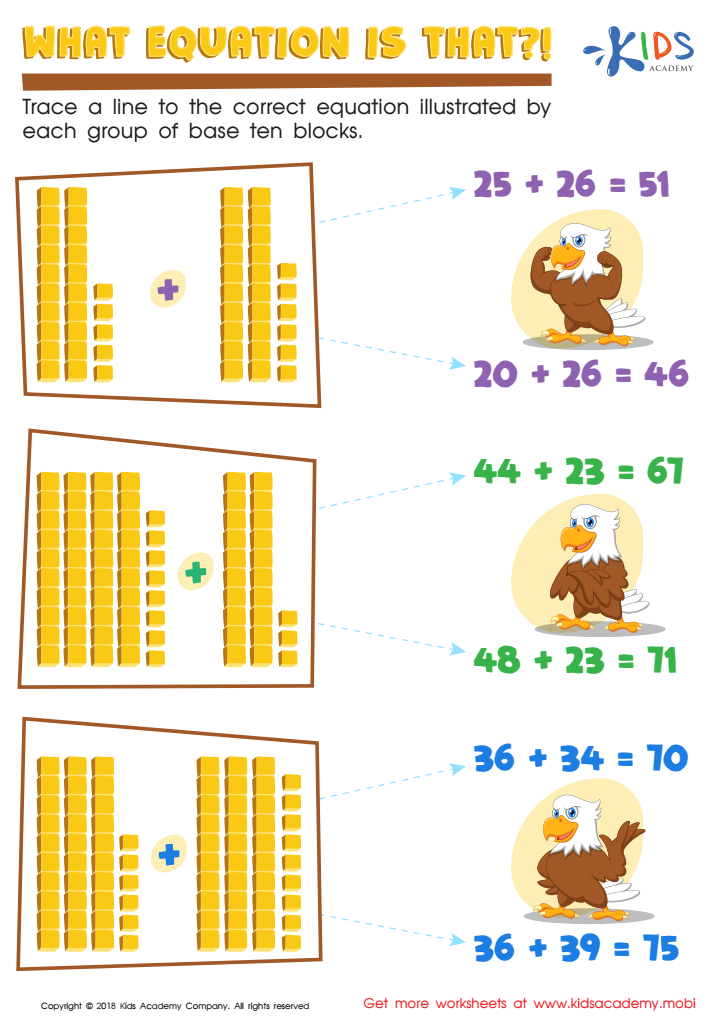
What Equation Is That? Worksheet



.jpg)


Developing problem-solving abilities in children aged 3 to 9 is crucial for their cognitive and emotional growth. At this age, children are naturally curious: they explore their surroundings, ask questions, and experiment with different solutions. By nurturing their problem-solving skills, parents and teachers help children learn to think critically and independently, laying a foundation for lifelong learning.
Problem-solving teaches children to analyze situations, consider various options, and evaluate the outcomes of their actions, promoting resilience and perseverance. These abilities are essential not only in academics but also in everyday life, fostering the capacity to navigate challenges effectively. As children learn to tackle problems, they build confidence in their abilities, enhancing their self-esteem and reducing anxiety when faced with new obstacles.
Moreover, problem-solving encourages collaboration and communication, as children often work together to find solutions. This social aspect enhances their interpersonal skills and empathy. In today’s fast-paced world, problem-solving skills are fundamental; they prepare children for real-world scenarios and future careers where creative thinking and innovation are paramount. Ultimately, by prioritizing problem-solving development, parents and teachers equip children with the tools they need to thrive both personally and academically.








