Enhancing research skills Normal Worksheets for Ages 3-9
5 filtered results
-
From - To
Unlock your child's potential with our "Enhancing Research Skills Normal Worksheets" for ages 3-9! Designed to cultivate curiosity and critical thinking, these engaging worksheets provide age-appropriate activities that encourage young learners to explore, investigate, and gather information. From simple observation tasks to basic fact-finding missions, each worksheet is crafted to foster a love for learning while developing essential research skills. Perfect for at-home learning or classroom use, our resources promote independent thinking and discovery, ensuring your child gains confidence in their ability to seek knowledge. Start nurturing a lifelong learner today with our fun and educational worksheets!
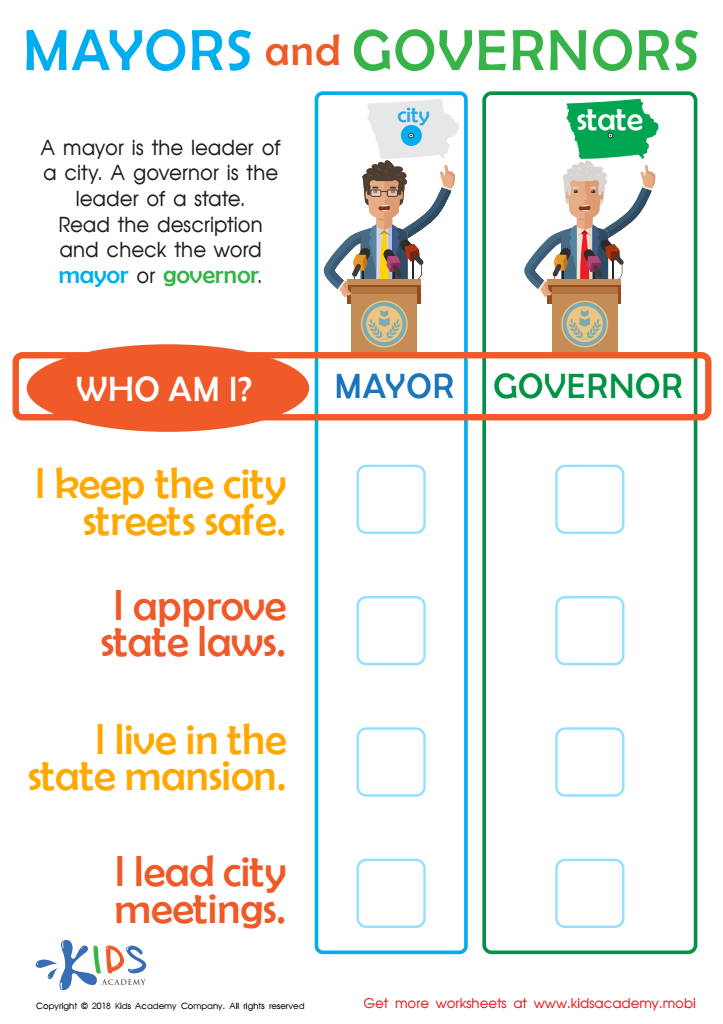
Mayors and Governors Worksheet
 Assign to My Students
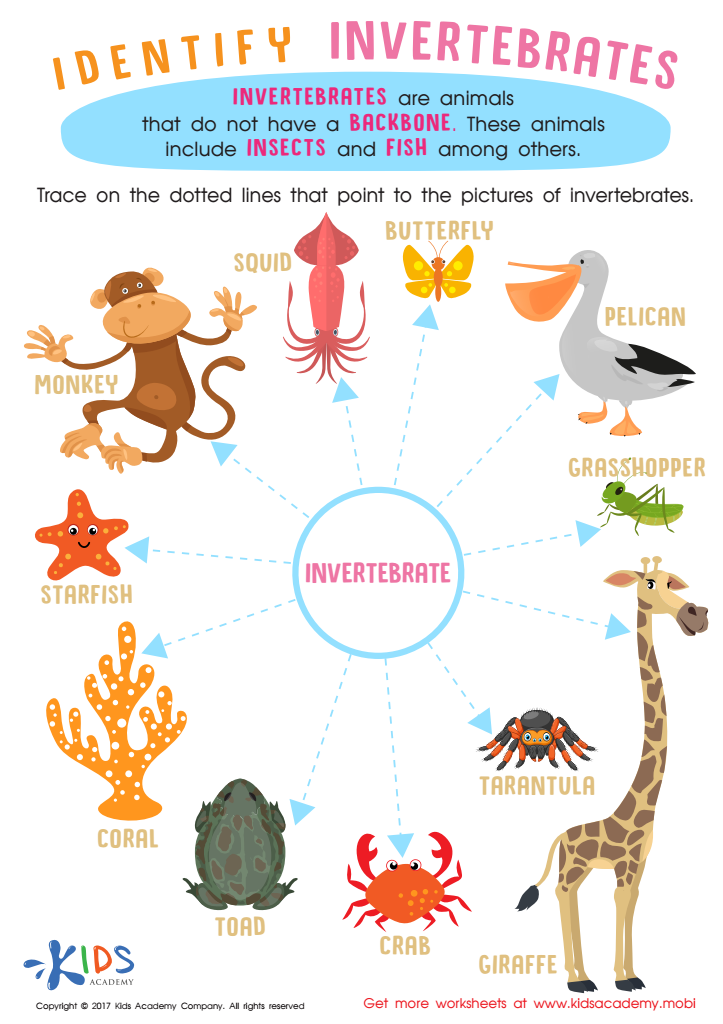
Invertebrates Worksheet for Grade 3
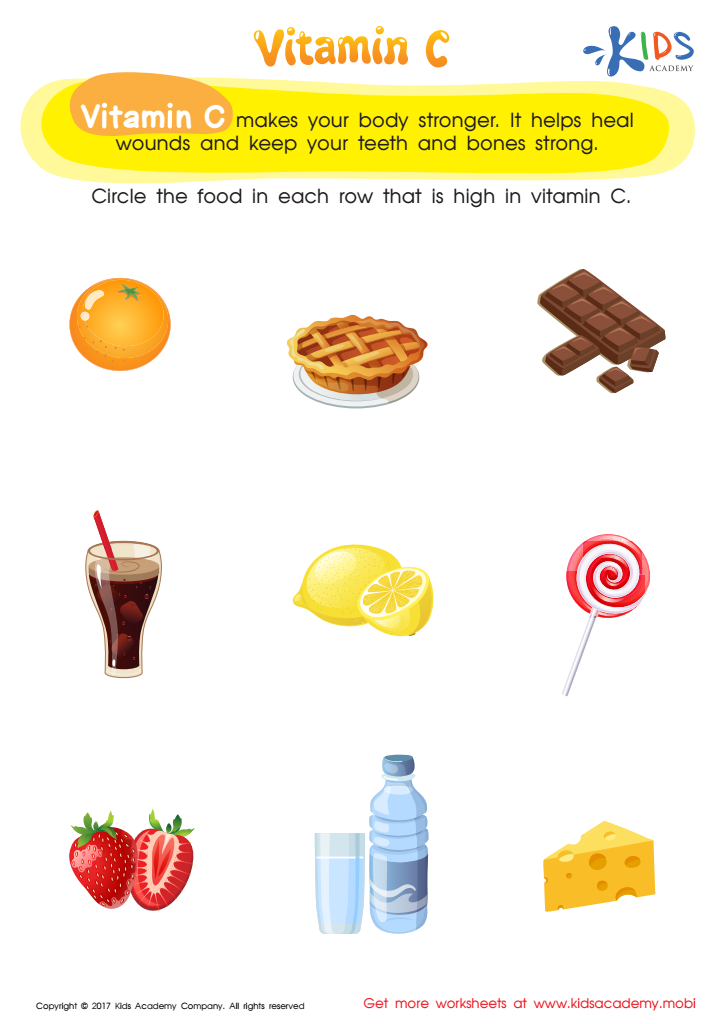
Vitamin C Worksheet
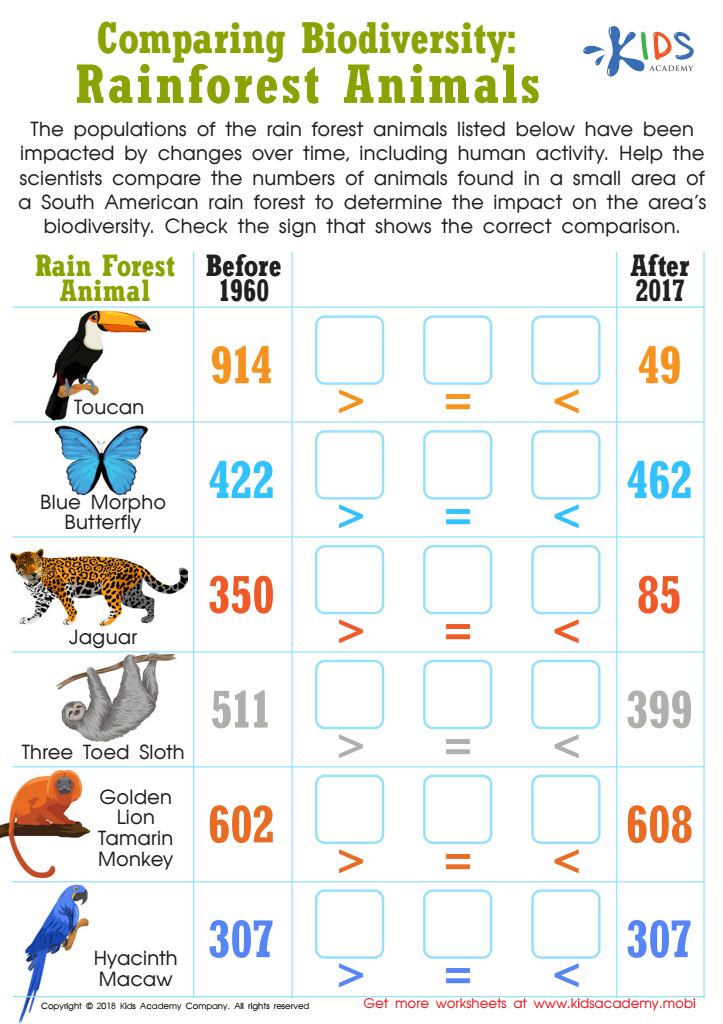
Comparing Biodiversity: Rainforest Animals Worksheet
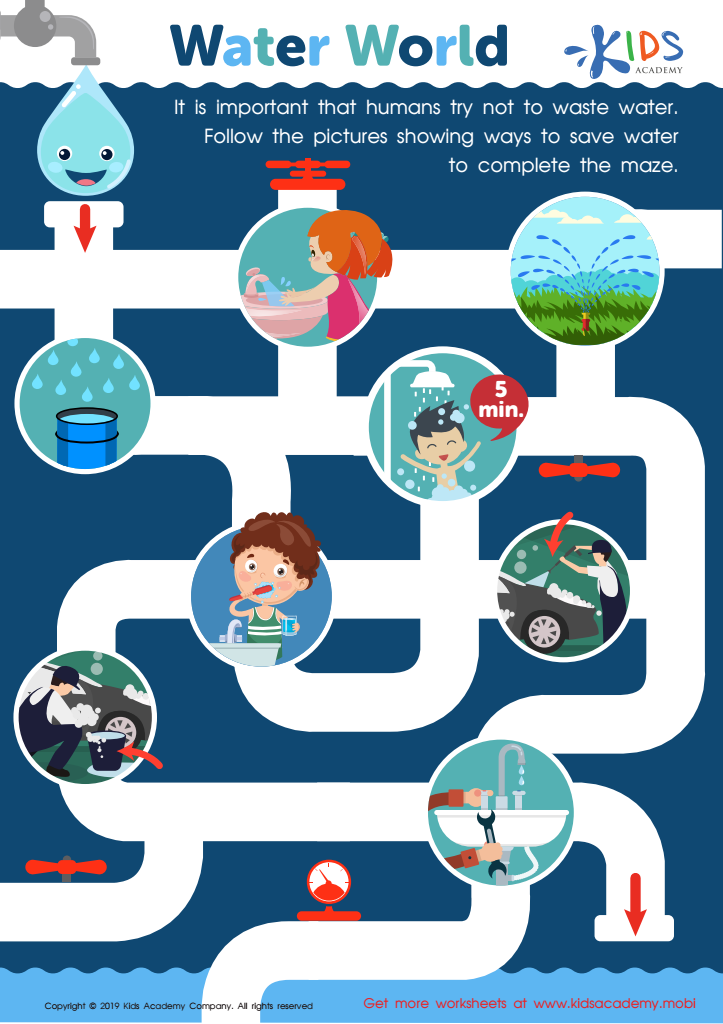
Water World Worksheet







Enhancing research skills in children ages 3-9 is vital for fostering a lifelong love of learning and critical thinking. During these formative years, children are naturally curious and eager to explore the world around them. By teaching them fundamental research skills, such as asking questions, seeking information, and evaluating sources, parents and teachers can nurture this curiosity in a structured way.
Research skills encourage children to become independent learners. Early exposure to these skills helps them understand how to gather information, whether through books, observations, or safe digital resources, empowering them to explore topics of interest, leading to deeper understanding and retention. Moreover, developing these skills promotes literacy and communication, as children learn to express their findings clearly.
In today's information-rich world, the ability to discern credible information is more critical than ever. Starting early allows children to build resilience against misinformation and to become informed citizens. Additionally, incorporating research skills into everyday activities makes learning enjoyable and engaging, setting the tone for positive educational experiences. By prioritizing research skills, parents and teachers can significantly contribute to a child's academic success and personal development, ultimately equipping them with essential tools for the future.








