Hand-eye Coordination Normal Worksheets for Ages 3-9 - Page 2
35 filtered results
-
From - To
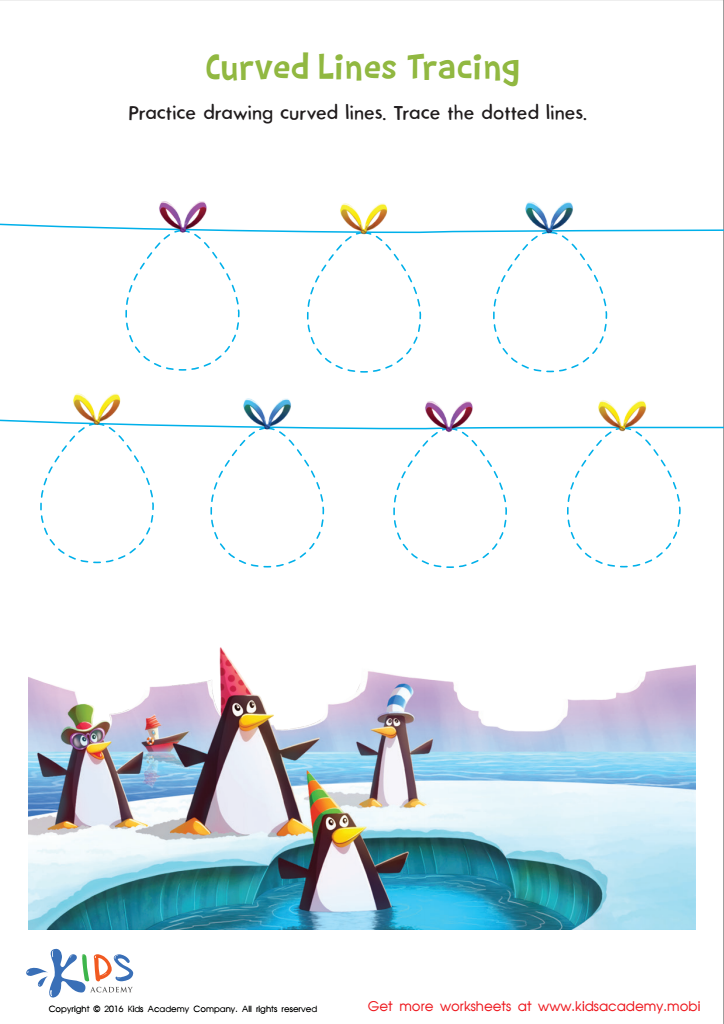
Curved Lines Tracing Worksheet
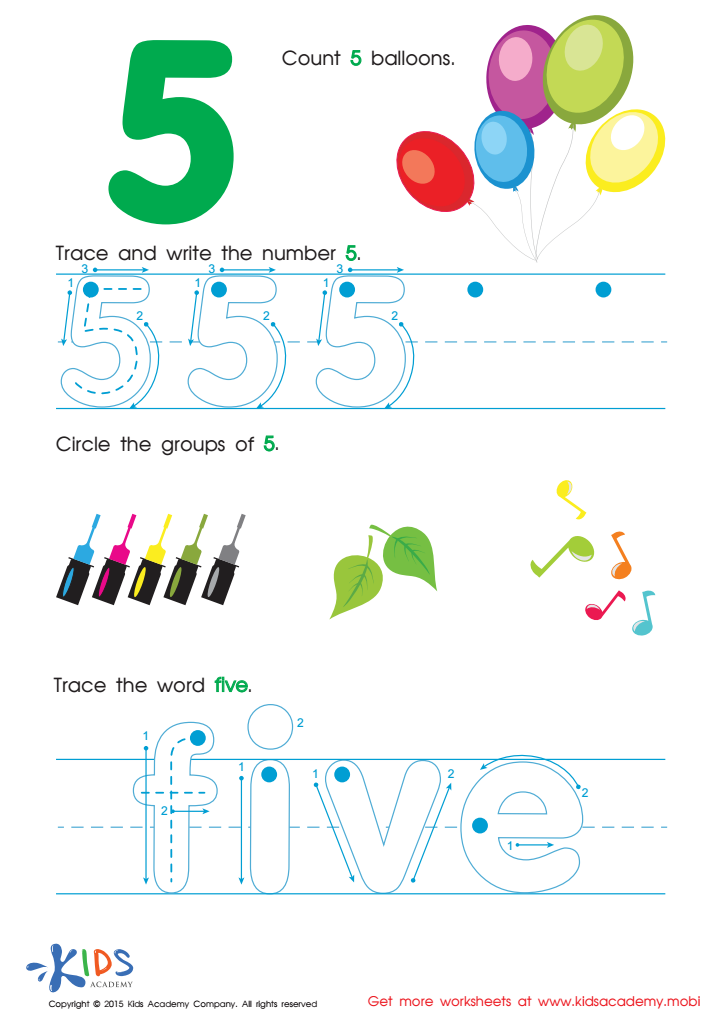
Practice Writing Number 5 Worksheet
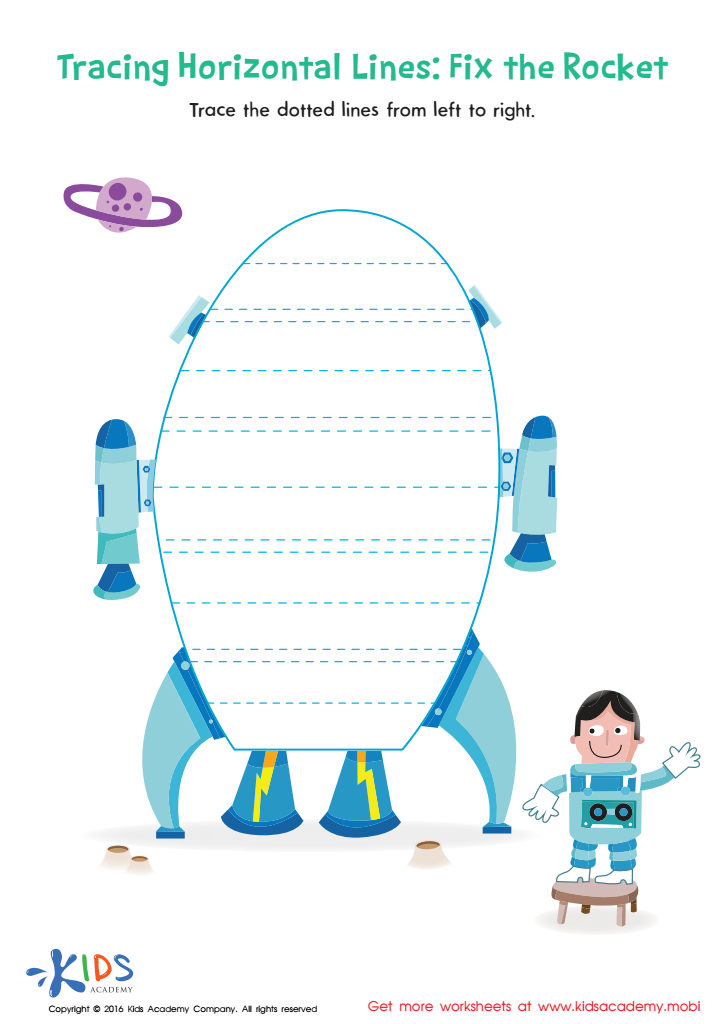
Tracing Horizontal Lines Worksheet
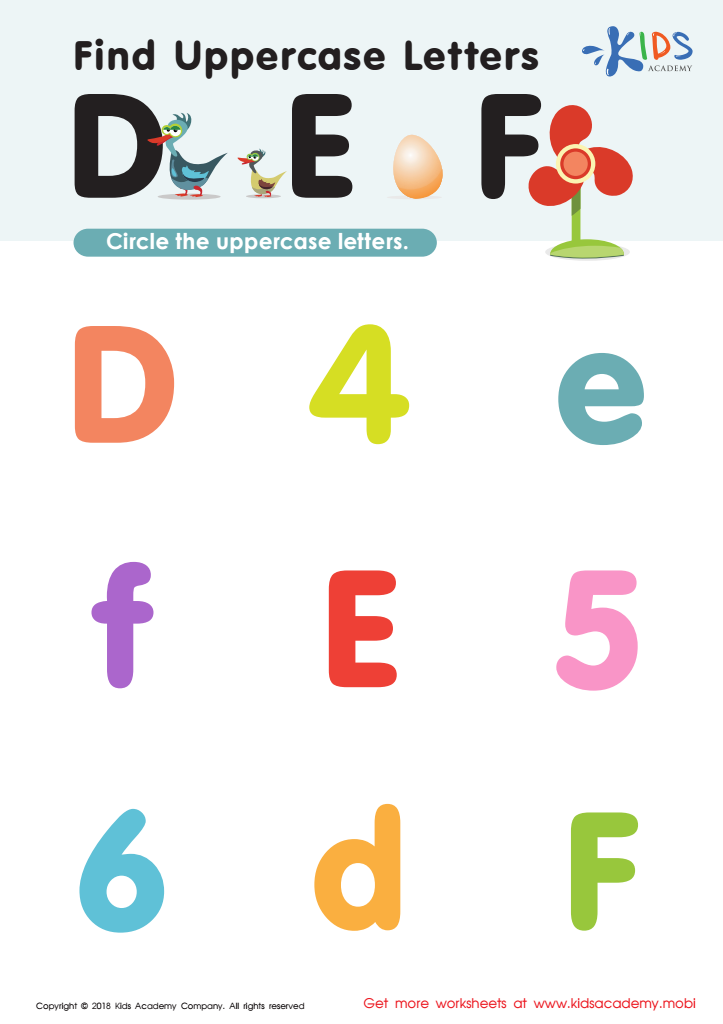
Find Uppercase Letters D, E, and F Worksheet
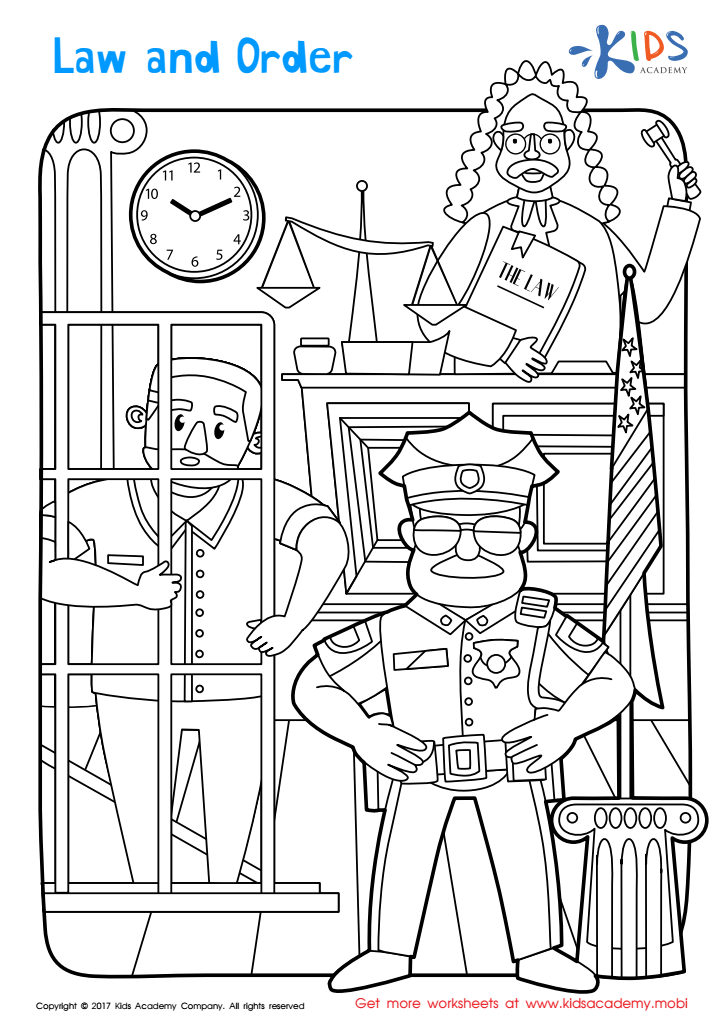
Law and Order Coloring Page Worksheet
 Assign to My Students
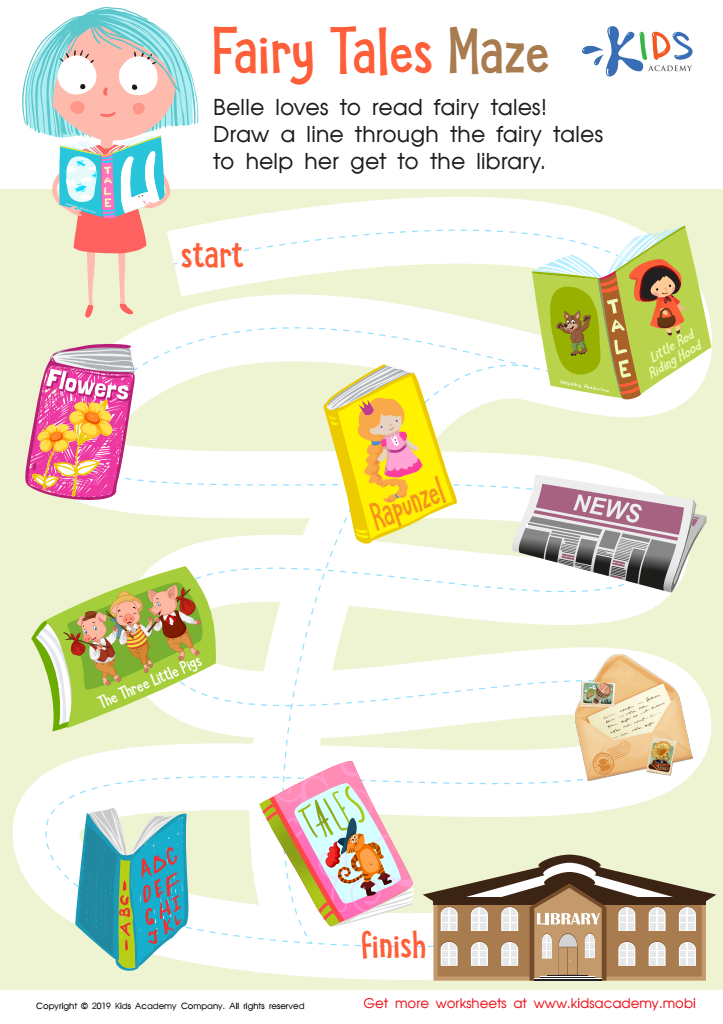
Fairy Tales Maze Worksheet
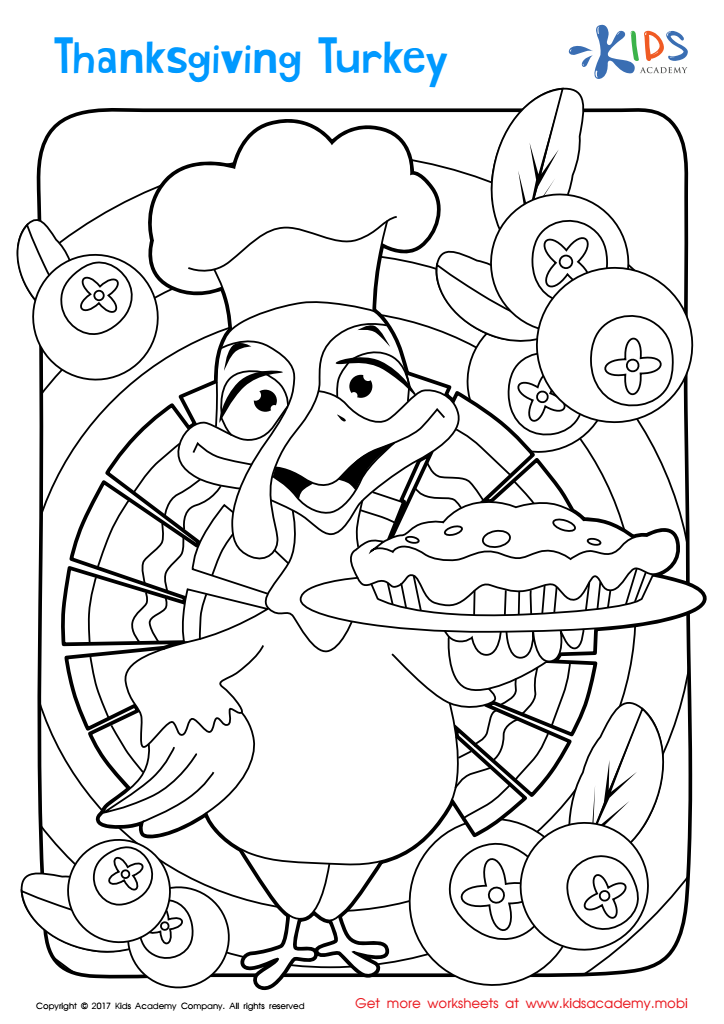
Turkey Thanksgiving Day Worksheet
Assign to My Students
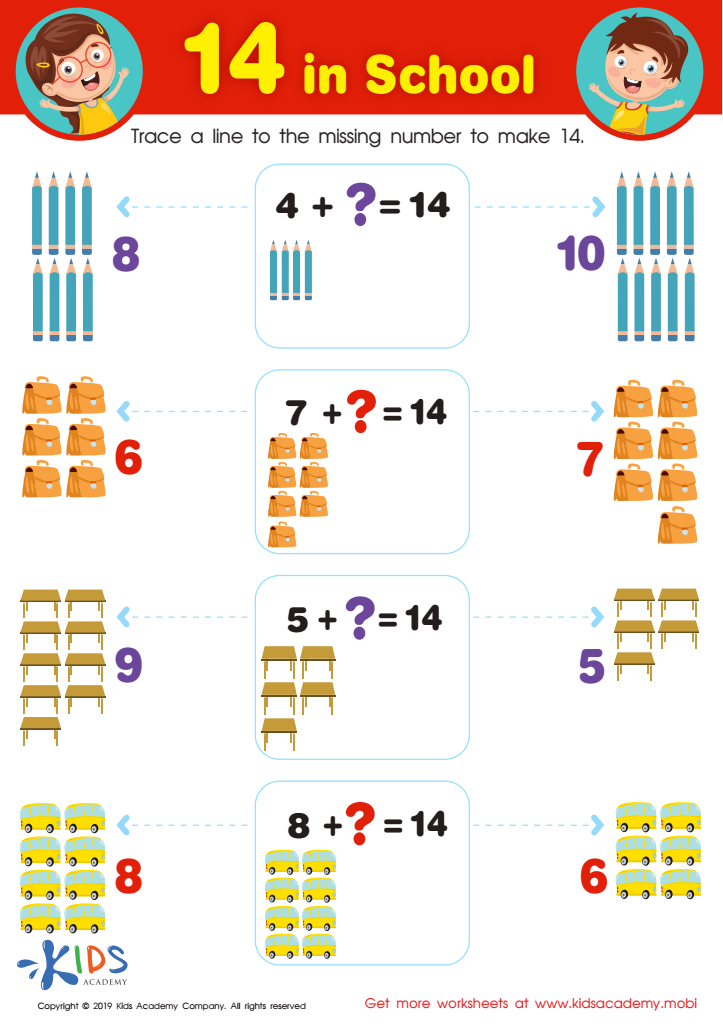
14 in School Worksheet
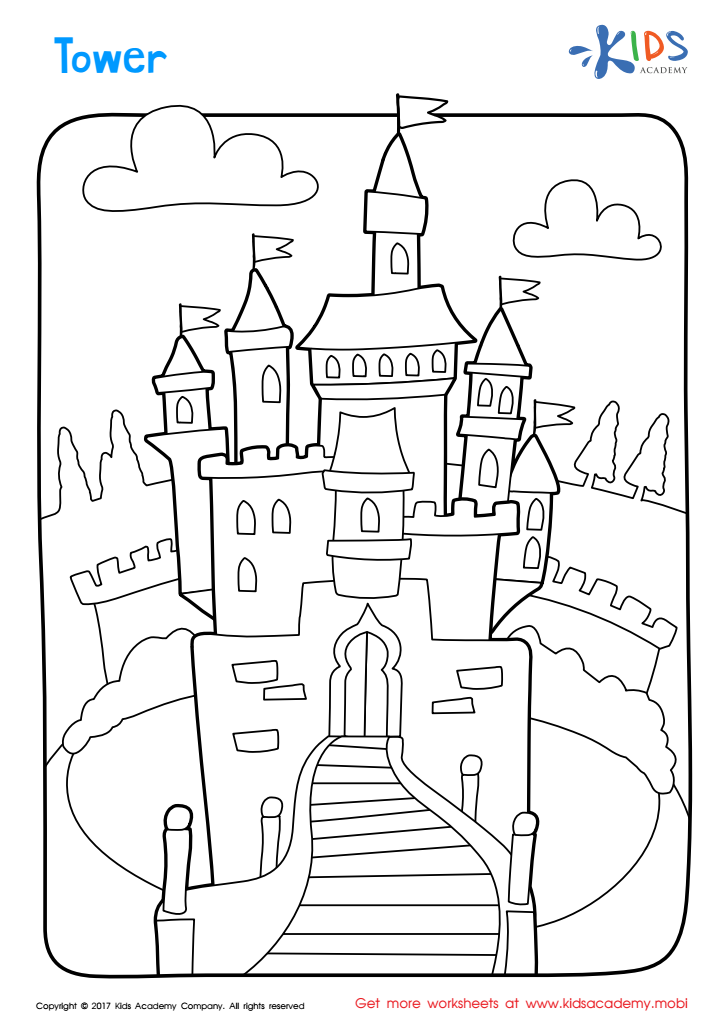
Tower Coloring Page
Assign to My Students
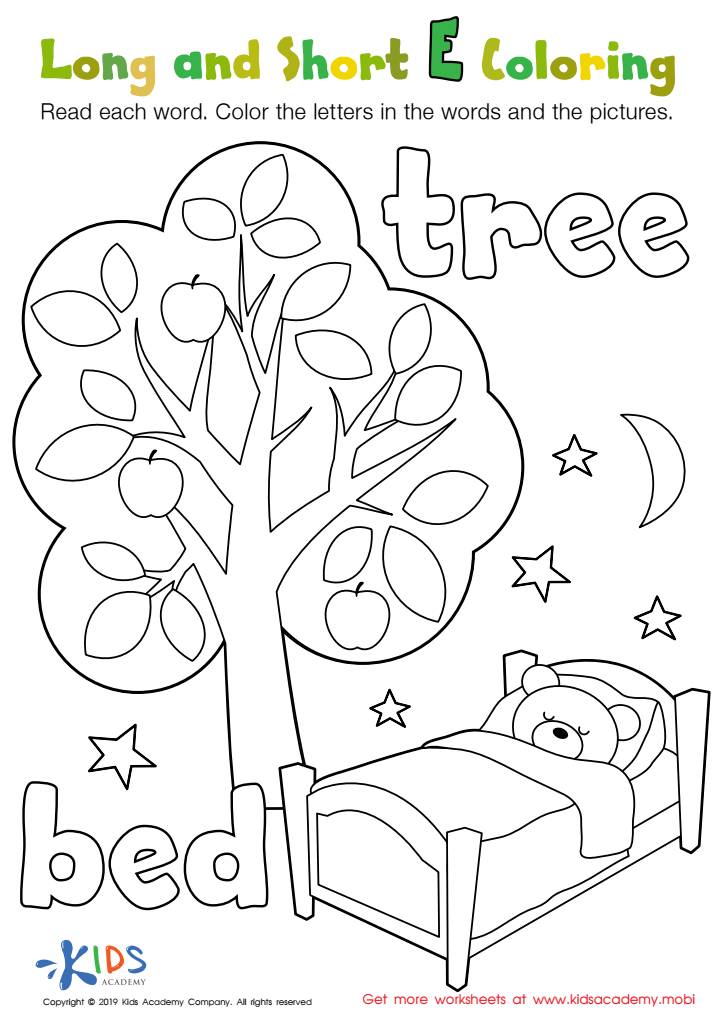
Long and Short E Worksheet
Assign to My Students
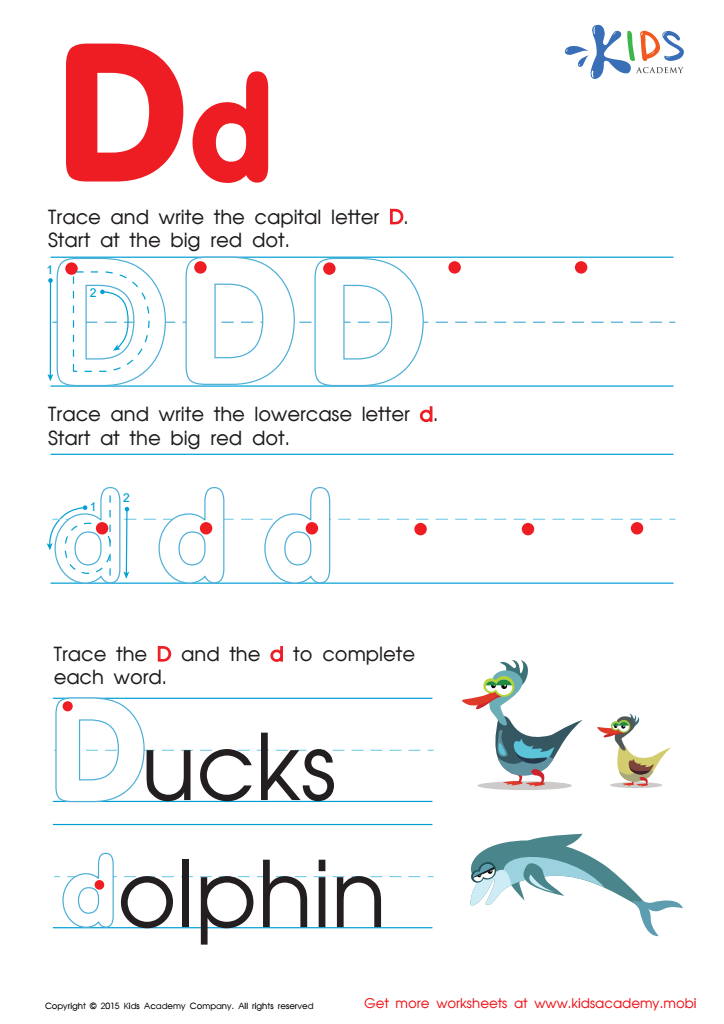
Letter D Tracing Page





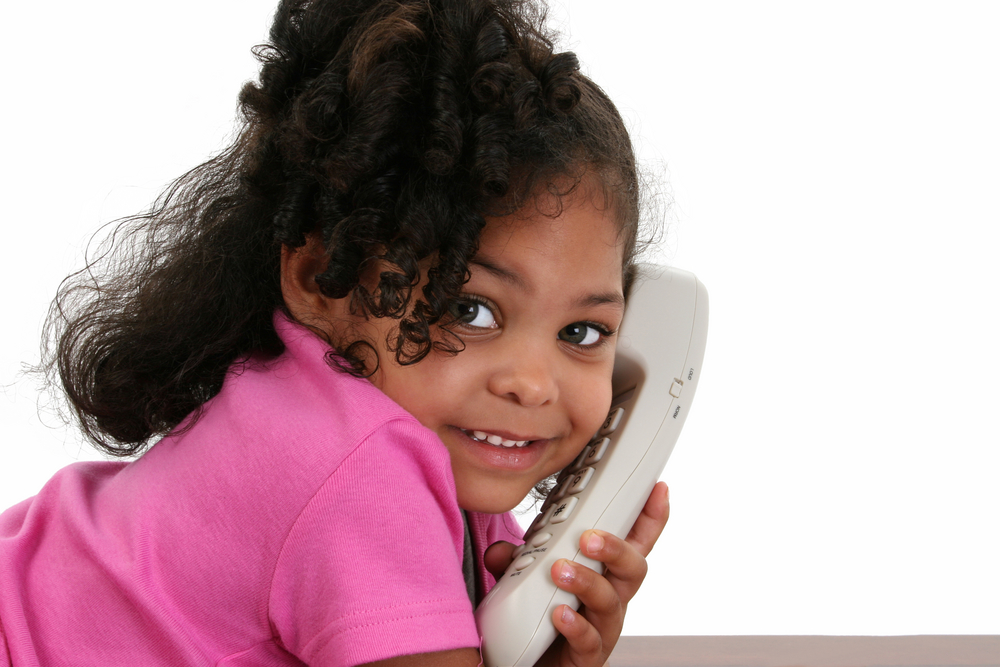


Hand-eye coordination is crucial for children aged 3-9 as it serves as a foundation for many skills necessary for development and learning. This coordination involves the ability to synchronize visual input with motor actions, critical for activities such as writing, drawing, playing sports, and everyday tasks like buttoning a shirt or tying shoelaces.
During these formative years, children are engaged in play and learning experiences that challenge and refine their hand-eye coordination. Strong coordination skills can build confidence, encouraging them to try new activities and explore their environment. Furthermore, related skills, such as fine motor skills, are essential for more advanced academic tasks later on, like using scissors or developing penmanship.
Parents and teachers should care about fostering hand-eye coordination because it directly impacts a child’s ability to thrive in school. Poor coordination can lead to frustration and hinder participation in classroom activities. Engaging in games, sports, and creative activities aimed at enhancing these skills will benefit children's cognitive development and social interactions. Ultimately, prioritizing hand-eye coordination is an investment in a child's holistic growth, setting the stage for successful learning experiences and overall well-being throughout their educational journey.








