Improving categorization skills Normal Worksheets for Ages 3-9
3 filtered results
-
From - To
Welcome to our collection of “Improving Categorization Skills Normal Worksheets” designed for children aged 3-9! These engaging and interactive worksheets aim to enhance young learners' ability to categorize objects, fostering critical thinking and cognitive development. Students will enjoy sorting various items by color, shape, size, and function, which helps build foundational skills in organization and classification. Our user-friendly format allows teachers and parents to easily incorporate these worksheets into daily learning activities. Help your child develop essential categorization skills that will benefit them in school and beyond, all while having fun! Download now to get started!
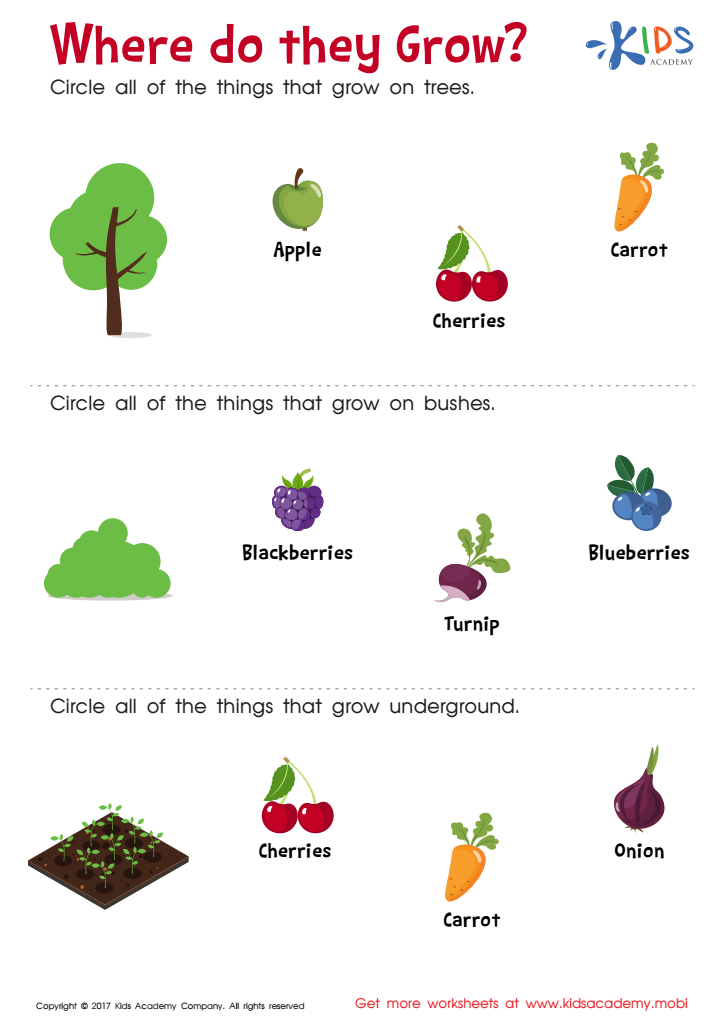
Where Do They Grow Worksheet
 Assign to My Students
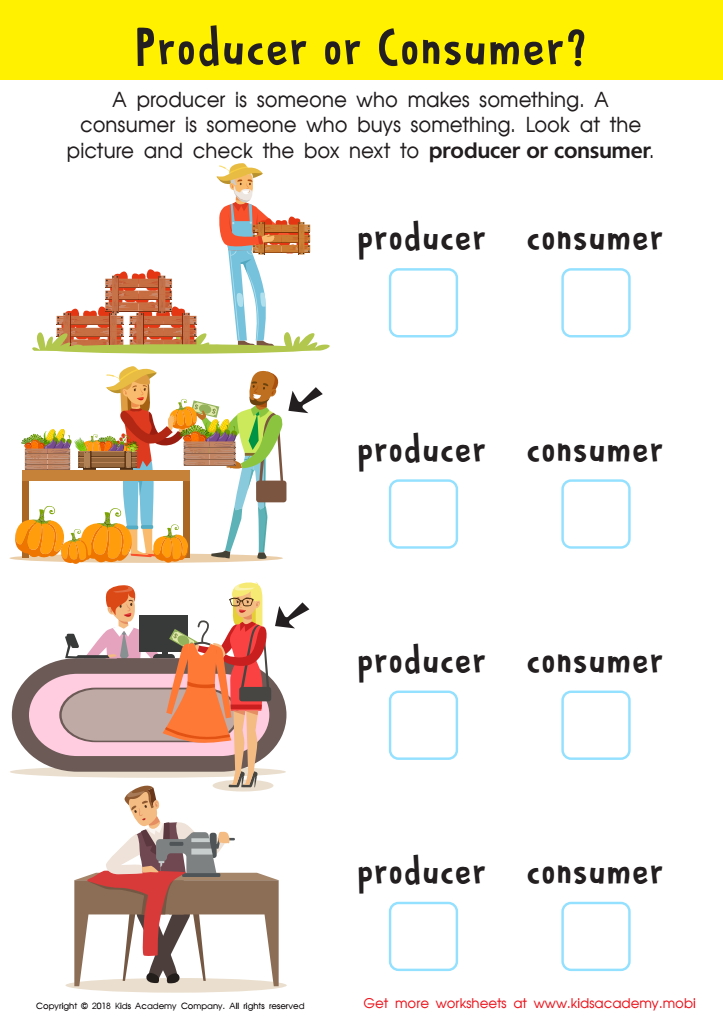
Producer or Consumer? Worksheet
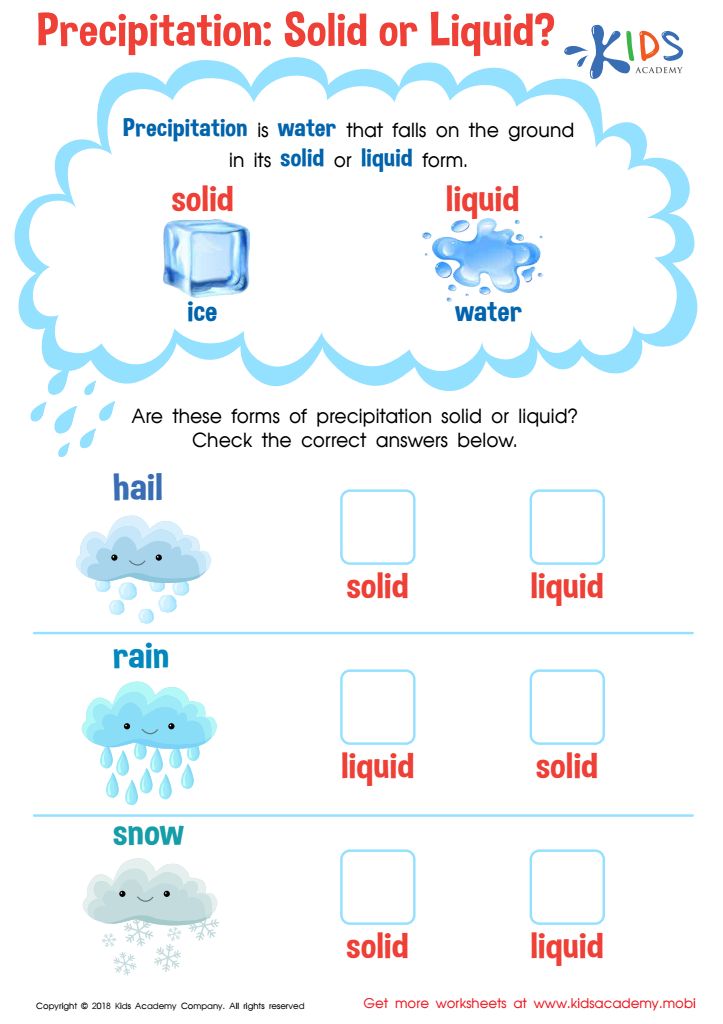
Precipitation: Solid or Liquid? Worksheet







Improving categorization skills in children aged 3-9 is crucial for their overall cognitive development and future learning. Categorization is the ability to group objects, ideas, or experiences based on shared characteristics, which is foundational for critical thinking and problem-solving. When children learn to categorize, they enhance their understanding of the world around them, making sense of complex information and forming connections between concepts.
For parents and teachers, fostering these skills supports academic success; children proficient in categorizing are better at recognizing patterns, which is essential for subjects like math and science. Furthermore, good categorization abilities can influence language development. As children group objects and ideas, they expand their vocabulary and comprehension skills.
Socially, these skills are significant as well. Children learn to classify emotions or behaviors, developing empathy and social awareness. Improved categorization helps children navigate social situations and build relationships.
In conclusion, prioritizing the enhancement of categorization skills empowers children to think critically, achieve academically, and thrive socially. By aiding children in this aspect, parents and teachers lay a strong foundation for lifelong learning and adaptability.








