Knowledge application Normal Worksheets for Ages 3-9
6 filtered results
-
From - To
Explore our exceptional collection of "Knowledge Application Normal Worksheets" for children aged 3-9. Designed to stimulate young minds, these worksheets offer engaging exercises that blend learning with fun. Perfect for reinforcing skills in math, reading, science, and more, each activity encourages critical thinking and practical application of knowledge. Our worksheets cater to various learning styles, ensuring that every child benefits. Easily downloadable and printable, they're ideal for parents, teachers, and caregivers striving to enhance children's educational experience at home or school. Embark on a journey of discovery and knowledge application with Kids Academy!
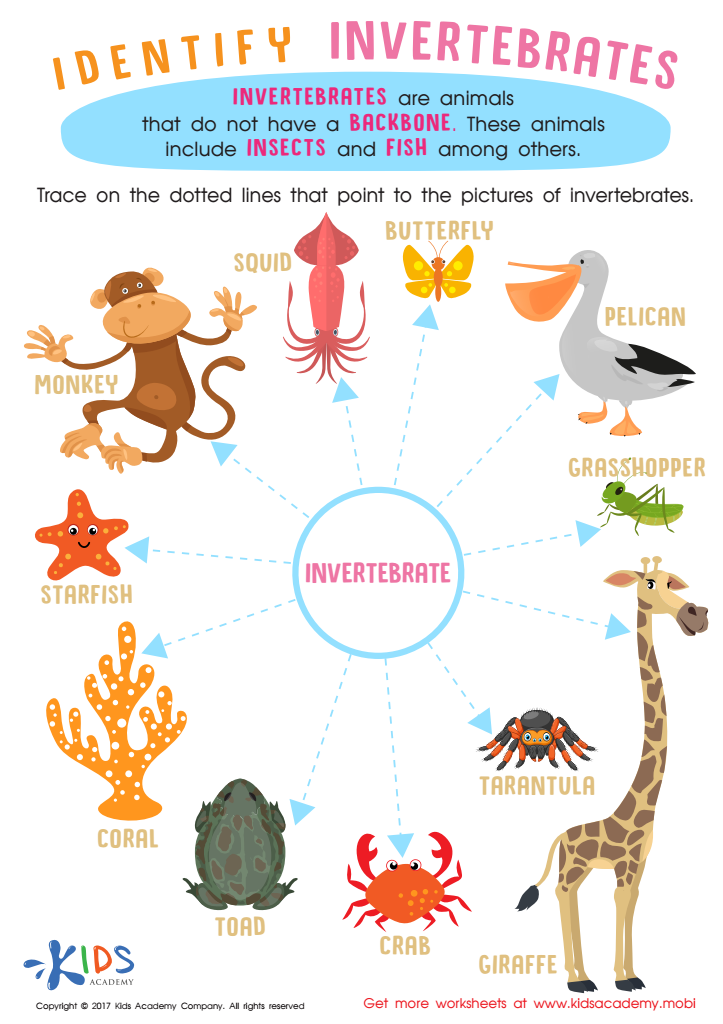
Invertebrates Worksheet for Grade 3
 Assign to My Students
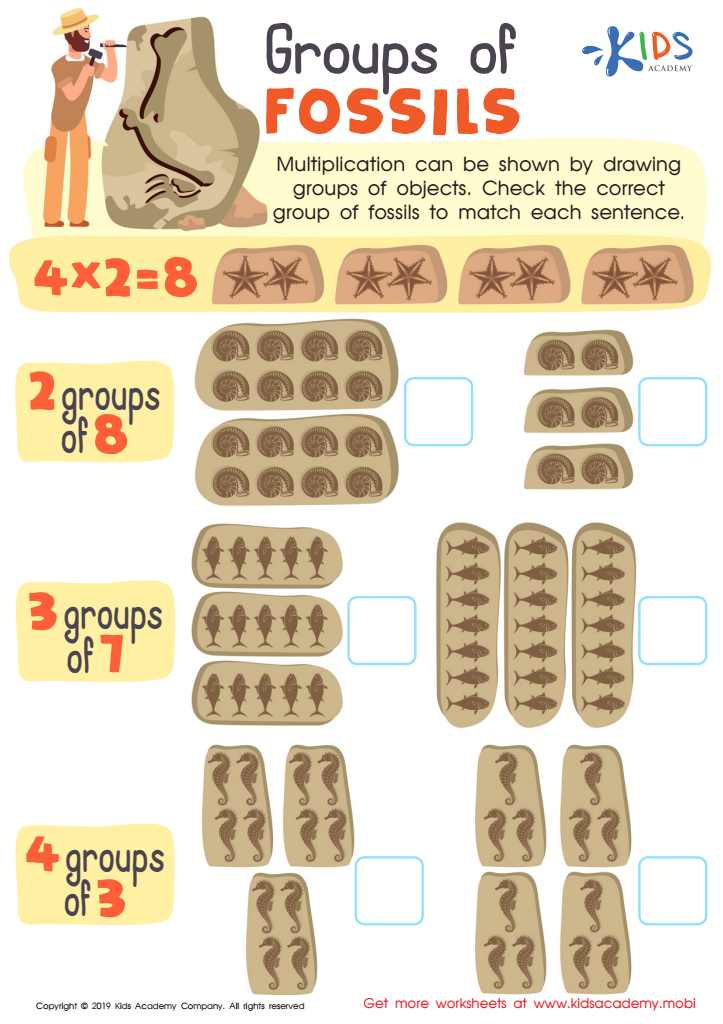
Groups of Fossils Worksheet
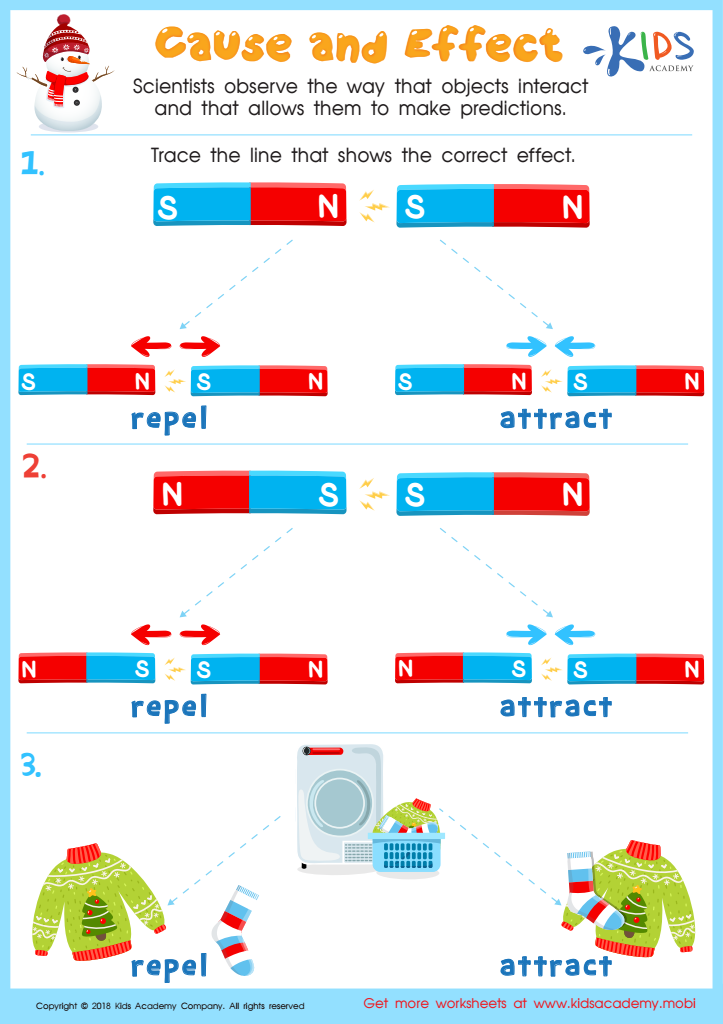
Repel and Attract Magnet Worksheet
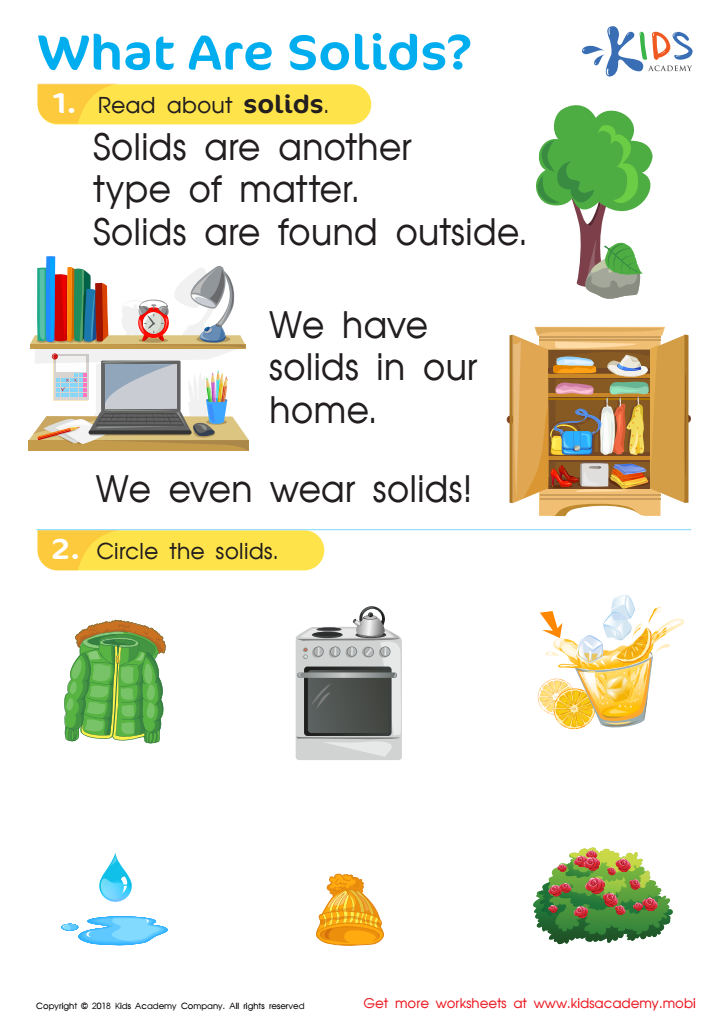
What Are Solids? Worksheet
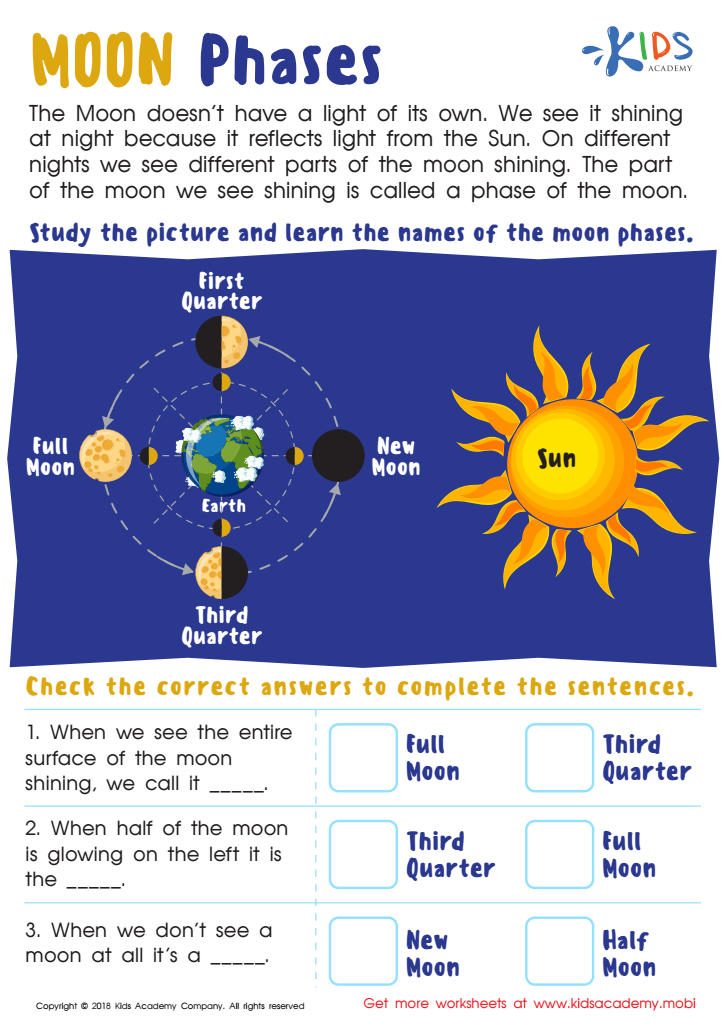
Moon Phases Worksheet
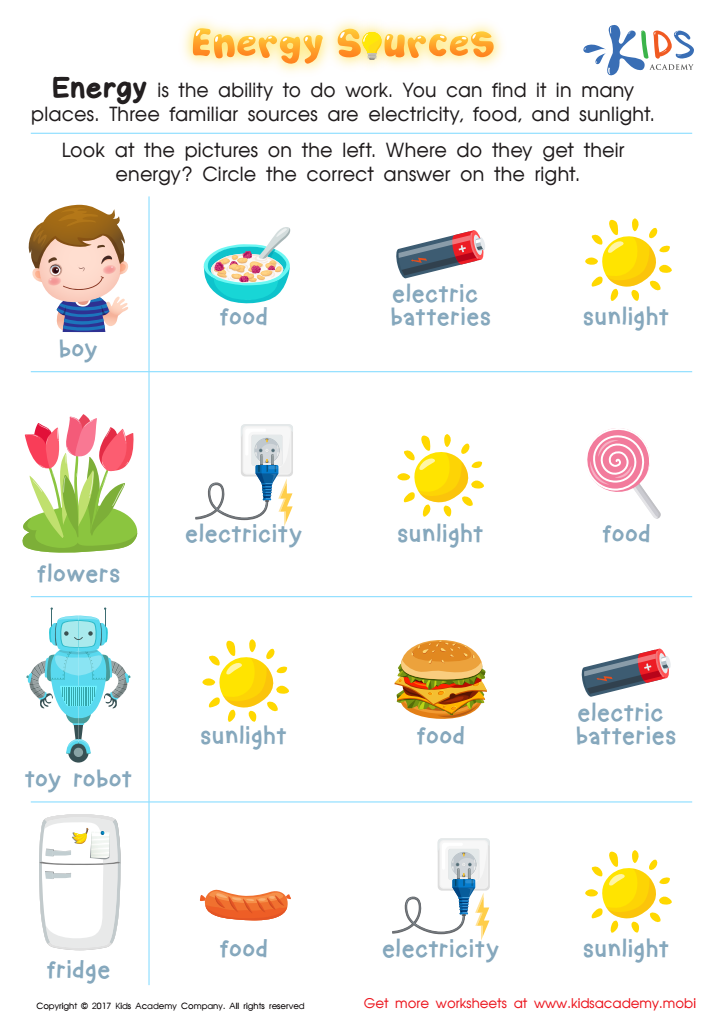
Energy Sources Printable








Understanding and caring about the application of knowledge in children ages 3-9 is crucial for both parents and teachers because it fosters a love for learning and promotes long-term educational success. At this foundational stage, children’s brains are rapidly developing and highly receptive to new information. Knowledge application helps them make connections between what they learn in the classroom and their everyday experiences.
For parents, encouraging their child to apply knowledge practically can turn routine activities into rich learning opportunities. For instance, involving a child in cooking can offer lessons in math, science, and healthy nutrition. This intentionality shows children that learning isn't confined to textbooks but is a continuous, exciting process.
Teachers, on the other hand, play a pivotal role in structuring environments where learned concepts can be explored and manipulated. Using hands-on activities and real-world problem-solving tasks in the classroom strengthens comprehension and retention. Such approaches cultivate critical thinking, creativity, and confidence, setting a strong foundation for future academic endeavors.
When parents and teachers prioritize the application of knowledge, they essentially teach children to think, question, and understand the world around them—skills that are vastly important for personal growth and academic achievement. Through nurturing a young child's ability to apply what they learn, adults equip them with tools to become enthusiastic and capable lifelong learners.








