Letter Tracing Practice Normal Worksheets for Ages 3-9
6 filtered results
-
From - To
Welcome to our Letter Tracing Practice worksheets designed specifically for children ages 3-9! Our engaging and interactive normal worksheets provide a fun way for young learners to develop their handwriting skills and familiarize themselves with the alphabet. Each worksheet features clear, traceable letters, helping kids improve their motor skills and boost their confidence in writing. Perfect for home or classroom use, these worksheets support early literacy and are aligned with educational standards. Encourage your child's love for learning as they trace, recognize, and master each letter. Download today and watch their writing skills flourish!
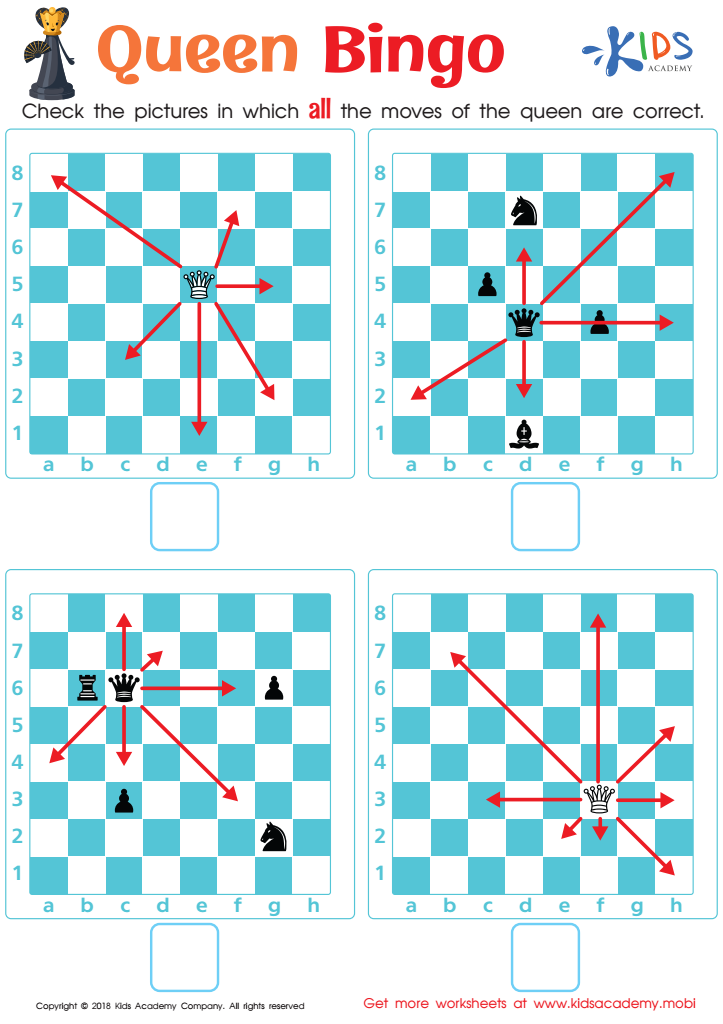
Queen Bingo Worksheet
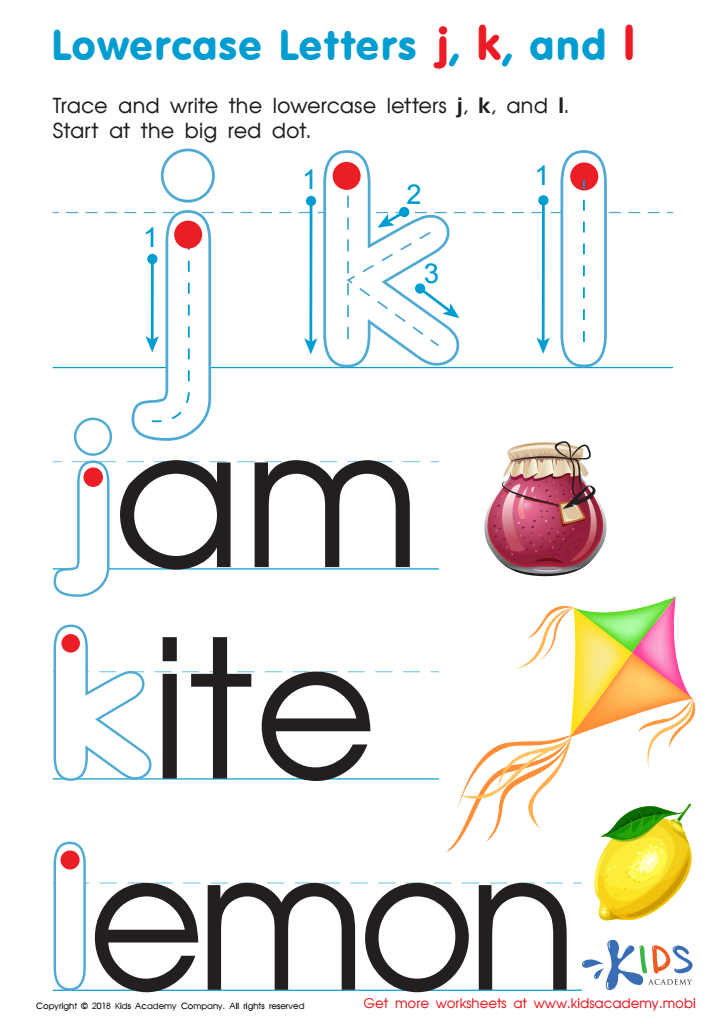
Lowercase Letters j k l Worksheet
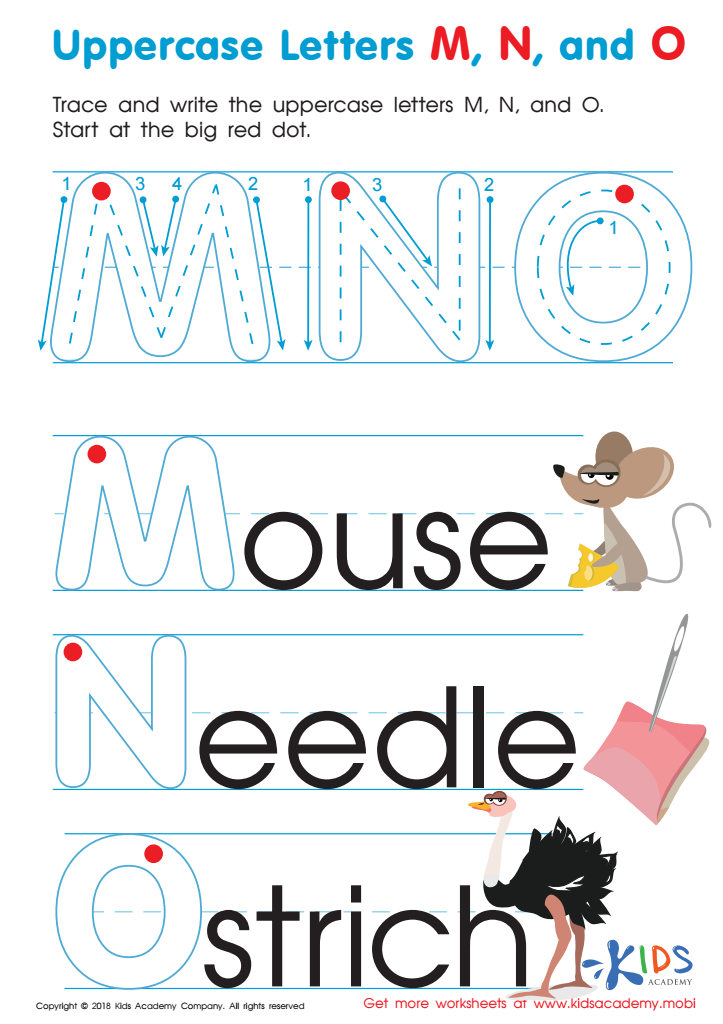
Uppercase Letters M, N, and O Worksheet
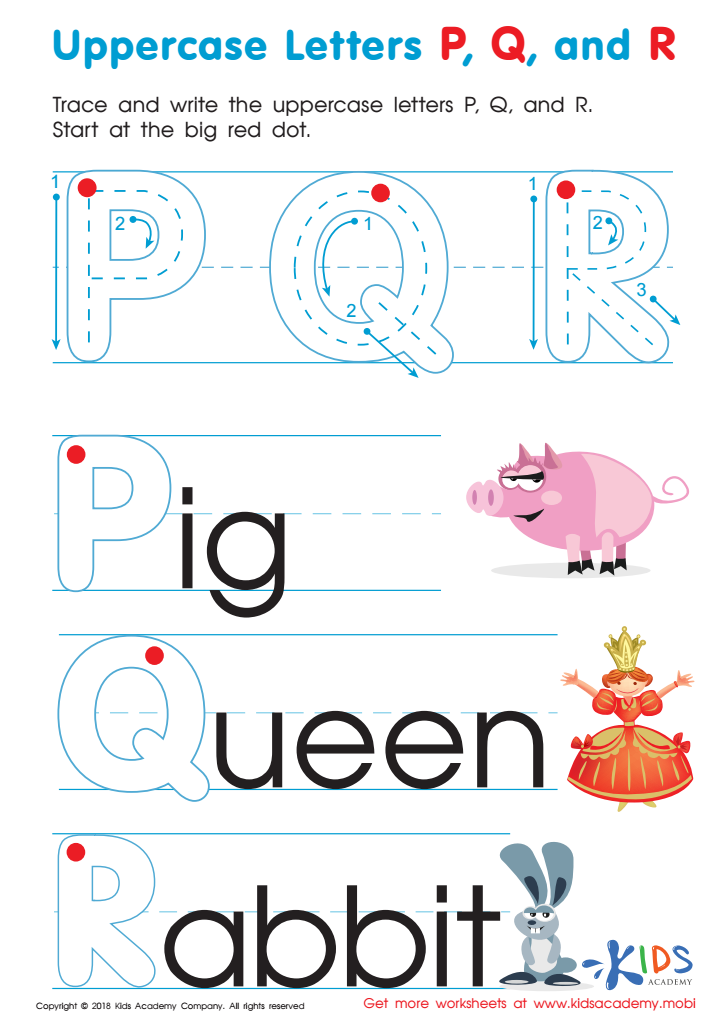
Uppercase Letters P, Q, and R Worksheet
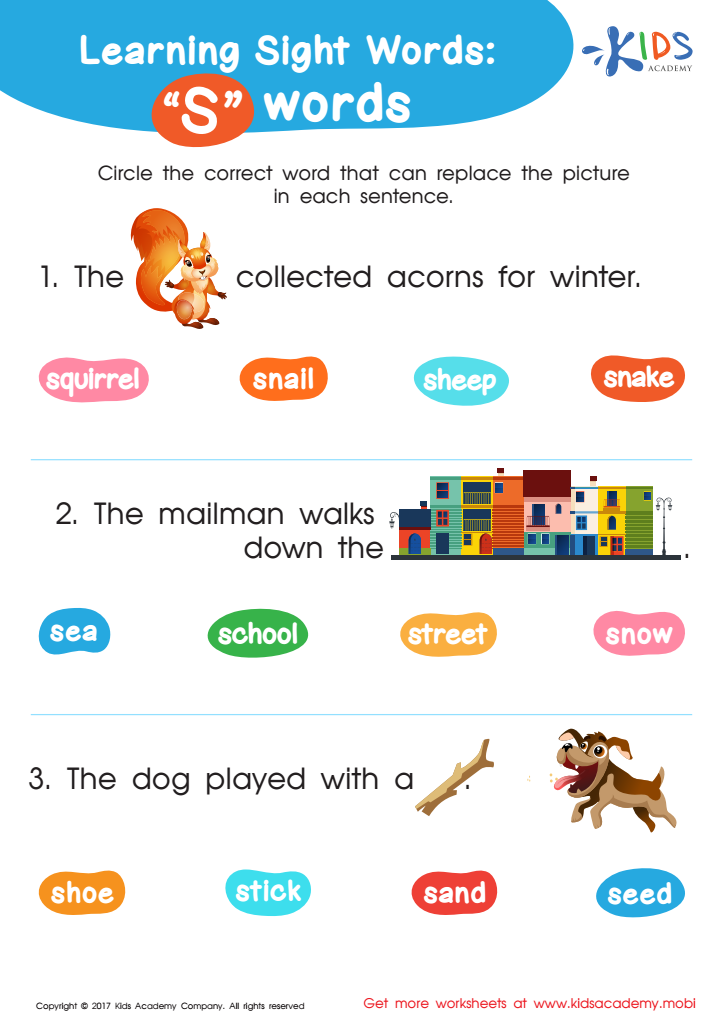
S Words Sight Words Worksheet
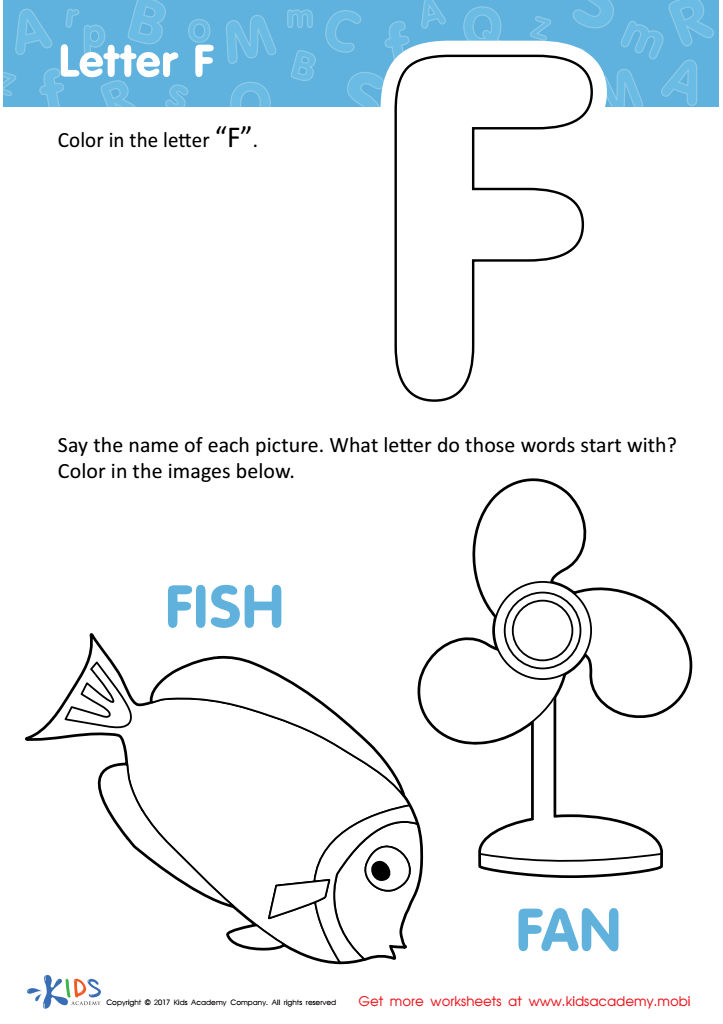
Letter F Coloring Sheet
 Assign to My Students








Letter tracing practice is an essential developmental activity for children aged 3-9, as it significantly enhances their literacy skills and fine motor development. For parents and teachers, promoting letter tracing is vital for several reasons.
Firstly, tracing letters helps reinforce letter recognition and phonemic awareness, foundational skills necessary for reading and writing. The tactile experience of tracing warm-up exercises activates multiple senses, facilitating better memory retention.
Moreover, this type of practice aids in developing fine motor skills and hand-eye coordination. Children learn the correct formation of letters, which is crucial for clear handwriting. As they trace, they also begin to understand the concepts of directionality and spatial awareness.
Additionally, letter tracing can foster independence and confidence. As children master letter formation, they gain a sense of achievement that bolsters their willingness to practice further.
Parents can easily implement tracing activities at home with simple materials like worksheets or writing in sand. Teachers can integrate it into classroom practices, making learning hands-on and engaging. Ultimately, supporting letter tracing practice is crucial for laying a strong foundation for children's literacy and cognitive development, enabling them to thrive academically.








