Recognizing Patterns Normal Worksheets for Ages 3-9
6 filtered results
-
From - To
Discover the ideal educational resources to stimulate young minds with our "Recognizing Patterns" worksheets, specially designed for kids aged 3-9. These fun, engaging printables enhance critical learning skills by helping children identify and predict recurring sequences. Packed with vibrant illustrations and varied exercises, these worksheets promote cognitive development and sharpen problem-solving abilities. Our expertly crafted patterns range from simple to complex, catering to each child's unique learning pace. Teachers and parents trust our materials to foster a love for learning while laying a strong foundation for future academic success. Explore today and watch your child's confidence soar!
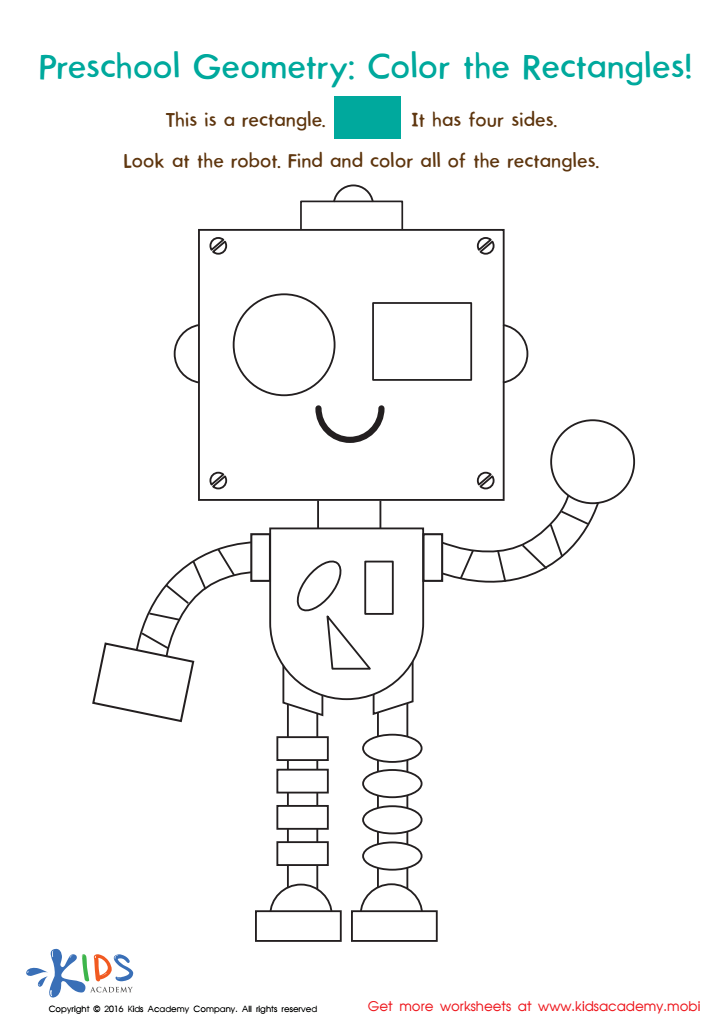
Geometry Worksheet
 Assign to My Students
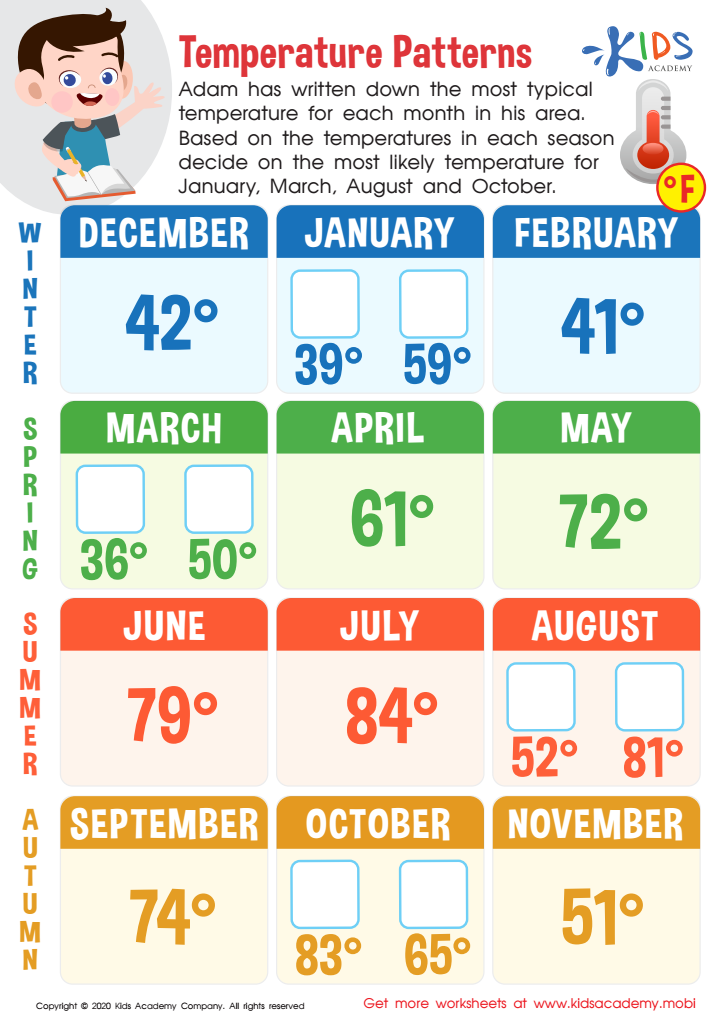
Temperature Patterns Worksheet
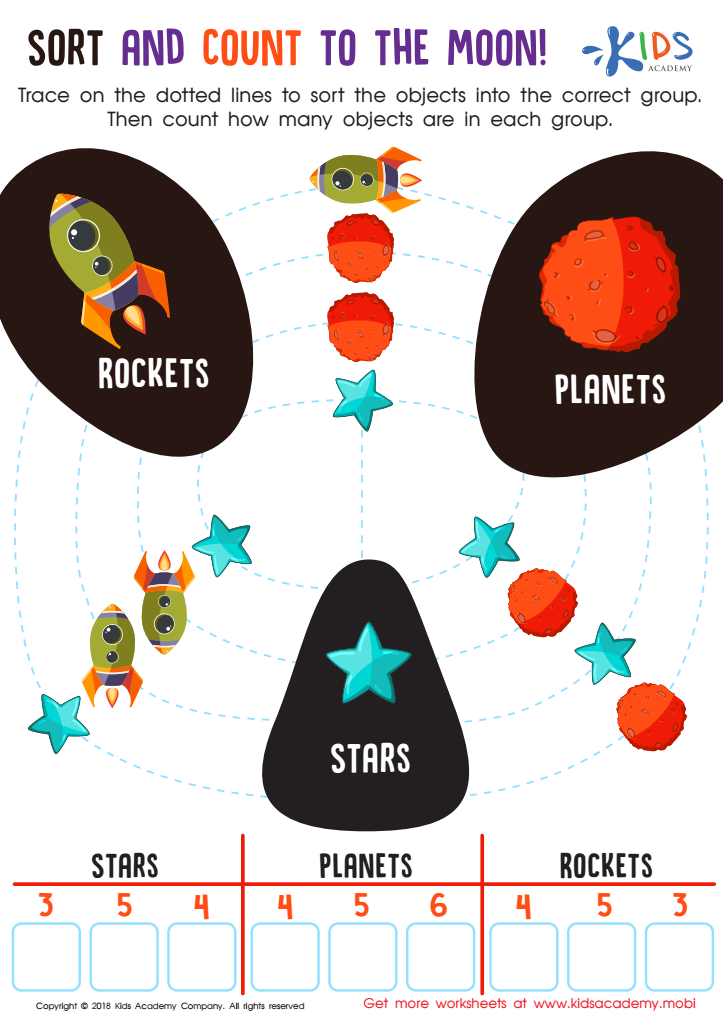
Sort and Count to the Moon Worksheet
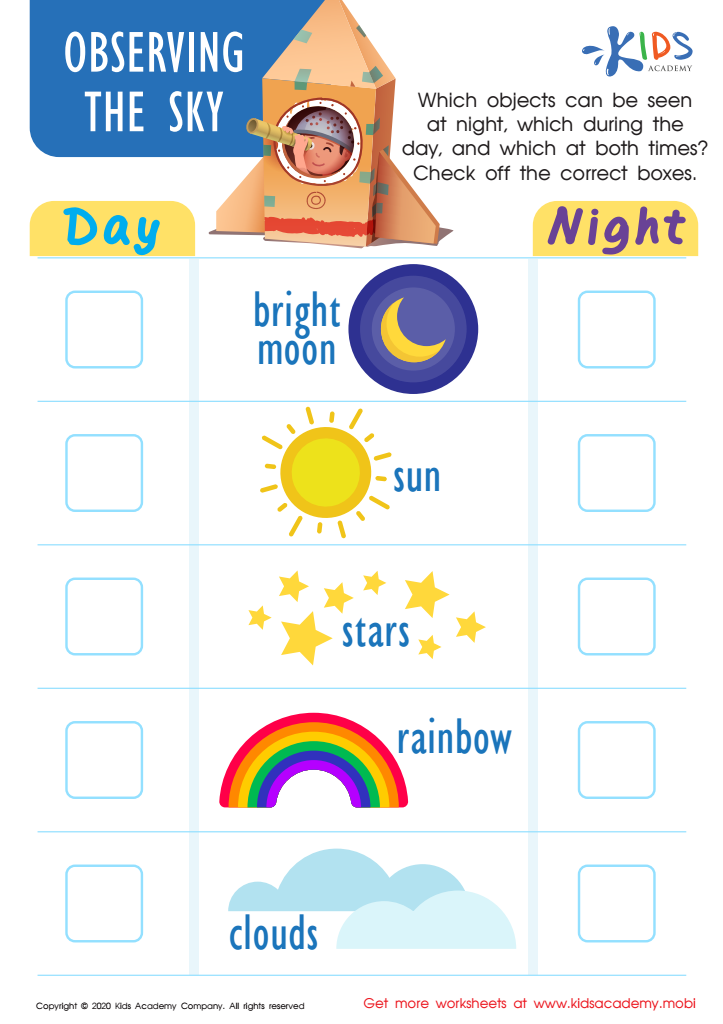
Observing the Sky Worksheet
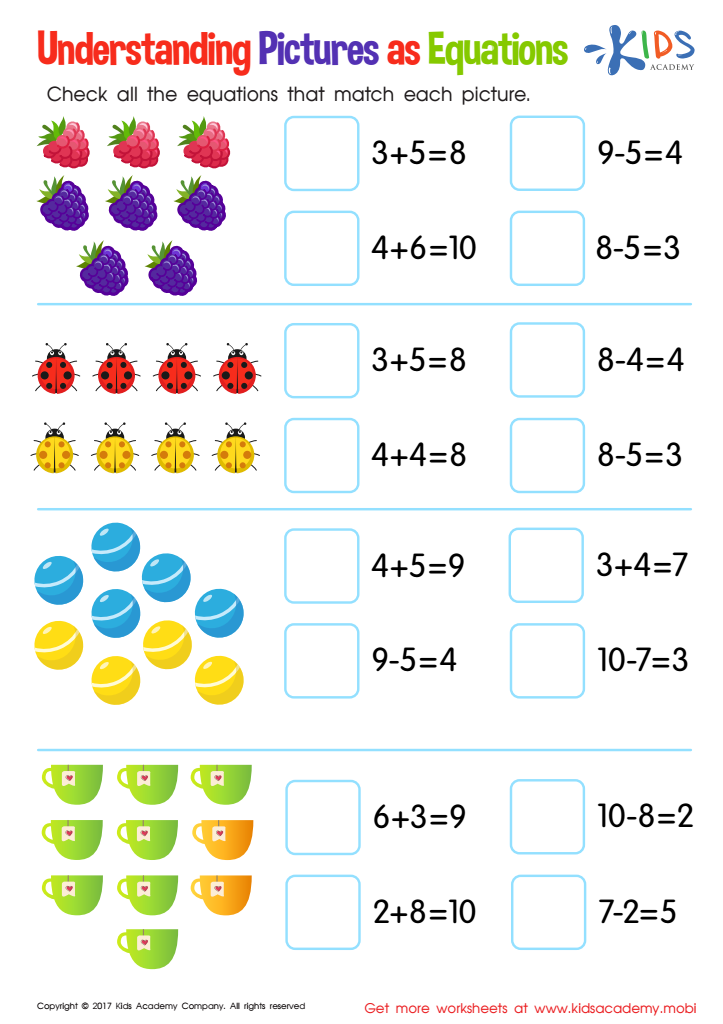
Understanding Pictures as Equations Worksheet
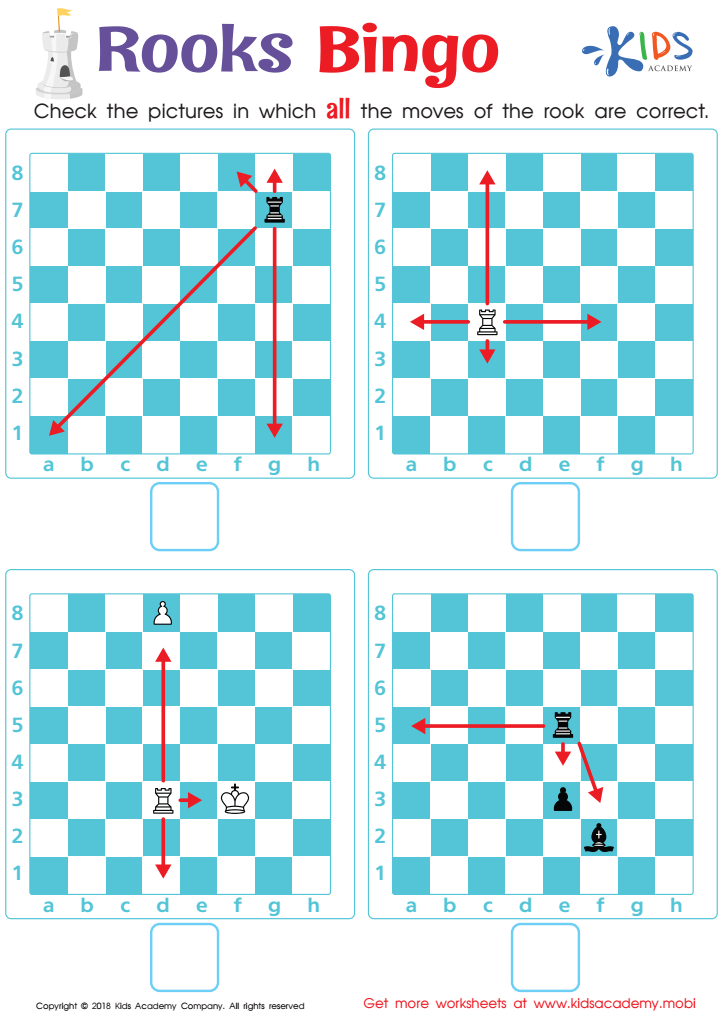
Rooks Bingo Worksheet








Recognizing patterns is fundamental to early childhood development and is critical for parents and teachers to understand and encourage in children aged 3-9. At this stage, children are developing their cognitive abilities, and being able to identify and understand patterns is a key part of this growth. Patterns lay the foundation for mathematical concepts such as sequencing, counting, and problem-solving. For instance, recognizing that certain shapes or colors repeat in a sequence helps children understand basic arithmetic and geometry.
Beyond mathematics, pattern recognition aids in literacy skills. Recognizing word patterns and phonetic rhythms in language helps children decode new words, enhancing their reading and spelling abilities. Understanding patterns also influences logical thinking and reasoning skills, teaching children to predict outcomes and make sense of the world around them.
Social and emotional development are also bolstered through pattern recognition. Consistent routines and behavioral patterns provide a sense of security and predictability, helping children feel more stable and confident. Therefore, caregivers and educators should engage children in activities that cultivate pattern recognition. This could range from simple games and puzzles to rhythmic stories and predictable routines. Such practices ultimately promote holistic development and prepare children for more complex learning tasks in their future educational journey.








