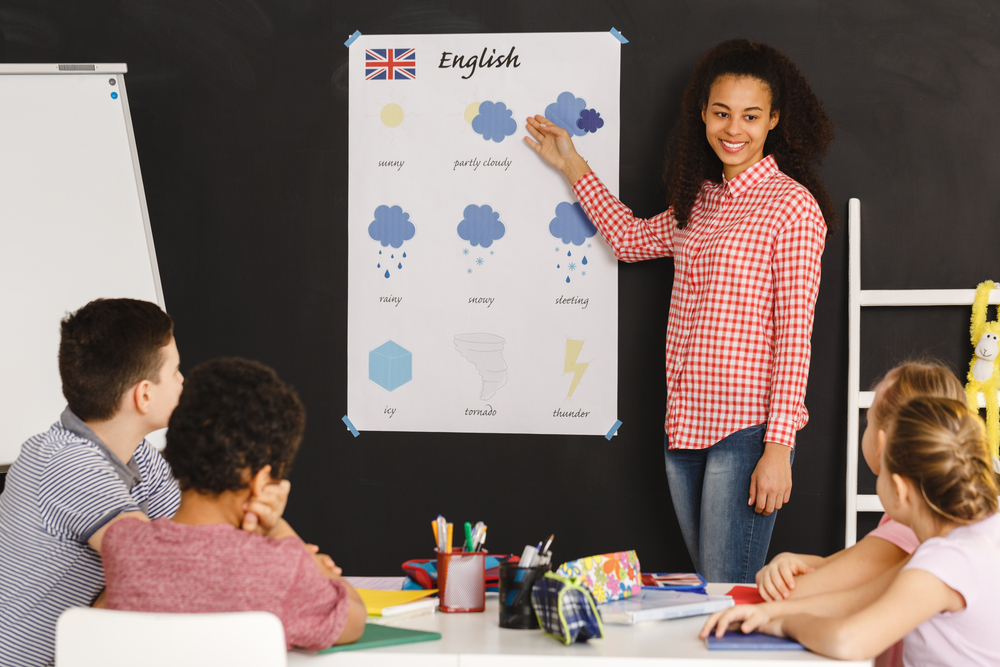
Welcome to our "Understanding Sequences Normal Worksheets" designed for children aged 3-9! These engaging and interactive worksheets help young learners develop essential sequencing skills through fun activities. By recognizing patterns and organizing events, children improve their cognitive abilities and critical thinking. Our worksheets include colorful illustrations and playful exercises that captivate young minds, making learning enjoyable. Parents and educators can easily access and print these resources, promoting independent practice at home or in the classroom. Unlock your child's potential and foster essential skills needed for their academic journey with our thoughtfully crafted understanding sequences worksheets today!

Check out this FREE "Understanding Sequences" Trial Lesson for age 3-9!

Count Forward Starting From Any Number

Favorites
With answer key
Interactive
  • 3-9
  • Understanding Sequences
  • Normal
Sequence Word Eagle Worksheet

Sequence Word Eagle Worksheet

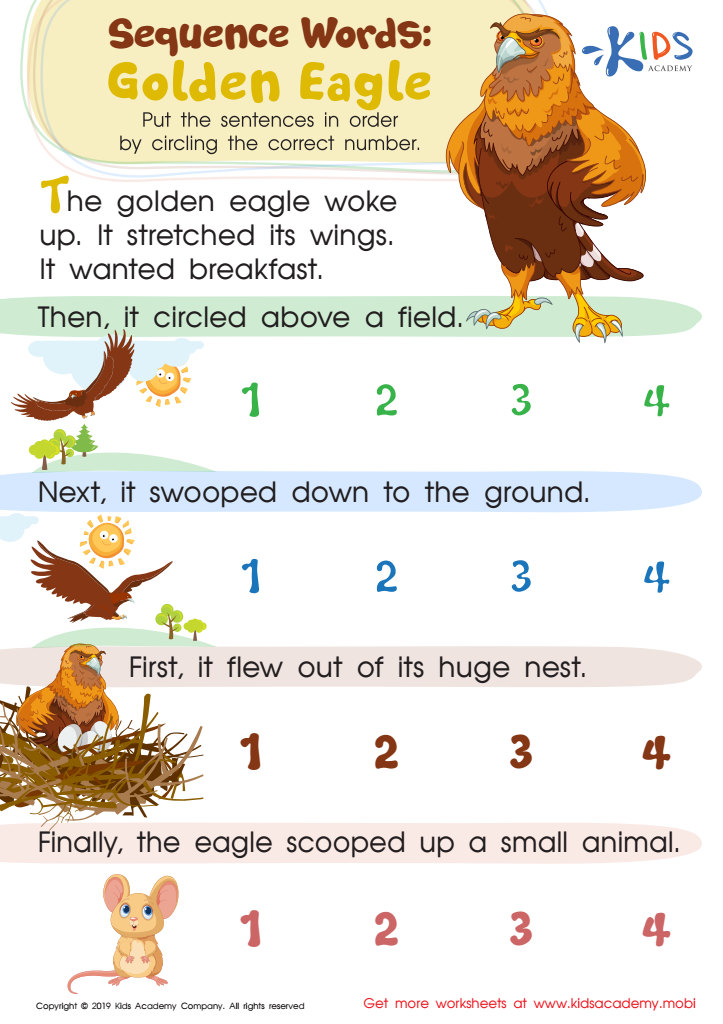
Help your child brush up on reading and writing with this fun worksheet. Read the story of the golden eagle's day, then have the child circle the numbers in the right order. Point out the sequence words that tell the order of events. This helps learners understand how to make their writing clear and understandable to others.
Sequence Word Eagle Worksheet
Worksheet
Food Pattern Fun Worksheet

Food Pattern Fun Worksheet

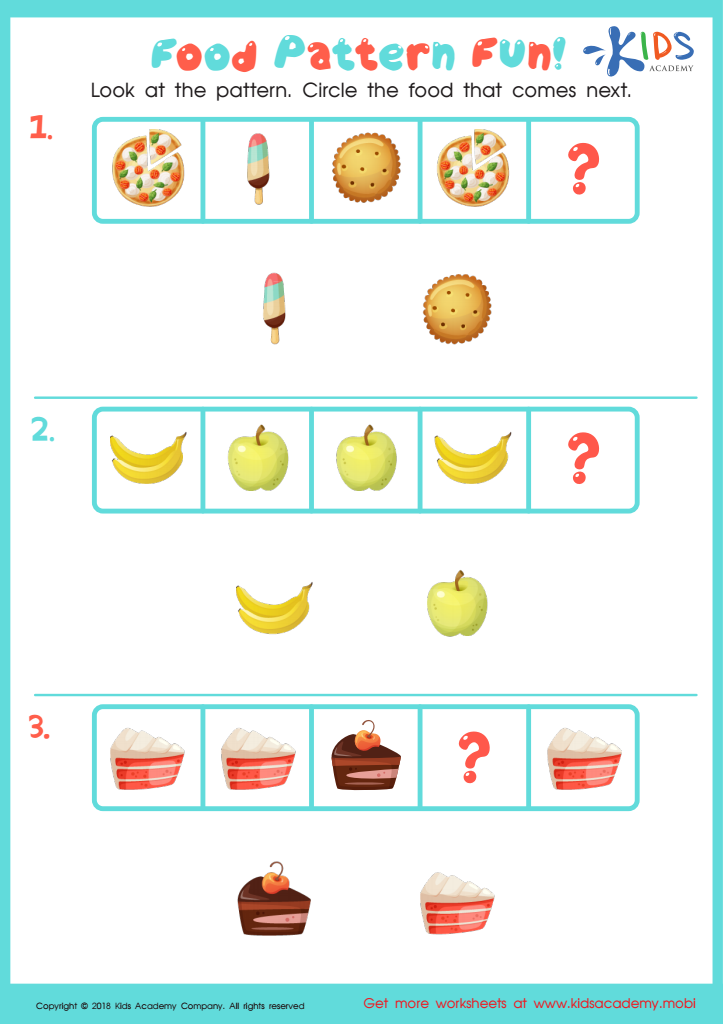
Got kids who love snacks? Get them excited with this fun food pattern worksheet! Ask them to identify the foods in the printout then spot the pattern and circle the next food in each row. It's a great way to get them thinking and have fun at the same time!
Food Pattern Fun Worksheet
Worksheet
Peter Pan Worksheet Preview

Peter Pan Worksheet

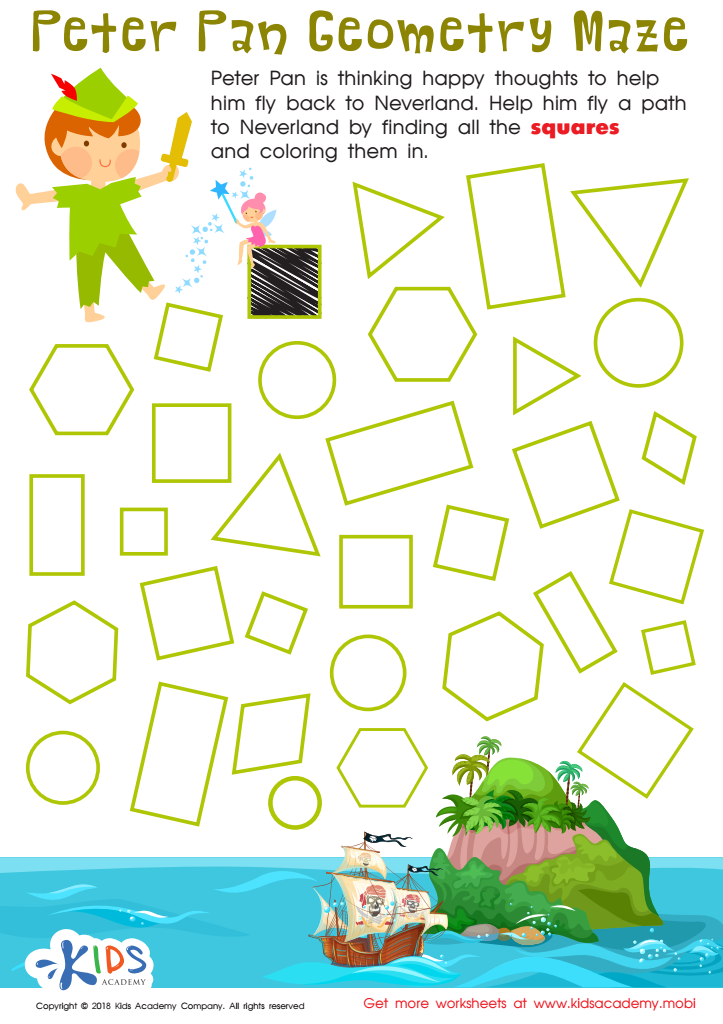
Kindergarteners can join Peter Pan on an adventure to Neverland! They can help him by coloring squares to create a path, strengthening their shape identification skills in a fun maze. Let the journey begin!
Peter Pan Worksheet
Worksheet
Tommys Test Worksheet

Tommys Test Worksheet

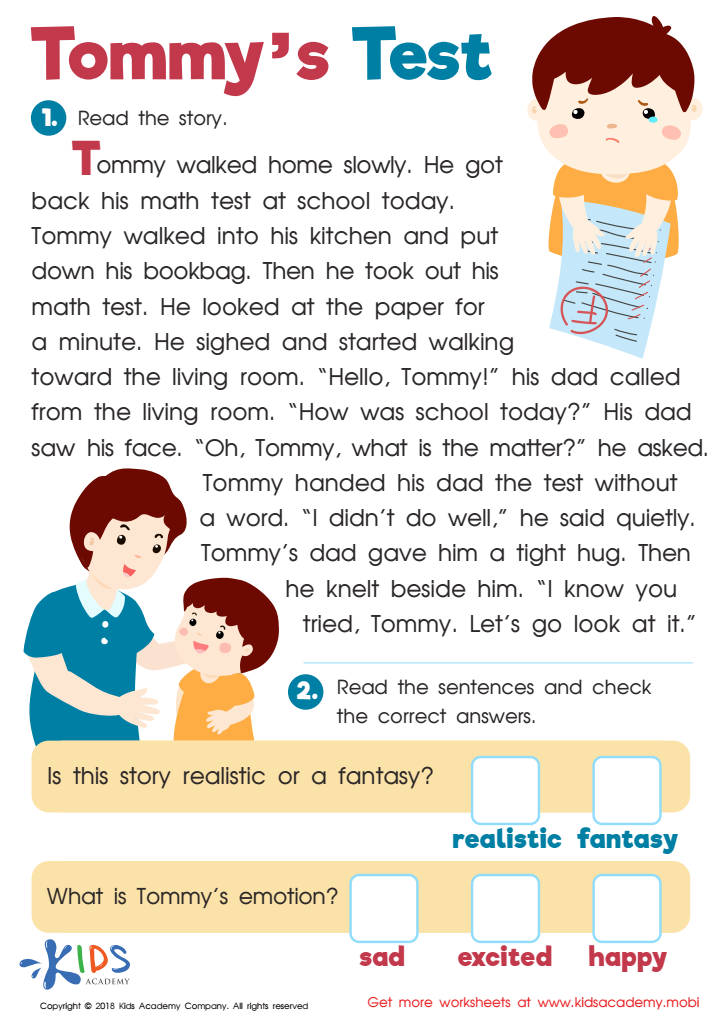
Reading short stories to your students builds a bond, teaches new words and lessons. Read the story aloud and then have them listen for details. Ask them the questions at the bottom and help them check the answers.
Tommys Test Worksheet
Worksheet
Tracing Winter Words : Snowman

Snowman Tracing Winter Words Worksheet
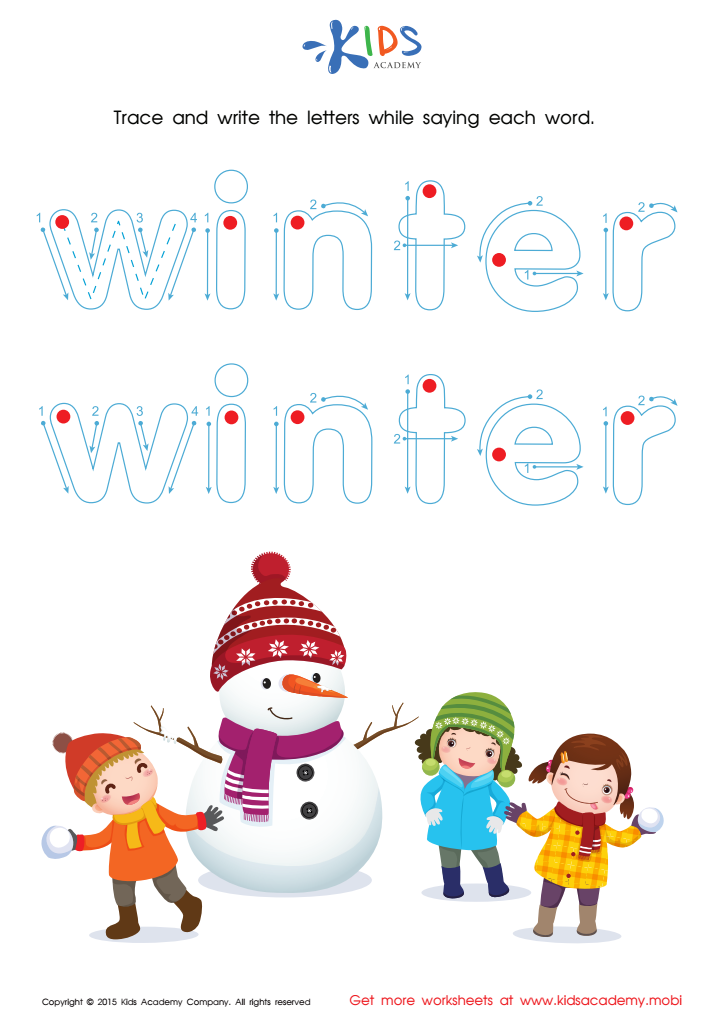
This free winter printable teaches handwriting and spelling with the word "snowman". It's a fun way to get your kid ready for Christmas cheer! Want more tracing worksheets? Check out here.
Snowman Tracing Winter Words Worksheet
Worksheet
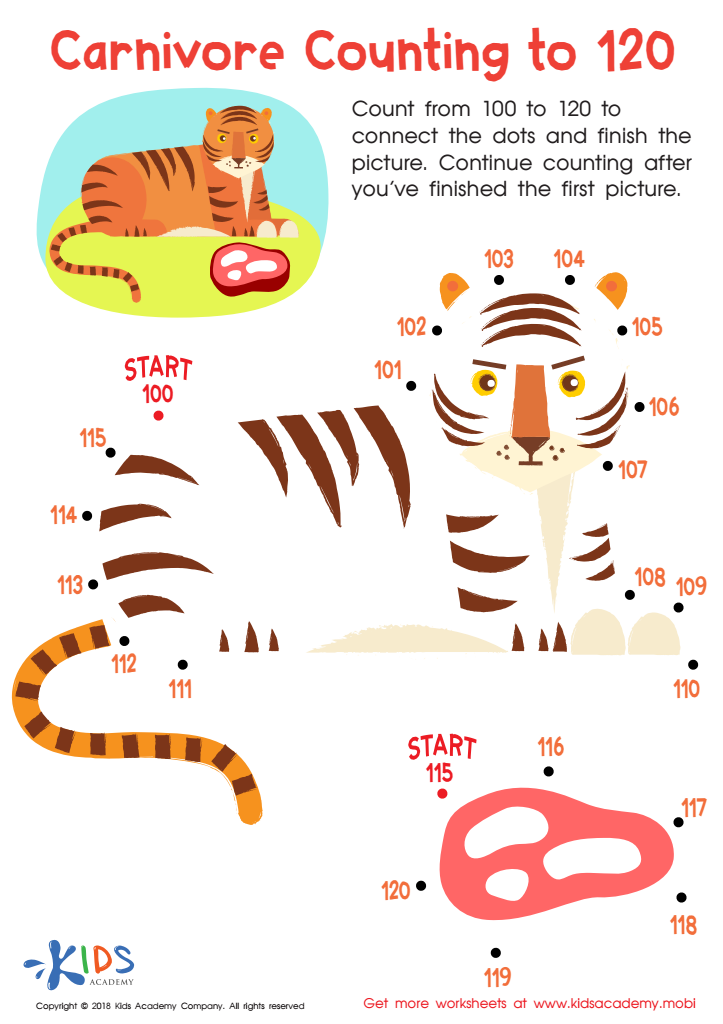
Carnivore Counting to 120 Worksheet

Carnivore Counting to 120 Worksheet

Ask your child to name some popular carnivores. Can they tell you what the animal in the worksheet is? A Tiger? Get them to count from 100 to 120 to connect the dots. After they finish the first picture, keep counting to help them practice!
Carnivore Counting to 120 Worksheet
Worksheet
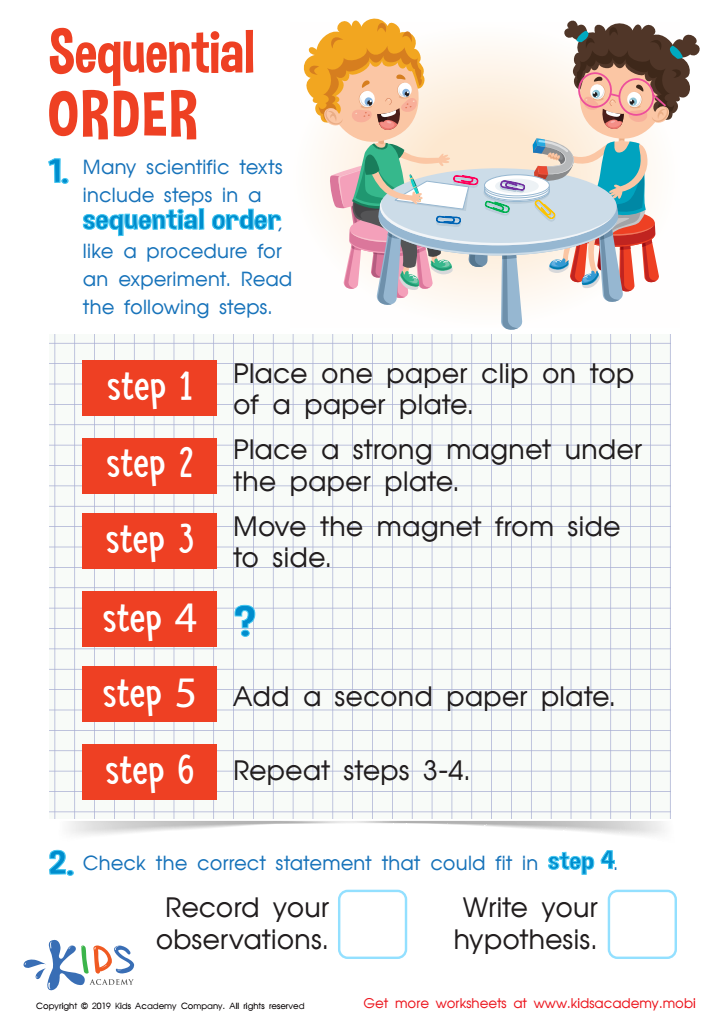
Sequencential Order Worksheet

Sequencential Order Worksheet

This worksheet is perfect for science-lovers: it'll test how good your child is at following instructions by asking them to complete the steps in the right order. Have them read the steps and then choose the statements that correctly fill in the blanks. It's more than just fun experiments and results - science also requires careful procedure.
Sequencential Order Worksheet
Worksheet
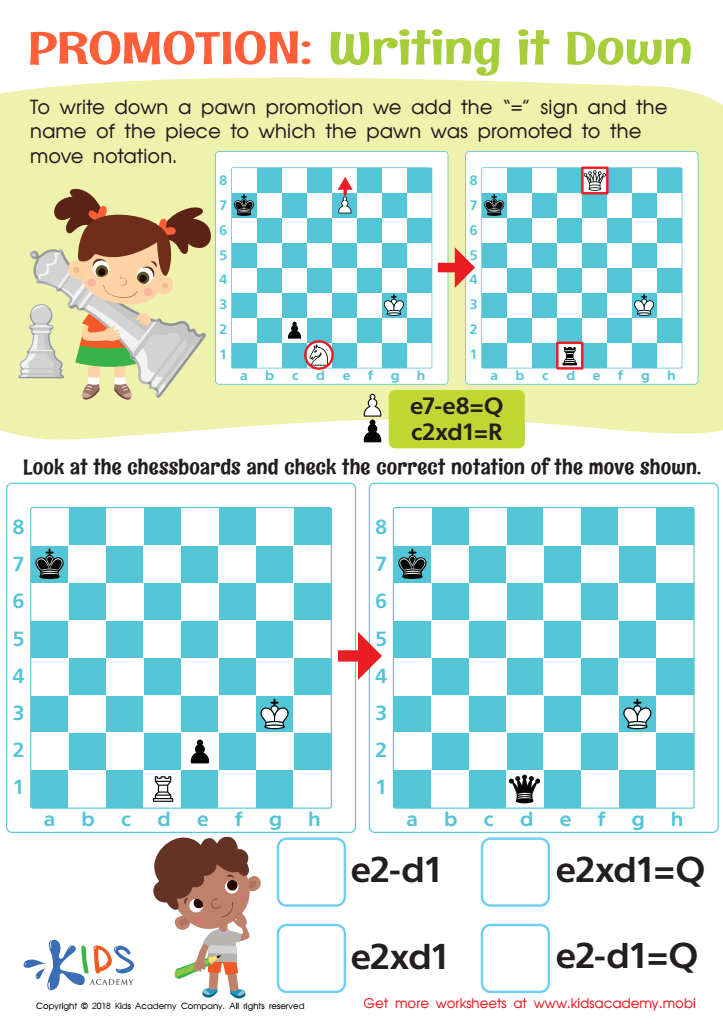
Writing it Down Worksheet

Writing it Down Worksheet

To document pawn promotion, add "=<piece name>" to the move notation. For example: e7-e8=Q. Ask your child to look at the chessboard and take note of the moves. Check the notations are correct. (80 words)
Writing it Down Worksheet
Worksheet
Ten Charts Worksheet

Ten Charts Worksheet

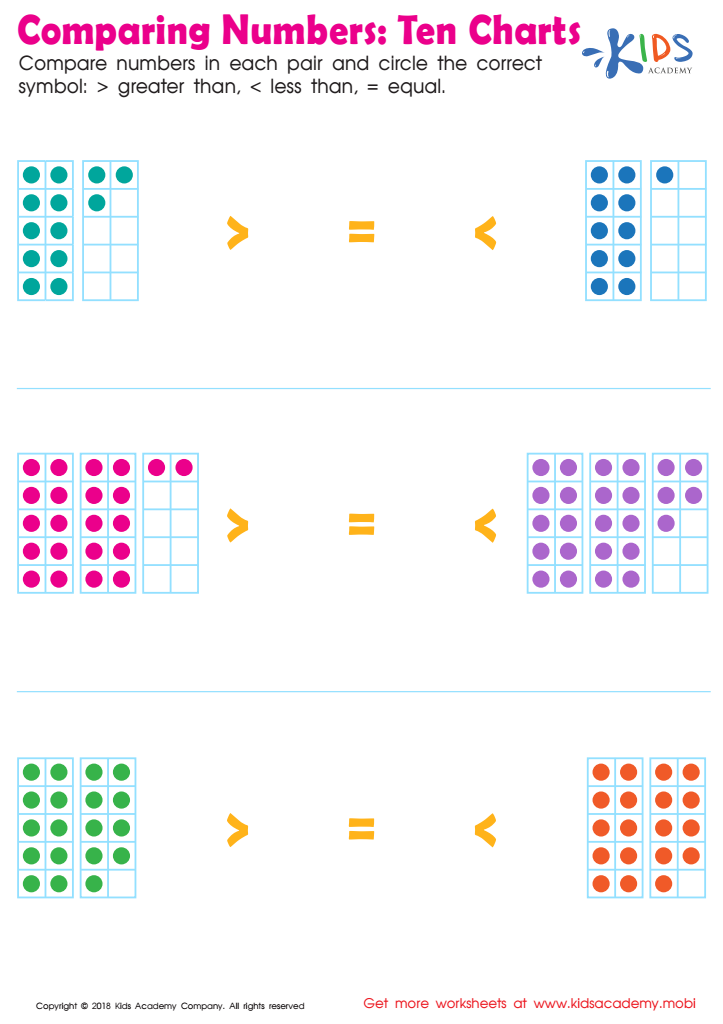
Help your child learn numbers in a creative way using this printable worksheet. They'll learn the difference between numbers, how to add them, and the symbols of "greater than", "less than" and "equals to". They can compare two sides, and identify which is greater, less or equal. Let their maths knowledge bloom!
Ten Charts Worksheet
Worksheet


Understanding sequences is crucial for cognitive development in children aged 3 to 9, making it a key area of focus for parents and teachers. Sequence understanding lays the groundwork for critical thinking and problem-solving skills, as it involves recognizing patterns and predicting outcomes. For young learners, mastering sequences enhances not only their mathematical skills but also their language and literacy development.

For instance, when children learn to identify the order of events in stories or the progression of daily routines, they develop a stronger grasp of cause-and-effect relationships. This skill translates into better reading comprehension and narrative ability. Furthermore, recognizing numbers or shapes in sequences supports foundational math concepts, such as addition and subtraction, which will be necessary later in their education.

Parents and teachers can foster sequential thinking by incorporating activities like storytelling, number patterns, and music into everyday learning. These playful approaches encourage engagement and retention. Additionally, an early understanding of sequences promotes self-regulation and planning skills, crucial for lifelong learning. Prioritizing sequences in early education equips children with the essential tools they need to succeed academically and socially in an increasingly structured world. Thus, prioritizing this area can immensely benefit their overall developmental journey.