Visual learning stimulation Normal Worksheets for Ages 3-9
3 filtered results
-
From - To
Discover our engaging Visual Learning Stimulation Normal Worksheets designed specifically for children ages 3-9. These worksheets are crafted to enhance visual recognition and cognitive skills, providing a fun and interactive way for young learners to explore their surroundings visually. Featuring vibrant illustrations and age-appropriate activities, our resources help to strengthen foundational skills in a playful manner. Perfect for home or classroom use, these worksheets encourage creativity while reinforcing key concepts such as colors, shapes, and patterns. Explore our diverse collection today to support your child's visual learning journey and ignite their passion for discovery!
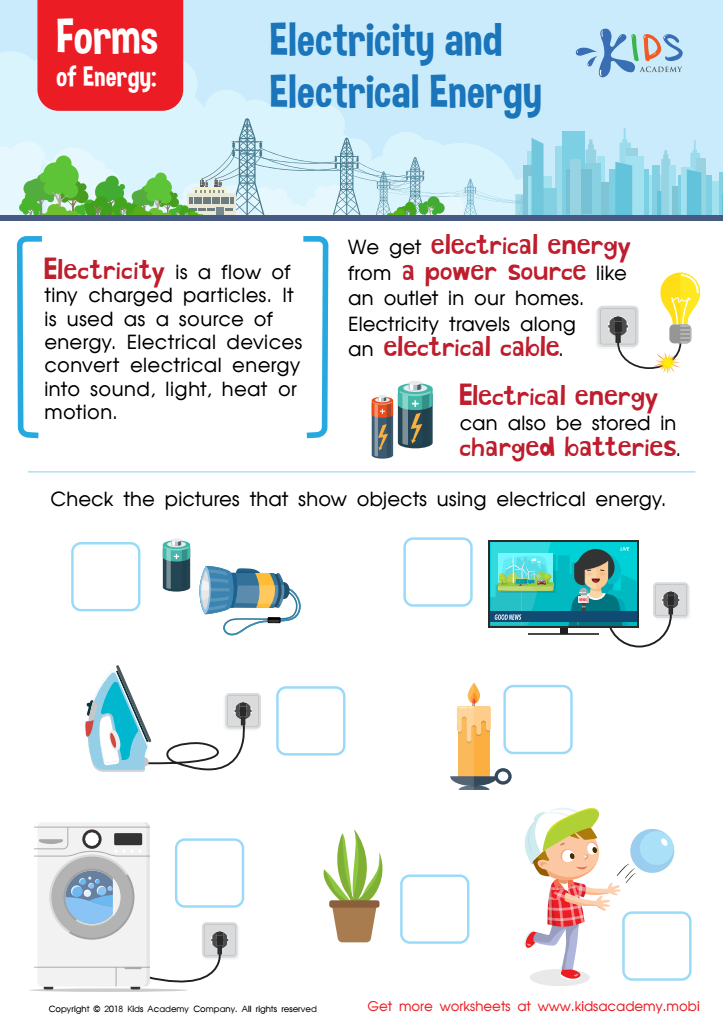
Forms of Energy Worksheet
 Assign to My Students
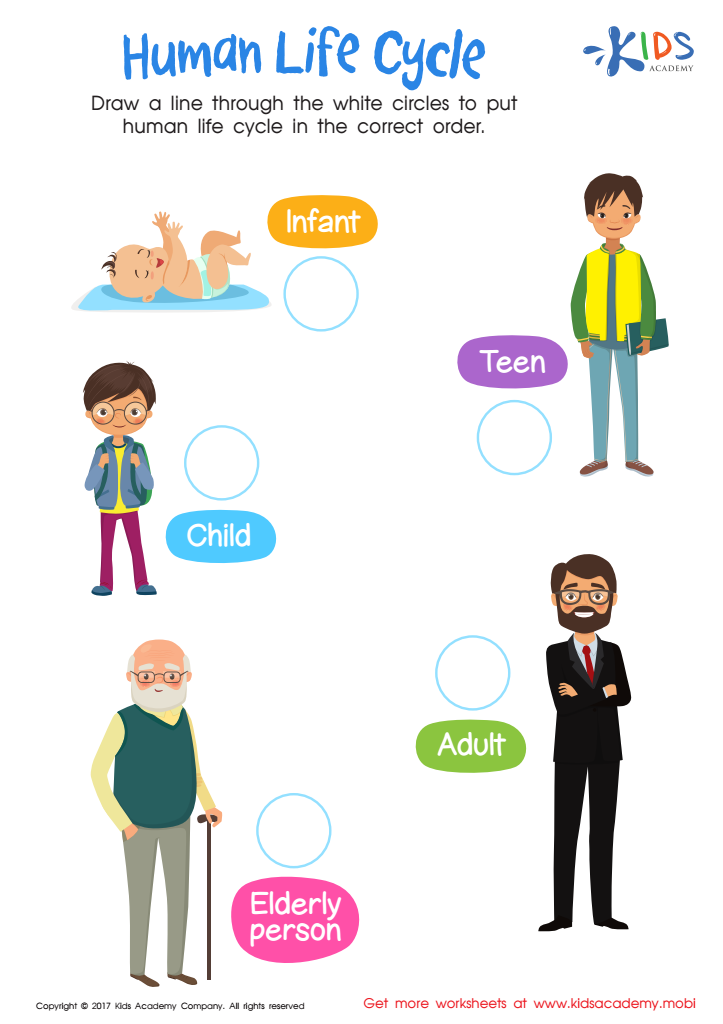
Human Life Cycle Worksheet
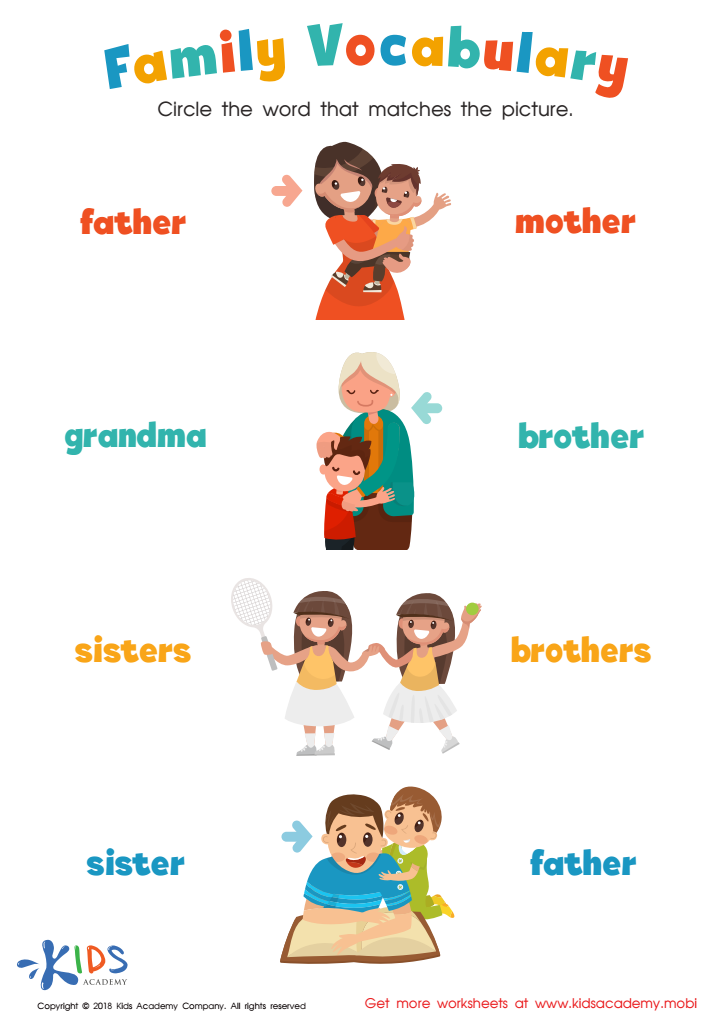
Family Vocabulary Worksheet








Visual learning stimulation is crucial for children ages 3-9 as it significantly impacts their cognitive, social, and emotional development. During these formative years, children absorb information rapidly, and engaging their visual senses can enhance their understanding and retention. When parents and teachers incorporate visual elements—such as colorful illustrations, charts, videos, and hands-on activities—they cater to diverse learning styles, making education more inclusive and effective.
Visual learning also aids children in developing critical thinking and problem-solving skills. By observing patterns, relationships, and connections visually, young learners become adept at organizing information and making sense of new concepts. Furthermore, stimulating visual experiences can ignite creativity and imagination, encouraging children to explore and express themselves.
Moreover, visual aids can alleviate frustration for struggling learners by providing alternative means to comprehend complex ideas. When children grasp concepts visually, they grow more confident and willing to engage in school activities. Lastly, supporting visual learning at home and in the classroom fosters collaboration and communication, allowing children to share and discuss their insights with peers and adults. Thus, ensuring opportunities for visual learning stimulation lays the foundation for lifelong learning and success.








