Subtraction practice Normal Addition and Subtraction Word Problems Worksheets for Ages 3-9
3 filtered results
-
From - To
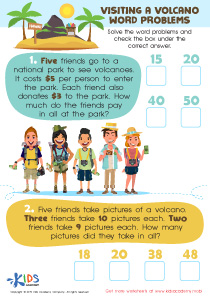
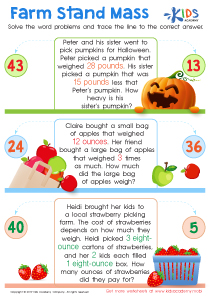
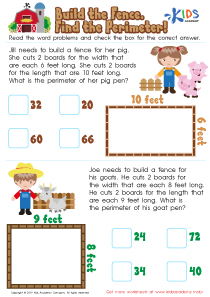
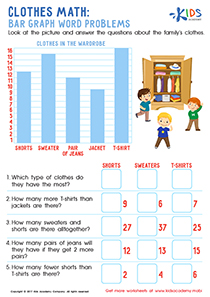
Enhance your child's math skills with our engaging Subtraction Practice worksheets, designed for ages 3-9. These worksheets focus on normal addition and subtraction word problems, promoting comprehension and problem-solving abilities. Tailored to nurture young learners, our interactive activities provide a fun and educational experience that reinforces subtraction concepts in relatable contexts. Children will practice important skills while solving age-appropriate challenges, helping them build confidence and proficiency in math. Perfect for home or classroom use, these worksheets offer valuable resources for parents and teachers aiming to support students' academic growth. Dive into a world of educational fun with our Subtraction Practice worksheets today!
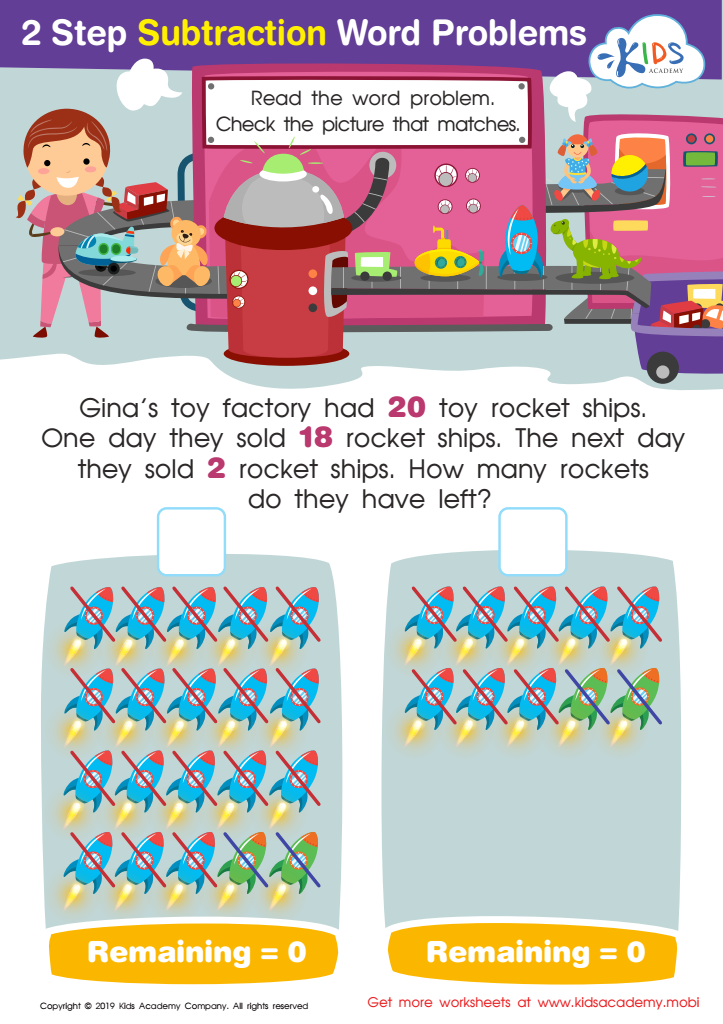
Step Subtraction Word Problems Worksheet
 Assign to My Students
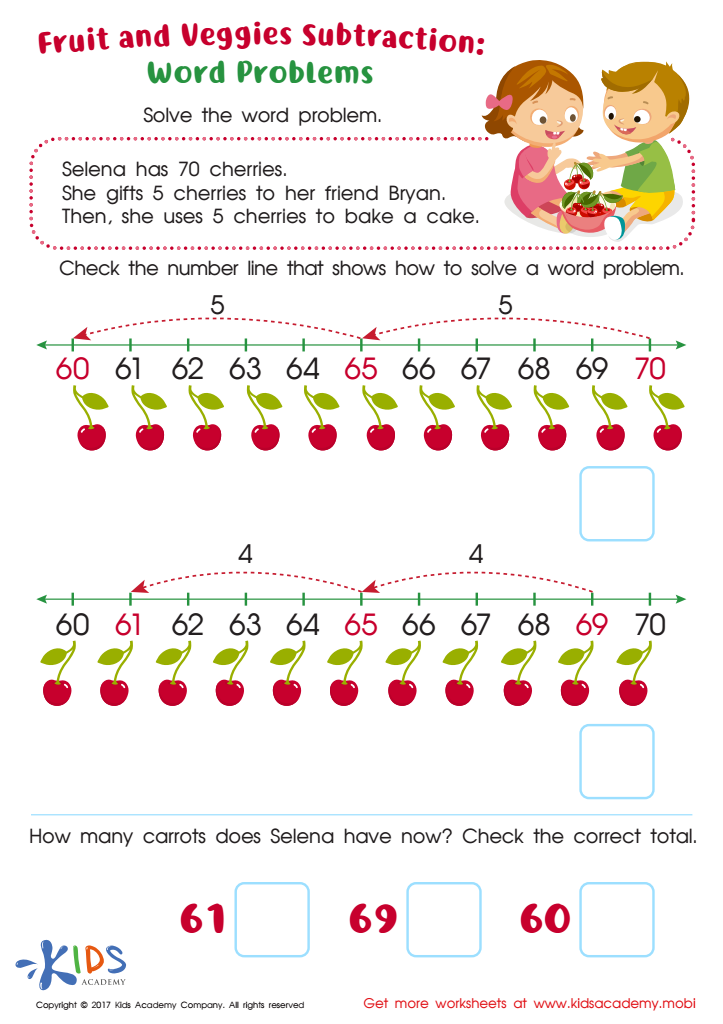
Subtraction Word Problems Free Printable
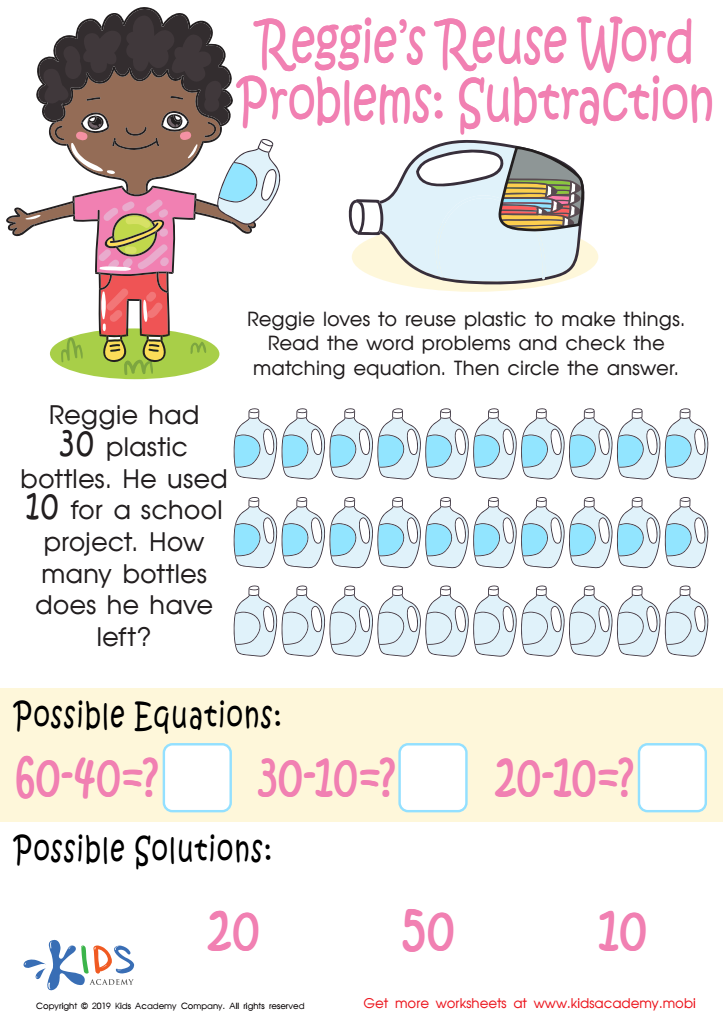
Reggie's Reuse Word Problems: Subtraction Worksheet








Parents and teachers should prioritize subtraction practice and normal addition and subtraction word problems for children aged 3-9, as these skills lay the foundation for mathematical understanding and problem-solving abilities. At this early age, children are naturally curious and eager to learn, making it an ideal time to introduce mathematical concepts. Engaging with subtraction practice helps children develop number sense, enhances their ability to visualize mathematical relationships, and fosters critical thinking.
Word problems effectively translate abstract numbers into relatable real-life scenarios, which promotes comprehension and application of math skills in everyday situations. When children learn to dissect language and translate it into mathematical operations, they strengthen both their cognitive and verbal skills. Furthermore, developing proficiency in subtraction and addition cultivates perseverance, as children learn to tackle challenges and seek solutions.
By integrating subtraction practice and word problems into regular learning activities, parents and teachers can support children's overall growth. Improved mathematical skills are linked to better academic performance throughout their education. Encouraging a positive attitude toward math from an early age nurtures confidence and enthusiasm, setting students up for success in higher-level math and daily life challenges.