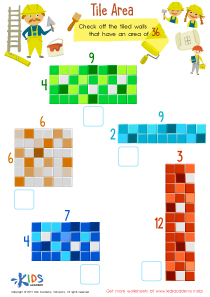
Basic arithmetic practice Normal Numbers Worksheets for Ages 3-9
3 filtered results
-
From - To
Introduce your child to the world of numbers with our Basic Arithmetic Practice Normal Numbers Worksheets, designed for ages 3-9. These engaging and educational printable worksheets help young learners master fundamental arithmetic skills such as counting, addition, and subtraction. Suitable for beginners, each worksheet offers colorful graphics and fun activities to build confidence and improve problem-solving abilities. Perfect for both classroom and at-home learning, our worksheets provide a strong foundation in math that will benefit your child’s future academic success. Visit Kids Academy to unlock your child's numerical potential today!
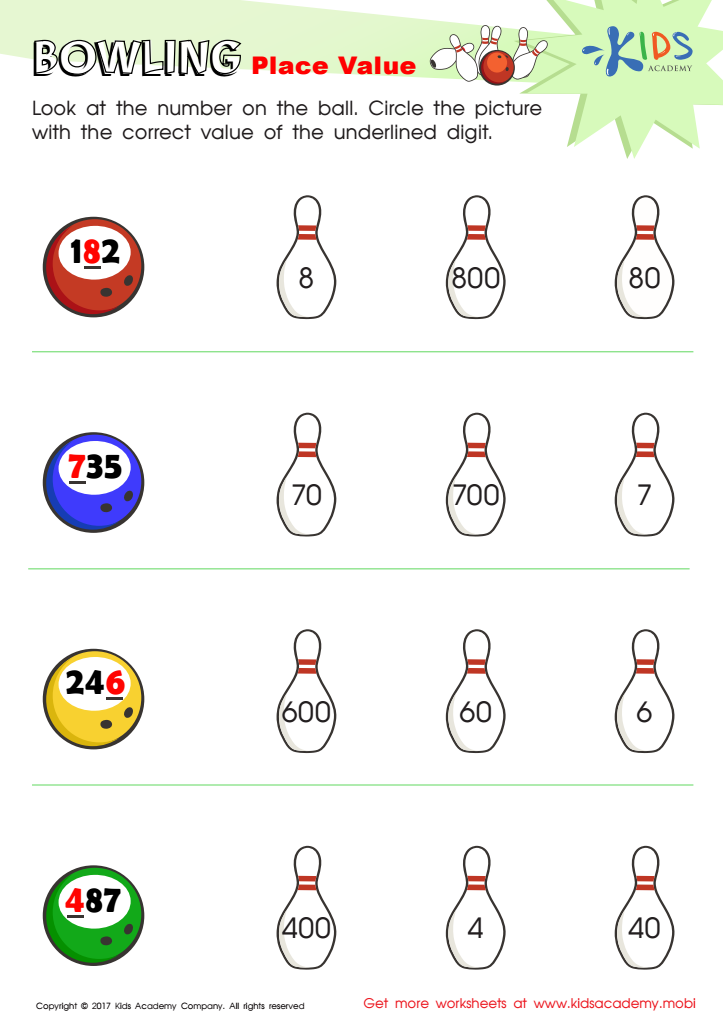
Place Value Worksheet
 Assign to My Students
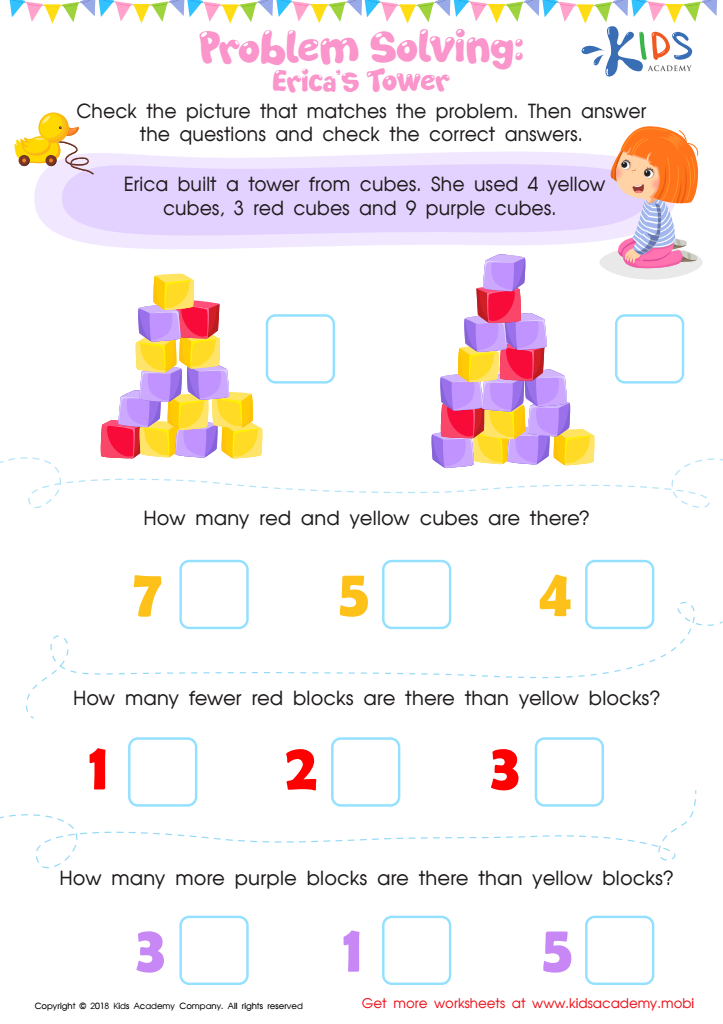
Problem Solving: Erica's Tower Worksheet
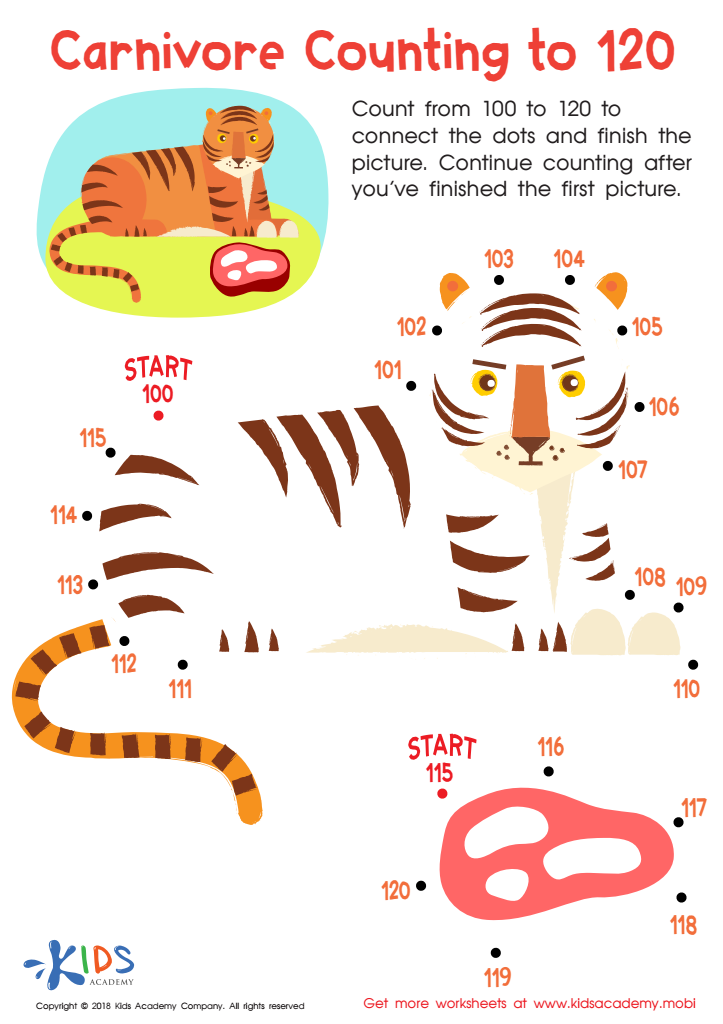
Carnivore Counting to 120 Worksheet




.jpg)



Basic arithmetic practice is fundamental for children aged 3-9 as it lays the groundwork for all future mathematical learning and daily life skills. For parents and teachers, nurturing these early numeracy skills is crucial for several reasons.
Firstly, arithmetic enhances cognitive development. It promotes logical thinking, problem-solving, and the ability to recognize patterns. These skills are not only vital for math but are also applicable across various subjects and everyday challenges.
Secondly, early proficiency in arithmetic builds confidence in young learners. When children grasp basic math concepts early, they are more likely to view themselves as capable learners. This self-assurance is instrumental in fostering a positive attitude toward learning and education overall.
Additionally, basic arithmetic is integral to daily activities such as counting, measuring, and handling money. Proficiency in these skills enables children to navigate everyday tasks more efficiently and independently.
Lastly, early math skills are strong predictors of later academic success. Research indicates that children who are adept in arithmetic early on tend to perform better in school and are more likely to excel in STEM (Science, Technology, Engineering, and Mathematics) fields.
Therefore, emphasizing arithmetic practice from ages 3-9 equips children with essential tools for intellectual growth, practical life skills, and future educational achievements.