Enhancing math skills Normal Numbers Worksheets for Ages 3-9
5 filtered results
-
From - To
Explore our "Enhancing Math Skills Normal Numbers Worksheets" designed for children ages 3 to 9! These engaging, interactive worksheets help young learners master essential number recognition, counting, and basic arithmetic skills through fun activities. Tailored to various developmental stages, our resources promote hands-on learning, ensuring your child builds a solid math foundation. With colorful visuals and age-appropriate challenges, these worksheets make math exciting and accessible. Help your child boost their confidence and proficiency in math while nurturing a lifelong love for learning. Dive into our extensive collection today and watch your child thrive in their math journey!
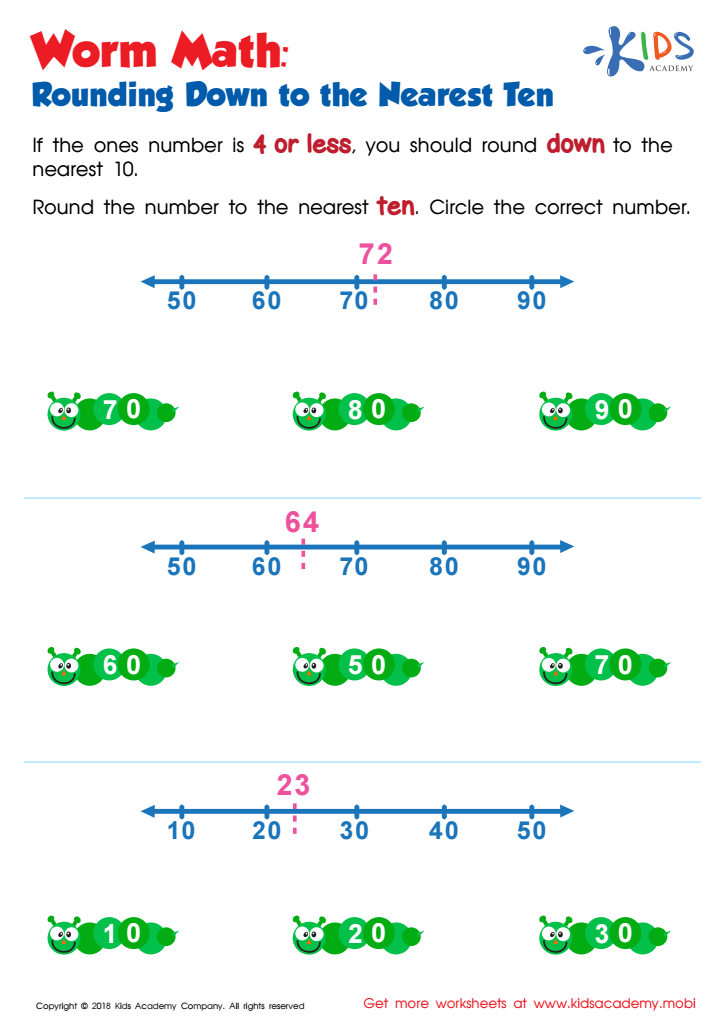
Worm Math Rounding Down to the Nearest Ten Worksheet
 Assign to My Students
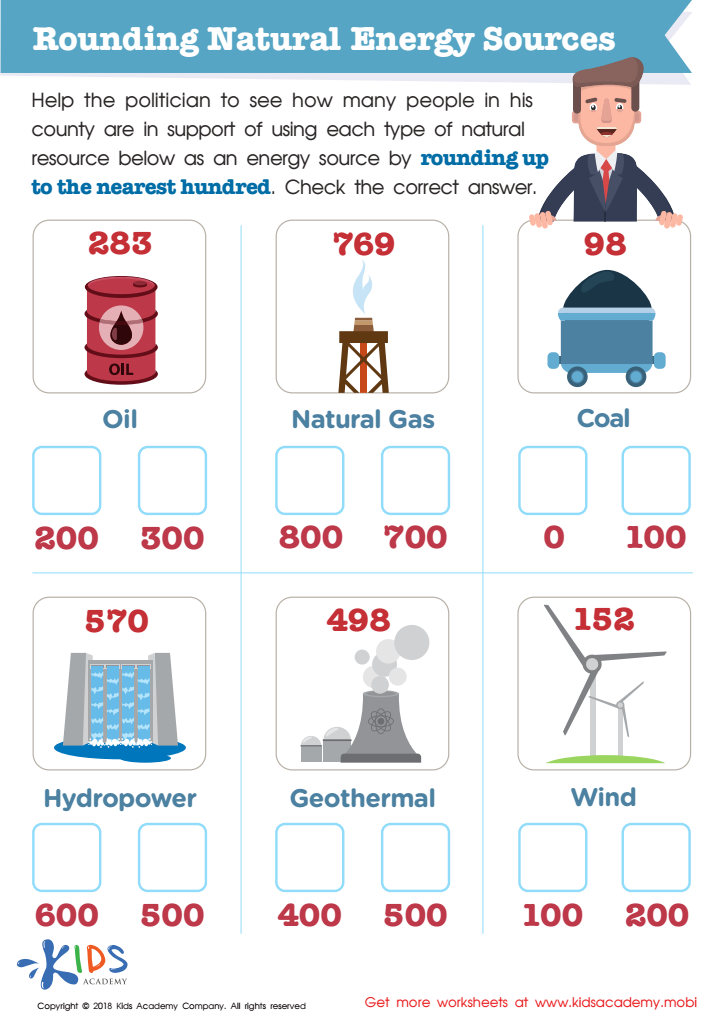
Rounding Natural Energy Sources Worksheet
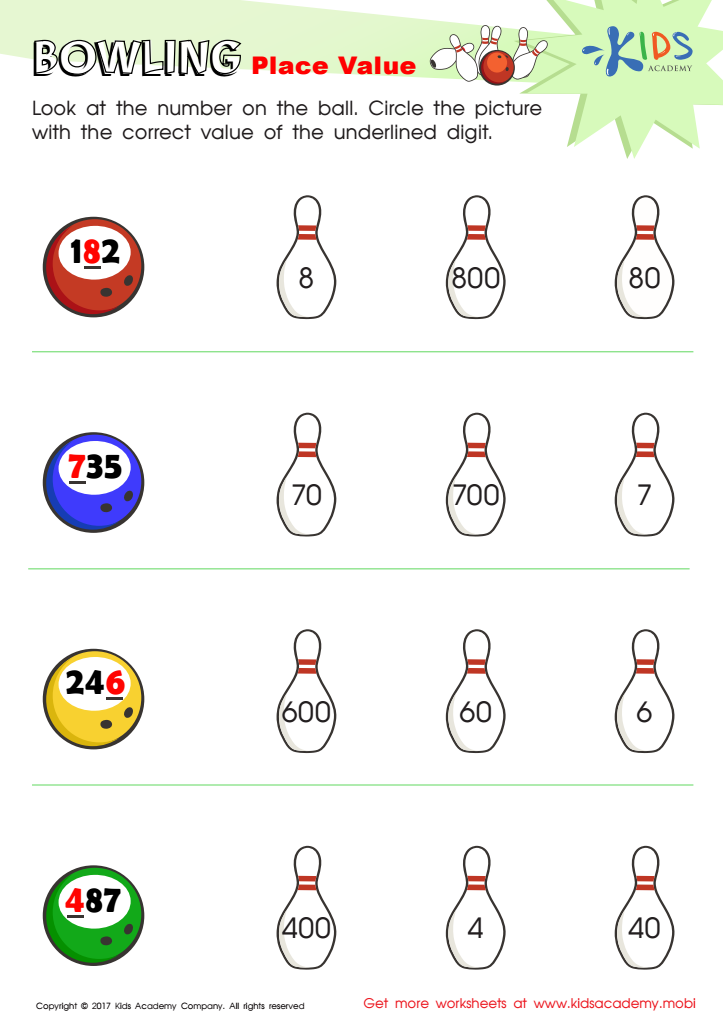
Place Value Worksheet
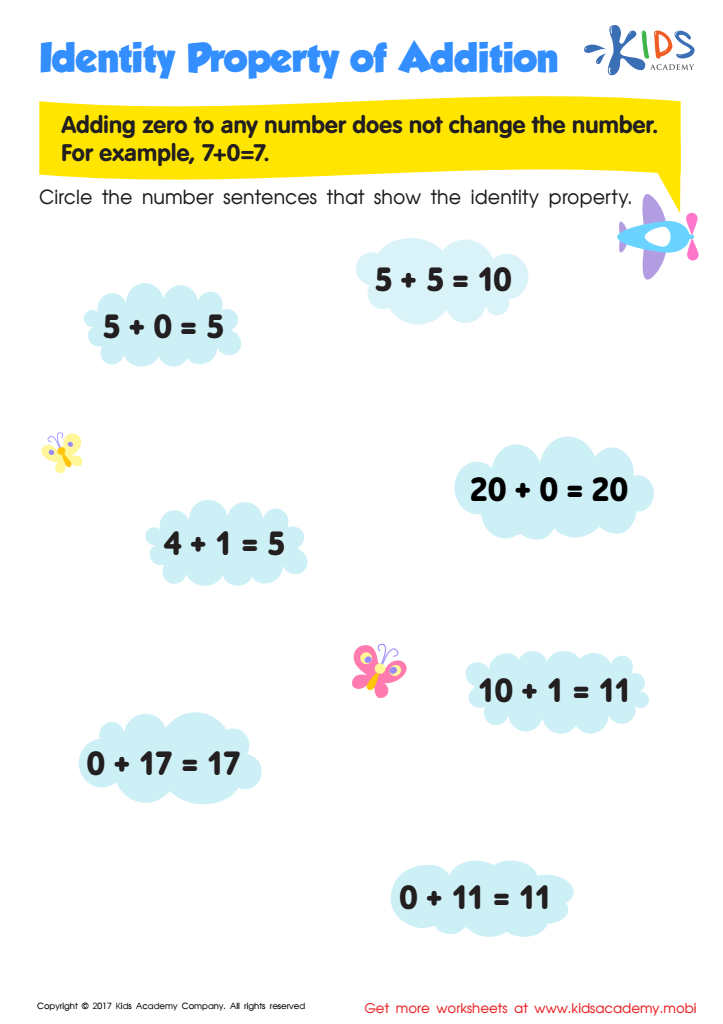
Identity Property of Addition Worksheet
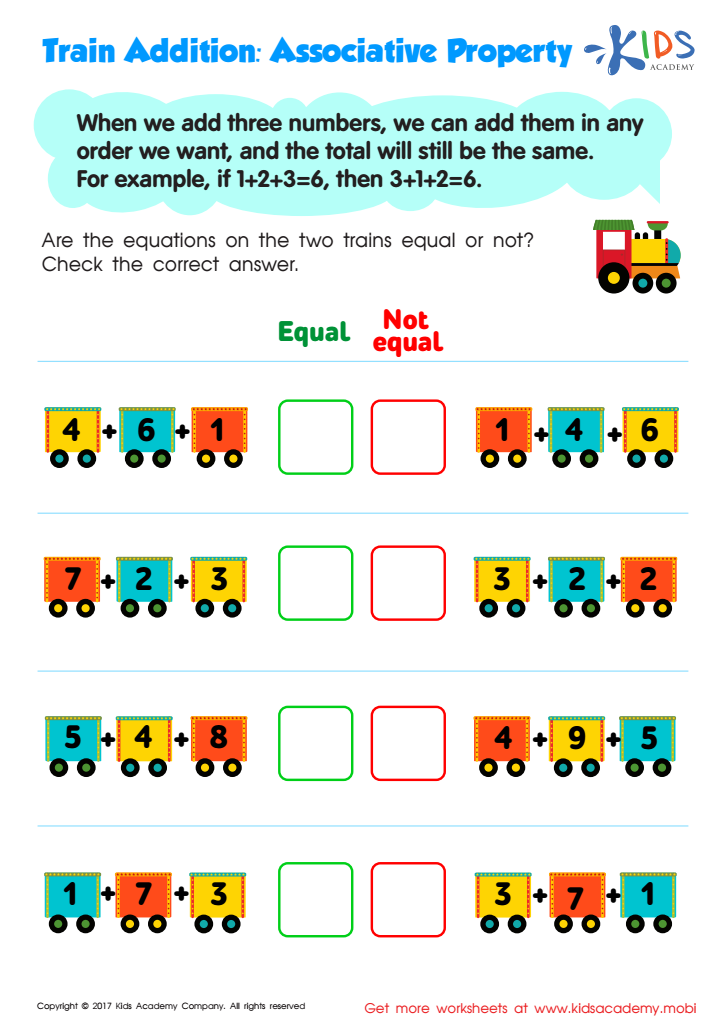
Train Addition: Associative Property Worksheet







Enhancing math skills in young children aged 3-9 is crucial for their cognitive development and future academic success. During these formative years, children are especially receptive to learning new concepts, and foundational math skills are key to establishing a strong base for advanced mathematics later on. Engaging with normal numbers — whole numbers that children encounter in everyday situations — helps them develop essential skills such as counting, comparison, and basic operations.
Parents and teachers should care about enhancing these skills because early proficiency in math is linked to improved problem-solving abilities, logical reasoning, and critical thinking. These skills are not just pertinent to academics; they also play a significant role in real-life scenarios, such as budgeting, measuring, and spatial awareness.
Additionally, fostering a positive attitude towards math early on can combat feelings of math anxiety in the future. When children are encouraged to explore numbers through play and everyday interactions, they become more confident in their abilities. By prioritizing math skill enhancement, parents and teachers can help nurture a love for learning that extends beyond numeracy, leading to well-rounded, competent individuals who appreciate the value of mathematics in their lives.








