Number writing Normal Numbers Worksheets for Ages 3-9
3 filtered results
-
From - To
Introduce your child to the world of numbers with our Number Writing Normal Numbers Worksheets for ages 3-9. These engaging, educational sheets are designed to enhance numerical skills through fun, interactive exercises. Perfect for early learners, they cover writing practice for numbers, number recognition, and simple arithmetic. Each worksheet is crafted to boost confidence and develop foundational math skills. Suitable for home or classroom usage, these resources cater to mixed-age groups, ensuring every child progresses at their own pace. Start your child on the path to mathematical mastery with our expertly designed worksheets today!
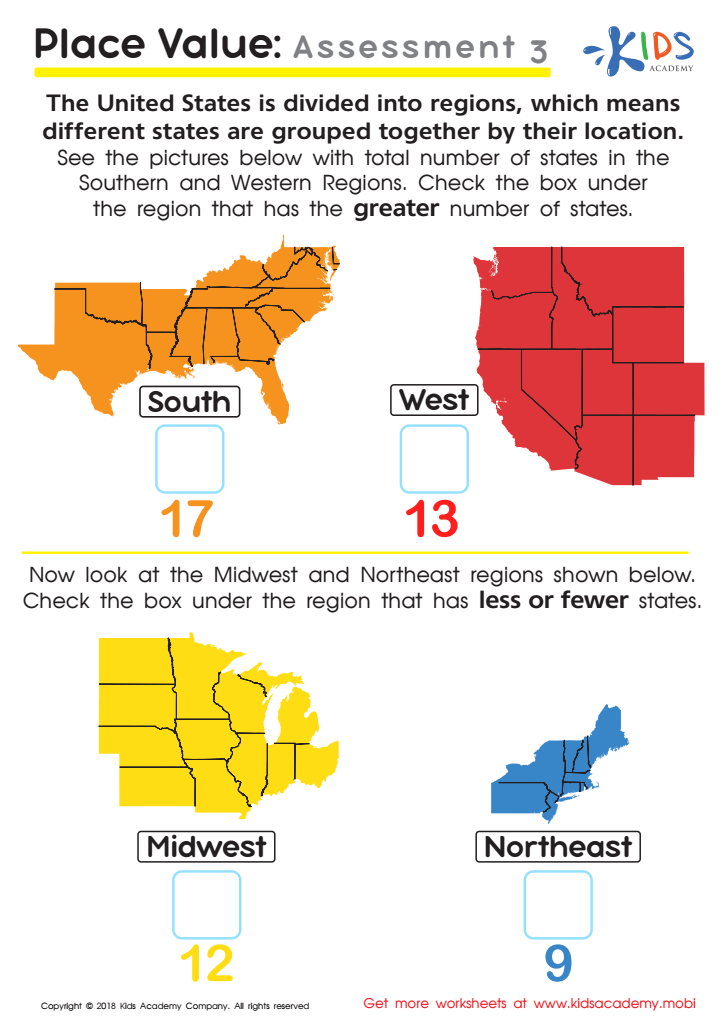
Place Value: Assessment 3 Worksheet
 Assign to My Students
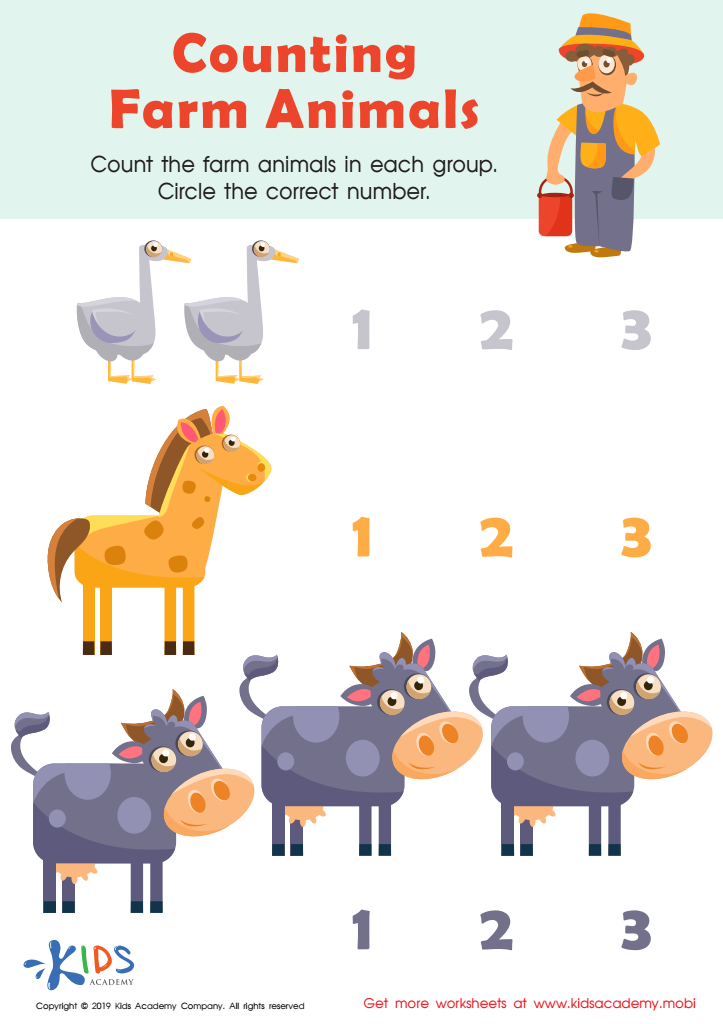
Counting Farm Animals Worksheet
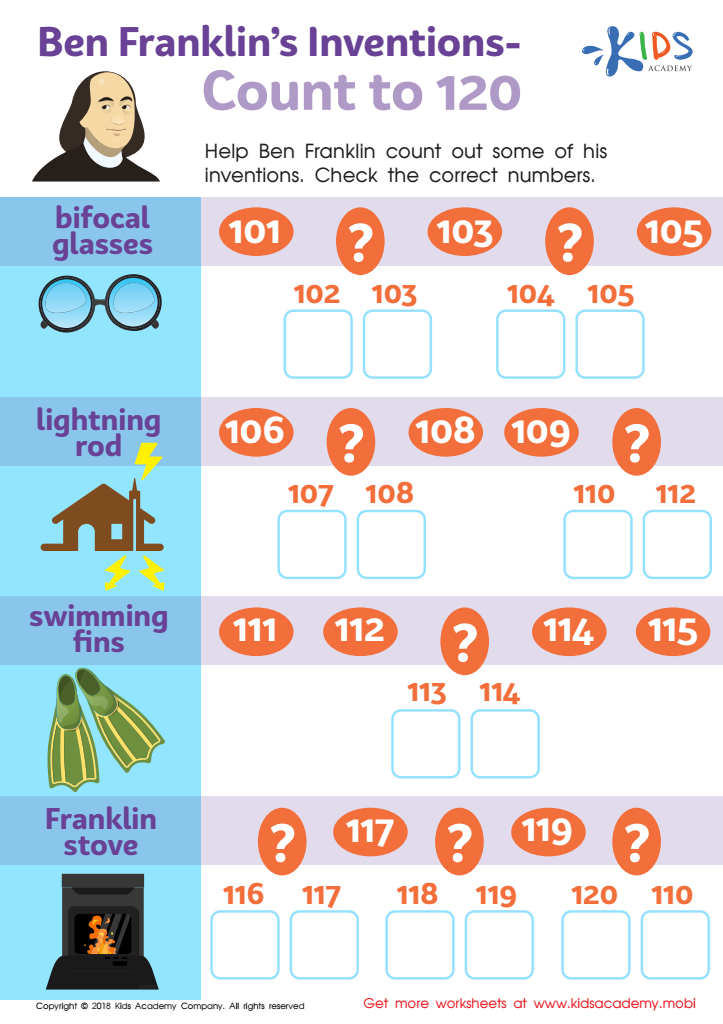
Ben Franklin’s Inventions – Count to 120 Worksheet




%20(1).jpg)



Parents and teachers should prioritize teaching number writing and understanding of normal numbers (1, 2, 3, etc.) for children aged 3-9 because it forms the foundation of numeracy skills essential for everyday life. In early childhood, developing number sense—a fundamental understanding of numbers and their relationships—enhances cognitive development and sets the stage for future academic success. Children who grasp basic numerical concepts are better prepared for more complex mathematical operations and problem-solving tasks that they will encounter in later grades.
Moreover, learning to write numbers improves fine motor skills and hand-eye coordination, which are critical for various tasks beyond math. Mastery of number writing helps children communicate mathematical ideas clearly, fostering effective learning environments and enhancing their confidence.
For parents, being involved in this aspect of learning strengthens the parent-child relationship and allows them to monitor and support their child's educational progress. For teachers, a strong emphasis on number writing and familiarity with normal numbers ensures that students are meeting developmental milestones, allowing for timely interventions if a child is struggling.
In essence, early mastery of number writing serves as a building block for a child's educational journey, equipping them with necessary skills for academic achievements and practical life applications. Investing time and effort into teaching these skills reaps long-term benefits for children’s overall learning and competence.








