Associative learning Normal Math Worksheets for Ages 3-9
3 filtered results
-
From - To
Discover our "Associative Learning Normal Math Worksheets" designed for children aged 3 to 9. At Kids Academy, we emphasize the importance of associative learning in early math education, helping young learners develop essential skills through engaging, interactive worksheets. Our carefully crafted activities encourage kids to connect ideas and concepts, making math fun and accessible. Each worksheet supports a range of topics, from basic number recognition to simple addition and subtraction. Perfect for at-home practice or classroom use, our worksheets foster critical thinking and problem-solving abilities. Unlock your child’s potential in math with our educational resources that spark curiosity and creativity!
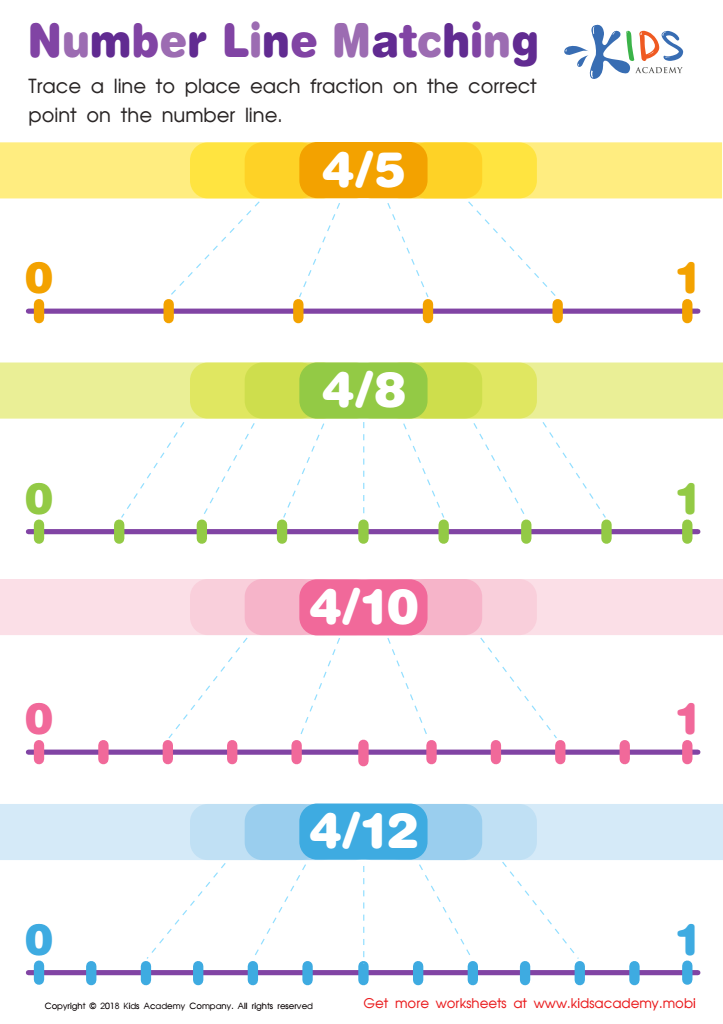
Number Line Matching Worksheet
 Assign to My Students
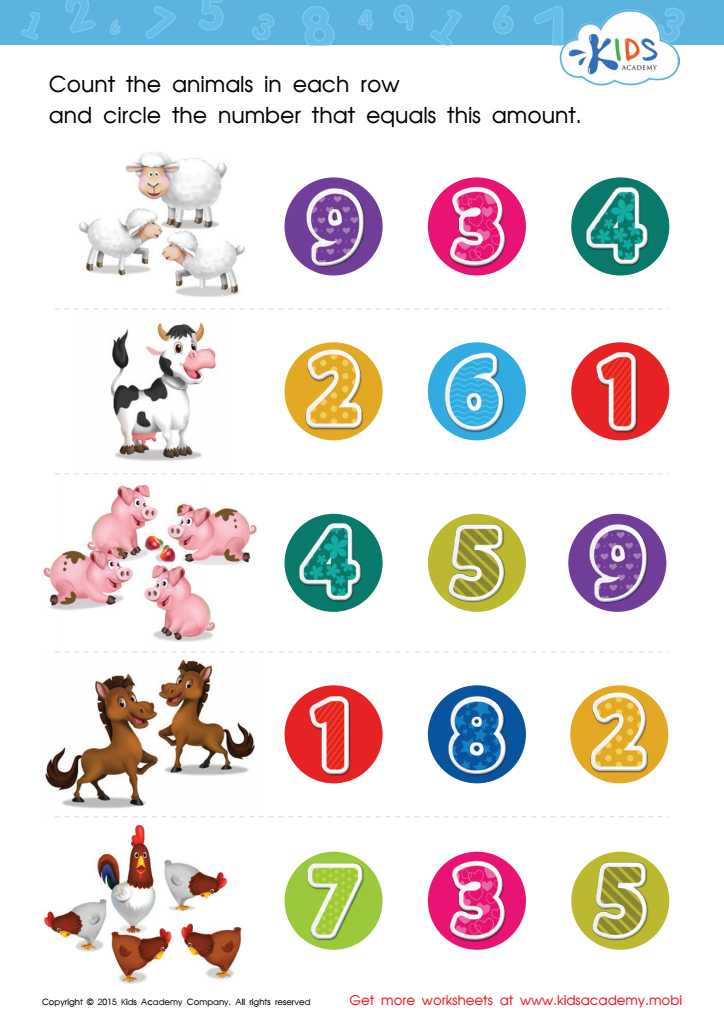
Count and Match 1 – 5 Math Worksheet
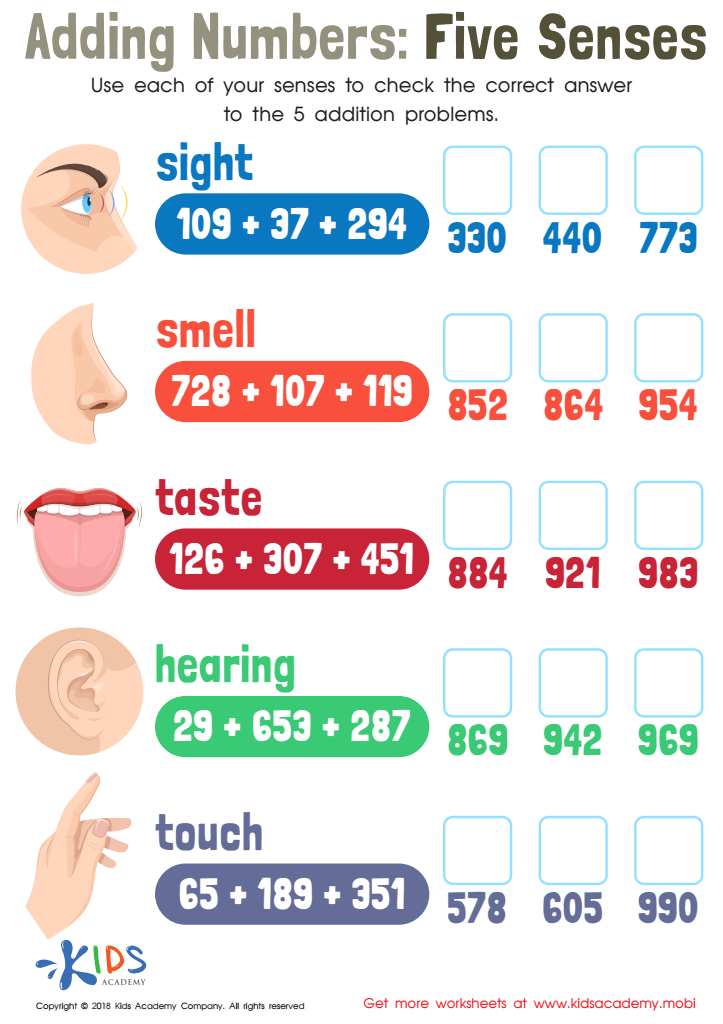
Adding Numbers: Five Senses Worksheet








Associative learning is a fundamental aspect of cognitive development, particularly in early childhood education for children ages 3-9. This type of learning involves linking concepts and experiences, which plays a crucial role in understanding and mastering mathematical skills. Parents and teachers should care about associative learning in normal math because it lays the groundwork for more complex problem-solving and critical thinking abilities.
Through associative learning, children begin to recognize patterns, relationships, and categories, enabling them to connect numerical concepts with everyday experiences. For instance, when children sort objects by color or size, they are not only practicing basic math skills but also developing essential cognitive associations that enhance their understanding of quantity, addition, and subtraction.
Moreover, associative learning nurtures a child's curiosity and fosters a positive attitude towards math. When parents and teachers support these connections through engaging activities—such as counting games or connecting math to storytelling—they help children build a strong mathematical foundation that will benefit them in later grades.
In essence, embracing associative learning in early math not only cultivates foundational skills but also promotes a lifelong appreciation for learning, setting the stage for success in more advanced mathematical concepts in the future.








